James-Todd Lab
The Environmental Reproductive Justice (ERJ) Lab for Research, Education, and Community Engagement. We focus on environmental exposures, women’s health, and health disparities across the life course.
665 Huntington Avenue
Bldg 1, 14th Floor
Boston, MA 02115
Our Research
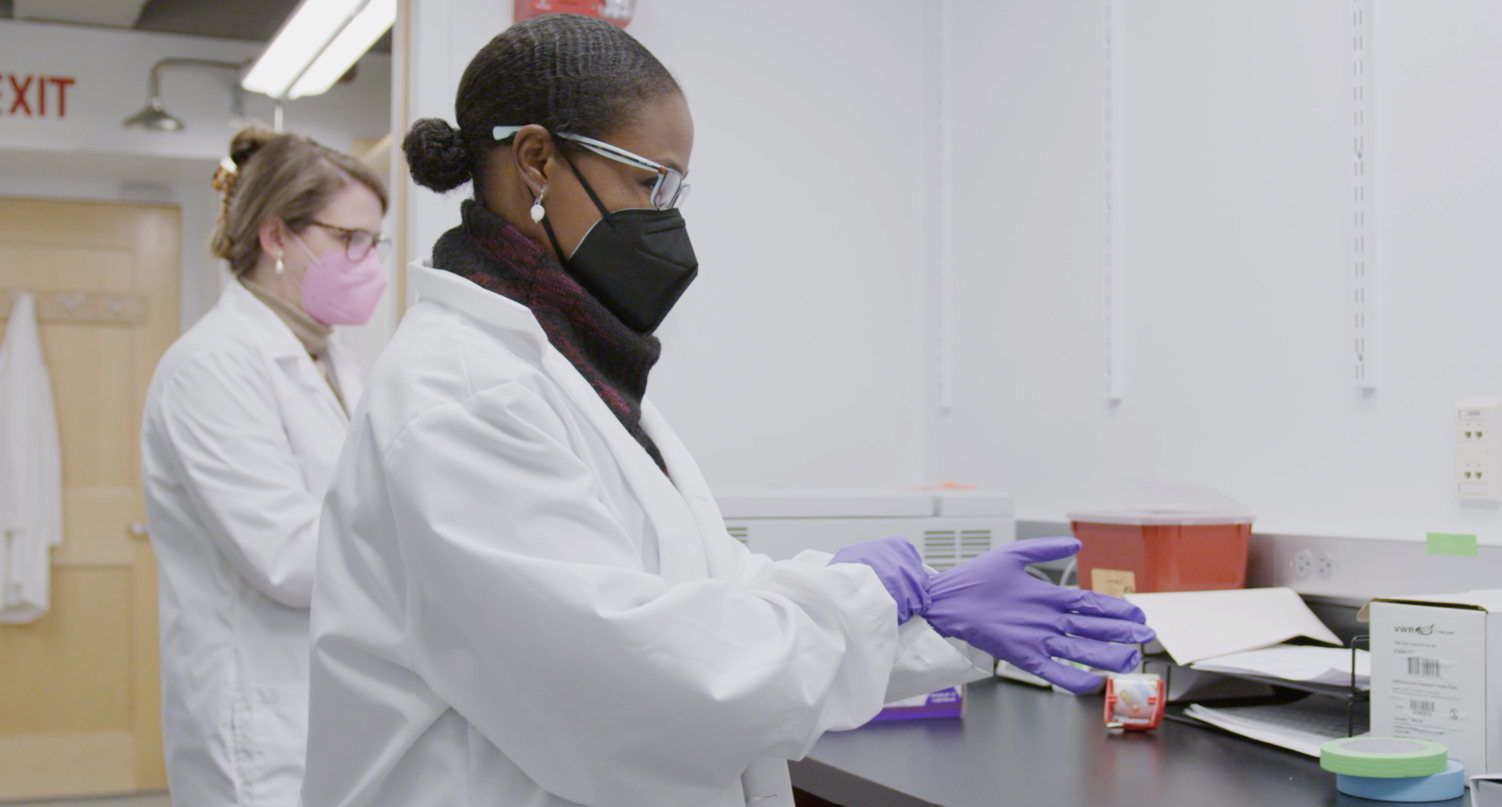
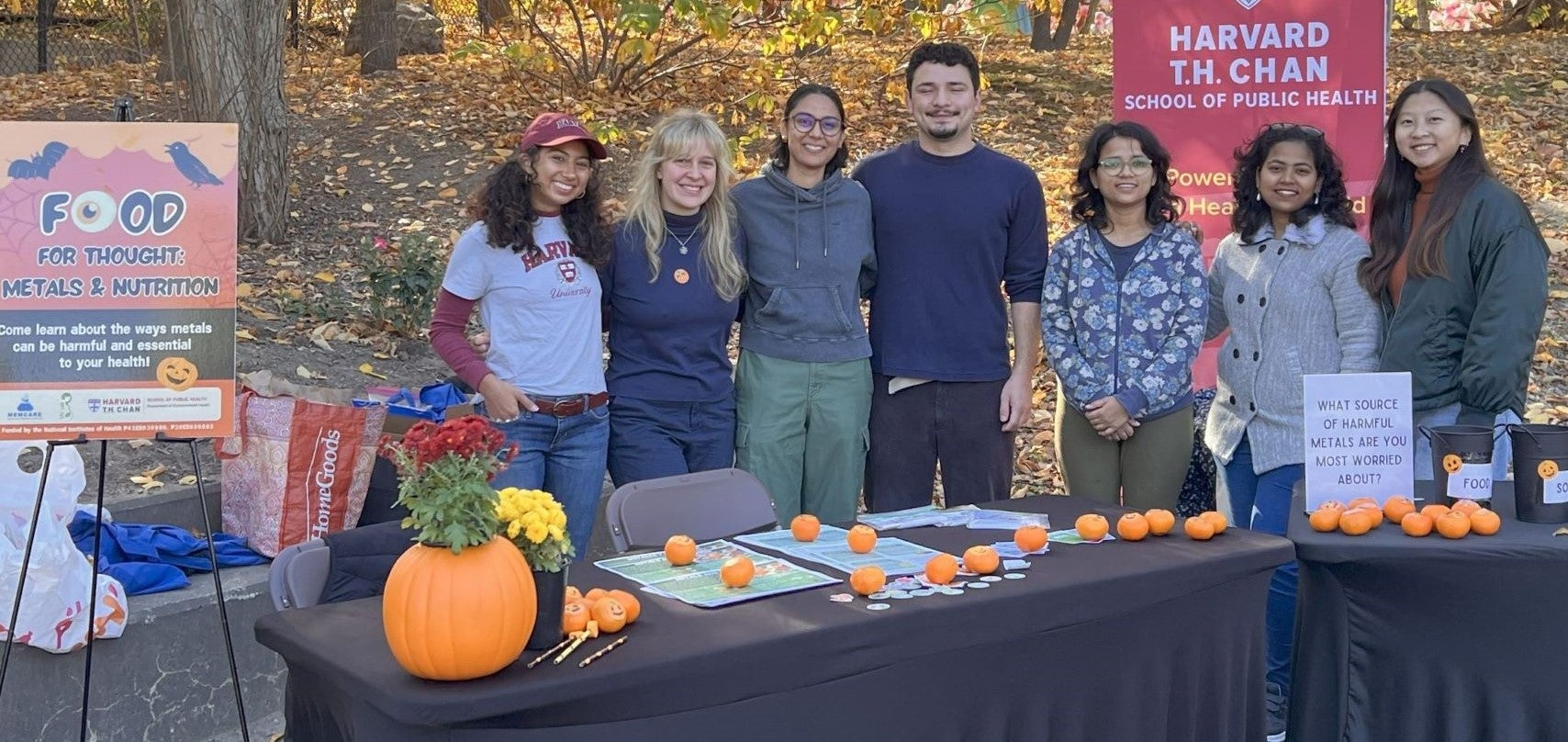
Our research focuses on multiple different environmental health topics! Below you can find additional information about our ongoing projects.
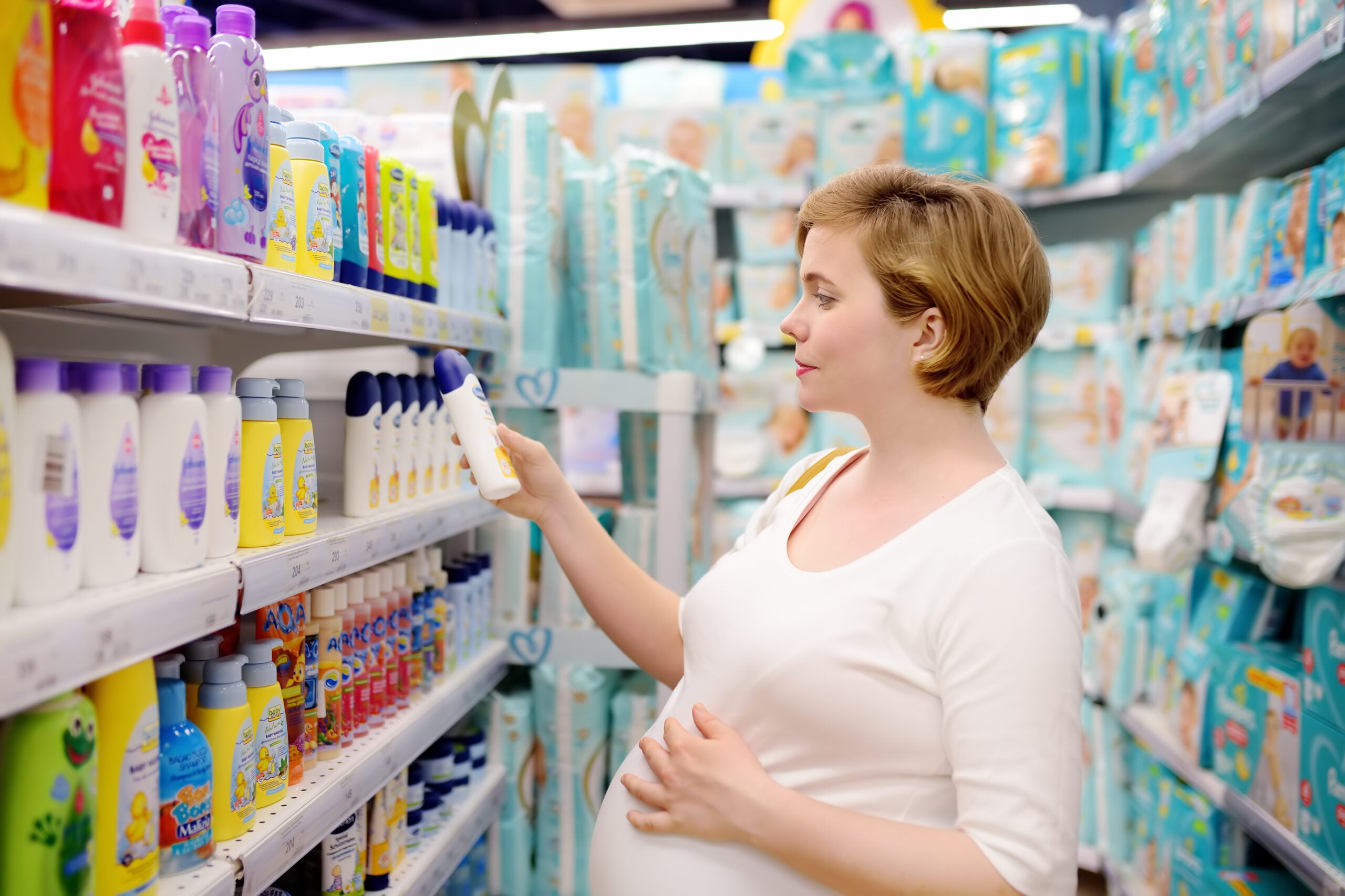
Consumer Product Chemicals & Women’s Health

The ERGO Study
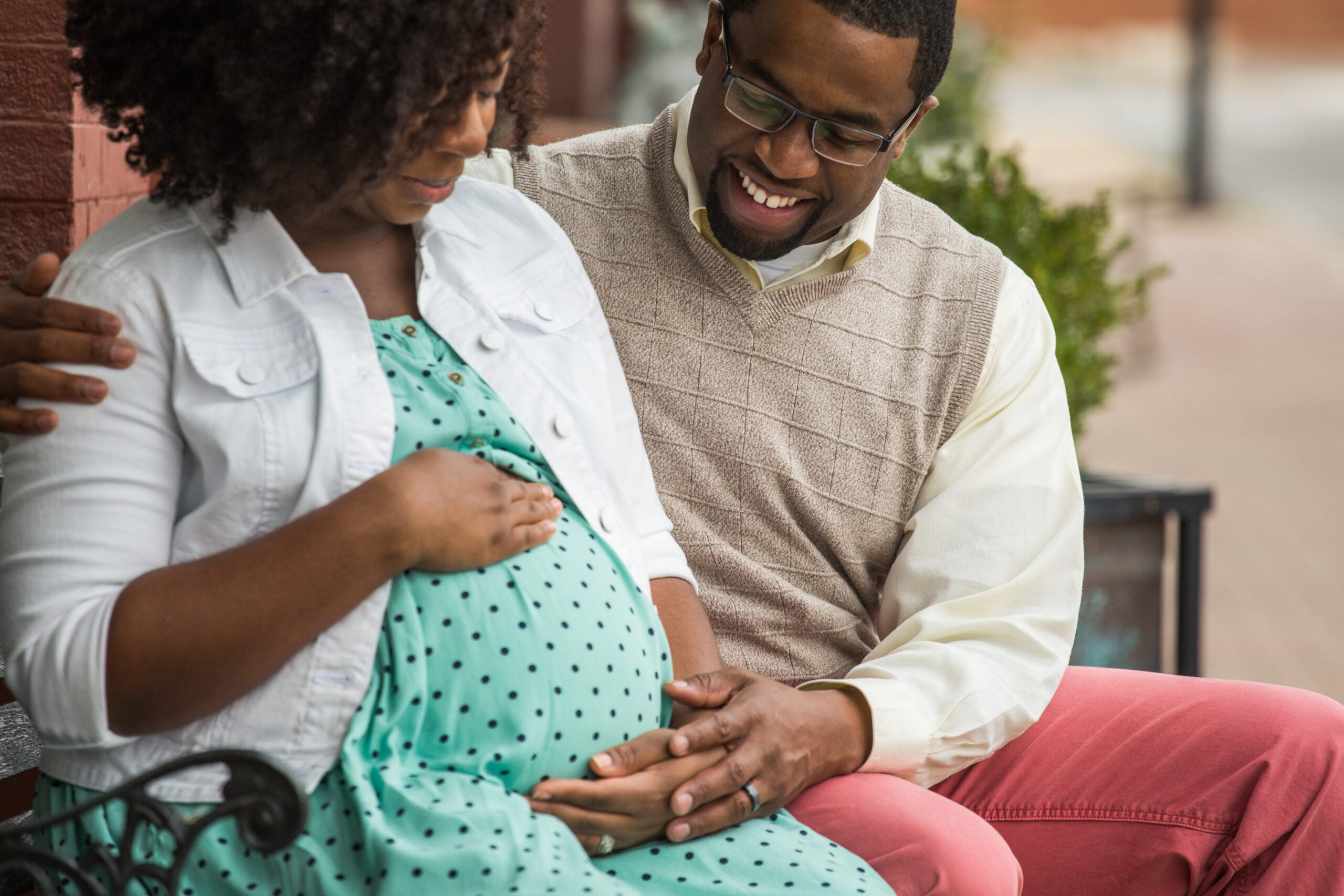
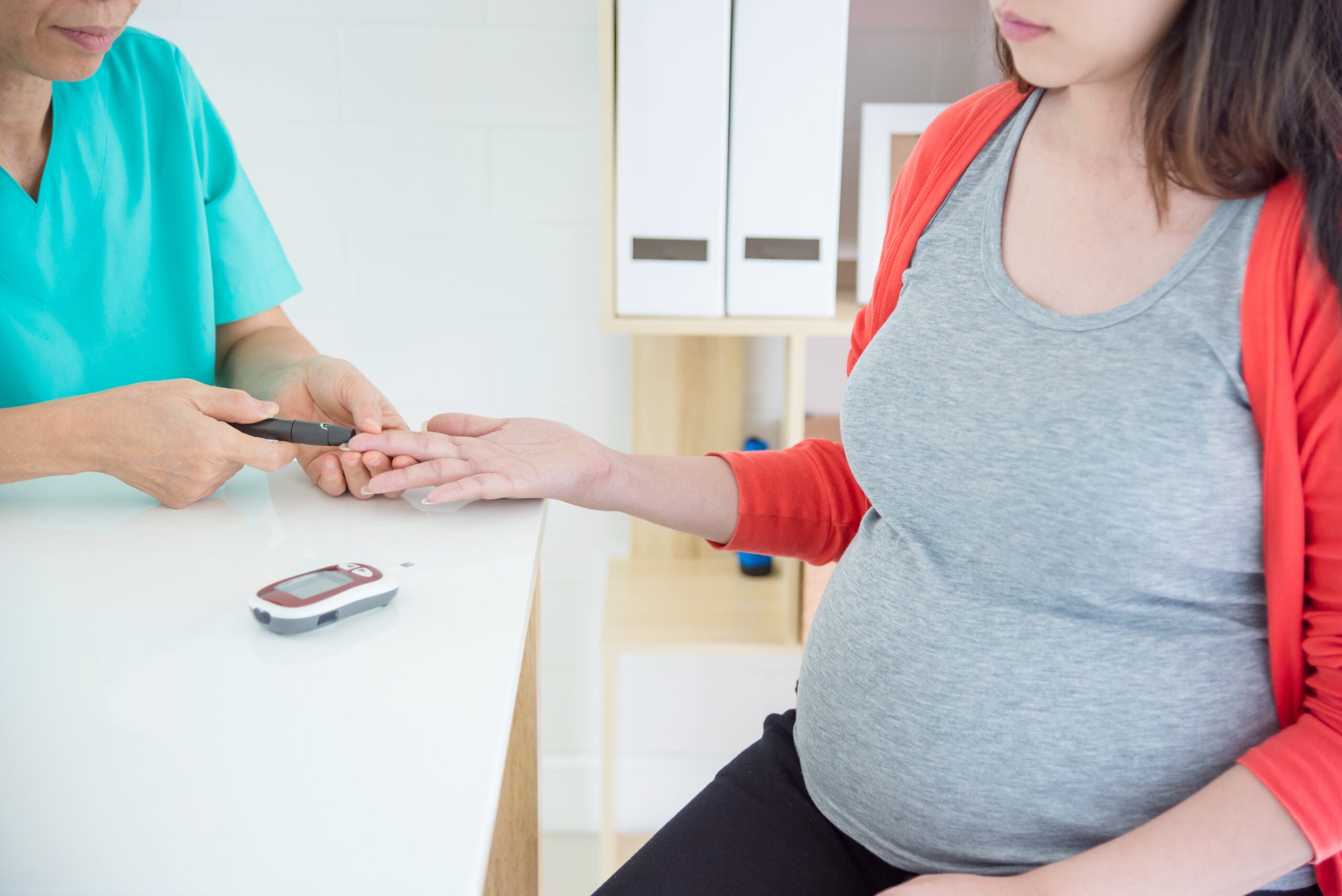
The Environmental Reproductive and Glucose Outcomes (ERGO) Study is a research study, started in 2016, designed to examine the role of environmental chemical exposures on maternal and child health. Environmental exposures may affect our health, particularly during the time surrounding pregnancy. Through ERGO and our ERGO Follow Up study, we are learning more about the impact of environmental exposures on pregnancy, postpartum, and later life health.
Drinking Water & Health
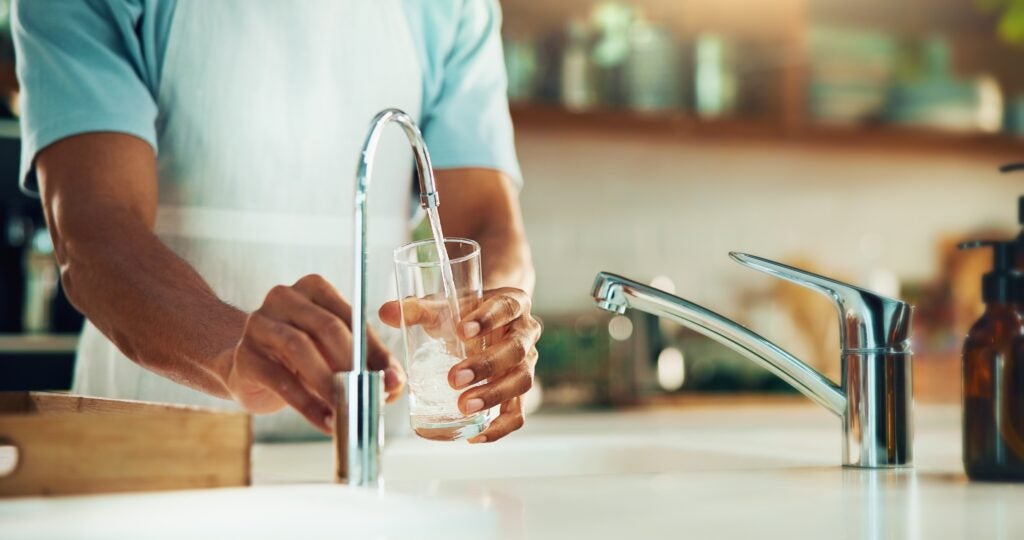
Nationwide Multi-site Study of the impacts of PFAS in drinking water on health
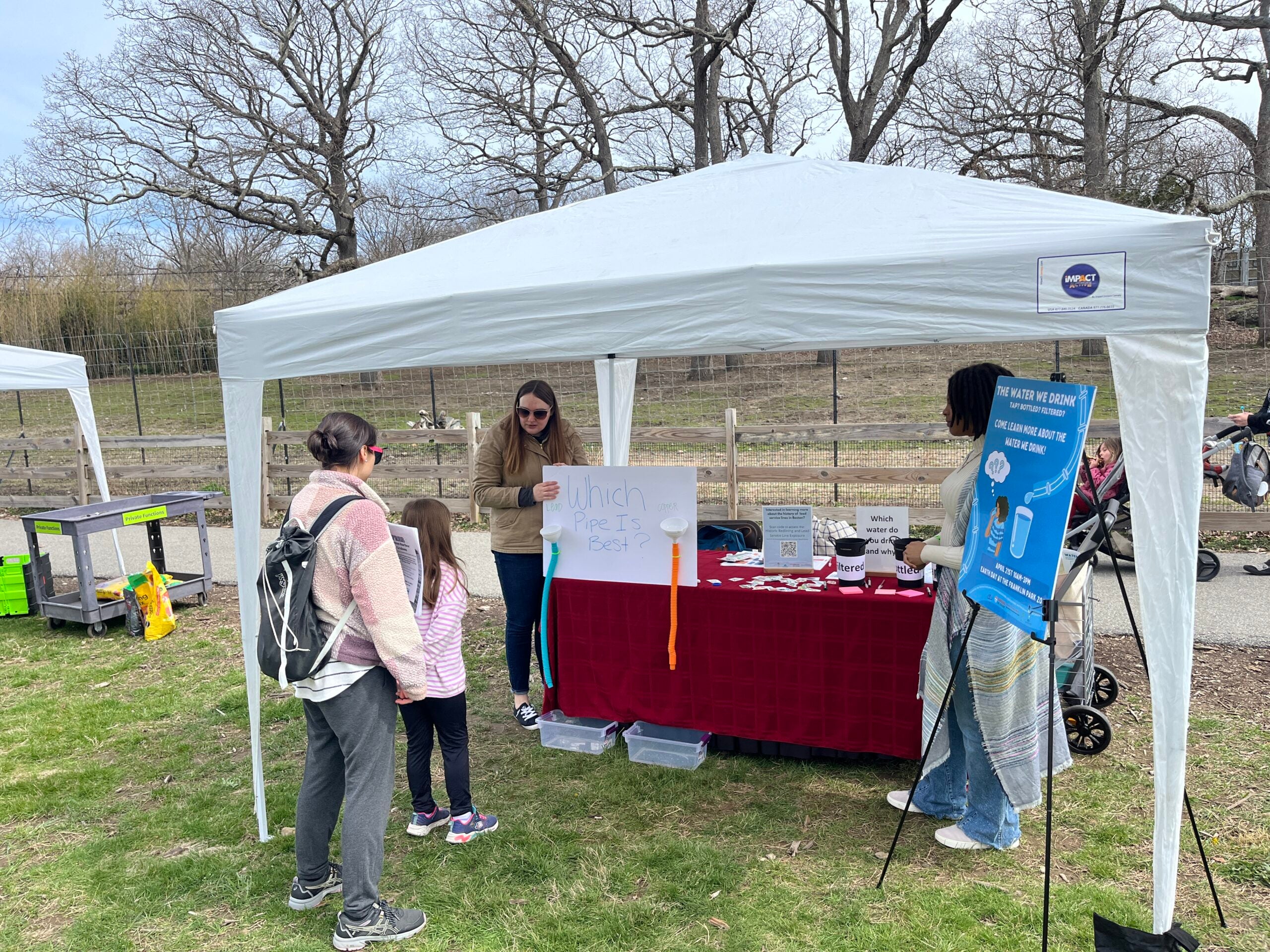
Funded by the Agency for Toxic Substances and Disease Registry (ATSDR) and the Center for Disease Control and Prevention (CDC), the Multi-site PFAS and Your Health Study began in 2021 and includes communities in 7 states across the US that were impacted by PFAS contaminated drinking water. In total, 5826 adults and 710 children participated in this study!
Environmental Health Literacy Interventions

Increasing the environmental health literacy (EHL) of reproductive healthcare workers
Improving Health and Environmental Health Literacy of Professionals, or IHEHLP, was designed to investigate if online educational modules and materials made for healthcare professionals, about environmental health topics such as consumer product chemicals, would impact their ability to communicate about these topics to their patients. Over 200 healthcare professionals participated in this research study where they took a baseline survey, interacted with the online educational modules and videos, and took follow up surveys to assess their knowledge about the covered topics. We found that this educational module was effective in increasing the EHL of healthcare professionals as well as increasing the frequency that they discussed environmental health topics like phthalates with their patients.
Community Engagement
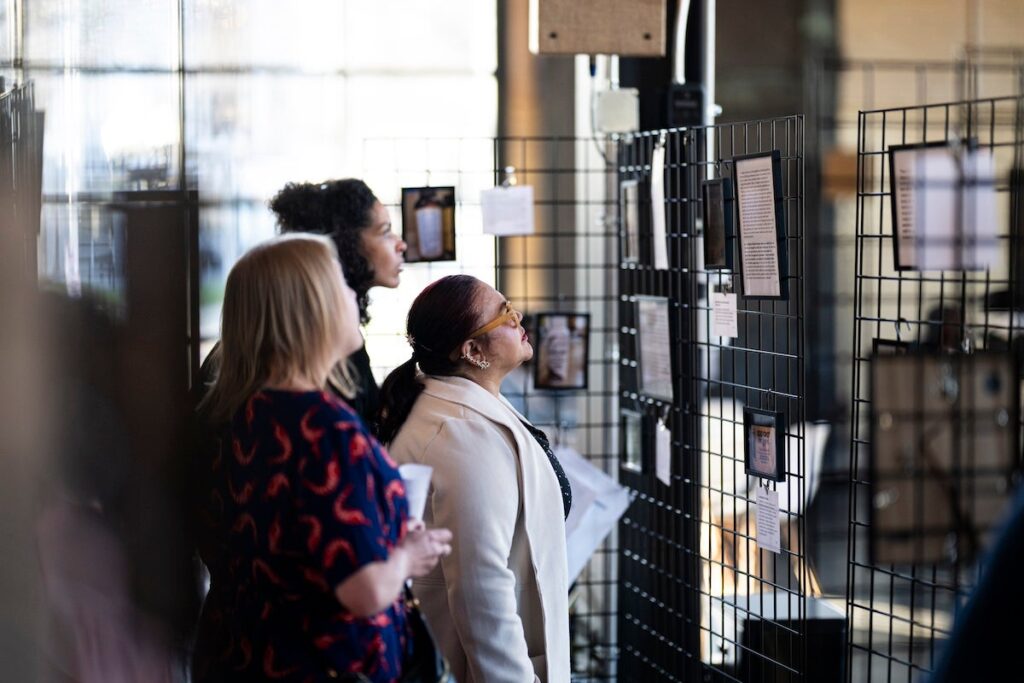
Facilitators and barriers to safer hair product purchasing and use among Black women
In 2024, our lab hosted 2 community art shows as a part of the Retail Environment and Hair Styling Exposure (RESTYLE) Study. These art shows showcased photographs taken by more than 20 Black women from the Greater Boston area. The photos were responses to prompts about what they felt supported or prevented them from purchasing and using safer hair products.
Other Projects
The Hair Additions, Ingredients, and Risk (HAIR) Study is a project about hair extensions and attachments, their ingredients, and their impact on health. We held group discussions with consumers and beauty industry professionals to talk about their perceptions of the safety of hair additions, which can include wigs, eyelashes, braids and clip-in hair extensions. Email us at hairstudy@hsph.harvard.edu for more information!
Per- and polyfluoroalkyl substances (PFAS) and Cardiovascular Disease (CVD): We are investigating the association of PFAS and blood pressure during pregnancy and later in mid-life using the Project Viva Cohort. Project Viva is a Boston based research study that began in 1999 and collects information about diet, sleep, physical activity, and environmental factors on over 2000 adult and child participants. Our team has utilized this data to study the association between PFAS and blood pressures during pregnancy as well as hypertensive disorders of pregnancy and midlife adiposity.
The Environmental influences on Child Health Outcomes (ECHO) program is working to understand the impacts of environmental exposures early in life on a child’s health and development. ECHO has 72 study sites across the US! Our site (ECHO Boston) focuses on how personal and neighborhood characteristics impact pregnancy outcomes and child health.
The Midlife Women’s Health Study (MWHS) recruited participants between 2006 and 2015 with a main goal of learning more about hot flash risk factors for women going through menopause. Our team has used the data from this study to examine a class of environmental chemicals, called phthalates, and their impact on hot flash outcomes such as ever experiencing hot flashes, the frequency of hot flashes, and their severity. We found that with higher concentrations of phthalates in the body, participants had higher odds of recent hot flashes and moderate/severe hot flashes.
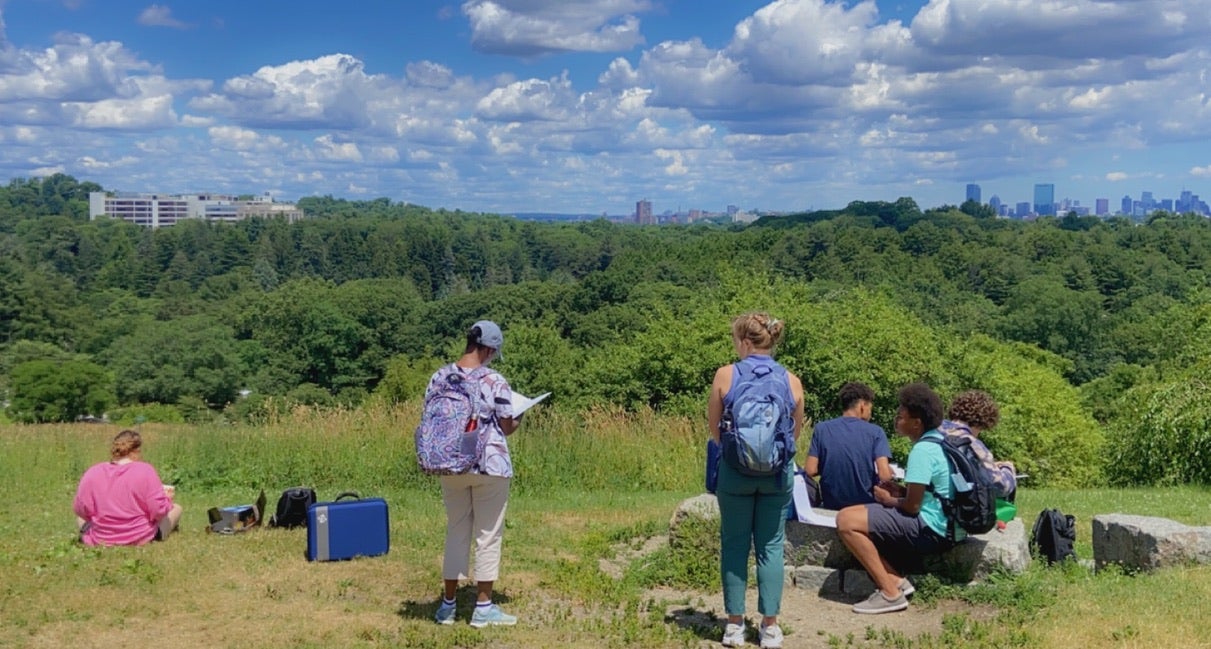
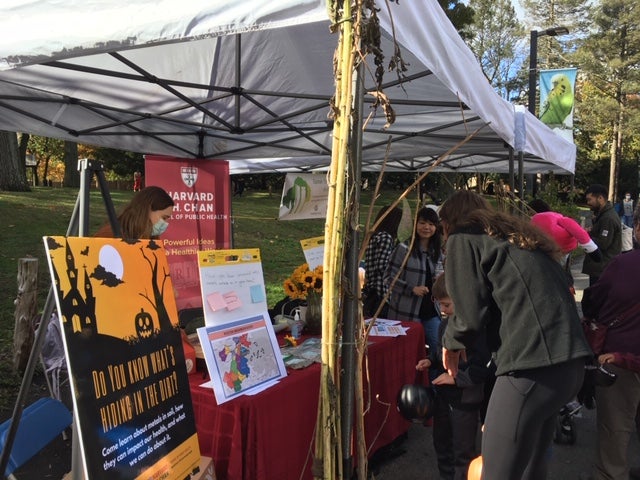
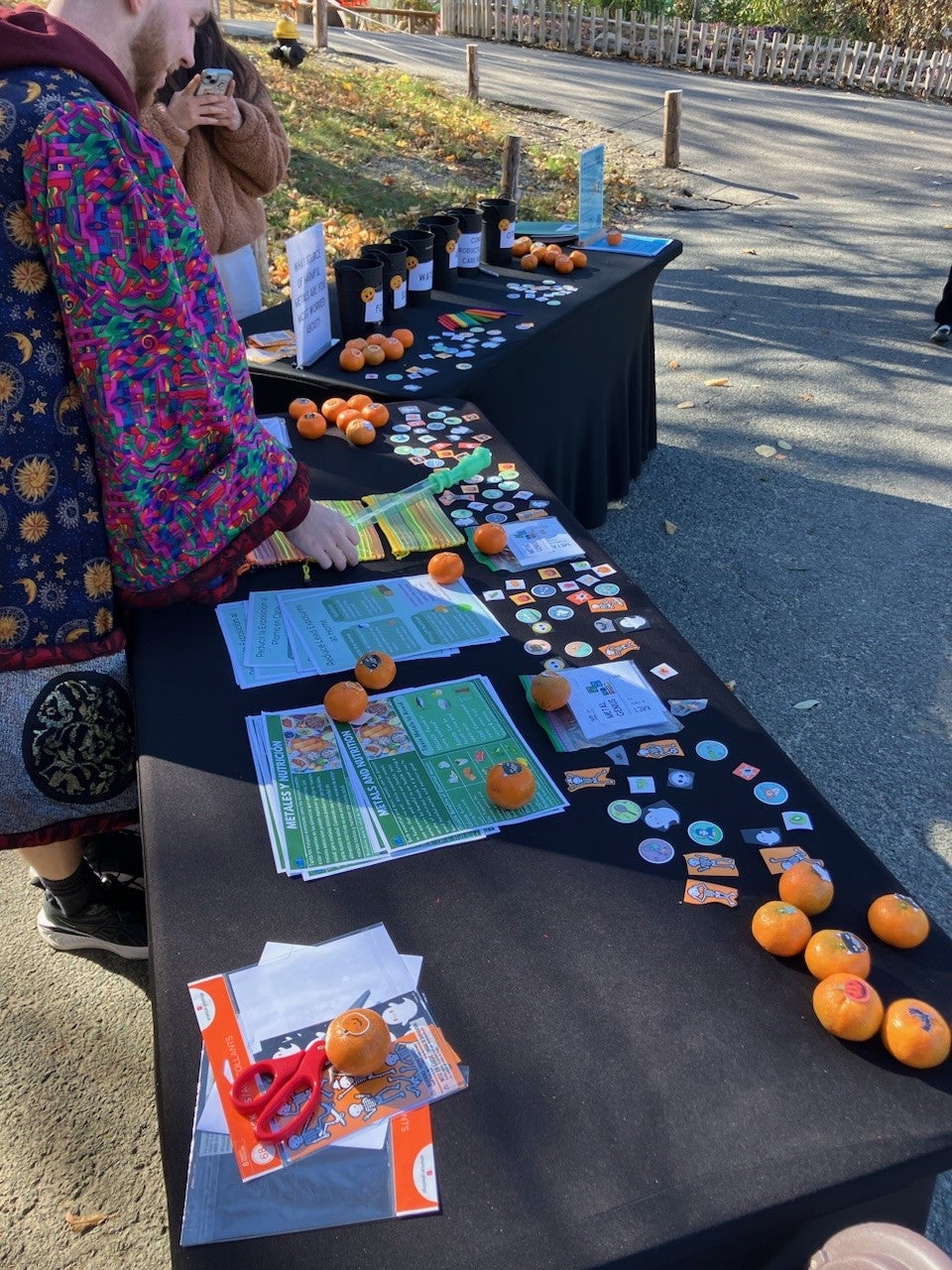
The Harvard Chan Superfund Research Center’s Metals and Metal Mixtures, Cognitive Aging, Remediation and Exposure Sources (MEMCARE) aims to examine the impacts of exposure to metals on later life cognitive health. Our project, IMPACT, or Interested in Metals, Parent, and Child Health, is part of the Community Engagement Core. For the last 4 years, we have held a week long summer camp program with our partner, the Bethel Institute for Community Development, for elementary and middle school students focused on different environmental health concepts such as climate change and health, water contamination, and metals in soil.
We collaborate with the Joslin Diabetes Center on projects such as investigating the link between environmental chemicals and diabetes devices, including insulin pumps. We are also working on a project to examine the association between environmental chemical concentrations in the body and glucose outcomes, using continuous glucose monitor (CGM) data.
The Doulas as Environmental Educators & Partners (DEEP) Study looks at how doulas’ knowledge about environmental chemicals impacts their clients’ pregnancy health outcomes. We recruited both doulas and the pregnant people they work with. Participants took surveys about their environmental health literacy and doulas engaged in an online educational module about environmental chemicals, which they were encouraged to use to counsel their pregnant clients. Participants also had the option to provide remote urine samples!