Setting a Clear Aim for Health Care Quality Improvement
A health care team can agree that care needs to improve and still have very different ideas about what success would look like. Which patients should benefit? What result should change? How much progress is possible, and by when?
Those questions sit at the beginning of the improvement process taught by Rashad Massoud, program director of Harvard Chan Advanced Learning Academy’s Applied Health Care Quality Improvement Through Simulation. Defining an improvement aim gives a team a shared purpose and a basis for deciding whether its work is making a difference.
The task requires choices about the problem, the boundaries of the work, and the result the team intends to achieve. Those choices shape what follows: who needs to participate, which processes need attention, and what the team will measure.
Choose a priority grounded in need
In Rashad’s course, identifying the problem includes defining the aim, identifying the processes or systems that produce the result, and reaching agreement among the people who will work on it.
Several sources can inform that choice. Existing organizational or health authority priorities may point to areas needing attention. Reports and baseline assessments can reveal gaps in care. Patients, staff, practitioners, and communities can help identify problems that matter in daily experience.
Considering those sources together helps a team explain why it has selected a particular priority. It also gives the team a starting point for setting a target. A numerical goal needs to reflect the problem the team is trying to address and the circumstances in which it will work.
What to include in a quality improvement aim statement
A health care quality improvement aim statement defines the work’s scope, measurable target, timeframe, and intended approach. In Rashad’s course, numerical targets are framed as ambitious but achievable: they should challenge the team while remaining credible in its setting.
Scope identifies where the work will take place, which patients or populations it concerns, and which care processes fall within it. The target states the intended amount of improvement, while the timeframe specifies when that improvement should occur. Together, these elements give the team a shared purpose and a basis for judging progress.
Finally, the aim should connect the desired patient outcome to the care process the team expects to change. The team can then select measures that track both the process and the outcome, develop and test changes, and learn what works in practice.
Connect the patient outcome to the care process
An improvement aim should connect the result a team wants to achieve with the care process it needs to change. That means identifying how care is currently delivered and which parts of that work contribute to the outcome.
The team then needs to track both the care process and the intended outcome. Whether a process is being followed consistently and whether a patient outcome is improving are related questions, but they require different measures. Keeping both in view helps the team examine whether its changes are being carried out and whether the intended result is occurring.
Set a target the team can work toward
Setting a useful target requires balancing ambition and feasibility. An unrealistic goal can discourage a team, while a target that asks too little may leave meaningful opportunities for improvement unexplored.
That balance calls for discussion about the starting point, the scope of the work, and the time available. The goal is to give the team a demanding, credible objective that it understands and can organize around.
Rashad’s teaching connects the aim to measurement as the project develops. Measures should link directly to the improvement aim and help the team learn from the changes it tests. A clear aim therefore helps narrow the measurement task to information that can guide the work.
Practice defining the aim before leading the project
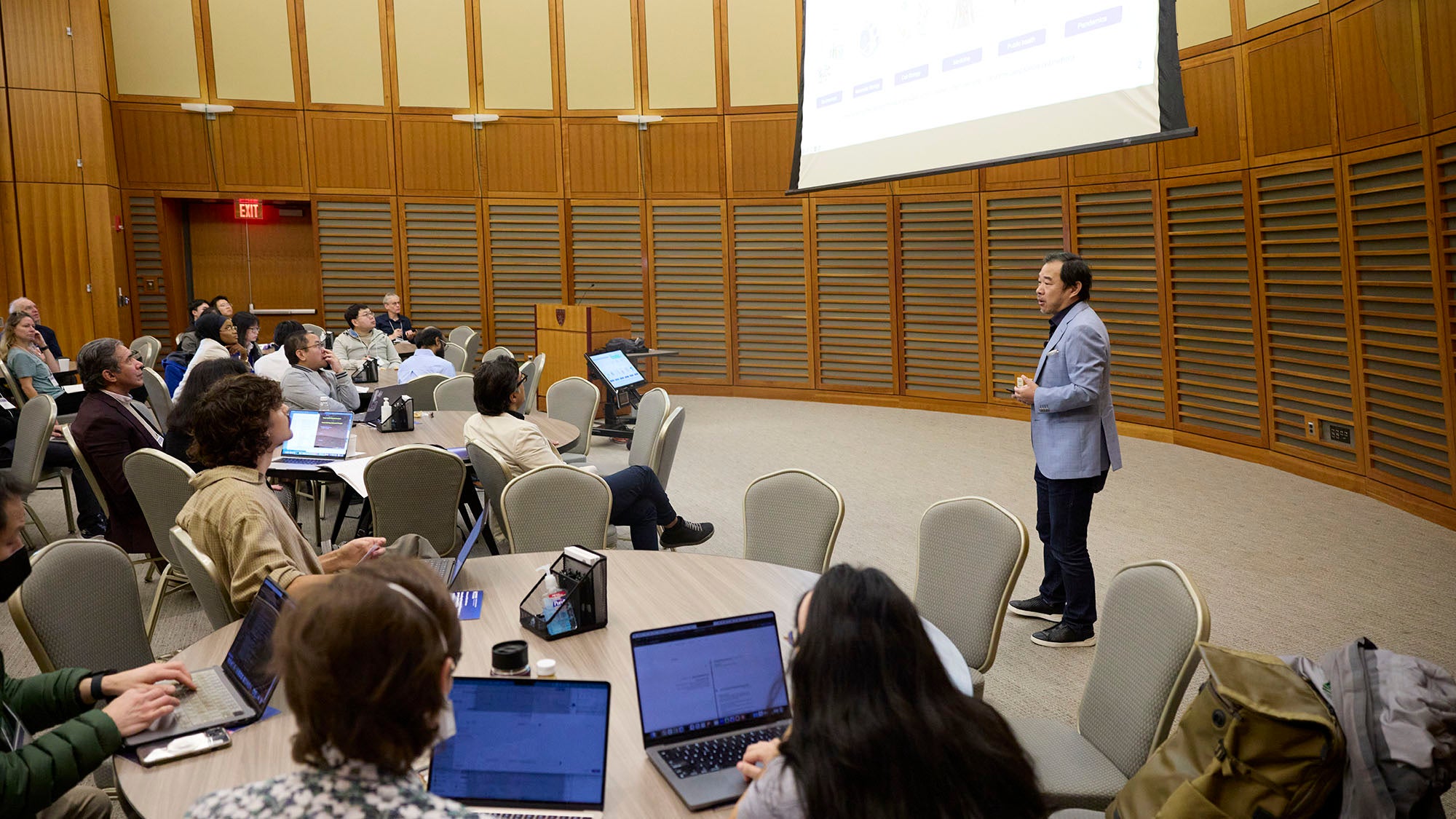
In Applied Health Care Quality Improvement Through Simulation, participants practice setting an aim as part of a live group simulation, then work through the subsequent stages of an improvement project. Alongside the simulation, they develop a project design relevant to their own setting.
That approach gives participants an opportunity to examine the decisions behind an aim statement and carry them into the team, process, and measurement work that follows.
If you’re looking to turn improvement goals into measurable results, explore Applied Health Care Quality Improvement Through Simulation to practice designing and leading a quality improvement project through an interactive learning experience.