Greenhouse emissions expected to surge from gas-powered AI data centers
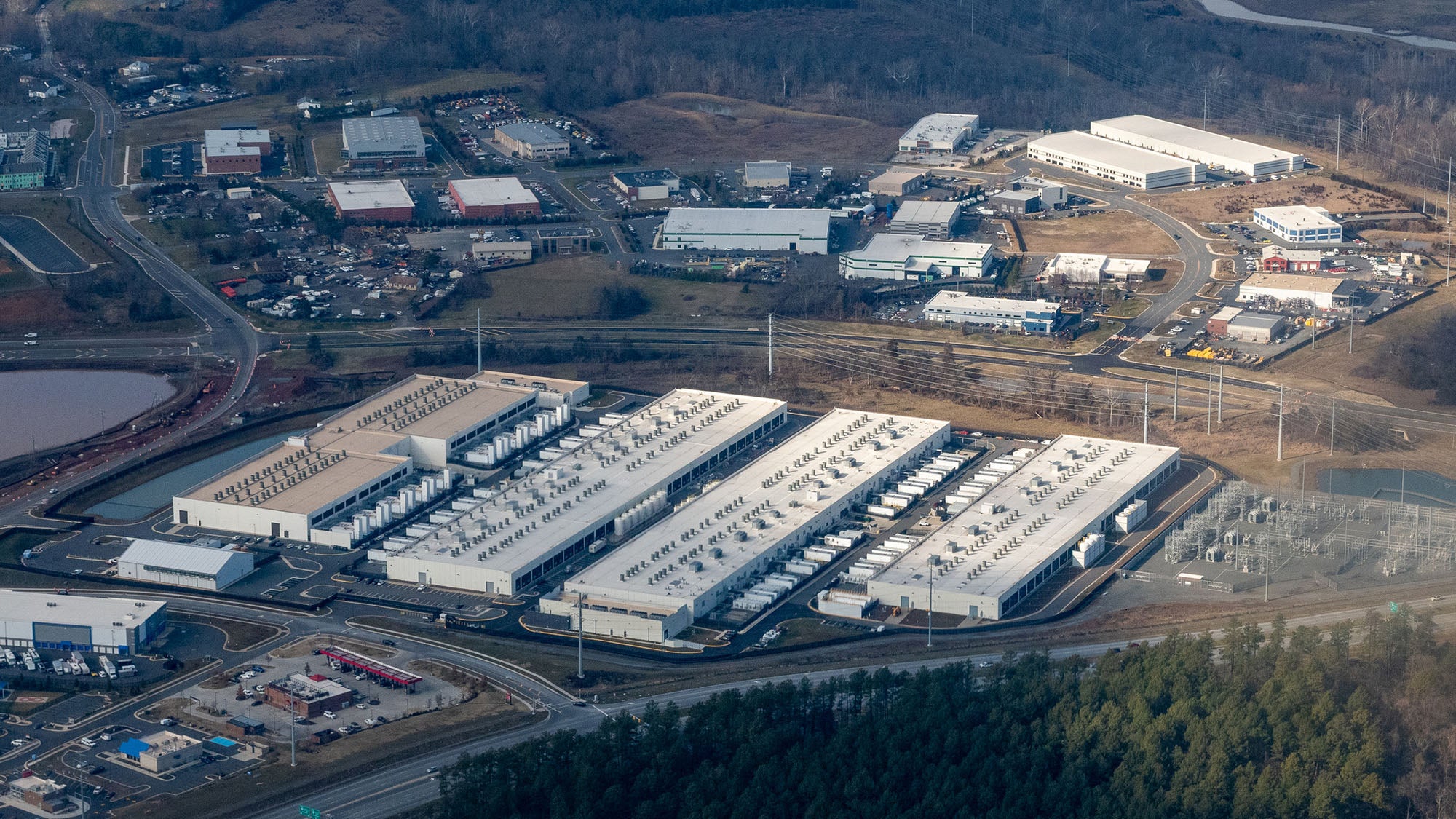
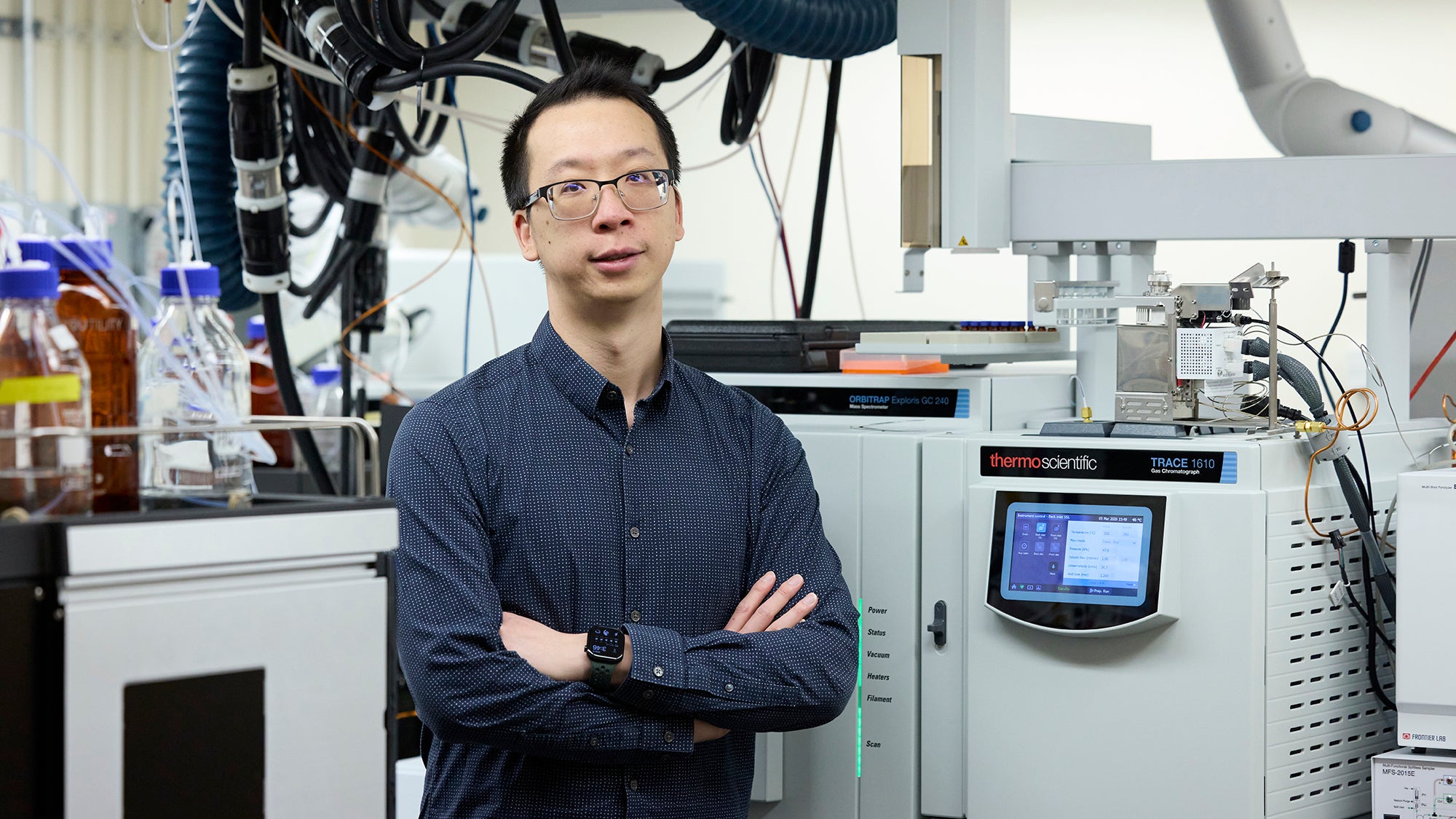
Amid their quest to expand artificial intelligence and cloud computing, tech companies are building hundreds of huge data centers across the U.S., along with gas-fired power plants to keep them running. According to Harvard T.H. Chan School of Public Health’s Gianluca Guidi, these plants could result in hundreds of millions of tons of climate-damaging emissions in the years to come.
Some estimates suggest that, because of these data center projects, the tech industry could become one of the world’s biggest emitters of greenhouse gases, according to a Nov. 2 Washington Post article. Guidi, a postdoctoral research fellow in biostatistics, conducted an analysis for the Post on how much emissions would increase from these projects based on air permits, corporate disclosures, community presentations, and other materials. “AI may feel completely digital, immaterial, but its infrastructure is very physical. It needs land, power plants, transmission, water and fuel, and these choices can last for decades,” he said.
Among findings listed in the article:
- Two gas projects planned by Amazon, which would power planned data centers in Texas and Pennsylvania, would produce more carbon pollution than the dirtiest coal plant in the country, located in Alabama—and would be equivalent to a 28.5% increase over Amazon’s current greenhouse-gas footprint.
- Emissions from gas plants at a nearly six-square-mile data center in rural Louisiana, being built by Meta, would create more carbon emissions than all the emissions currently generated by the entire Meta corporation. The data center would consume as much electricity as three cities the size of New Orleans.
- A Microsoft project in West Texas and a Google project in Wyoming, both involving gas plants, would consume five times as much electricity as every household in the latter state, and would vastly expand emissions. And an OpenAI data center in Pike County, Ohio, would emit more carbon pollution than the Microsoft and Google projects combined.
Guidi noted that, once built, these gas plants are likely to keep running for at least a generation, even if the AI boom fades. “Decisions being made for today’s data-center boom can shape emissions long after today’s generation of AI hardware is obsolete,” he said.
Read the Washington Post article:
The tech industry is investing in mega gas plants to power their data centers
Learn more
Predicting data centers’ energy and health impacts (Harvard Chan School news)
Analyzing air pollution health, economic risks from AI data centers (Harvard Chan School news)