Hyperscale data centers’ energy consumption, carbon emissions newly estimated by researchers
New research reveals the electricity consumption and carbon emissions behind America’s hyperscale data centers rivals that of some U.S. states
For immediate release: November 16, 2026
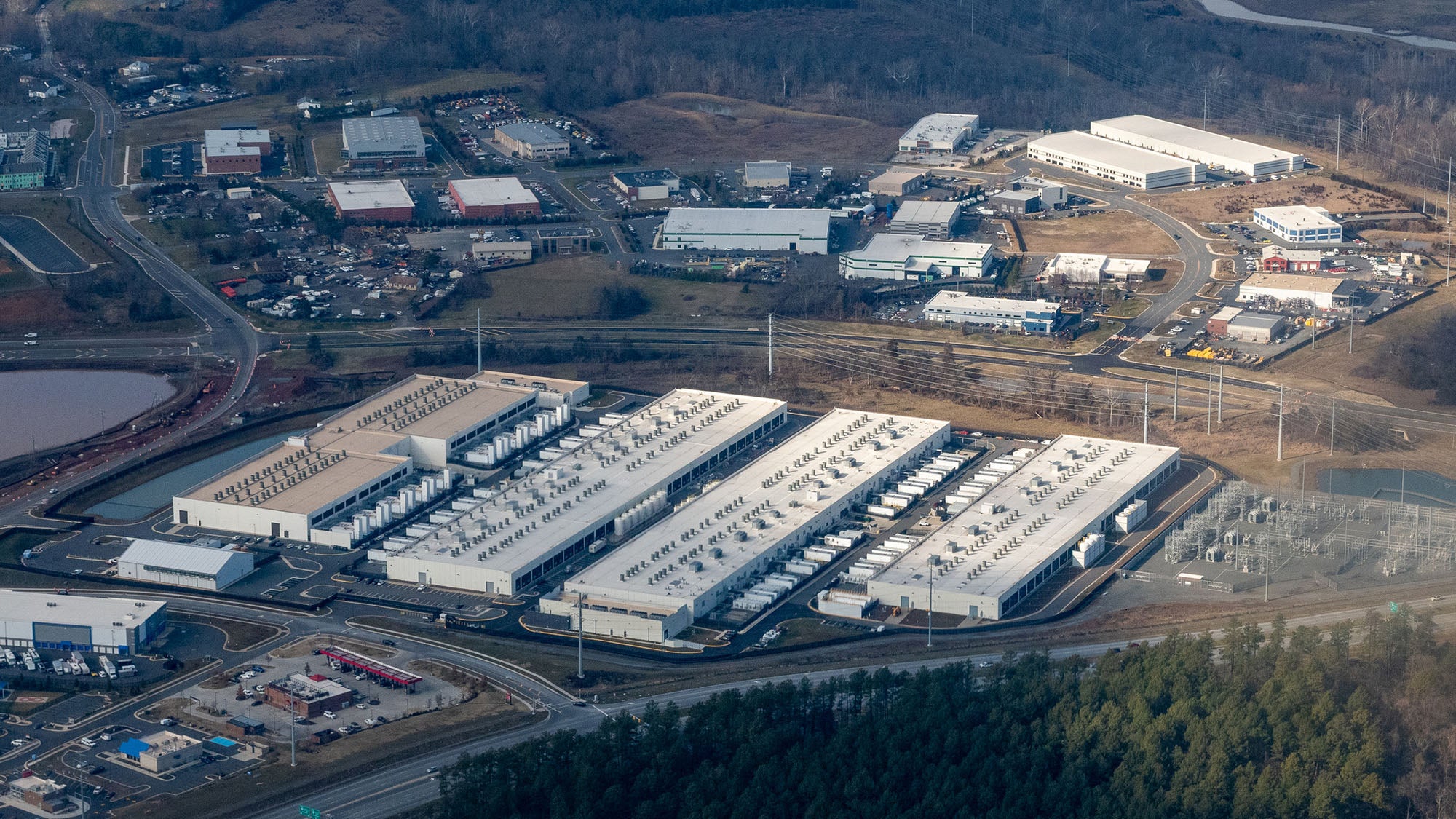
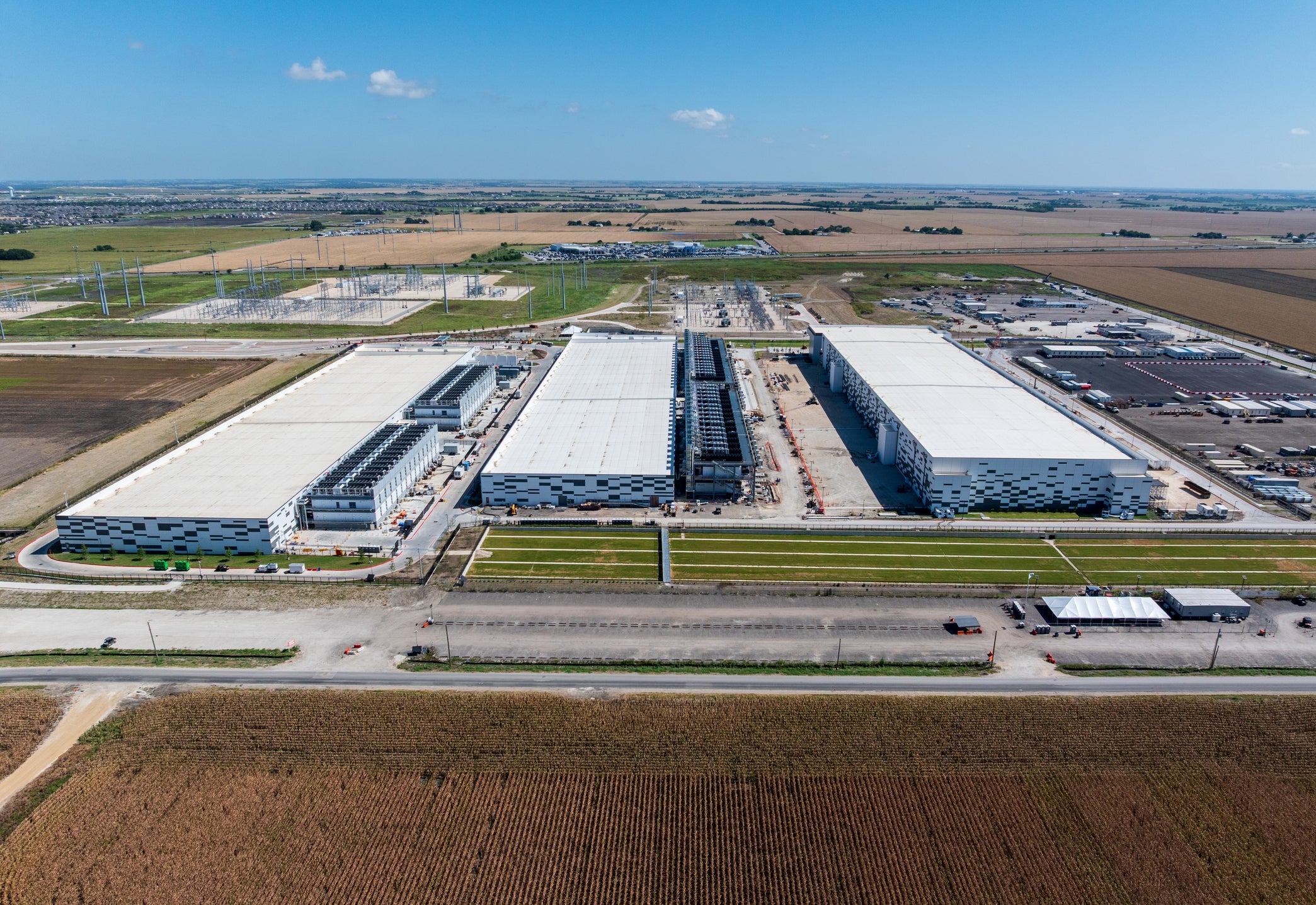
Boston, MA—Over the course of a year, hyperscale data centers (HDCs)—the largest and most powerful class of data centers, supporting services such as cloud computing, large language model training, and global deployment of artificial intelligence (AI) tools—are powered mostly by fossil fuels and use as much electricity as entire U.S. states, according to a new study led by Harvard T.H. Chan School of Public Health and the Harvard Data Science Initiative. The study provides one of the first facility-level estimates of HDCs’ electricity use and carbon dioxide (CO2) emissions since the rise of AI.
The study was published Nov. 16 in Nature Sustainability.
“Data centers are growing incredibly fast, driven largely by AI, and decisions about where to build them and how to power them are being made right now. But there’s very little facility-level information about their environmental footprint,” said lead author Gianluca Guidi, postdoctoral fellow in the Department of Biostatistics. “Our study helps fill that gap.”
“Our goal is to give the public, policymakers, investors, and developers a much more concrete, up-to-date picture than was available before,” added corresponding author Francesca Dominici, Clarence James Gamble Professor of Biostatistics, Population, and Data Science and director of the Harvard Data Science Initiative. “Decisions about where data centers go and how they’re powered are critical environmental and public health decisions, and they should be made with good data.”
While data centers are known to require significant electricity to run, few studies have examined this topic facility by facility, estimating not just how much electricity each HDC uses, but what fuels generated this electricity. For this study, the researchers used satellite imagery to build a list of 403 HDCs across the U.S. and estimated annual electricity consumption for each facility between May 2024 and April 2025 under a range of operating scenarios. They then used Environmental Protection Agency data to attribute carbon emissions to each HDC based on the mix of power plants in its regional grid.
The study found that these HDCs, depending on how hard they were running, together used between 68 and 99 terawatt-hours of electricity—with the upper estimate approaching the amount some states, such as Indiana, Michigan, and Tennessee, use in a year. During the study period, HDC electricity demand corresponded to approximately 1.8% of total U.S. electricity consumption, and was associated with about 25.7 million metric tons of CO2—an amount two to three times higher than an earlier estimate for 2018.
Today, electricity demand and carbon emissions are likely much higher than they were during the study period, the researchers say.
“What we’re seeing is already striking, but it’s only a snapshot of a rapidly expanding industry,” Guidi said. “The data center boom hasn’t slowed down since our study period ended in April 2025. New facilities have been built, existing campuses have expanded, and demand for AI computing continues to grow. That means the electricity use and carbon footprint we’re reporting could already be substantially larger now in 2026.”
The study also found that roughly 54% of the electricity powering the HDCs was generated by fossil fuels—mainly natural gas (38%) and coal (15%)—and about a quarter of the electricity was in grid regions dirtier than average. The researchers noted substantial regional differences, with some HDCs relying much more heavily on carbon-intensive electricity than others. Many of the facilities were concentrated in geographic areas where electricity is generated heavily by coal-fired power plants.
The researchers also noted that just four states—Virginia, Oregon, Ohio, and Iowa—accounted for more than half of the electricity use studied.
The study had limitations, including that there wasn’t enough available data to study all HDCs in the U.S., and that the data did not allow them to differentiate between power used for general-purpose versus AI-specialized operations at each HDC.
The researchers also noted that the study didn’t directly measure the health effects associated with HDCs, but that is a subject they plan to pursue in future research.
“Quantifying health impacts is an important next step,” said Dominici. “First, carbon dioxide drives climate change, which affects health through heat waves, wildfire smoke, flooding, and other pathways. Second, the fossil fuel power plants in the regional electricity systems associated with this demand also release other pollutants, such as fine particulate matter, nitrogen oxides, and sulfur dioxide, that are directly linked to heart and lung disease and premature death. So when data centers draw heavily on fossil fuel power, the people living near and downwind of those power plants may bear health costs, even if they’re far from the data center itself.”
Article information
“Assessing the Carbon Emissions and Energy Consumption of US Hyperscale Data Centers,” Gianluca Guidi, Francesca Dominici, Tiziano Squartini, Callaway Sprinkle, Jonathan Gilmour, Kevin Butler, Eric Bell, Scott Delaney, Falco J. Bargagli-Stoffi, Nature Sustainability, November 16, 2026, doi: 10.1038/s41893-026-01985-7
The study was supported by the National Institute of Environmental Health Sciences–Harvard Center Pilot Project (P30ES000002), the National Institute on Aging (R01AG066793), and the National Institute of Environmental Health Sciences (R01ES034373).
Visit the Harvard Chan School website for the latest news and events from our Studio.
For more information:
Maya Brownstein
mbrownstein@hsph.harvard.edu
###
Harvard T.H. Chan School of Public Health is a community of innovative scientists, practitioners, educators, and students dedicated to improving health and advancing equity so all people can thrive. We research the many factors influencing health and collaborate widely to translate those insights into policies, programs, and practices that prevent disease and promote well-being for people around the world. We also educate thousands of public health leaders a year through our degree programs, postdoctoral training, fellowships, and continuing education courses. Founded in 1913 as America’s first professional training program in public health, the School continues to have an extraordinary impact in fields ranging from infectious disease to environmental justice to health systems and beyond.