Addressing obesity and type 2 diabetes mellitus in Middle East and North Africa
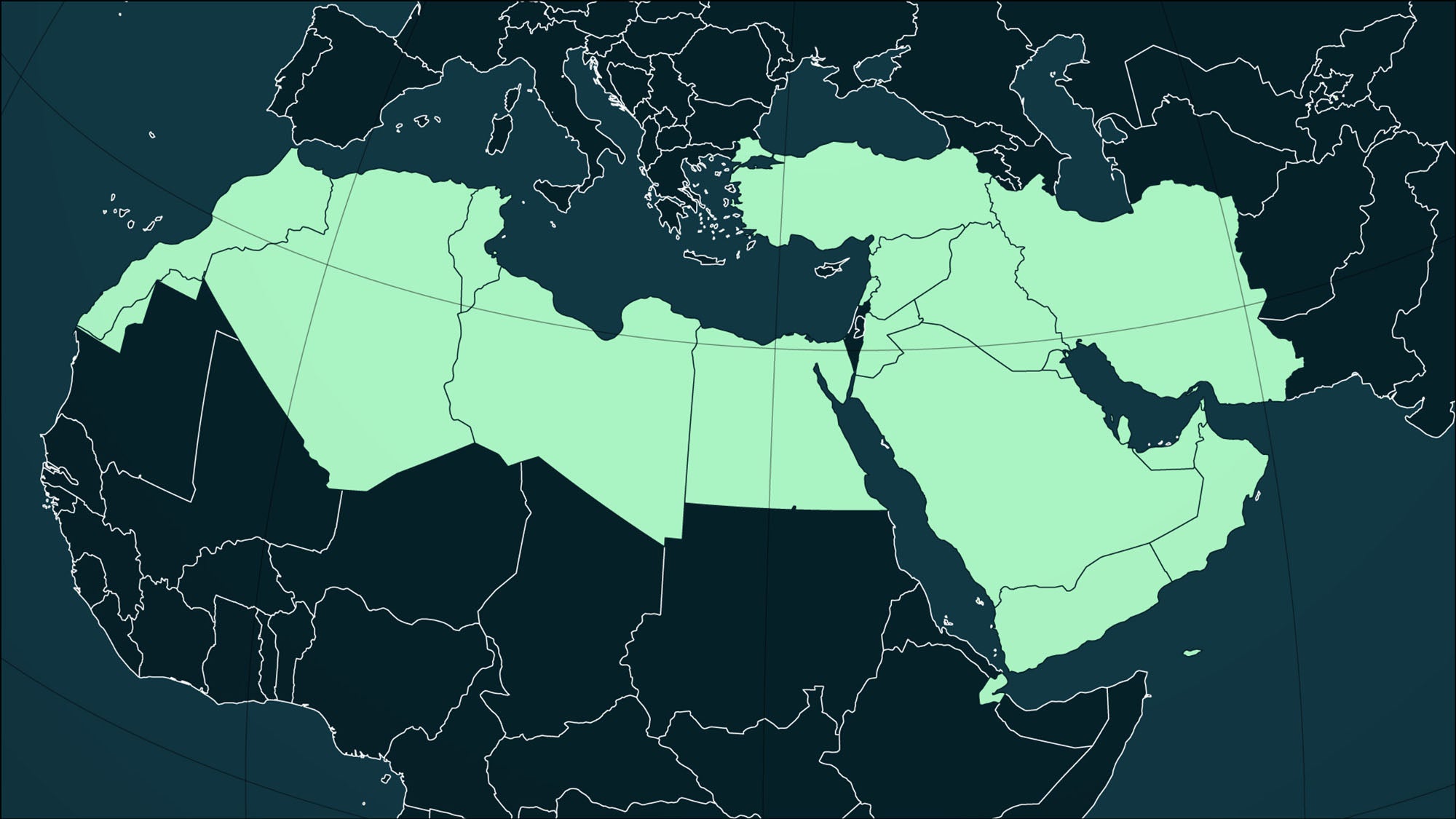
People in the Middle East and North Africa region are experiencing a disproportionately high burden of obesity and type 2 diabetes mellitus (T2DM), according to a new review article by researchers from Harvard T.H. Chan School of Public Health. Published Sept. 18 in Nature Reviews Endocrinology, the study highlights key gaps in research and policy and calls for coordinated regional action to address obesity and T2DM.
While countries in the region share common drivers of obesity and T2DM such as urbanization and sedentary lifestyles, risk varies across the region, according to the study. For example, high-income countries in the Gulf region have some of the highest prevalences of obesity and T2DM globally, whereas countries in North Africa are experiencing some of the fastest increases in prevalence of these diseases.
Authors Hala AlEssa, Vasanti Malik, and Frank Hu call for more research into understanding disease progression and risk factors in the region, along with stronger regional collaboration and culturally tailored interventions.
Read the Nature Reviews Endocrinology study: Nutrition transitions, obesity and T2DM in the Middle East and North Africa