John B. Little Center for Radiation Sciences
The JBL Center supports cutting edge biological, physical, and population-based epidemiological research to understand, interpret, and estimate the health effects of radiation to pave the way for effective preventive and therapeutic strategies.
665 Huntington Ave, |
Boston, MA 02115
JBL Symposium XXIX – 2026
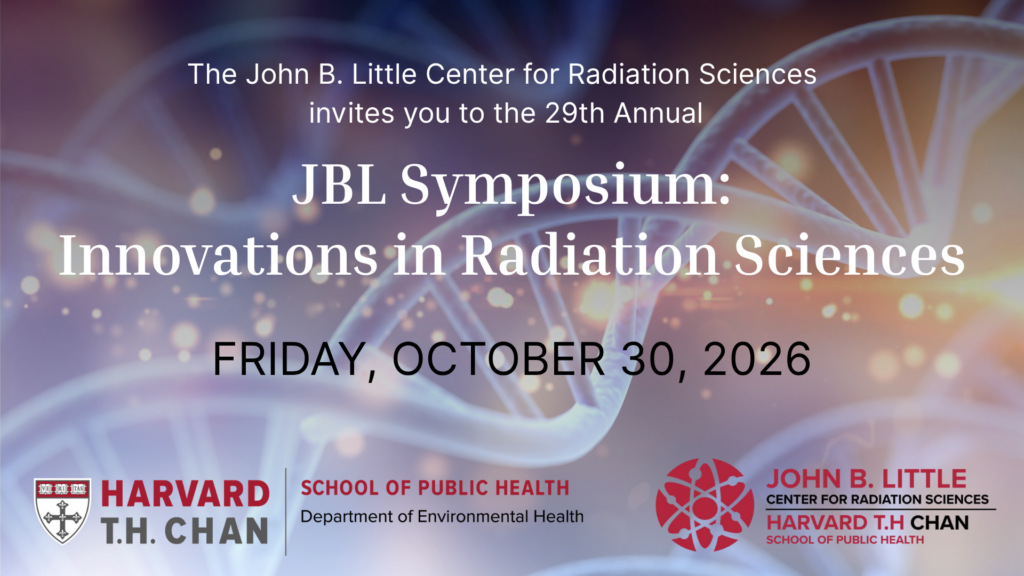
“Innovations in Radiation Sciences“
Friday, October 30, 2026, 1PM-5PM in Kresge Auditorium at the Harvard T.H. Chan School of Public Health with poster session and reception immediately following.
The JBL Center for Radiation Sciences is pleased to host this year’s JBL Symposium at Harvard TH Chan School of Public Health.
The title of this year’s Symposium is “Innovations in Radiation Sciences,” and will be held in the afternoon on Friday, October 30th, 2026, at the Harvard T.H. Chan School of Public Health in Boston, Massachusetts.
This annual event, initiated by the late Dr. Jack Little and held at the Harvard School of Public Health for 29 years, seeks to foster the dissemination of information and interaction between scientists working in fields related to radiation sciences.
Program
1:00–1:10pm: Welcome & Overview of “Innovations in Radiation Sciences”
- Zachary Nagel & Kristopher Sarosiek
Hosts of the John B. Little Symposium
1:10–1:20pm: Speaker and Topic Introduction
- Jan Schuemann, MD
Head of the Multi-scale Monte-Carlo Modeling Lab
Department of Radiation Oncology
Massachusetts General Hospital, Harvard Medical School
1:20–2:05pm: Spooky Action at a Distance: Unexpected Effects of Radiotherapy
- Ralph Weichselbaum, MD
Ludwig Distinguished Service Professor of Radiation and Cellular Oncology and Chair of the Department of Radiation and Cellular Oncology at the University of Chicago / UChicago Medicine
2:05–2:15pm: Speaker and Topic Introduction
- Henning Willers, MD
Director, Translational Radiation Research
Mass General Brigham Cancer Institute, Harvard Medical School
2:15–3:00pm: Understanding and Exploiting DNA Repair Mechanisms in IDH-mutant Glioma
- Diana Shi, MD
Assistant Professor of Radiation Oncology, Mass General Brigham Cancer Institute, Harvard Medical School
3:00–3:25pm: Coffee Break and Poster Setup
3:25–3:35pm: Speaker and Topic Introduction
- Helen Shih, MD, PhD
Vice Chair of New Technologies & Proton Therapy
Mass General Brigham, Harvard Medical School
3:35-3:50pm: A Patient’s Perspective
3:50–4:00pm: Speaker and Topic Introduction
- David Kozono, MD, PhD
Program Director, Thoracic Radiation Oncology
Mass General Brigham Cancer Institute, Harvard Medical School
4:00–4:45pm: The Senescent Microenvironment After Radiation: From Normal Tissue Injury to Tumor Regrowth
- Deborah E. Citrin, MD
Scientific Director for Clinical Research, National Cancer Institute (NCI) Center for Cancer Research (CCR); Senior Investigator, Radiation Oncology Branch
4:45-4:55 Summary of “Innovations in Radiation Sciences”
- Hosts of the John B. Little Symposium
4:50–5:00pm: Closing
- Hosts of the John B. Little Symposium
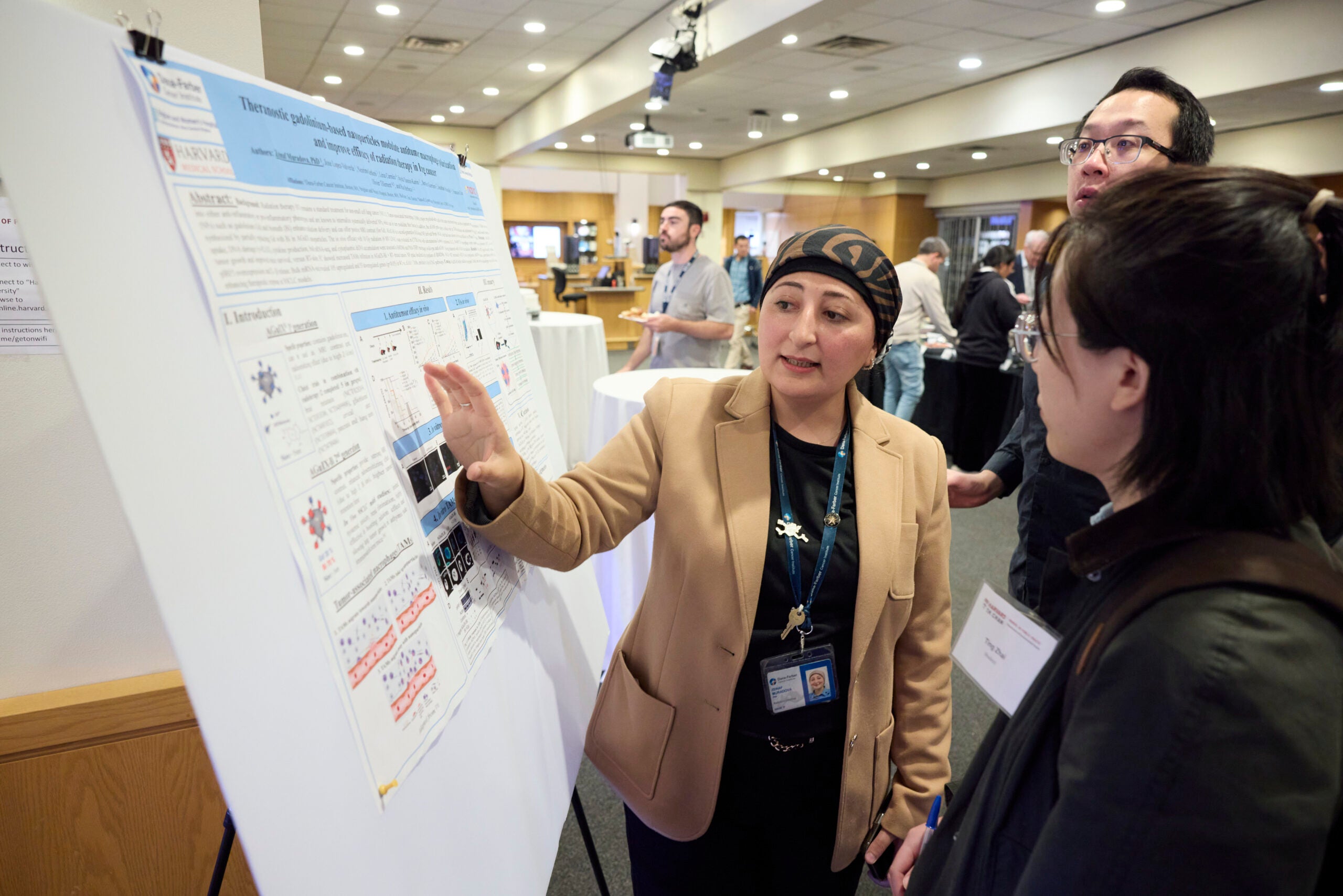
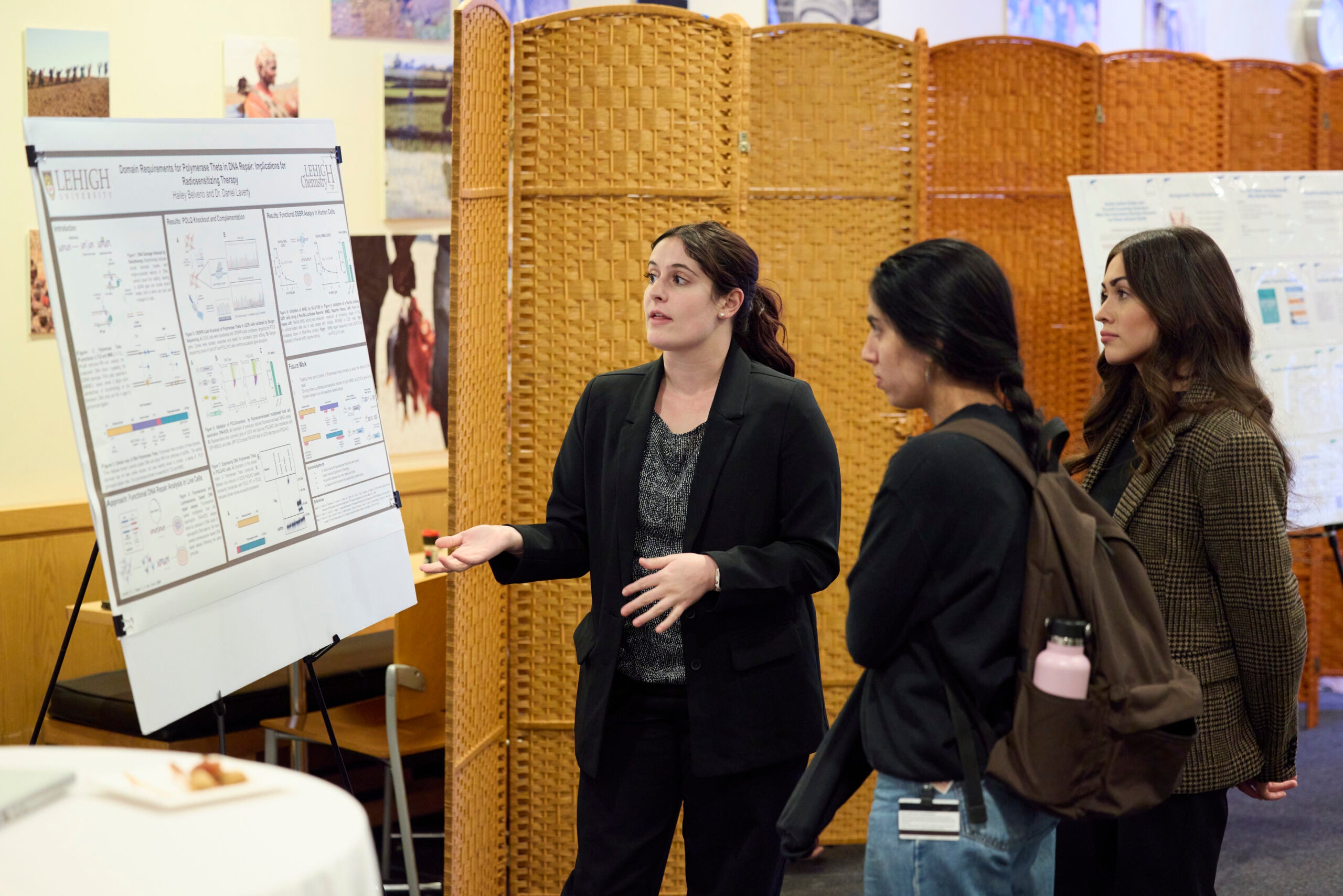
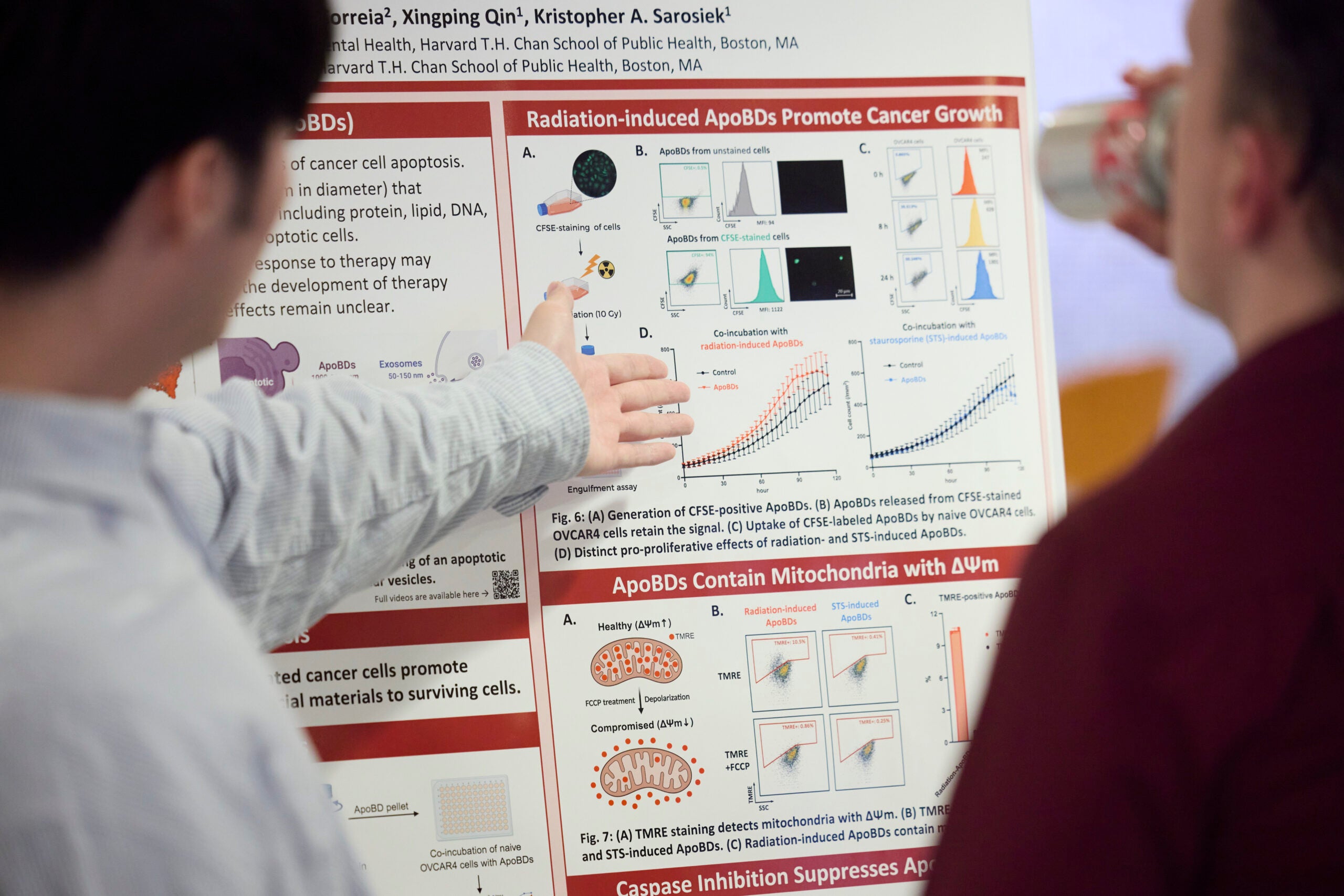
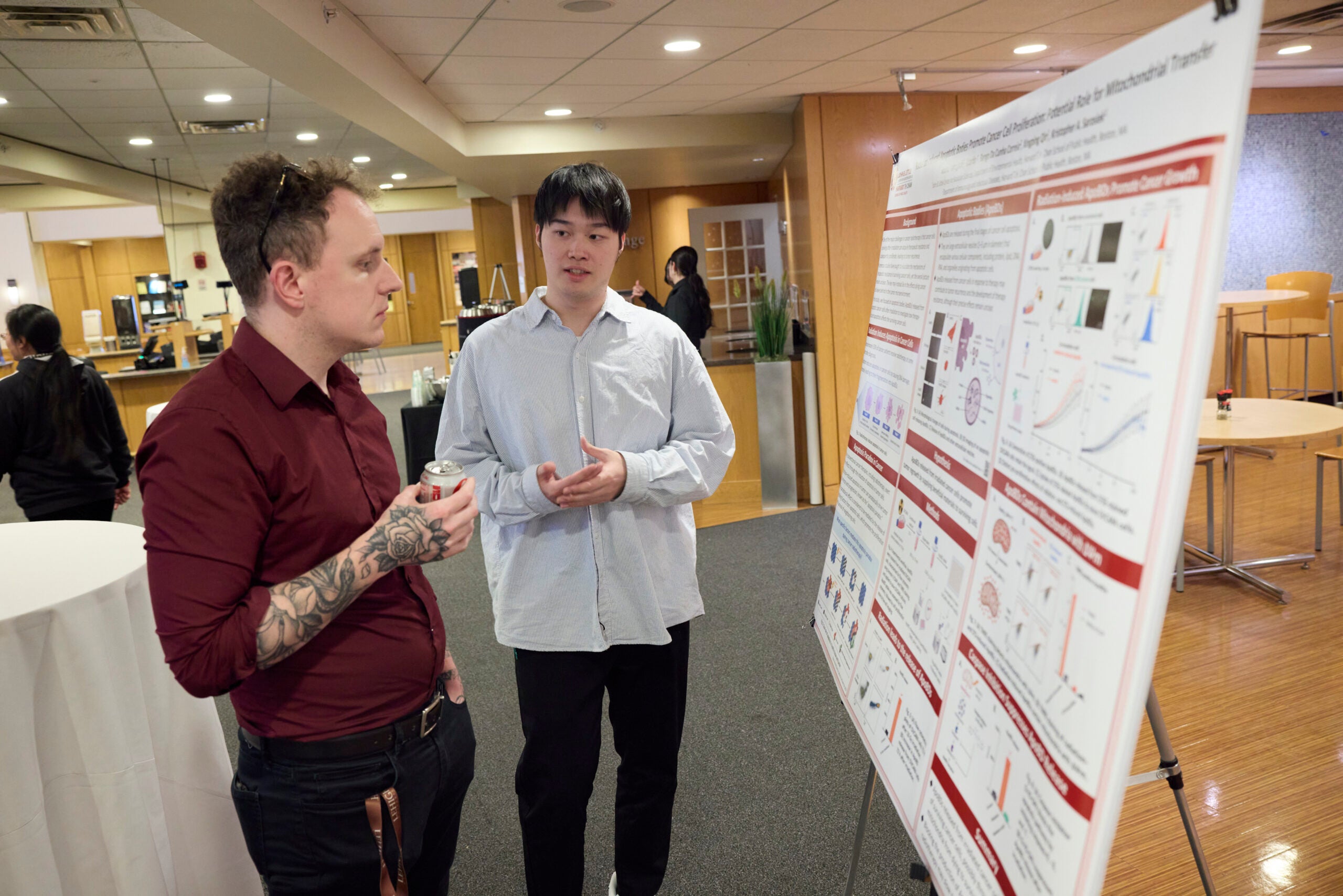
5:00–6:00pm: Reception & Poster Session
Poster Session
2026 Posters and Authors
“Proximity to Radiation Therapy Centers by Neighborhood Socioeconomic Trajectory”
- Colin McNamara, Dartmouth Geisel School of Medicine
“B cell depletion enhances antitumor immunity and improves therapeutic response in Group 3 medulloblastoma” by
- Taylor Uccello, Massachusetts General Hospital
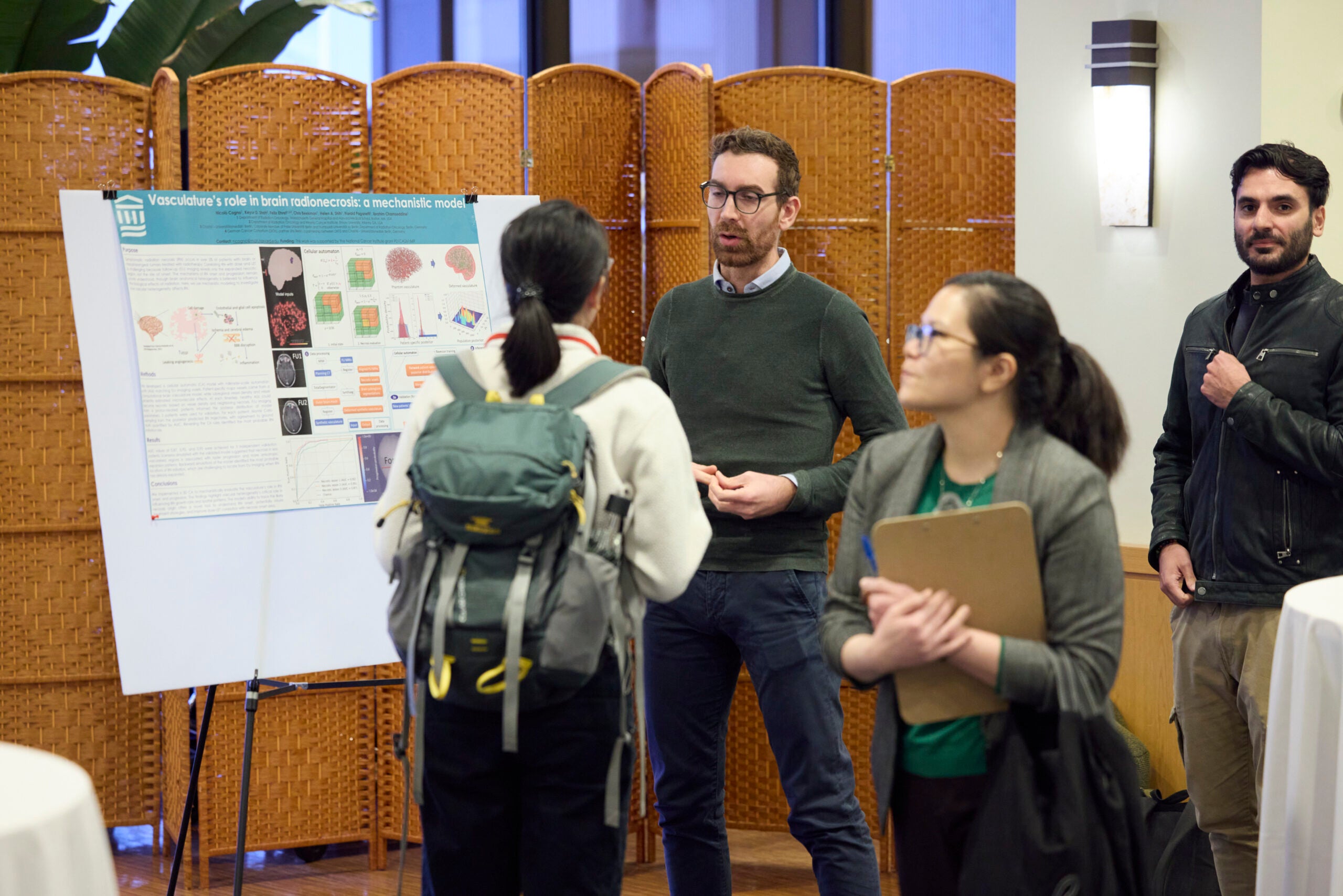
“Inferring radiation necrosis initiation sites reveals association with high LET in proton therapy” by
- Nicolo Cogno, Massachusetts General Hospital
“Treatment-Specific Apoptotic Body Proteomes Drive Tumor Growth and Macrophage IL-6 Production in Triple-Negative Breast Cancer” by
- Atomu Yamaguchi, Harvard T.H. Chan School of Public Health
“Circulating Tumor Cell Profiling Highlights Heme Metabolism in Radium-223 Nonresponders with Metastatic Castration-Resistant Prostate Cancer”
- Buse Cevatemre Yildirim, Koc University
“AI as a Safety Net: Clinical and Dosimetric Impact of Intercepting Undetected Brain Metastases in SRS/SRT”
- Marvin Kinz, Brigham and Women’s Hospital
“GLIO-1 is a selective DHODH inhibitor that is effective in IDH-mutant gliomas and KDM6-mutated cancers”
- Alexander Tsai, Massachusetts General Hospital
“Proton FLASH-Arc Therapy: A novel approach for faster, more effective cancer treatment”
- Bethany Rothwell, Massachusetts General Hospital
“From Innovation to Clinic: A Four-Domain Framework for AI Oversight in Radiotherapy”
- Minjae Kim, Harvard T.H. Chan School of Public Health
About the Speakers
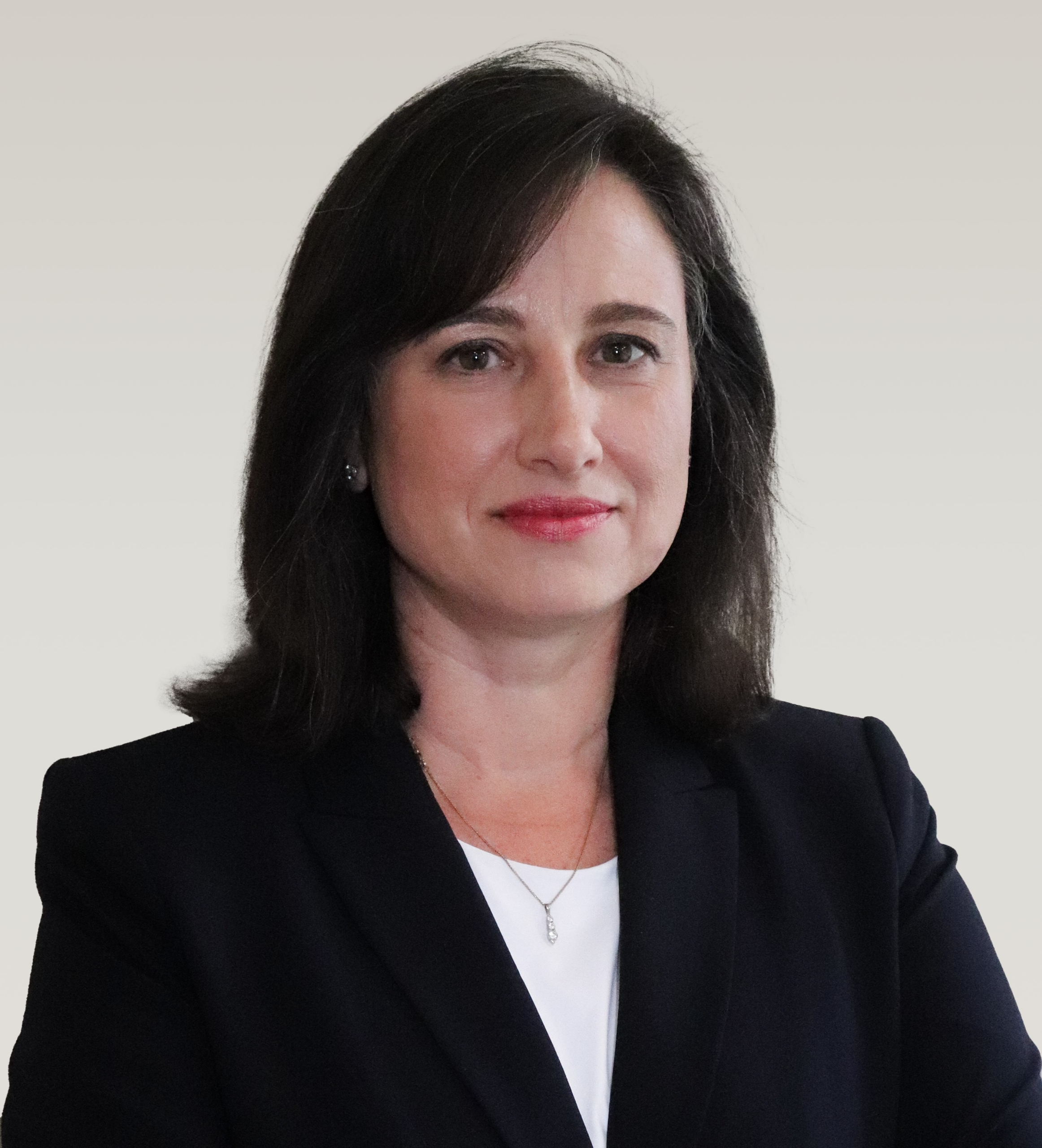
Dr. Deborah Citrin is a Senior Investigator in the Radiation Oncology Branch of the National Cancer Institute and Scientific Director for Clinical Research in NCI’s Center for Cancer Research. She is a physician-scientist whose laboratory and clinical research are focused on improving the therapeutic index of radiation therapy.
Her laboratory has made important contributions to our understanding of radiation-induced cellular senescence and late normal-tissue injury, particularly the interactions among senescent cells, inflammation, macrophages, and fibrosis. Her work has also explored how therapy-induced senescence can alter the tissue microenvironment in ways that promote tumor growth, connecting mechanisms of late radiation toxicity with mechanisms of cancer recurrence.
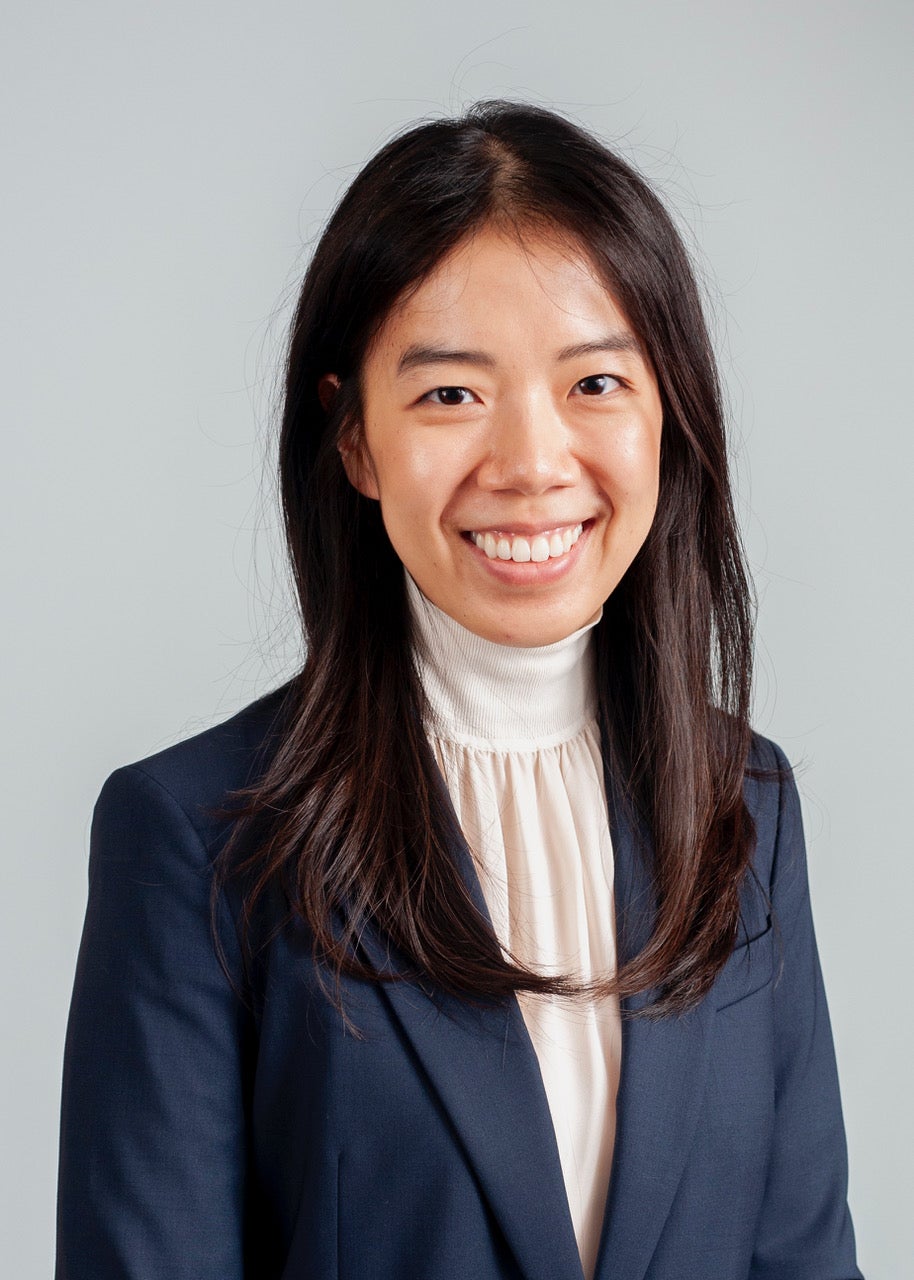
Diana Shi, MD, is a radiation oncologist and physician-scientist at Mass General Brigham at Harvard Medical School specializing in tumors of the central nervous system. She is an Assistant Professor in the Krantz Family Center for Cancer Research and the Department of Radiation Oncology. The Shi laboratory uses genetic mouse modeling, patient-derived samples, and mechanistic functional studies to understand the biology of glioma tumors with mutations in isocitrate dehydrogenase (IDH). Areas of active investigation include: (1) Identifying and functionally assessing mutant IDH inhibitor response and resistance in glioma, (2) Understanding the interaction between mutant IDH inhibition and radiation, and (3) Identifying how epigenetic alterations affect response to therapeutic stress more broadly.
Dr. Shi’s work has led to NCI funding to support a clinical trial testing DHODH inhibition in IDH-mutant glioma patients. She has also been funded by an NIH Early Independence Award (DP5), an NIH K08 award, a Burroughs Wellcome Career Award for Medical Scientists, a Lubin Family Foundation Scholarship, an ASCO Young Investigator Award, and an ASTRO seed grant among others.
Location Info
The JBL Symposium is being held in the Snyder Auditorium, which is located within the Kresge Building at Harvard TH Chan School of Public Health. You can enter Harvard Chan School of Public Health either from Huntington Avenue (entrance in the FXB Building at 655 Huntington Ave., Boston MA 02115) or from the Harvard Medical School Quad (entrance in the Kresge Building, facing the back of Countway Library). Please see the map below.
Once you enter the building, please follow the signs for the JBL Symposium and the Snyder Auditorium.

2025 Highlights
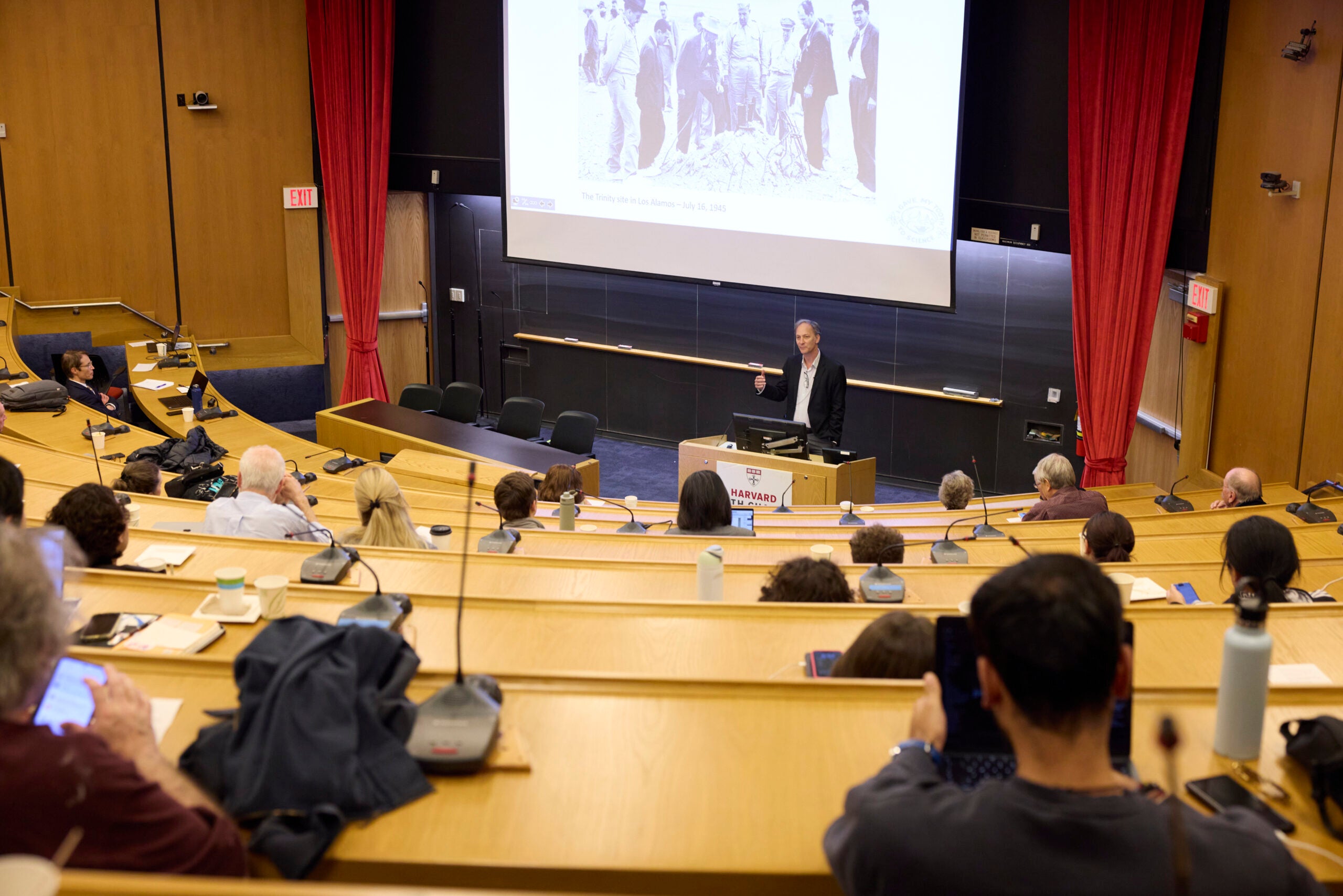
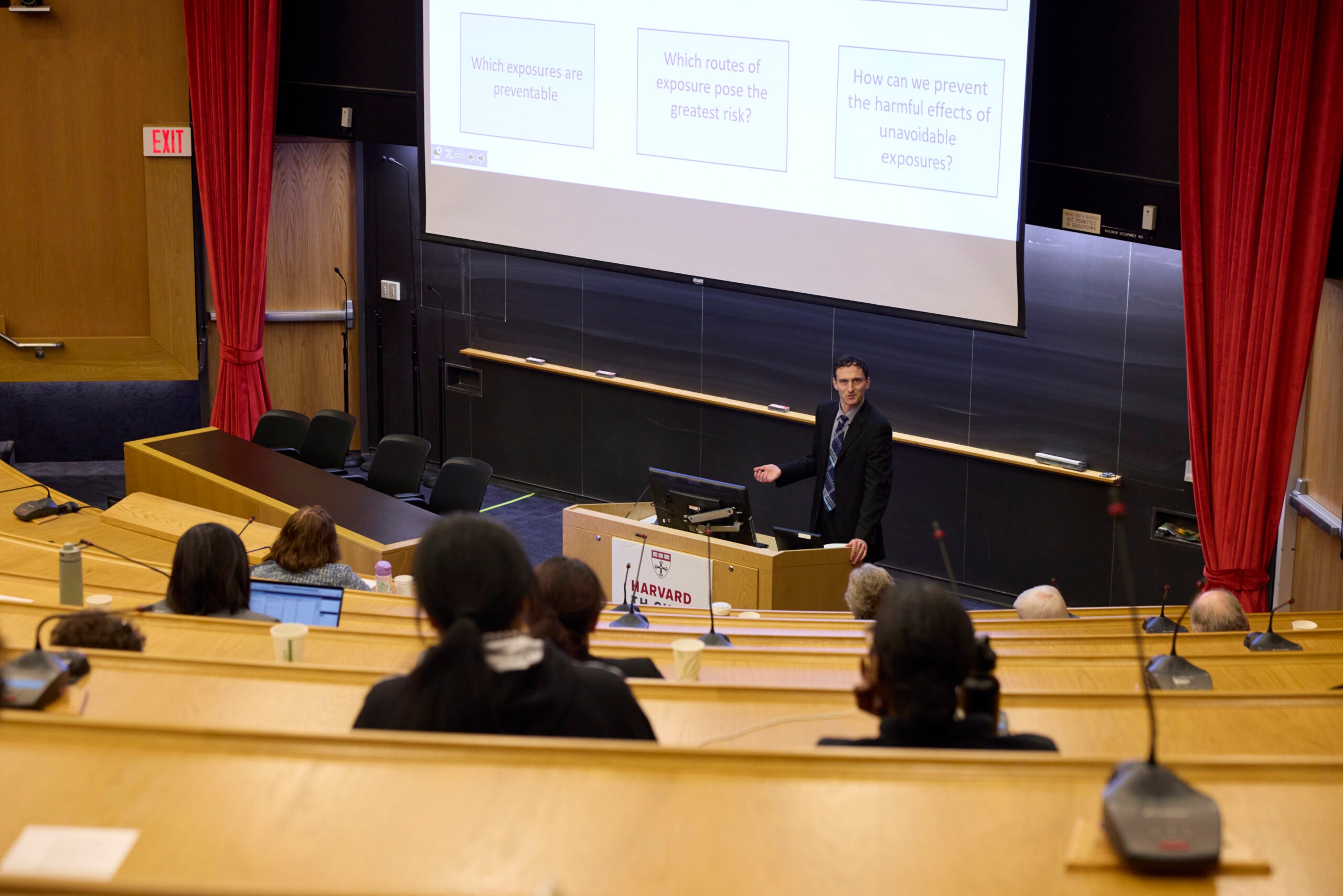
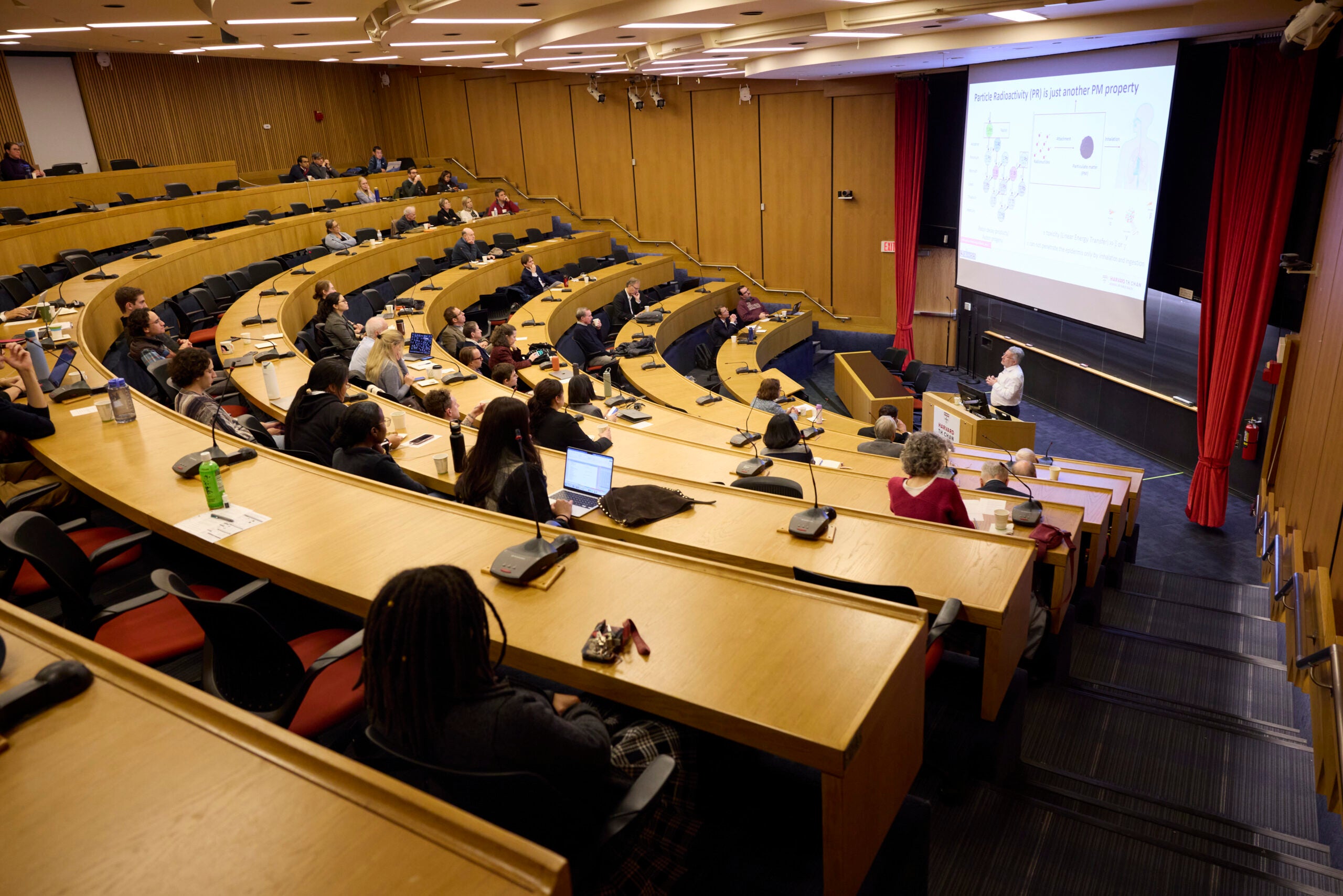
The 2025 JBL Symposium focused on the theme of, “The Spectrum of Exposure: Radiation from Routine to Rare Events.”