
Mortality Displacement: Sixty Years of Debate and Consequences
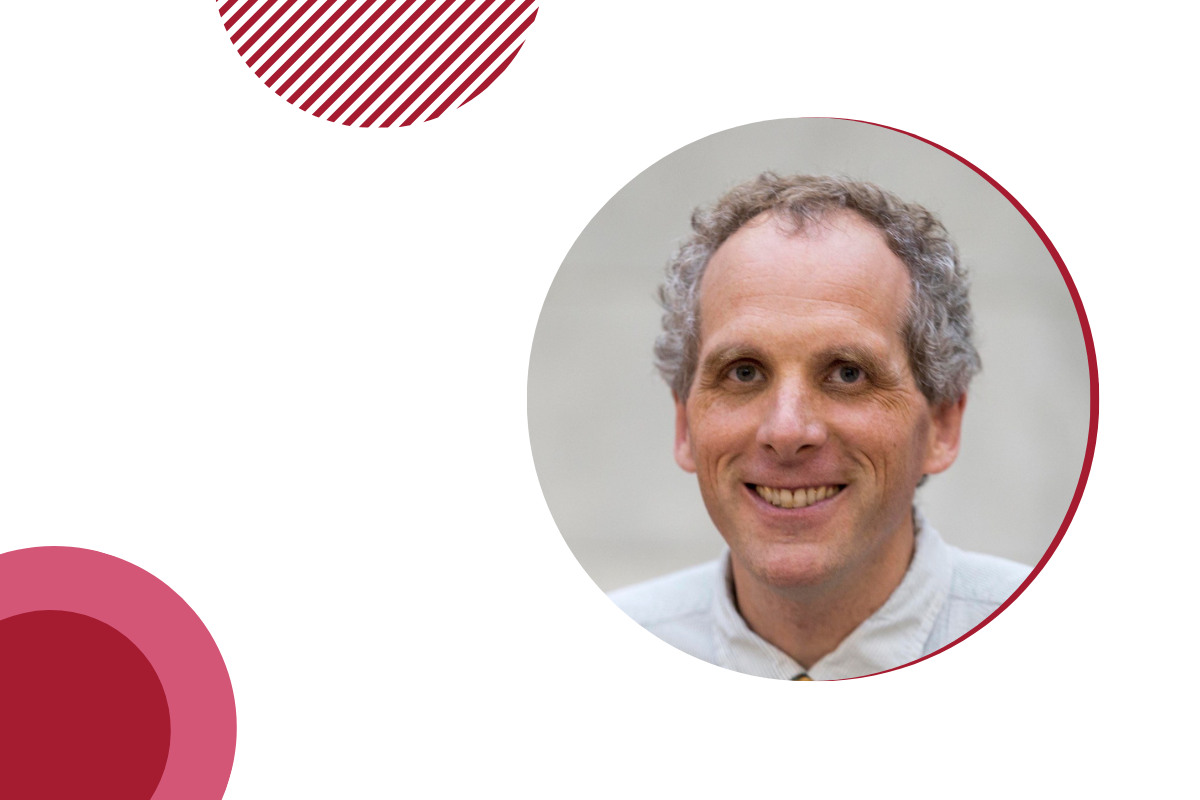
Join us on Wednesday, September 9th for the Department of Epidemiology seminar series featuring Dr. David Jones.
Abstract: As scrutiny of air pollution epidemiology increased in the 1960s, researchers wondered whether pollution crises mostly killed people with preexisting cardiac or respiratory disease who would have died soon anyway. This idea, named “mortality displacement,” “harvesting,” or “anticipation” gained increasing attention in the 1990s and 2000s, with studies of air pollution, heat waves, and climate change, and again in the 2020s with COVID. Pinning down whether the phenomenon is real or not has proved surprisingly difficult: many contradictory findings have been published. The most careful analyses (many done at HSPH) have discounted the phenomenon. Yet the concept endures in both academic writing and public discourse. This talk will explore the history of mortality displacement in an attempt to understand why the debates persist and what consequences the debates—and the concept itself—might have for public policy.
Bio: Trained in psychiatry and history of science, David Jones teaches history of medicine, medical ethics, and social medicine at Harvard University. His research has ranged from the history of epidemics to heart disease, cardiac therapeutics, race, air pollution, and the health effects of the climate crisis.
Speaker Information
Organizers
Related Events
ⓘ Harvard Chan School hosts a diverse array of speakers, invited to share both scholarly research and personal perspectives. They do not speak for the School, and hosting them does not imply endorsement of their views, organizations, or employers.