Micro walks can have big health benefits, expert says

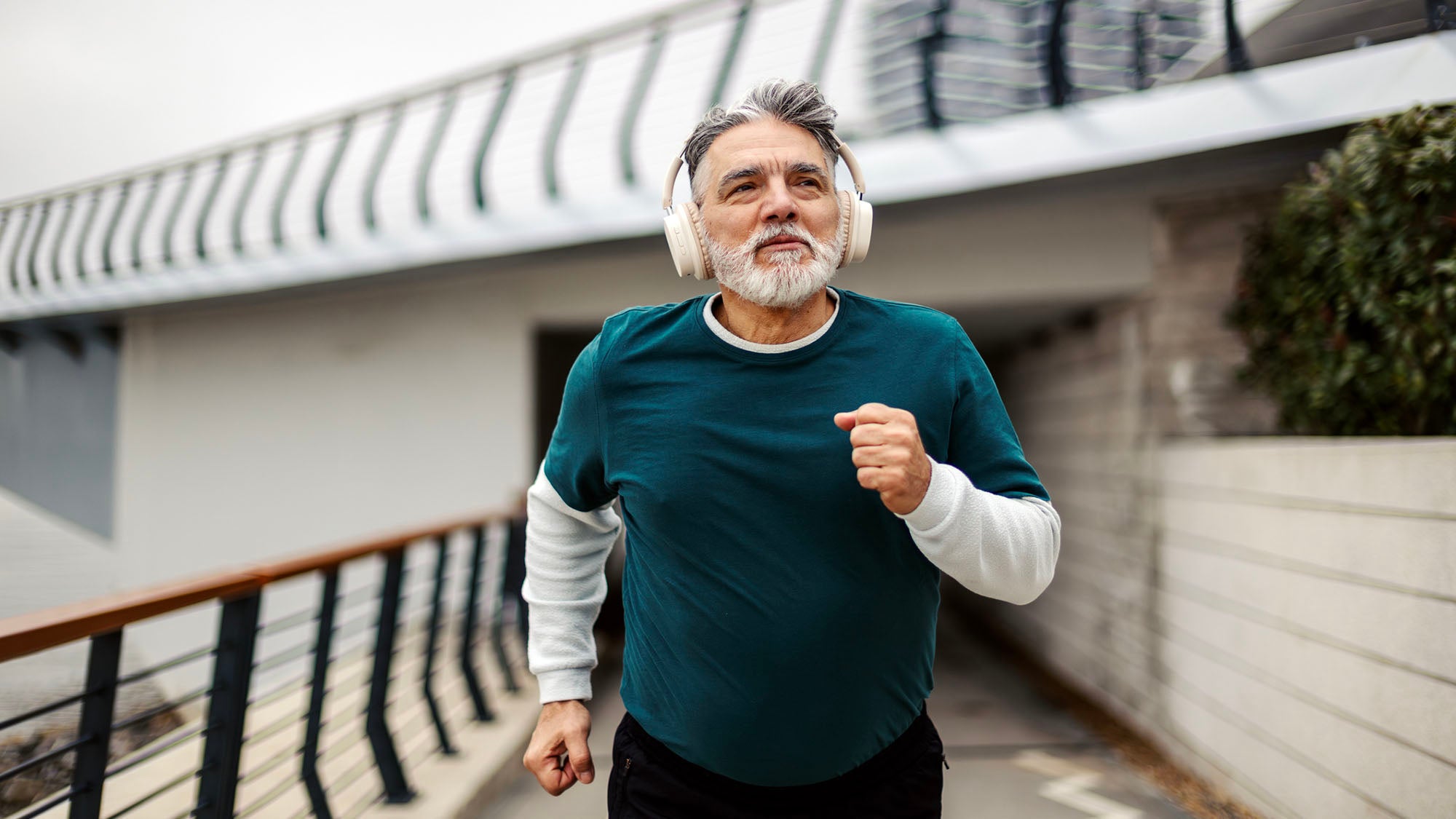
Regular exercise is a “wonder drug” that can lower chronic disease risk, support healthy weight, and improve mood and cognitive health—but intense workouts aren’t the only way to reap the benefits, according to I-Min Lee, professor in the Department of Epidemiology at Harvard T.H. Chan School of Public Health. In a May 15 Woman’s World article, she said that short bursts of walking over the course of the day can boost metabolism.
Research has shown that the body works hardest when it first starts moving, expending slightly more energy within the first 30 seconds of walking than in subsequent minutes. “A person walking for 30 seconds would get this extra boost, but so would a person walking four minutes—they both get the same boost for the first 30 seconds before it levels off,” Lee said.
Total energy expended is what matters most to health, Lee said, noting that multiple 30-second walks would expend more energy than a longer walk. However, she added, “I’m not sure how many people would say, ‘Yes, I prefer to go for sixty 30-second walks!’”
Still, she noted a major selling point of micro walks: They can help people make exercise part of their daily routine—for example, by parking farther away—rather than a chore that needs to be done.
Lee also co-authored a recent study that linked fitness in middle age with a year or two of longer, healthier living.
She called this increase a big deal in May 17 Washington Post article on the study. “These are additional years after age 65. The average life expectancy in the U.S. is 79 years. So, we live on average 14 years after age 65. Two added years on top of that sounds good to me,” she said.
Read the Woman’s World article: Your Micro-Walking Plan for Weight Loss: A Harvard Doctor Calls It a ‘Wonder Drug’
Read the Washington Post article: Midlife fitness linked to longer, healthier lives, study finds
Learn more
Daily steps, even if well under 10,000, can reduce risk of early death, says expert (Harvard Chan School news)