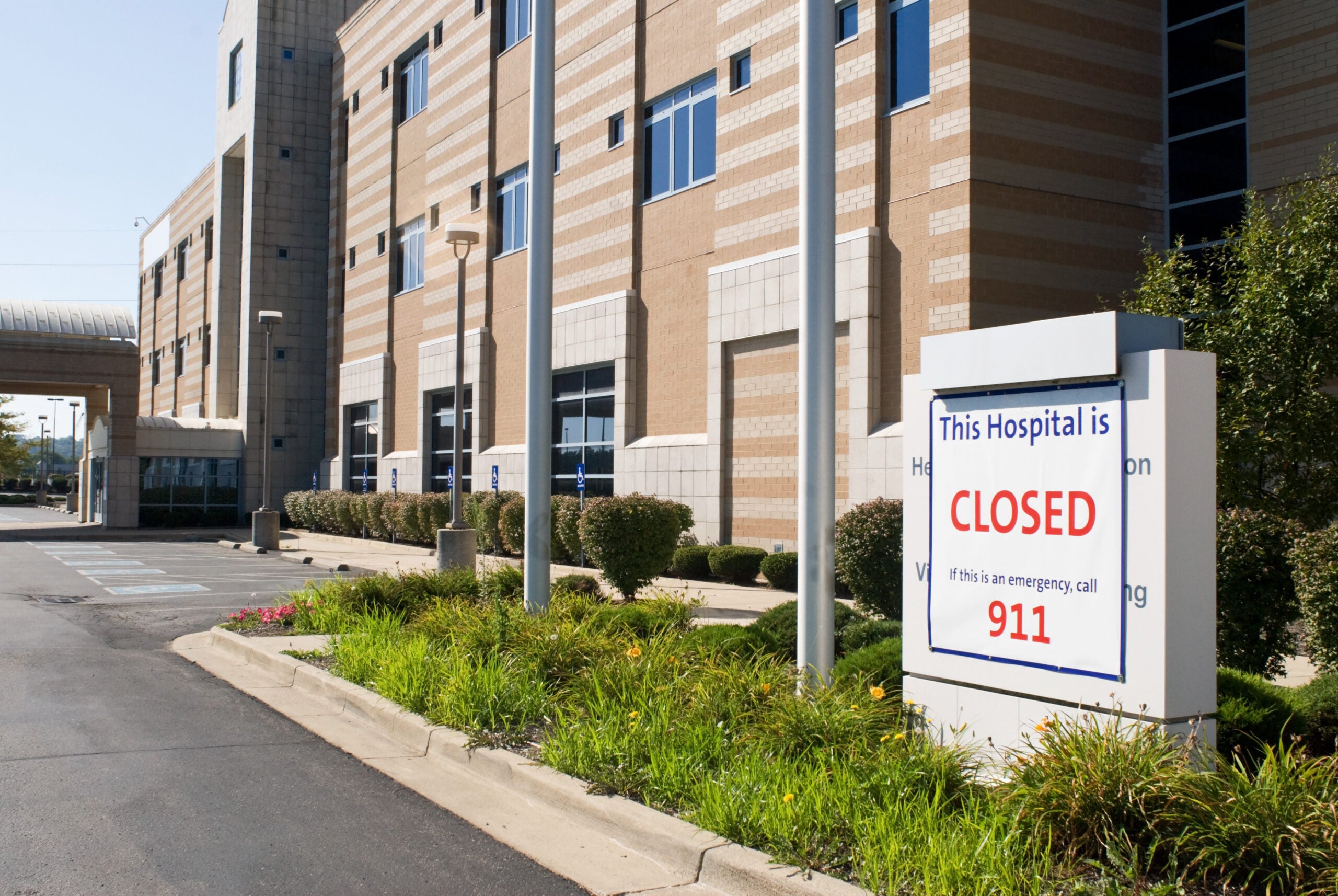
Millions of military personnel may rely on hospitals facing financial challenges
A significant portion of military personnel, veterans, and their families may be relying on health care from hospitals that are on shaky financial footing, largely due to recent cuts to Medicaid, according to a new analysis led by Harvard T.H. Chan School of Public Health.
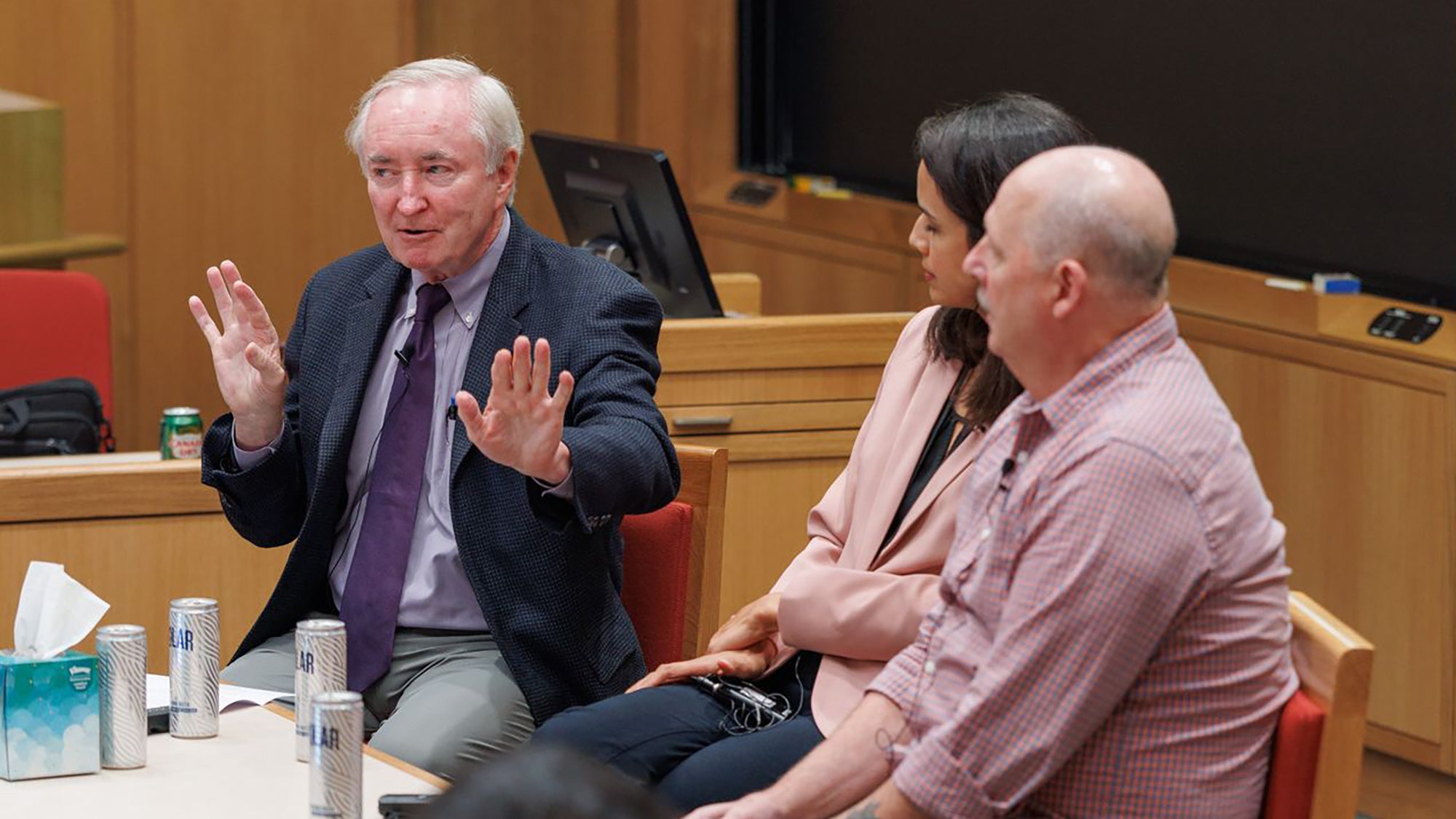
The analysis was conducted by members of the Healthcare Quality and Outcomes Lab (HQO), including Josh Calianos, Jessica Phelan, Jose Figueroa, and Thomas Tsai, and was featured in a March 11 ABC News article.
Service members and their families often receive health care at civilian hospitals under a military health insurance program called TRICARE, the analysis noted. They may do so for urgent or specialized care, or because they live in an area that lacks a military treatment facility. Many of these civilian hospitals, if they rely heavily on Medicaid reimbursements, may face financial strain as a result of changes to Medicaid made by federal bill H.R.1, otherwise known as the “One Big Beautiful Bill.” Such financial precarity can negatively impact care not just for Medicaid enrollees, but all patients—including those in the military community insured under TRICARE, the researchers told ABC.
“Military active duty service members on TRICARE and their families also on TRICARE are increasingly relying on civilian hospitals for their care, even when they’re living within a military base,” Figueroa explained in the article. “If we’re finding evidence that there are many hospitals across the country that are at risk, to what extent will that affect military personnel and their families?”
To answer this question, the researchers first calculated risk to hospitals across the country. They analyzed factors such as how reliant hospitals are on Medicaid and whether or not they’re safety net hospitals (serving many patients with no insurance or with Medicaid). The researchers then identified 8.9 million TRICARE beneficiaries and their ZIP codes to see how many might rely on the hospitals at risk. They found that more than 3.5 million TRICARE beneficiaries live near, and may be patients at, hospitals at high or moderate financial risk.
“Overall, we found that a substantial proportion of TRICARE beneficiaries depend on hospitalts that face an elevated risk of financial distress,” Tsai said in an interview. “More than 724,000 military personnel and families residing in military installations may be exposed to hospitals with more than one risk factor for financial distress. In total, more than 4 in 10 TRICARE beneficiaries on or off base—more than 3.5 million people—may be exposed to these hospitals. This highlights an important opportunity for policymakers to ensure continued access to high-quality hospital care for our military families.”
The HQO analysis has caught the attention of federal lawmakers who are examining the potential consequences of H.R. 1 on military families, the researchers noted.
“As a country, we should do our best to take care of the people protecting us,” Figueroa told ABC. “Military personnel and their family members should be protected, and sometimes we have to remind ourselves that drastic cuts to our health care that affect our health delivery system also affects our active military personnel and their families as well.”
Read the HQO analysis: Military Community Potentially Exposed to Hospitals at Higher Risk of Financial Distress
Read the ABC News article: Many military members may get care at hospitals at risk of financial distress – partly due to Trump cuts
Learn more
Medicaid cuts: What’s at stake (Harvard Chan School news)
How Medicaid cuts could lead to loss of coverage for millions (Harvard Chan School news)