Q&A with Alfredo Morabia
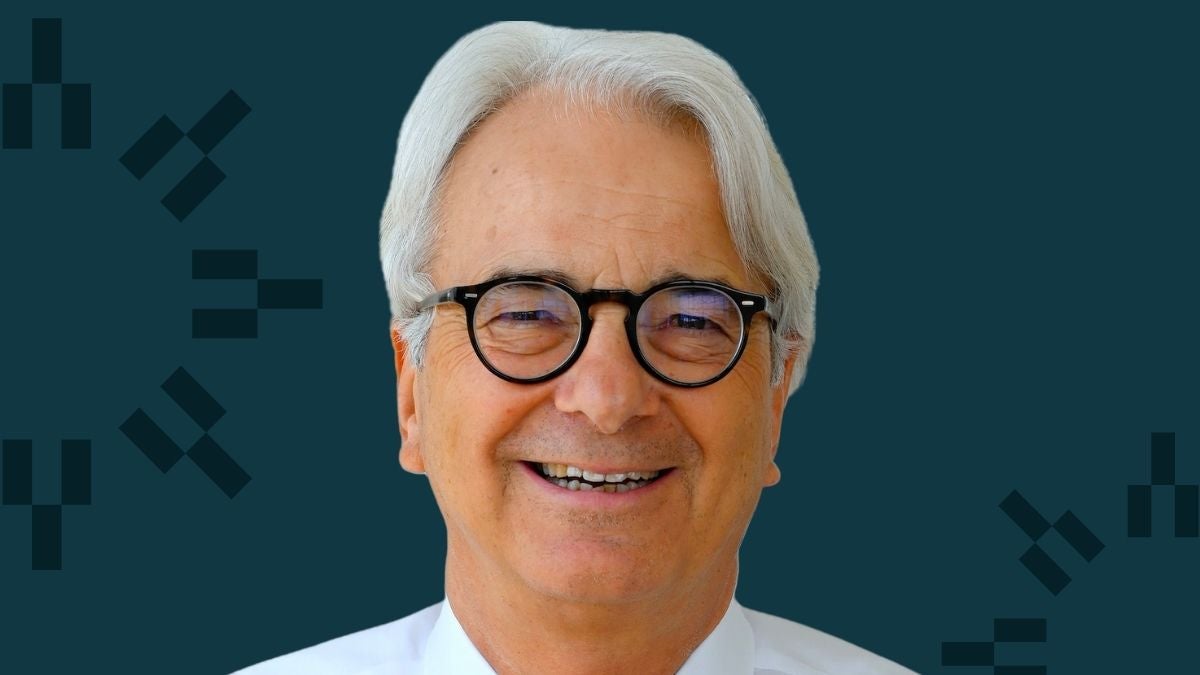
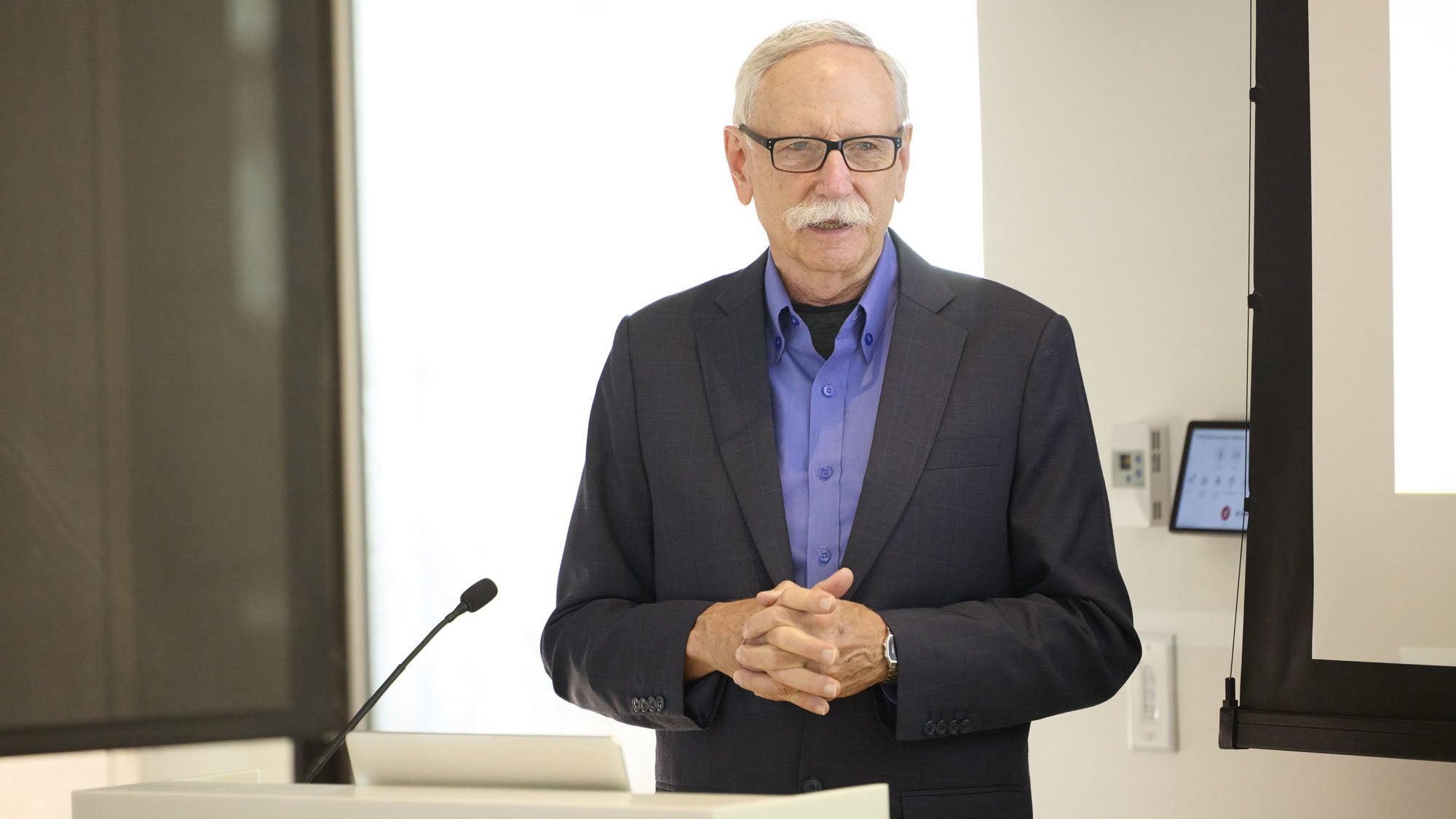
For this Q&A, we spoke with our February 25, 2026 seminar speaker, Alfredo Morabia, Professor of Epidemiology at Queens College, CUNY, and Professor of Clinical Epidemiology at Columbia Mailman School of Public Health. He is Principal Investigator of the NIOSH-funded World Trade Center-Heart cohort study on the long-term cardiovascular effects of 9/11 on first responders. A historian of epidemiology, he examines how population health methods have evolved and is the author of The Public Health Approach: Population Thinking from the Black Death to COVID-19 (2023). He served as Editor-in-Chief of the American Journal of Public Health (AJPH) from 2015 to 2025.
Tell us about some things you’re working on now that you’re most excited about? What can we look forward to seeing from you in the near future?
Here is something I am especially excited about, even though it is not my main professional activity: the history of public health in Antiquity. Surprisingly, we still know very little about it, and I suspect this is partly because many historians who can access the primary sources in Latin and Greek are not trained in public health or epidemiology. Last summer I completed a seven-week intensive course in advanced Latin literature at CUNY, which I highly recommend, to refresh my skills, and I am now systematically translating relevant texts in chronological order, from Cato the Elder (234–149 BCE) to Ammianus Marcellinus (330–395 CE). What fascinates me is how often small translation inaccuracies subtly alter the meaning of these documents. I am only a few months into the project but having the time and intellectual freedom to pursue it feels like an old dream finally coming true.
It’s been more than six months since you ended your 10-year tenure as Editor-in-Chief of the American Journal of Public Health (AJPH). What are some of the insights that you’ve gleaned since stepping down on your time there and role that journals play in public health?
This has been a remarkable journey, both professionally and personally. I was fortunate to build on the vision of the previous editorial team, which had already recognized that the social determinants of health, including racism and homophobia, represented a new frontier for public health. Advancing this agenda required more research, new methods, and a journal willing to host difficult conversations, and I believe AJPH became one of those spaces. I also approached the journal somewhat like a magazine, creating room for opinions, debates, and controversies, while maintaining a clear boundary between commentary and the research section. One of the most important lessons I take from those years is that public health succeeds only when it brings people together; exclusion ultimately weakens its effectiveness. I hope that under my leadership AJPH served as a journal for the entire public health community, one that sought common ground among people with diverse political and moral perspectives.
As a historian of epidemiology, where do you think the field is going? What do you see as some major developments occurring in the next few years?
It is difficult to predict where epidemiologic methods are heading without first understanding the challenges they will be asked to address. Historically, epidemiology has evolved in response to new public health problems, developing population-based approaches when existing tools proved insufficient. A good example is James Robins’ 170th Cutter Lecture on Preventive Medicine (2019), where he describes how the urgency of evaluating AIDS treatments, at a time when randomized trials were often impractical, helped catalyze the widespread adoption of causal modeling. So, to answer your question, we must also ask where public health itself is going. I will be candid: in recent months we have witnessed profound disruptions to institutions and practices that many of us once considered foundational to public health. There is not yet a clear or coherent alternative taking shape. If these trends continue, the next generation may face the task of rebuilding core elements of modern public health almost from the ground up. Although I find the current moment troubling, I also believe that students and early-career professionals entering epidemiology and public health today may have an extraordinary opportunity to reimagine the field and to create systems that are stronger, more equitable, and more resilient than the ones my generation inherited and attempted to improve.
Give us a preview of your February 25th seminar ‘What If … Public Health Had to Be Built From Scratch? Revisiting 19th-Century Debates’. What can we look forward to in this talk?
I will have 30 minutes, so rather than developing a dense, point-by-point argument, or engaging in the usual shadowboxing with hypothetical counterarguments, I plan to focus on one clear message. Around 1900, the United States faced two broad paths for organizing its health system: a preventive model that incorporated therapeutic medicine, or a curative model that incorporated public health. Historically, the second path prevailed, and we can now evaluate its consequences over more than a century. It has been extraordinarily successful in preventing and treating some diseases, yet it appears to have reached a plateau when it comes to protecting and promoting population health. The alternative, a health system centered on public health, was never disproven. In this seminar, I will revisit those 19th-century debates and suggest why that preventive vision remains a compelling option if we were to imagine building public health from scratch today.