Jacob Tennessen
Research Scientist
Immunology and Infectious Diseases, Harvard T.H. Chan School of Public Health
Departments
Department of Immunology and Infectious Diseases
Related Links
Biography
Evolutionary genetics and infectious disease
I am interested in patterns of molecular genetic diversity that are shaped by natural selection. My current work concerns evolutionary genomics of hosts and parasites impacting infection and transmission of malaria (with Dan Neafsey and Manoj Duraisingh) and schistosomiasis (with Michelle Steinauer and Michael Blouin). This research involves functional and population genetics of mosquitoes, snails, humans, and the parasites themselves. I have also worked on frogs, strawberries, and other biological systems. I have an affiliate appointment at the Broad Institute. Contact me if you want to collaborate or just talk about science!
Understanding and controlling infectious disease is fundamentally about understanding and controlling evolution. Pathogens are constantly evolving to evade our immune defenses, and humans have evolved in response albeit much more slowly. The primary impediment to killing disease agents with drugs and similar interventions is that they readily evolve resistance. Diseases that are transmitted by vectors have an additional layer of evolutionary complexity: the mosquitoes or snails are also coevolving with the parasites they transmit, and furthermore they may evolve resistance to pesticides or other anthropogenic challenges. In my work I seek to reveal these evolutionary dynamics at the molecular level: which genes are responsible, what are their effects, and how do they vary across time and space? Fortunately, adaptive evolution leaves distinct population genetic signatures, and thus we can use genetic variation data in combination with experimental results to pinpoint the genes that are driving these ongoing changes. The interplay between evolution and disease extends beyond public health into conservation, agriculture, and other realms of biology.
Research highlights
For my PhD, I characterized the molecular evolution of antimicrobial peptides in frogs and other animals.
I’ve worked extensively on human population genomics, including early work on exomes and developing new tests for selection.
In wild strawberries, I’ve identified a repeatedly translocated sex-determining gene cassette and disentangled polyploid genomes.
I’ve found several genomic regions in Biomphalaria snails that convey resistance to schistosome parasites.
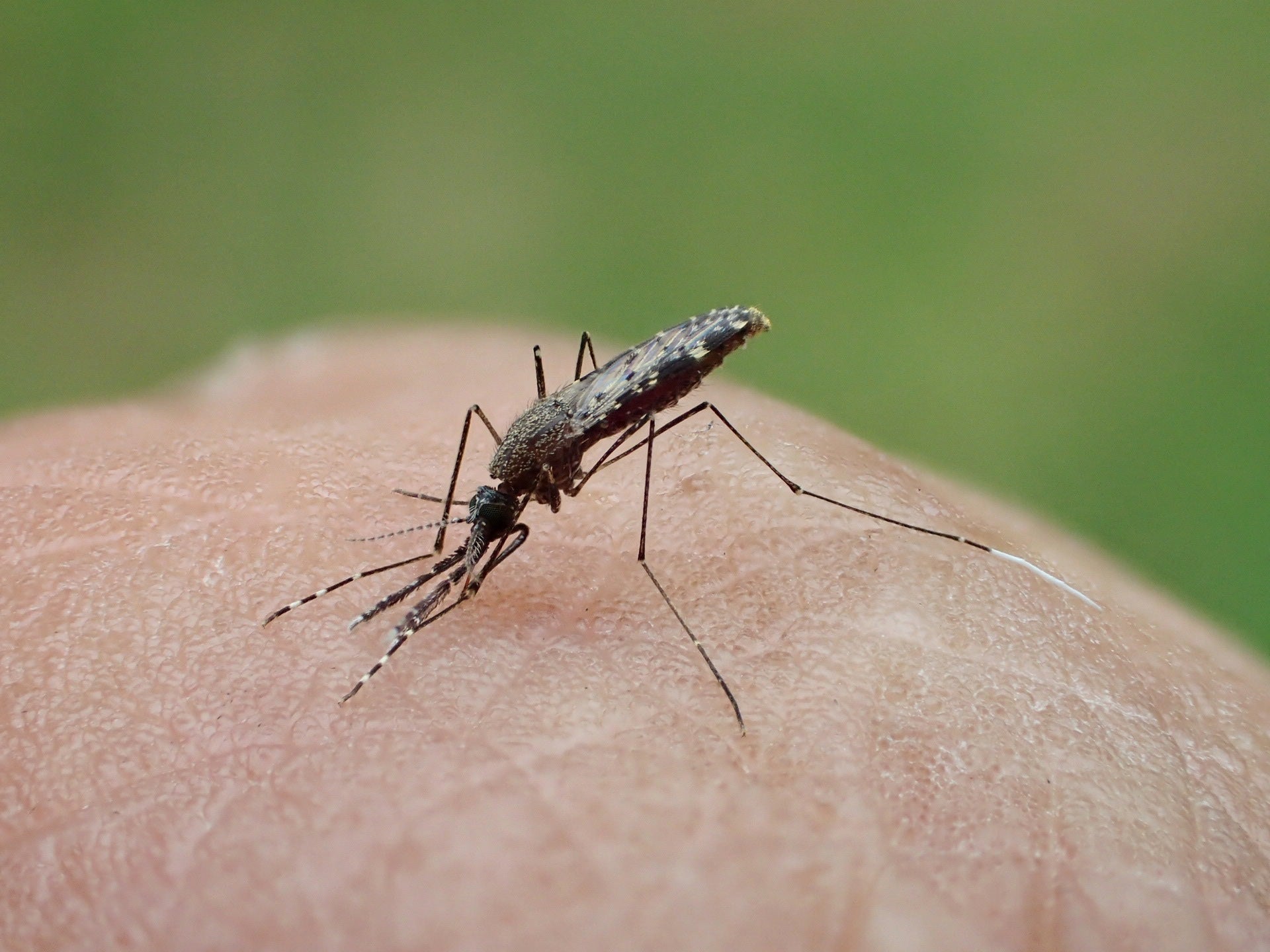
Using Anopheles mosquito whole genomes, I’ve found cryptic taxa and signals of insecticide resistance.
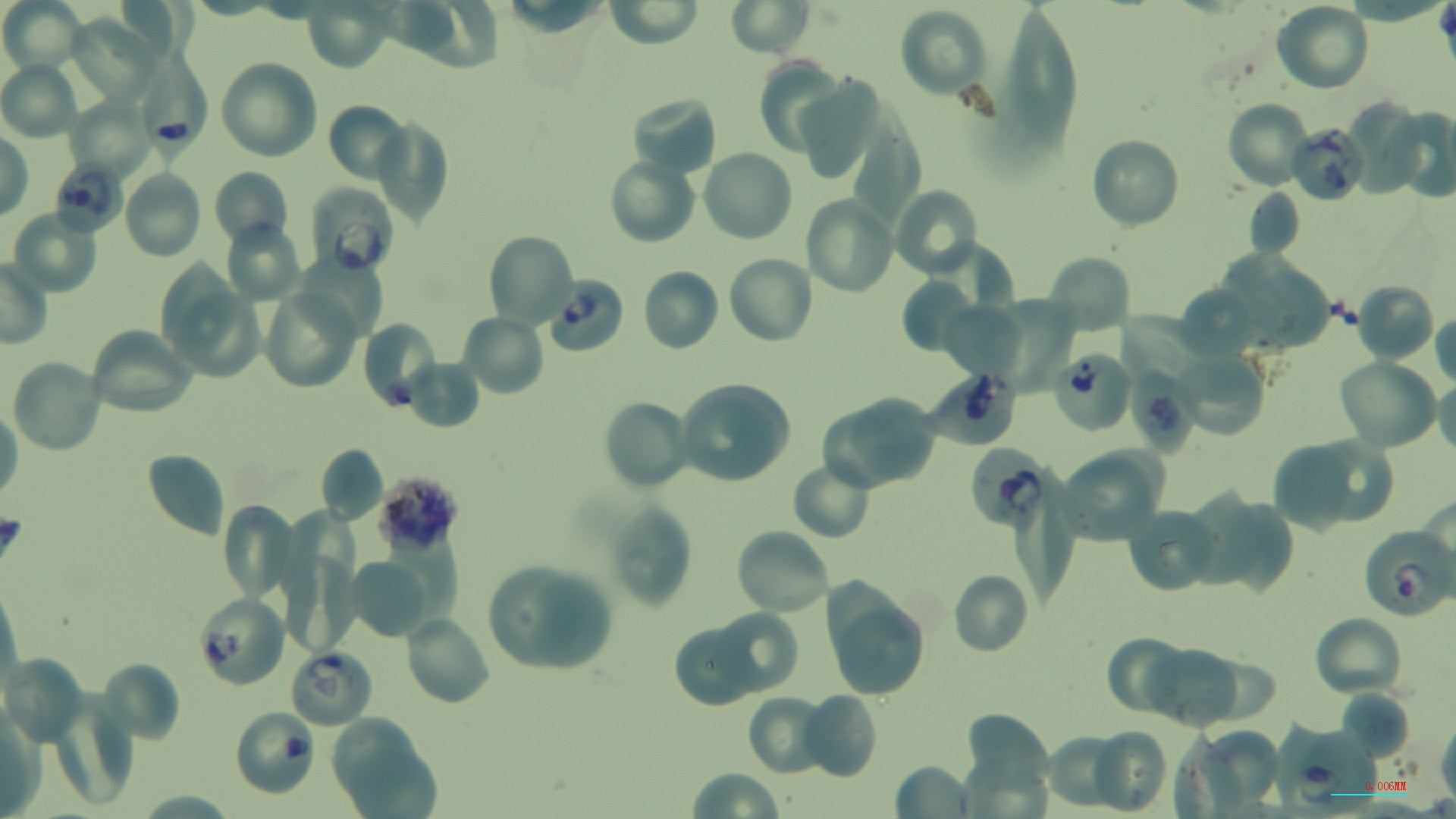
With selection scans of Plasmodium parasites, I’ve identified candidate antimalarial drug targets.
I’ve collaborated on many other evolutionary genetics projects in other species from fishes to trees.
Various tools and resources I've developed include computational scripts, linkage maps, and amplicon panels.
Ongoing unpublished work involves uniting clinical and experimental data with population genetics.
Education and Training
-
BS, Biological Sciences
Cornell University -
PhD, Zoology
Oregon State University -
, Postdoc: Genome Sciences
University of Washington -
, Postdoc: Integrative Biology
Oregon State University