
Women’s Health Conference 2026

Overview

The global Women’s Health Conference was launched in 2023 by the Global Centre for Asian Women’s Health (GloW) at the National University of Singapore (NUS) Yong Loo Lin School of Medicine, in collaboration with Harvard T.H. Chan School of Public Health. Following the successful conferences held in Singapore in 2023 and 2024 and in Paris in 2025, the 2026 conference will take place in Boston from September 30 to October 2, 2026.
The 2026 meeting is co-organized by Harvard T.H. Chan School of Public Health, GloW at NUS Yong Loo Lin School of Medicine, Stanford University School of Medicine, and the Institute for Women and Interdisciplinary Research in Science and Health (iWISH) at Université Paris Cité. The conference will highlight cutting-edge advances shaping women’s health across the life course.
Despite increasing global attention, women’s health remains under-researched and underfunded in many critical domains. Women experience unique biological transitions—from puberty and pregnancy to menopause and aging—that shape lifelong health trajectories. Addressing these complexities requires coordinated, interdisciplinary, and global collaboration.
This conference will convene leading scientists, clinicians, innovators, policymakers, and global organizations to accelerate solutions that improve health outcomes for women worldwide.
The scientific program will feature:
- Breakthroughs in precision nutrition and lifestyle medicine
- Advances in fertility, pregnancy, and reproductive health
- New approaches to mental health and brain health
- Healthy aging, cognition, and cardiometabolic health
- The expanding role of AI and femtech in diagnosis, treatment, and prevention
- Global women’s health and health equity
The program will include plenary lectures, thematic panels, poster sessions, lightning talks by junior investigators, and a special session featuring international organizations and foundations focused on sustaining global investment in women’s health research.
The conference will conclude with a half-day symposium commemorating the 50th anniversary of the Nurses’ Health Study (NHS), the largest and longest-running study of women’s health, established in 1976.

Registration
Register to join us on livestream (via Zoom). Registration is free and open to the public.
No certificates of attendance will be provided.
Recordings will not be available.
Poster gallery
View the online poster gallery for all in-person and online posters. The online gallery will be available until October 30, 2026.
Program
Opening Session
8:30–9:00 AM
Welcome and Opening Remarks
Frank Hu – Chair, Department of Nutrition, Harvard T.H. Chan School of Publlic Health
Jorge Chavarro – Dean for Academic Affairs, Harvard T.H. Chan School of Publlic Health
Cuilin Zhang – Chair Professor of Women’s Health, National University of Singapore
Yap Seng Chong – Dean, Yong Loo Lin School of Medicine, National University of Singapore
Matthieu Resche-Rigon – Dean of the Faculty of Health, Université Paris Cité
Michelle Williams – Professor of Epidemiology and Population Health, Stanford University
Vassilis Tsatsaris – Vice-Dean of the Faculty of Medicine, Université Paris Cité
AI and Digital Innovation in Women’s Health
Moderator: Melissa Bondy (Stanford University)
9:00–9:20 AM
Leveraging Human Organ Chips to Provide New Insights into Women’s Health
Donald E. Ingber — Wyss Institute for Biologically Inspired Engineering, Harvard University
9:20–9:40 AM
AI-guided Integration of Biological and Clinical Knowledge for Maternal and Child Health
Nima Aghaeepour — Stanford University
9:40–10:00 AM
Artificial Intelligence in Obstetrics: Opportunities and Challenges in Maternal–Fetal Medicine
Mahesh Choolani — Department of Obstetrics & Gynecology, National University of Singapore
10:00–10:20 AM
AI and FemTech in Women’s Health
Alaa Abd-Alrazaq — Weill Cornell Medicine–Qatar
10:20–10:40 AM
Wearables, Data Science, and Performance: Insights from Women Athletes
Juliana Antero — Université Paris Cité
10:40–11:00 AM
Panel Discussion
11:00–11:20 AM | Coffee Break
Precision Nutrition and Lifestyle Medicine
Moderator: Ed Giovannucci (Harvard T.H. Chan School of Public Health)
11:20–11:40 AM
Mediterranean Diet Interventions and Women’s Health: Evidence from Cohort Studies and Trials
Miguel Ángel Martínez-González — University of Navarra, Spain
11:40–12:00 PM
Healthy Diets for People and Planet: Integrating Human and Planetary Health
Walter C. Willett — Harvard T.H. Chan School of Public Health
12:00–12:20 PM
Nutrition and Women’s Health: over life course and across generations
Cuilin Zhang — National University of Singapore
12:20–12:40 PM
Panel Discussion
12:40–1:30 PM | Lunch
Special Session: Global Women’s Health Impact Tracking Platform (WHIT)
Moderator: Marcia Castro (Harvard T.H. Chan School of Public Health)
1:30-2:30 PM
Panelists:
Shyam Bishen – Centre for Health and Healthcare, World Economic Forum
Diana Vaca McGhie – World Economic Forum
Nawal Nour – Massachusetts General Brigham
Jen DeBerardinis – McKinsey Health Institute
Yap Seng Chong – National University of Singapore
2:30-2:50 PM | Coffee Break
Hormones, Cardiometabolic and Vascular Health
Moderator: Eric B. Rimm (Harvard T.H. Chan School of Public Health)
2:50-3:20 PM
Keynote Lecture: Menopausal Hormone Therapy: Evolution of Evidence and Current Clinical Recommendations
JoAnn E. Manson — Harvard Medical School & Brigham and Women’s Hospital
3:20-3:40 PM
Cardiovascular Disease in Women: Epidemiology, Risk Factors, and Prevention
Kathryn M. Rexrode — Harvard Medical School & Brigham and Women’s Hospital
3:40-4:00 PM
Vascular Aging in Women: Mechanisms, Measurement, and Clinical Implications
Rosa Maria Bruno — Université Paris Cité
4:00-4:20 PM
Cardiometabolic Diseases in Asian Populations: Unique Risk Profiles and Prevention Strategies
Roger Foo — National University of Singapore
4:20-4:40 PM
Sex Differences in GLP-1–Based Therapies: Implications for Cardiometabolic Health
Sébastien Czernichow — Université Paris Cité
4:40-5:00 PM
Panel Discussion
Healthy Aging and Mental Health
Moderator: Alberto Ascherio (Harvard T.H. Chan School of Public Health)
8:30–8:50 AM
Brain Aging in Women: Biomarkers, Imaging and Risk for Dementia
Rachel F. Buckley — Harvard Medical School
8:50–9:10 AM
Brain Imaging Meets AI: Advancing Precision Neurology and Psychiatry
Helen Zhou — National University of Singapore
9:10–9:30 AM
Depression and Mental Health in Women: Risk Factors and Prevention
Olivia I. Okereke — Harvard Medical School
9:30–9:50 AM
Panel Discussion
9:50–10:10 AM | Coffee Break
Reproductive Health I: Pregnancy, Fertility, Endometriosis, and PCOS
Moderators: Marie-France Hivert (Harvard Medical School) & Huixia Yang (Peking University First Hospital)
10:10–10:30 AM
Nutrition and Fertility: Evidence from Prospective Cohorts and Clinical Studies
Jorge E. Chavarro — Harvard T.H. Chan School of Public Health
10:30–10:50 AM
Endometriosis and PMOS: Epidemiology and Revelations Beyond the Pelvis
Stacey A. Missmer — University of Michigan
10:50-11:10 am
Menstrual Blood as a Novel Biofluid for Endometriosis Research and Diagnosis
Ludivine Doridot — INSERM & Université Paris Cité
11:10–11:25 AM
Panel Discussion
Reproductive Health II: Pregnancy, Fertility, Endometriosis, and PCOS
Moderators: Liona Poon (Chinese University of Hong Kong)
11:25–11:45 AM
Women’s Reproductive Health across the Lifecourse: Lessons from Project Viva
Emily Oken – Harvard Medical School
11:45–12:05 AM
Svadhyaya and homeostasis – the art of self-study in the time of continuous wearable personal monitoring
Shruthi Mahalingaiah — Harvard T.H. Chan School of Public Health
12:05 AM–12:25 PM
Autoimmune Diseases in Women, Systemic Lupus Erythematosus and Rheumatoid Arthritis: Epidemiology and Clinical Implications
Karen H. Costenbader — Harvard Medical School
12:25–12:40 PM
Panel Discussion
12:40–1:30 PM | Lunch
Global Women’s Health and Health Equity
Moderator: Mariana Losada (Paris-NUS Programme Director)
1:30–1:50 PM
The Stress Test We Ignore: Reading Pregnancy as Preventive Medicine
Michelle A. Williams — Stanford University
1:50–2:10 PM
Fostering interdisciplinary dialogue to close the gender health gap: Examples within and between Paris and Oxford
Clarisse Berthezène – Université Paris Cité
Krina Zondervan – University of Oxford
2:10–2:40 PM
Advancing Global Women’s Reproductive Health: The confluence of Science, Programs and Policy Innovation
Ana Langer — Harvard T.H. Chan School of Public Health
2:40–3:00 PM
Panel Discussion
3:00–3:15 PM | Coffee Break
Lightning Talks by Young Investigators
Moderator: Deirdre Tobias (Brigham and Women’s Hospital, Harvard T.H. Chan School of Public Health)
3:15–4:10 PM
Selected Abstract Presentations
Spotlight on NUS–Harvard Chan Women’s Health Initiative (NUSHINE)
4:10–4:50 PM
Overview of NUS-Harvard Chan Women’s Health Initiative (NUSHINE)
Frank Hu – Harvard T.H. Chan School of Public Health
Cuilin Zhang – National University of Singapore
Mapping Body Composition to the Metabolome in a Multi-Ethnic Asian Preconception Cohort
Zhila Semnani-Azad – National University of Singapore
Not All Healthy Diets Are Equal: Optimal Dietary Patterns for Weight Management During Menopause
Tong Xia – Harvard T.H. Chan School of Public Health
Diet Quality Change from Adolescence into Adulthood and Incident Type 2 Diabetes in the Nurses’ Health Study II: a Life Course Approach
Maria Santos – Harvard T.H. Chan School of Public Health
Life-Course Hyperglycemia and Gut Microbiome Profiles
Chuwen Ling – National University of Singapore
4:50-5:00pm
Panel Discussion
Reception and Poster Presentations
5:15–8:00 PM
Location: Veritas Science Center (formerly Harvard Medical School New Research Building) – 77 Avenue Louis Pasteur, Boston, MA
NHS at 50: Celebrating Discovery, Inspiring Generations
8:30–8:45 AM
Welcome remarks
Frank Hu, Harvard T.H. Chan School of Public Health
Heather Eliassen, Channing Division of Network Medicine, MGB/HMS
Moderator: Sonia Muliyil (The Lancet Obstetrics, Gynaecology, & Women’s Health)
8:45–9:10 AM
Nurses’ Health Study: History, Landmark Discoveries, and Public Health Impact
Andrea Romanos-Nanclares, Heather Eliassen — Channing Division of Network Medicine, MGB/HMS
9:10–9:35 AM
Diet and Nutrition Across the Life Course: Lessons from NHS
Deirdre Tobias, Frank B. Hu — Harvard T.H. Chan School of Public Health
9:35-9:45 AM
Panel Discussion
Talks by NHS Investigators
9:45-10:35 AM
Moderator: Heather Eliassen (Channing Division of Network Medicine, HSPH)
Integrating Multi-Omics and Blood-Based ATX(N) Biomarkers to Identify Precision Dietary Paths for Alzheimer’s Prevention
Daniel Wang – Harvard Medical School, Harvard T.H. Chan School of Public Health
Location, location, location: How we’ve explored how where nurses live impacts their health
Jaime Hart – Channing Division of Network Medicine, HMS, HSPH
A journey on the path of precision nutrition paved by the Nurses’ Health Studies
Qi Sun – Harvard T.H. Chan School of Public Health
Beyond the Genome: Weaving Proteomics into the Fabric of the NHS
Shilpa Bhupathiraju – Channing Division of Network Medicine, HSPH
10:35-10:45 AM
Panel Discussion
10:45–11:05 AM | Coffee Break
NHS Principal Investigator Panel
Moderator: Ed Silverman (Channing Division of Network Medicine, HMS, MGB Department of Medicine) & Frank Hu (Harvard T.H. Chan School of Public Health)
11:05 AM–12:05 PM
Panelists:
Frank Speizer
Heather Eliassen
Walter Willett
Jorge Chavarro
Susan Hankinson
Meir Stampfer
Graham Colditz
NHS participant panel
Moderator: Heather Eliassen (Channing Division of Network Medicine, HSPH)
12:05-12:35 PM
Panelists:
Melissa Perez Capotosto
Perry Nemechek
Joyce Levy
Closing remarks
Organizers
Scientific Organizing Committee
- Frank B. Hu, MD, PhD, MPH, Professor and Chair, Department of Nutrition, Harvard T.H. Chan School of Public Health; Professor of Medicine, Harvard Medical School (Committee Chair)
- Cuilin Zhang, MD, PhD, Chair Professor of Women’s Health; Founding Director, Global Centre for Asian Women’s Health (GloW), Yong Loo Lin School of Medicine, National University of Singapore (Committee Co-Chair)
- Yap Seng Chong, MBBS, MD, Lien Ying Chow Professor in Medicine; Dean, Yong Loo Lin School of Medicine, National University of Singapore
- Heather Eliassen, ScD, Professor of Nutrition and Epidemiology, Harvard T.H. Chan School of Public Health; Professor of Medicine, Channing Division of Network Medicine, Brigham and Women’s Hospital and Harvard Medical School
- Jorge E. Chavarro, MD, ScD, Professor of Nutrition and Epidemiology; Dean for Academic Affairs, Harvard T.H. Chan School of Public Health; Professor of Medicine, Harvard Medical School
- Kathryn M. Rexrode, MD, MPH, Chief, Division of Women’s Health, Brigham and Women’s Hospital; Professor of Medicine, Harvard Medical School; Chief Academic Officer, Brigham and Women’s Hospital
- Michelle A. Williams, ScD, Professor of Epidemiology and Population Health; Associate Chair for Academic Affairs, Department of Epidemiology and Population Health, Stanford University School of Medicine
- Melissa Bondy, PhD, Professor and Chair, Department of Epidemiology and Population Health, Stanford University School of Medicine
- Rosa Maria Bruno, PhD, Professor in Clinical Pharmacology, Université Paris Cité; Head of the Hypertension Unit of Georges Pompidou European Hospital, Paris, France; iWISH, Institute for Women Interdisciplinary Research in Science and Health, Université Paris Cité
- Clarisse Berthezène, PhD, Professor of History, Université Paris Cité; Chair, Institut Universitaire de France; iWISH, Institute for Women Interdisciplinary Research in Science and Health, Université Paris Cité
Administrative Organizing Committee
- Katrina Soriano, Harvard T.H. Chan School of Public Health
- Jessie Powell, Harvard T.H. Chan School of Public Health
Speaker Information
Please note that speakers’ remarks are based on their own scholarship and experience. As such, they speak for themselves, not for Harvard.
Dr. Alaa Abd-Alrazaq is an Assistant Professor and Director of Artificial Intelligence for Precision Women’s Health at the AI Center for Precision Health at Weill Cornell Medicine–Qatar. He is also an Adjunct Assistant Professor at Qatar University and Visiting Fellow at the University of South Wales. His work focuses on the intersection of Artificial Intelligence, digital health, and FemTech to advance personalized and preventive healthcare for women. Dr. Abd-Alrazaq has authored more than 130 peer-reviewed publications and serves on several international editorial boards in digital health and medical AI.
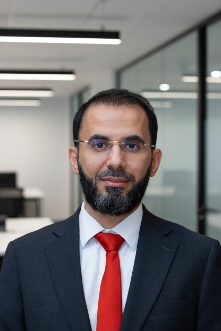
Nima Aghaeepour is a machine learning and artificial intelligence scientist and the Anesthesiology, Perioperative and Pain Medicine II Endowed Professor and Professor of Pediatrics, and of Biomedical Data Science at Stanford University. His laboratory develops machine learning and artificial intelligence methods to study clinical and biological modalities in translational settings. Dr. Aghaeepour primarily focuses on leveraging multiomics studies, wearable devices, and electronic health records to address clinical challenges in perioperative care and maternal and child health, with a particular focus on interventional settings including operating rooms, ICUs, labor and delivery, and NICUs. His work is recognized by awards from numerous national and international organizations including the Bill and Melinda Gates Foundation, the Alfred E. Mann Foundation, the March of Dimes Foundation, the Burroughs Wellcome Fund, the National Institute of General Medical Sciences, the National Institute of Child Health and Human Development, the National Institute of Aging, and the National Institute of Neurological Disorders and Stroke. Prior to his faculty role, Dr. Aghaeepour earned his B.Sc. in Computer Science from the University of Tehran, followed by a Ph.D. in Bioinformatics from the University of British Columbia and a postdoctoral fellowship at Stanford University.
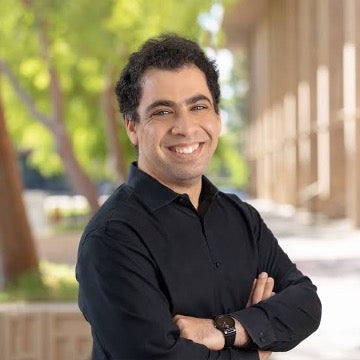
Dr. Juliana Antero (PT, PhD) is an epidemiologist at the French National Institute of Sport (INSEP). She leads a research team focused on female athletes’ health and performance through the Empow’her program. This research program uses digital tools and wearable sensors for in situ, longitudinal monitoring of elite athletes, applying a personalized, multiparametric approach that integrates physiology, hormonal fluctuations, and training load. Dedicated to advancing women’s health research, she also serves on the Executive Committee of iWISH (Institute for Women and Interdisciplinary research in Science and Health) at Université Paris Cité, coordinating the “Living and Ageing in Good Health” research axis.
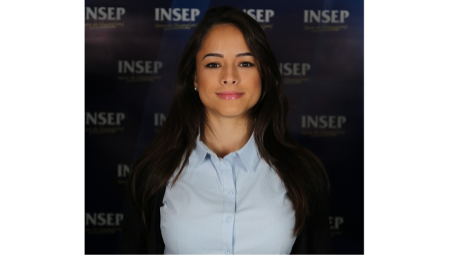
Dr. Ascherio graduated in medicine at the University of Milan in 1978 and practiced medicine and public health in Latin America and Africa for several years before moving to Boston, USA, where he became Professor of Epidemiology and Nutrition at the Harvard TH Chan School of Public Health and Professor of Medicine at the Harvard Medical School. He was awarded honorary doctoral degrees from the University of Southern Denmark and the University of Bergen, delivered the Falch Lecture in 2023, and he is co-recipient of a life sciences 2025 Breakthrough Prize for discovering that the Epstein-Barr virus causes multiple sclerosis.
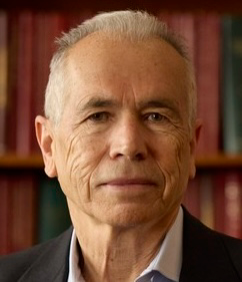
Andrea Baccarelli, MD, PhD, is the Dean of the Faculty at Harvard T.H. Chan School of Public Health. His work on the health impact of environmental exposures has been used by agencies worldwide to shape pollution control policies. Dr. Baccarelli previously served as chair of the Department of Environmental Health Sciences at Columbia Mailman School of Public Health, director of the NIH/NIEHS P30 Center for Environmental Health and Justice and president of the International Society for Environmental Epidemiology. He is a member of the National Academy of Medicine. Dr. Baccarelli holds an MD from the University of Perugia in Italy, an MS in Epidemiology from the University of Turin, and a PhD from the University of Milan.

Clarisse Berthezène is a Professor of History at Université Paris Cité (ECHELLES, UMR 8264) and she holds a Chair at the Institut Universitaire de France. She is the Head of Global Engagement for iWISH, the Interdisciplinary Institute for Women’s Health at Université Paris Cité. She has published extensively on the history of conservatism. Her current research project focuses on the history of welfare states and gendered health inequalities in Europe.
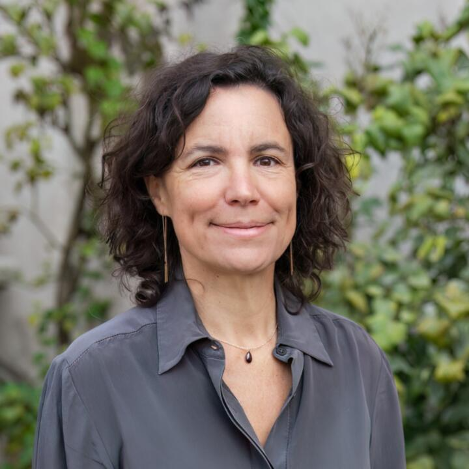
Shilpa Bhupathiraju is an Associate Professor in the Department of Nutrition at the Harvard T.H. Chan School of Public Health and the Department of Medicine at Harvard Medical School. She is also an Associate Epidemiologist at the Brigham and Women’s Hospital. Her research focuses on dietary and lifestyle predictors of cardiometabolic diseases, using omics to identify dietary biomarkers and understand disease mechanisms.
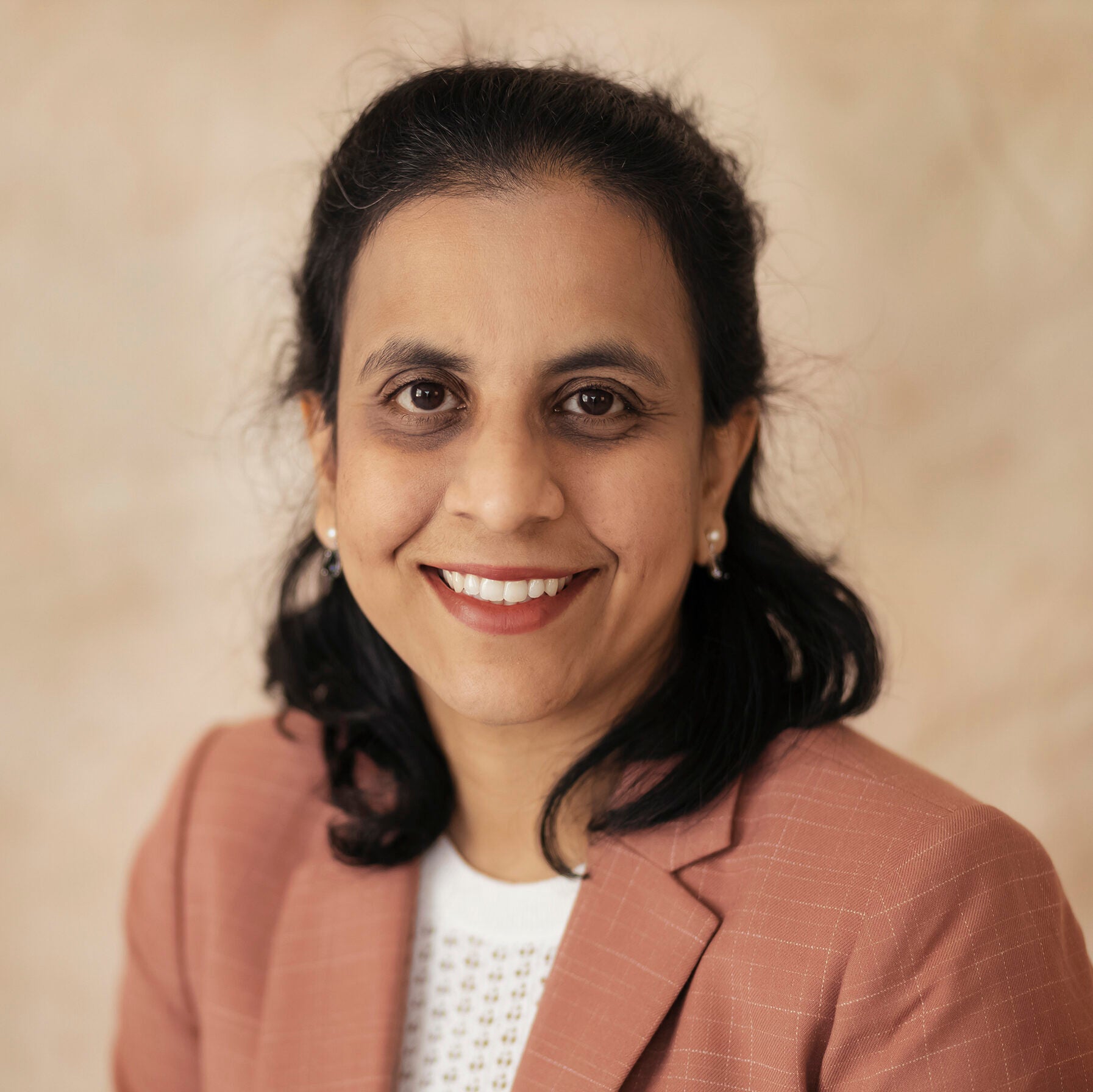
Dr. Shyam Bishen is a senior healthcare executive and board member with over 25 years of global experience in healthcare arena. He joined the World Economic Forum as the Head of Centre for Health and Healthcare and Executive Committee Member in early 2022 from Bill and Melinda Gates Foundation in Seattle where he was a regional director for seven years and was responsible for partnering to harness advances in healthcare to save lives. He and his team worked with partners to develop and deliver healthcare solutions—including vaccines, drugs, and diagnostics—as well as to discover pathbreaking new healthcare tools that are affordable and reliable. Before moving to Gates Foundation, he headed up emerging markets strategy, innovation, and biosimilars business at Merck (MSD) in the US as vice president and general manager.
At WEF, Dr. Bishen is engaging with the foremost political, business, cultural and other leaders of society to shape global health and healthcare agenda. He works with diverse stakeholders in new models of public private collaboration to identify and scale up solutions for more resilient, efficient, and equitable healthcare systems to keep populations healthy and deliver the best care.
Dr. Bishen is qualified with a Doctorate from the University of Newcastle. He also holds a master’s in business administration from Washington University in St. Louis. In addition, he received leadership training from Harvard university through a year-long program.

Dr. Melissa Bondy is the inaugural chair of the Department of Epidemiology and Population Health and the Associate Director for Population Sciences at the Stanford Cancer Institute. Before joining Stanford, she was Associate Director of Cancer Prevention and Population Sciences and section chair of Epidemiology and Population Sciences at Baylor College of Medicine. Her research focus is in genetic and molecular epidemiology and is at the forefront of developing innovative ways to assess the roles of heredity and genetic susceptibility in the etiology of cancer and outcomes, primarily brain and breast cancer. Currently, she leads the largest family study of glioma patients, as well as a study of molecular predictors of outcome for glioma patients. She has a strong interest in health disparities and has a current study to investigate the ethnic differences in glioma. She has been working on studying the health effects of exposure to Hurricane Harvey. She serves on the National Cancer Institute’s (NCI) Board of Scientific Advisors, where she provides direct counsel to the Director of the NCI, and is a member of the External Advisory Board for several NCI-designated cancer centers. In 2018, she received the Visiting Scholar Award from the NCI Division of Cancer Epidemiology and Genetics.
Rosa Maria Bruno (MD, PhD) is specialist in Internal Medicine and Hypertension, head of the Unit of Clinical Pharmacology and Women’s Cardiovascular Health at the Hopital Européen Georges Pompidou and full professor in Pharmacology at Université Paris Cité (Paris, France). Her research is focused on novel approaches for the non-invasive evaluation of vascular ageing in hypertension and other diseases, with a focus on sex and gender differences. She is vice-president of the Artery Society, treasurer of the ESC Council of Hypertension and member of the Council of iWISH (Institute for Women and Interdisciplinary Research in Science and Health) of Université Paris Cité.
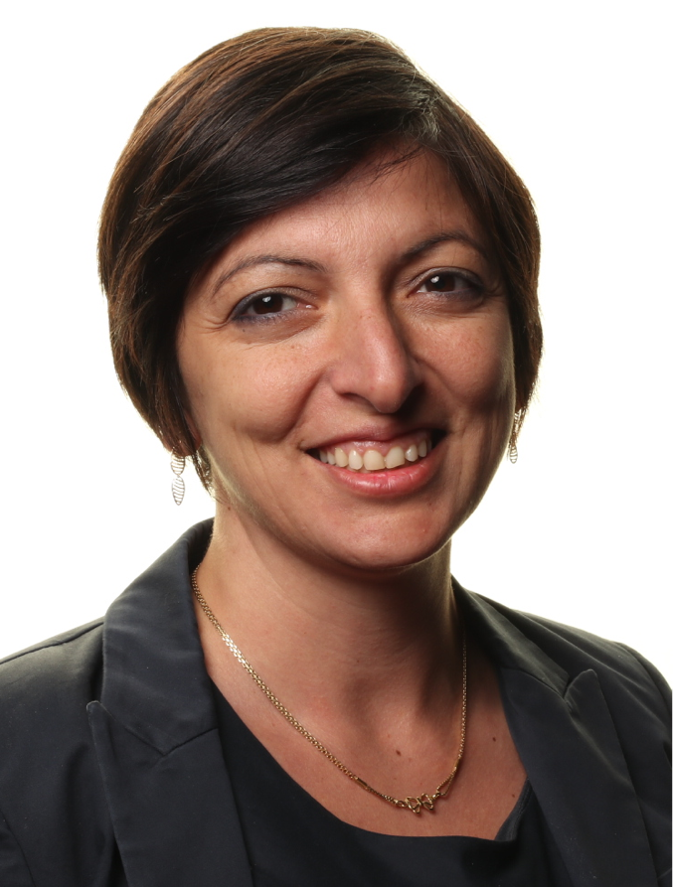
Dr. Buckley is an Associate Professor of Neurology at Mass General Brigham and Harvard Medical School. She is a past recipient of an NIH-NIA K99/R00 Pathway to Independence award and an NIH DP2 New Innovator Award. After initially completing her PhD in Neuropsychology at the University of Melbourne, Australia, with the Australian Imaging Biomarker and Lifestyle Study of Aging, she then moved to Boston to train in PET neuroimaging and cognitive decline under the mentorship of Dr. Reisa Sperling at the Harvard Aging Brain Study. Her research interests lie in sex differences in risk for Alzheimer’s disease, and she holds multiple NIH grants seeking to optimize women’s brain health in neurodegenerative disease, with a specific focus on the role of menopause, sex hormones and the X chromosome to impact risk and resilience to Alzheimer’s disease. Rachel is the recent past Chair of the Sex and Gender Differences in Alzheimer’s disease Professional Interest Area for the Alzheimer’s Association; she is a co-lead of the Sex and Gender in Neurodegeneration (S|GN) Consortium for the Alzheimer’s Disease Data Initiative and sits on the editorial board for Neurology.
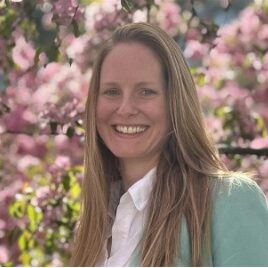
Marcia Castro is Andelot Professor of Demography, chair of the Department of Global Health and Population at the Harvard T.H. Chan School of Public Health, and director of the Brazil Studies Program of the David Rockefeller Center for Latin American Studies (DRCLAS). Her research focuses on the development and use of multidisciplinary approaches to identify the determinants of infectious disease transmission in different ecological settings to inform control policies. She made important contributions during recent public health emergencies and has projects on malaria, COVID-19, arboviruses, women’s health, infant/child mortality and development, and climate change in the Brazilian Amazon. She is an elected member of the Brazilian Academy of Sciences and the American Association for the Advancement of Science. She earned a PhD in demography from Princeton University.
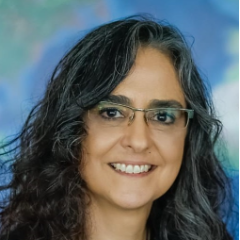
Jorge E. Chavarro, M.D., Sc.D., is Dean for Academic Affairs and Professor of Nutrition and Epidemiology at the Harvard T.H. Chan School of Public Health, and Professor of Medicine at Brigham and Women’s Hospital and Harvard Medical School. Dr. Chavarro’s research focuses on understanding how nutritional, lifestyle and metabolic factors impact human reproduction and reproductive milestones throughout the life course, and how these events, in turn, impact other aspects of health. His work has resulted in more than 500 scientific publications. He has served as standing member and Chairperson of the Pregnancy and Neonatology study section for the US National Institutes of Health, and as a member of the Research Program Review Panel for the World Health Organization’s Human Reproduction Programme.

Professor Mahesh Choolani is Head of Obstetrics & Gynaecology at the National University of Singapore and a Senior Consultant in Maternal–Fetal Medicine. His work focuses on improving prenatal and maternal care through earlier, non-invasive diagnostics, translational research, and more recently, the application of AI in antenatal care. He has contributed to regional and international efforts to strengthen clinical standards, training, and collaboration. With over 300 peer-reviewed publications and sustained competitive funding, his work translates evidence into practice, aligning with global priorities to improve outcomes, reduce disparities, particularly in resource-limited settings, and support women in achieving healthier lives.

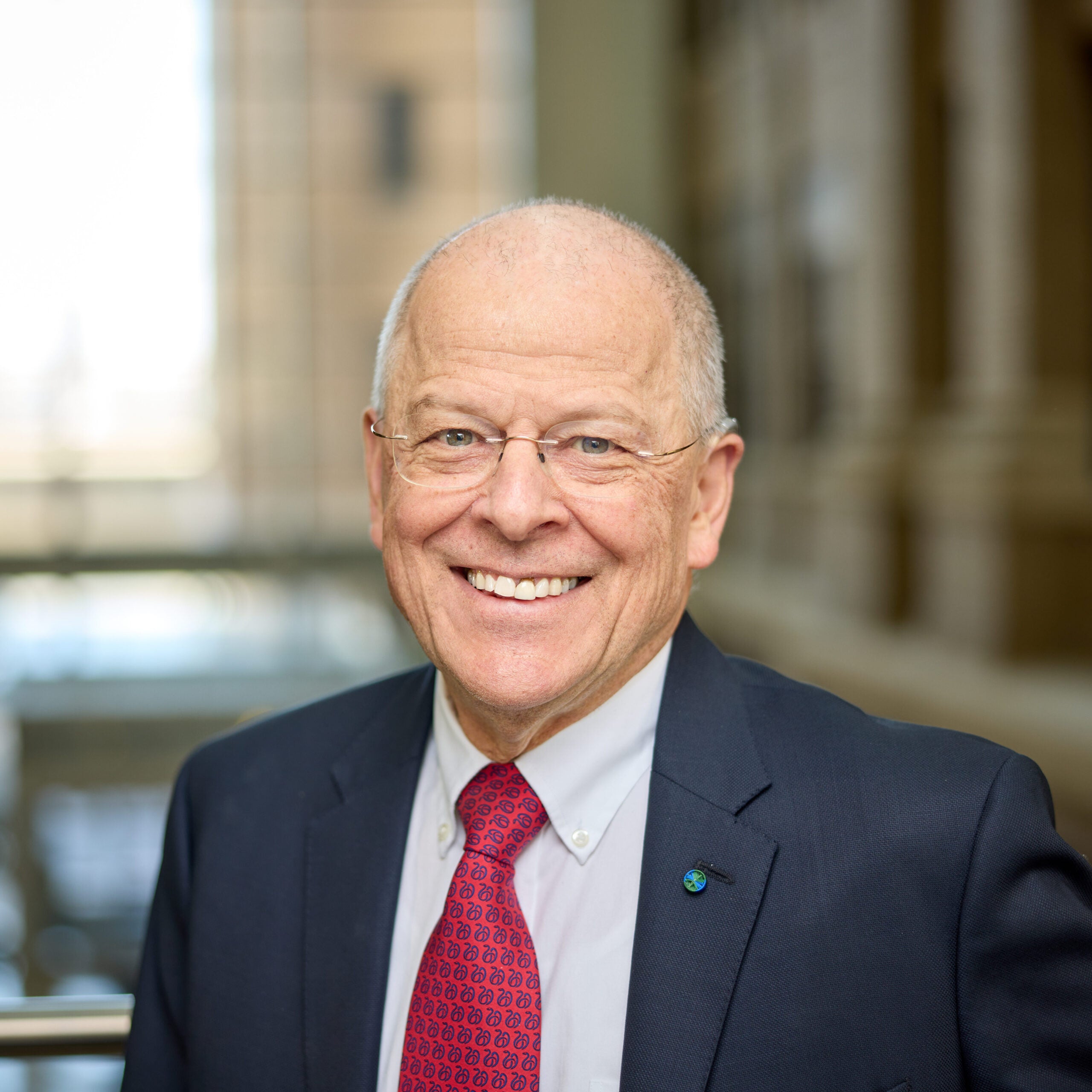
Karen Costenbader, MD, MPH is Professor of Medicine at Harvard Medical School and holds the Michael E. Weinblatt, MD Endowed Chair in Rheumatology in the Division of Rheumatology, Inflammation and Immunity at Brigham and Women’s Hospital in Boston, Massachusetts, where she serves as Director of the Lupus Program and Chief of the Section of Clinical Sciences. Dr. Costenbader’s research investigates the epidemiology and pathogenesis of systemic lupus erythematosus and rheumatoid arthritis in particular. She is an experienced research mentor for medical students, residents, graduate students in epidemiology, and rheumatology fellows and junior faculty, having trained over 50 doctoral and post-doctoral fellows and faculty. She is PI of the Lupus Registry containing data on more than 3,000 patients. She is currently the Deputy Editor of Arthritis & Rheumatology. She has served as the Chair of the NIH’s ‘Arthritis, Musculoskeletal and Skin Disease’ Study Section, Chair of the Medical and Scientific Advisory Council for the Lupus Foundation of America, and as Faculty Director of the Office of Research Careers at the Brigham and Women’s Hospital.
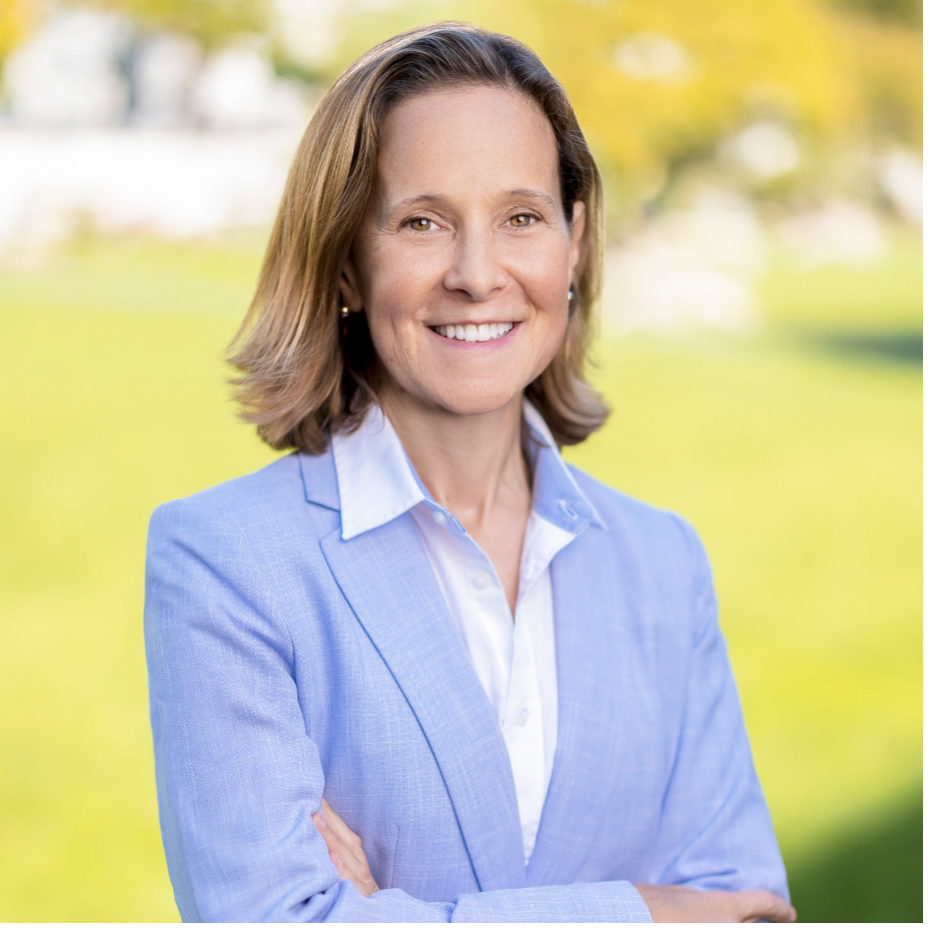
Dr. Sébastien Czernichow, MD, PhD, is Professor of Nutrition at Paris Cité University (Faculty of Health | Université Paris Cité (u-paris.fr) and head of the Department of Nutrition at Georges Pompidou Hospital (Paris, France). This Department is dedicated to the management of patients living with severe obesity and is part of a European network for accredited multidisciplinary treatment centers (COMs – EASO). His major research interests include the epidemiology and prevention of obesity and diabetes. He has published over 330 scientific papers.
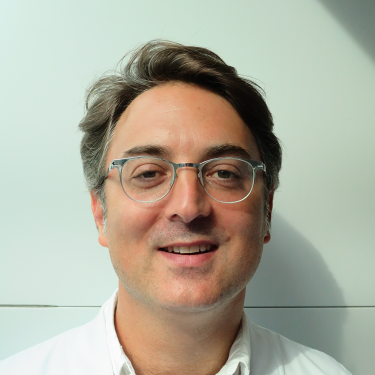
Associate Partner, McKinsey & Company
Ludivine Doridot is a researcher at INSERM (French National Institute of Health andMedical Research) and an Associate Professor at Université Paris Cité (Paris, France). She obtained her PhD in Genetics from Université Paris Descartes in 2013 for her studies on preeclampsia, a hypertensive disease of pregnancy. She then performed a postdoc in Beth Israel Deaconess Medical Center, a Harvard-affiliated hospital in Boston (USA), where she studied genetic environment interaction in the context of metabolic syndrome. Since 2017, she has
focused on endometriosis and reproductive immunology. She obtained a European Starting Grant (ERC) to study menstrual blood in the context of endometriosis in 2023. Since 2025, she is co-coordinating a national research consortium on endometriosis involving 12 research teams and 3 clinical centers. In 2025, she also joined the executive board of iWISH (Institute for Women Interdisciplinary research in Science and Health) and University-Hospital Federation FRAME (Finding Reliable Answer for Managing Endometriosis).
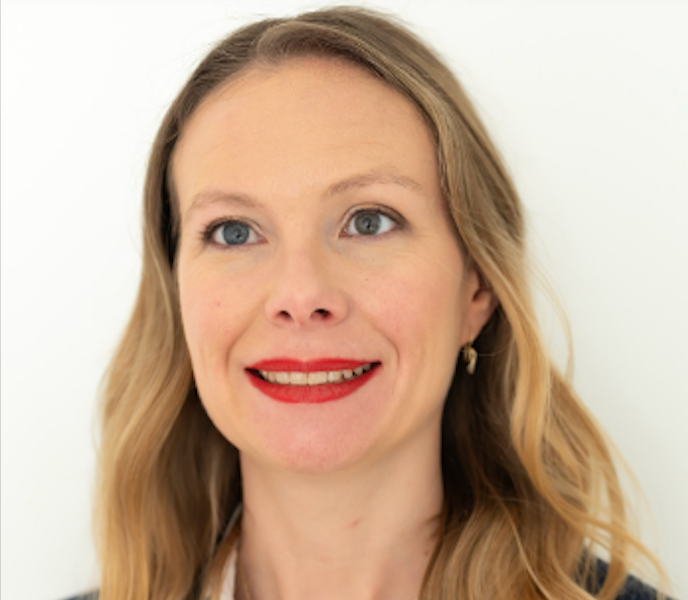
Dr. Mengxi Du is a nutrition and cancer epidemiologist and Registered Dietitian whose research examines how diet, the gut microbiome, and host metabolism influence colorectal cancer development and survivorship. She is the PI of NIH/NCI-funded research that integrates prospective cohort studies, metabolomics, microbiome profiling, and Food-is-Medicine interventions to identify modifiable risk factors and develop precision nutrition strategies for cancer prevention and control. Dr. Du serves as an Assistant Investigator at Massachusetts General Hospital, an Instructor in Medicine at Harvard Medical School, and a Department Associate in Nutrition at the Harvard T.H. Chan School of Public Health.
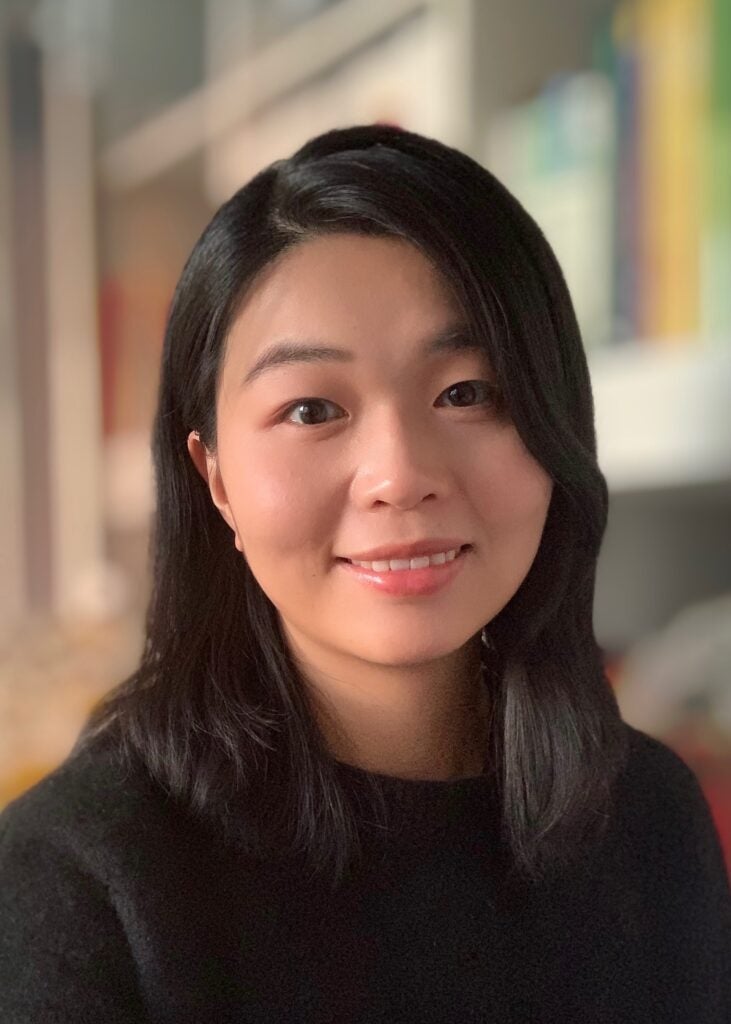
Dr. Heather Eliassen is Professor of Nutrition and Epidemiology at Harvard T.H. Chan School of Public Health and Professor of Medicine at Harvard Medical School. She is Director of the Chronic Disease Epidemiology Unit within the Channing Division of Network Medicine, for which she also serves as Associate Director, at Brigham and Women’s Hospital. Dr. Eliassen is co-PI of two ongoing prospective cohort studies, the Nurses’ Health Study (NHS), founded in 1976 with 121,700 women, and the Nurses’ Health Study II (NHSII), founded in 1989 with 116,400 women. She also is Director of the Channing/Harvard Cohort Biorepository, which houses more than three million biospecimens from 200,000 cohort participants, and Co-Leader of the Cancer Epidemiology Program at the Dana-Farber/Harvard Cancer Center. Her research focuses on breast cancer, and the roles of diet, lifestyle, and underlying biology in risk and survival. Specifically, she is interested in modifiable factors that may reduce the risk of developing breast cancer, and those that may improve survival after breast cancer diagnosis. She incorporates biomarkers, including metabolomic profiles, hormones, and specific markers of dietary intake, as well as biomarkers from tumor tissue. Dr. Eliassen is actively involved in teaching and mentoring graduate students at the Harvard Chan School and mentoring postdoctoral fellows and junior faculty members at Harvard and Brigham and Women’s Hospital. In addition, much of her time is spent working with both internal and external investigators, facilitating the use of the cohort resources.
Prof Roger Foo is a graduate of the NUS Yong Loo Lin School of Medicine (Class of 1992). Upon graduation and national service, he spent 20 years abroad before returning to Singapore in 2013. His specialist training was undertaken at King’s College Hospital, London, and Addenbrooke’s Hospital, University of Cambridge, UK. In 2003, Prof Foo was awarded the UK Wellcome Trust Fellowship to pursue postdoctoral molecular and cellular research at the Albert Einstein College of Medicine, New York, and returned to Cambridge UK in 2006 as a British Heart Foundation Fellow and Consultant Physician, before eventually returning to Singapore. His laboratory is recognised as the first to publish an epigenomic map of the failing human heart in 2012. Now, the Foo lab continues to contribute to discoveries in the field of heart disease epigenetics and gene regulation, having published an in-depth analysis of the cardiac chromatin 3D organisation, and mapped out the mechanisms of nodal pathways that regulate cardiomyocyte cell states. The lab deep dives into the cardiac genome and epigenome, using advanced technologies of single cell transcriptomics, CRISPR gene-editing and induced pluripotent stem cells to push science at the frontiers. Always seeking translational opportunities, Prof Foo was also the first to apply Next Generation sequencing to the cardiac clinic at National University Hospital, and established multiple research and commercial networks with collaborators and biopharma, locally and internationally. He holds an adjunct Research Director position at the Institute of Molecular and Cell Biology in A*STAR, and also mentors many young clinician scientists through his role as Advisor of the NUHS Clinician Scientist Academy and also nationally in the College of Clinician Scientists.
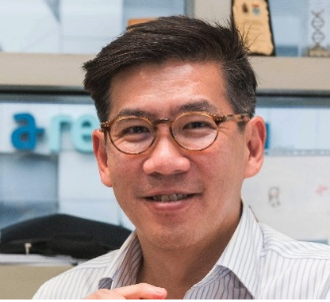
Dr. Edward Giovannucci is a Professor of Nutrition and Epidemiology at Harvard T.H. Chan School of Public Health. In addition, he currently is an American Cancer Society Clinical Researcher Professor. Dr. Giovannucci graduated from Harvard University in 1980, and he received his MD from University of Pittsburgh in 1984. He did his residency in anatomic pathology at the University of Connecticut, and then completed a Doctor of Science in epidemiology from Harvard in 1992. His research focuses on how nutritional, lifestyle and genetic factors affect the risk of development and progression of cancers and other major chronic diseases. A specific interest has been understanding etiologic mechanisms underlying the relation between diet, physical activity, body weight and composition, and metabolic dysfunction and cancer risk. He served as a member for the expert panel for the World Cancer Research Fund/American Institute of Cancer Research and on the United States 2025 Dietary Guidelines Advisory Committee.
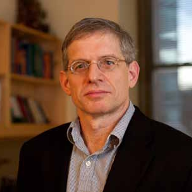
Susan Hankinson, Sc.D., is a Distinguished Professor Emerita at the University of Massachusetts Amherst (UMASS). Her initial training was as a nurse (BS, University of Maine). She later received her doctoral degree in epidemiology from the Harvard Chan School of Public Health and completed her doctoral dissertation using Nurses’ Health Study (NHS) data. After graduating, she stayed at Harvard, and as part of the NHS Research Group, rising to the rank of Professor of Medicine and serving as the Principal Investigator of the NHS from 2006-2011. She directed biologic sample collection and use in the cohorts for many years. Her primary research interest has been in breast cancer etiology and prevention. In 2011, she moved to UMASS, where she served as Professor of Epidemiology, and also Chair of the Department of Biostatistics and Epidemiology and Associate Dean for Research at the School of Public Health and Health Sciences.
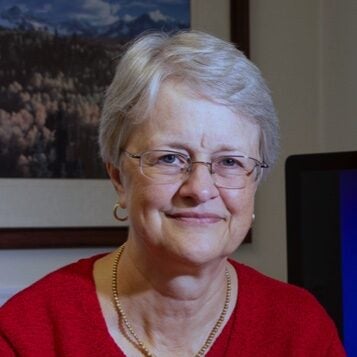
Dr. Hart is an Associate Professor in the Channing Division of Network Medicine at Brigham and Women’s Hospital and Harvard Medical School and the Department of Environmental Health at the Harvard TH Chan School of Public Health. She is an environmental epidemiologist and has worked for over 20 years on studies of the environment and chronic disease risk in the Nurses’ Health Studies.

Dr. Hivert is a Professor in the Department of Population Medicine (DPM) at Harvard Medical School (HMS). She is a clinical investigator with a primary focus on the etiology and prevention of obesity and related metabolic conditions, particularly type 2 diabetes and gestational diabetes. Her research expertise includes fetal metabolic programming mechanisms and the integration of genetics, epigenetics, and environmental factors contributing to obesity and diabetes across the life course. She is the Principal Investigator (PI) of Genetics of Glucose regulation in Gestation and Growth (Gen3G), and co-PI of Project Viva, two independent prospective birth cohorts that investigate the health determinants of mothers and children. She is currently involved in many international consortia investigating the genetics determinants of glycemic regulation during and outside of pregnancy, as well as epigenetics mechanisms linked to prenatal exposures and fetal programming. She is one of the leaders of the international effort “Precision Medicine for Diabetes Initiative” for the field of Gestational Diabetes. At Harvard Medical School, she is the director of the Curricular Theme “Nutrition and Lifestyle Medicine” and the co-director of the Advance Integrated Science Course “Metabolism, Nutrition, and Lifestyle Medicine”. She is also the Director of the Precision Medicine Translational Research (PROMoTeR) Center at DPM and HMS.
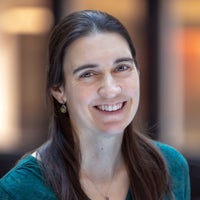
Frank Hu, MD, MPH, PhD, is a world-leading researcher in diet, chronic disease prevention, and healthy aging. He is the Fredrick J. Stare Professor of Nutrition and Epidemiology, Chair of the Department of Nutrition at the Harvard T.H. Chan School of Public Health, and a Professor of Medicine at Harvard Medical School. His pioneering work has shaped the understanding of how diet and lifestyle influence cardiometabolic diseases and healthy aging. He has published over 1,000 scientific papers and is among the top 10 most cited researchers in medicine and public health in the world (H-index 320). His research has been instrumental in advancing precision nutrition, dietary biomarkers, and global efforts to combat chronic disease. His work has significantly influenced national and international dietary guidelines, including his role on the 2015 U.S. Dietary Guidelines Advisory Committee. His contributions to nutrition science and policy have been recognized with numerous honors, including the Kelly West Award for Outstanding Achievement in Epidemiology by the American Diabetes Association, the American Heart Association’ Ancel Keys Memorial Lecturer, and a member of the National Academy of Medicine.
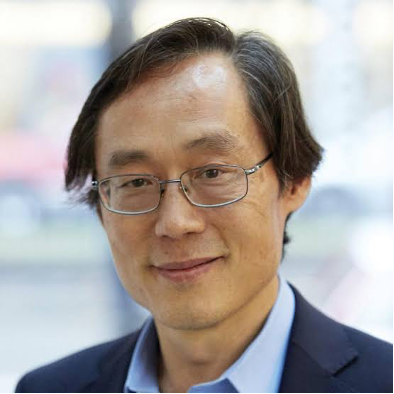
Donald E. Ingber, MD, PhD is the Founding Director of the Wyss Institute for Biologically Inspired Engineering at Harvard University, Judah Folkman Professor of Vascular Biology at Harvard Medical School and Boston Children’s Hospital, and Hansjörg Wyss Professor of Biologically Inspired Engineering at the Harvard’s John A. Paulson School of Engineering and Applied Sciences. He received his B.A., M.A., M.Phil., M.D. and Ph.D. from Yale University. Ingber is a pioneer in the field of biologically inspired engineering, and at the Wyss Institute, he currently leads scientific and engineering teams that cross a broad range of disciplines to develop and commercialize breakthrough bioinspired technologies to advance healthcare and to improve sustainability. Ingber is a member of the National Academies of Medicine, Engineering, and Inventors, American Institute for Medical and Biological Engineering, and the American Academy of Arts and Sciences. He was named one of the Top 20 Translational Researchers world-wide in 2012, 2019, and 2020 and has received numerous other national and international honors. Ingber has made great strides in translating his innovations into commercial products and many are now either in clinical trials or currently being sold. One of his most recent breakthrough is the development of human Organ Chip microfluidic culture devices lined by living human cells that are being used to replace animal testing for drug development, disease modeling, and personalized medicine. His Organ Chip technology was named one of the Top 10 Emerging Technologies by the World Economic Forum and Design of the Year by the London Design Museum. It was also acquired by the Museum of Modern Art (MoMA) in New York City for its permanent design collection. Ingber also has authored more than 600 publications and almost 200 patents, and founded 9 companies, including Emulate Inc., the leading manufacturer of Organ Chip systems.
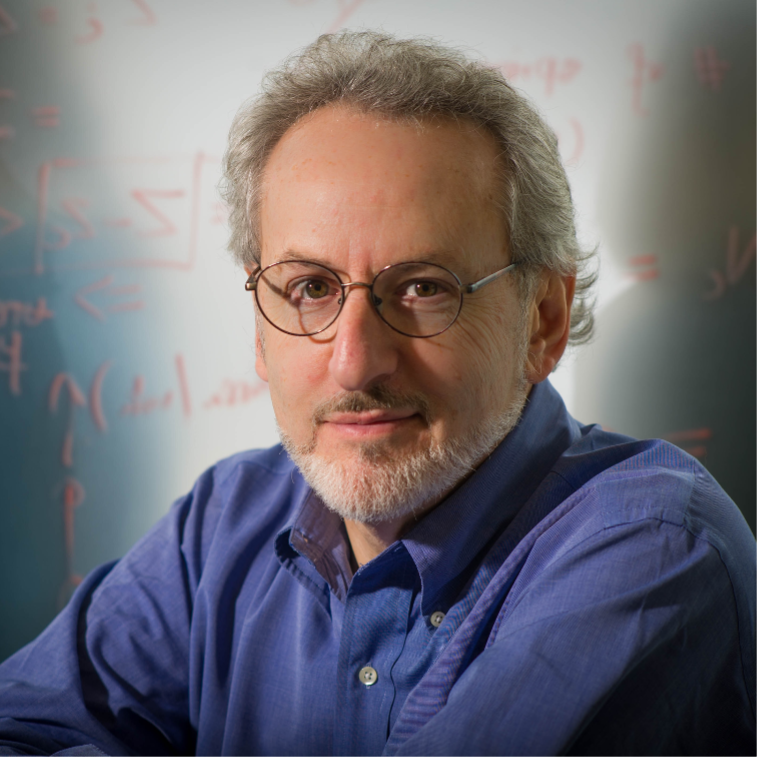
In July 2010, Dr. Ana Langer joined the Harvard T. H. Chan School of Public Health as a Professor of the Practice of Public Health (Department of Global Health and Population), and lead of the Women and Health Initiative. Dr. Langer, a physician specializing in pediatrics and neonatology and a reproductive health expert, has conducted research in low and middle-income countries and published extensively on women and health: maternal health; unsafe abortion; contraception; strategies to improve quality of reproductive health care; integration of maternal and newborn health care; and maternal health in humanitarian settings. Dr. Langer retired from HSPH in December 2022 and was appointed as Professor of the Practice, Emerita at Harvard University.
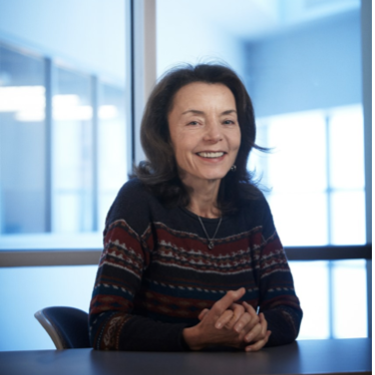
Chuwen Ling is a Research Fellow at the Global Centre for Asian Women’s Health (GloW) and the Department of Obstetrics & Gynaecology, Yong Loo Lin School of Medicine, National University of Singapore. She holds an MD and a PhD in Epidemiology and Health Statistics and previously practised as a physician specialising in clinical nutrition. Her research integrates nutritional epidemiology with multiomics approaches, including metabolomics and gut microbiome profiling, to investigate the biological mechanisms and modifiable determinants of women’s cardiometabolic health, particularly pregnancy complications and cardiovascular disease, across the life course.

Dr Mariana Losada has worked in scientific diplomacy for over fifteen years. She serves as Paris-NUS Programme Director; Special Advisor Asia-Pacific to the Presidency, Université Paris Cité; and Senior Assistant Director of International Affairs at GloW NUS. As a Senior Fellow at NUS College, she teaches a class on Women’s Health. She holds a PhD in Political Science from Sciences Po and was a visiting fellow at the Universities of Oxford and Chicago. Motivated by personal experience, she is a dedicated advocate for women’s health. Over her career, she has held roles at the Fulbright Commission, UNESCO and UNICEF.
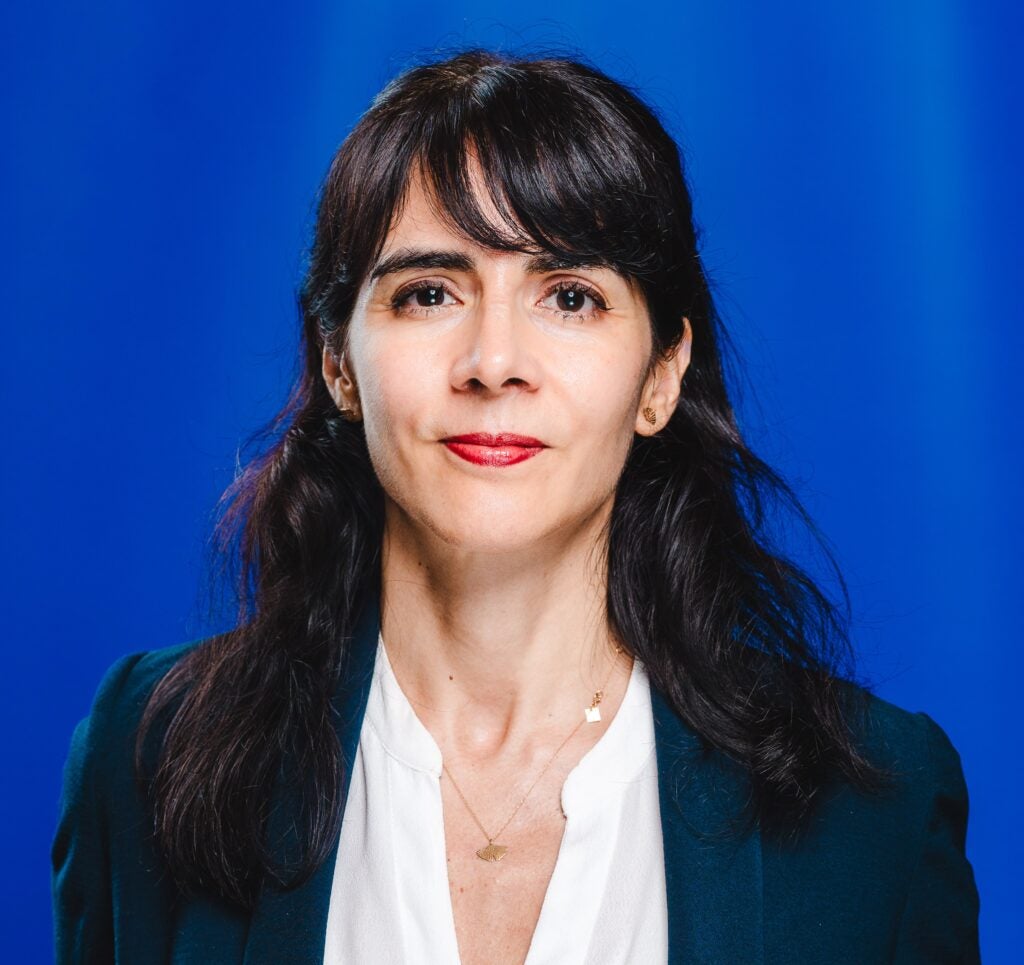
Shruthi Mahalingaiah, MD, MS, FACOG is an associate professor of environmental, reproductive, and women’s health at the Harvard T.H. Chan School of Public Health. She serves clinically as a physician at the Massachusetts General Hospital in the Department of Obstetrics and Gynecology, where she specializes in ovulation disorders, reproductive endocrinology, and infertility. Her research seeks to understand the links between environmental and modifiable risk factors on human reproduction and gynecological diseases. Dr. Mahalingaiah is the creator of the Ovulation and Menstruation Health (OM) Study and she is a principal investigator for the Apple Women’s Health Study.
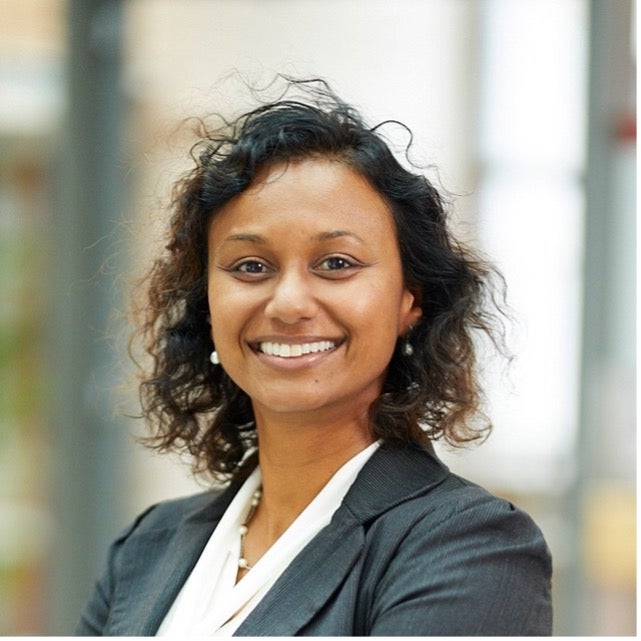
JoAnn E. Manson, MD, MPH, DrPH, MACP, is Professor of Medicine and the Michael and Lee Bell Endowed Professor of Women’s Health at Harvard Medical School, Professor in the Department of Epidemiology, Harvard T.H. Chan School of Public Health, and Chief of the Division of Preventive Medicine at Brigham and Women’s Hospital (BWH). Dr. Manson is a physician epidemiologist, endocrinologist, and Principal Investigator (PI) or co-PI of several research studies, including the Women’s Health Initiative Clinical Center In Boston, the cardiovascular component of the Nurses’ Health Study, the VITamin D and OmegA-3 TriaL (VITAL); the COSMOS trial, and the VItamin D for COVID-19 (VIVID) trial.
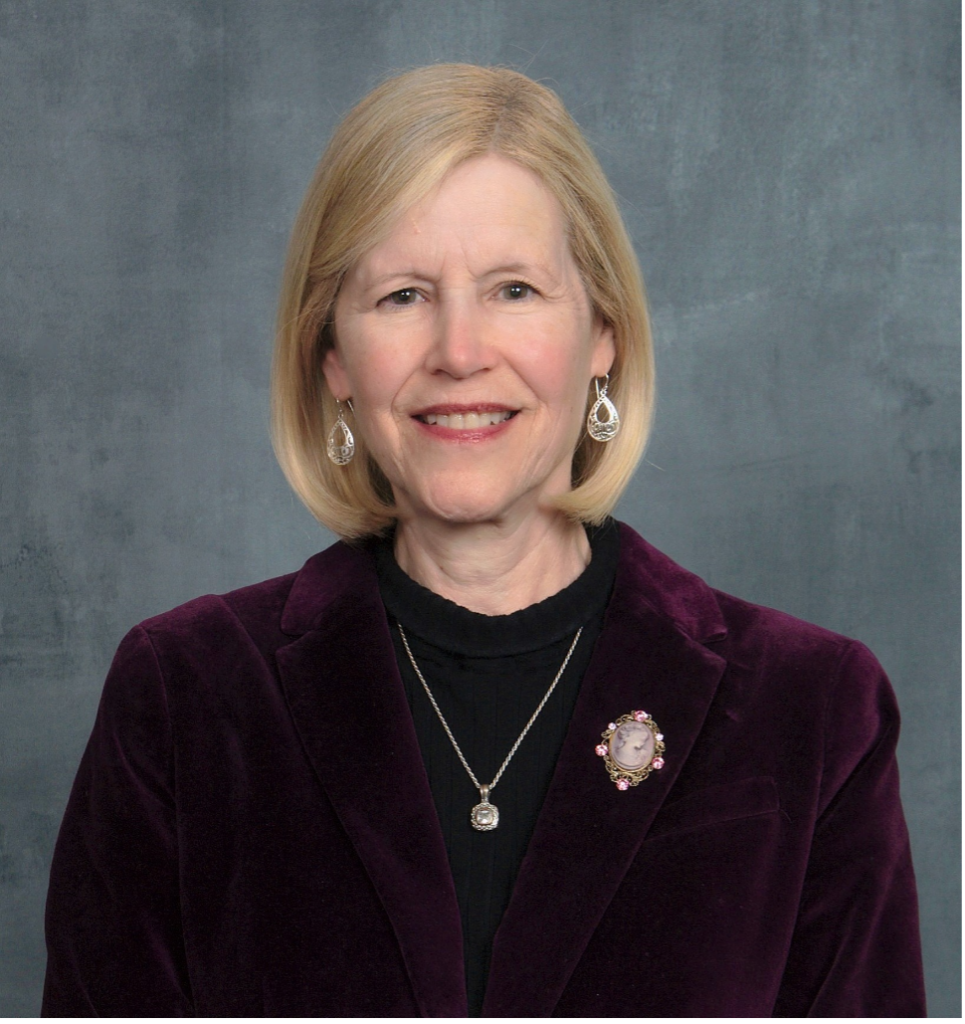
Miguel A. Martínez-González, MD, PhD is Professor of Public Health (University of Navarra, Spain), and Adjunct Professor at Harvard TH School of Public Health (Nutrition). Founder of the Department of Public Health at his University. Principal Investigator of large cohorts and trials (SUN, PREDIMED, PREDIMED-Plus and UNATI). He has published more than 1200 articles indexed in Web of Science and has been mentor of a large group of Professors of Epidemiology and Public Health. He is one of the most cited Spanish researchers. Doctor Honoris Causa by Almeria University and recipient of the 2023 “Gregorio Marañón” Award.
Diana Vaca McGhie is the Lead for Healthcare Policy at the World Economic Forum, where she advances the Centre for Health and Healthcare’s initiatives by engaging in key international forums, such as the G20, and strengthening relationships with governments. She serves as the primary liaison to the World Health Organization and G20 ministries, driving international collaboration on health priorities including preventive care, healthcare transformation, and health system resiliency. With over 20 years of experience in non-profit leadership, international relations, and advocacy, Diana has built strategic alliances with governments, medical associations, and the private sector to improve public health outcomes. She holds a Bachelor of Science in Business Administration from Stony Brook University and a master’s in public administration from New York University.
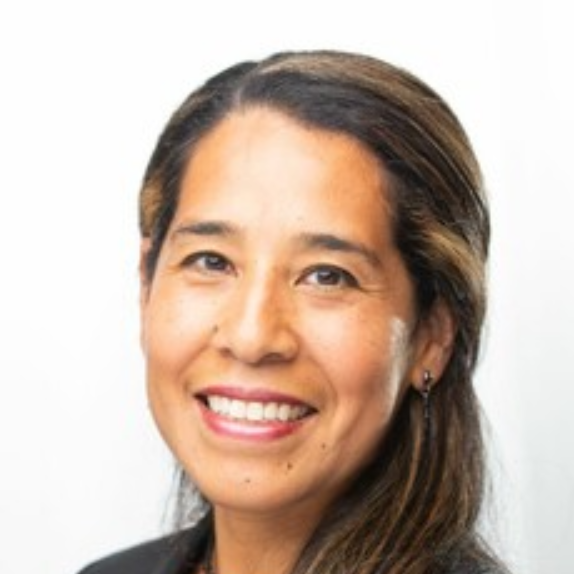
Stacey Missmer, Sc.D., is an epidemiologist who established the first longitudinal study of endometriosis – within the Harvard Nurses’ Health Studies, which identified in utero, early life body size and dietary risk factors and also discovered that women with endometriosis face elevated risk of cardio- and cerebrovascular disease, early natural menopause, and long COVID. To enhance patient inclusion and international collaboration, she designed and co-leads the Endometriosis Phenome and Biobanking Harmonization Project (WERF EPHect) and the Women’s Health Study: from Adolescence to Adulthood (A2A), and is USA PI of the International Endometriosis Genome Consortium (IEGC). Dr. Missmer is Current Past President of the World Endometriosis Society and Field Chief Editor for Frontiers in Reproductive Health.

Sonia Muliyil (MSc, PhD), Editor-in-Chief, The Lancet Group, London, UK. Prior to joining The Lancet Group as the founding Editor-in-Chief of The Lancet Obstetrics, Gynaecology, & Women’s Health, I worked as a Senior Editor for Nature Medicine, handling manuscripts in women’s health, reproductive medicine, child and adolescent health, as well as metabolic diseases. I have also served as the lead editor of Trends in Genetics and a consulting editor for Cell Genomics and Developmental Cell. My PhD research focused on understanding the complex interplay between apoptotic signals and mitochondrial dynamics that drive cell delamination. As an EMBO and HFSP fellow at the University of Oxford (UK), I investigated the role of TNF signalling in lipid metabolism and neurodegeneration.

Dr. Nawal Nour is a Kate Macy Ladd Endowed Professor at Harvard Medical School and serves as the Chair of the Obstetrics and Gynecology at Mass General Brigham. She is a trailblazing leader in women’s health, having previously served as Chair of the Department of Obstetrics and Gynecology, Chief Diversity and Inclusion Officer for Faculty, Trainees and Students, and Director of both Ambulatory Obstetrics & Gynecology and Global Obstetrics and Gynecologic Health at Brigham and Women’s Hospital.
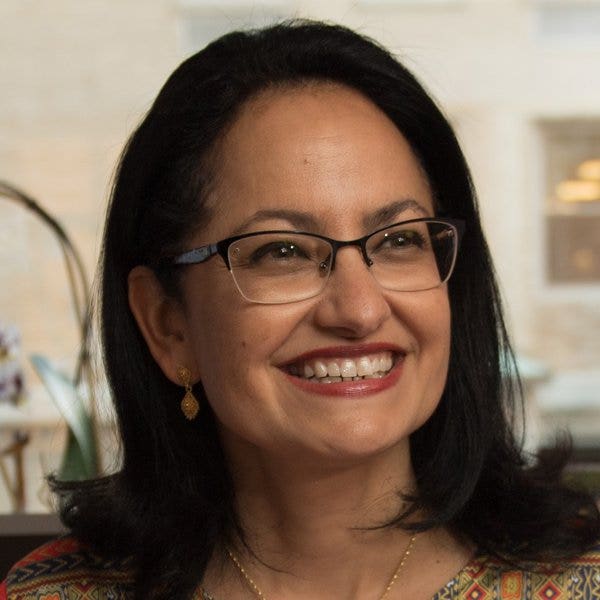
Emily Oken, MD, MPH is Professor and Chair of the Department of Population Medicine at Harvard Medical School and the Harvard Pilgrim Health Care Institute, and Professor of Nutrition at the Harvard T.H. Chan School of Public Health. Her research examines how nutrition and other modifiable factors during pregnancy and early childhood influence long‑term health, including cardiometabolic outcomes and child development. She leads major longitudinal studies such as Project Viva and collaborates on global cohorts. A leader in developing nutrition guidelines, she is an ASCI inductee and an award‑winning mentor with clinical training in internal medicine and pediatrics.
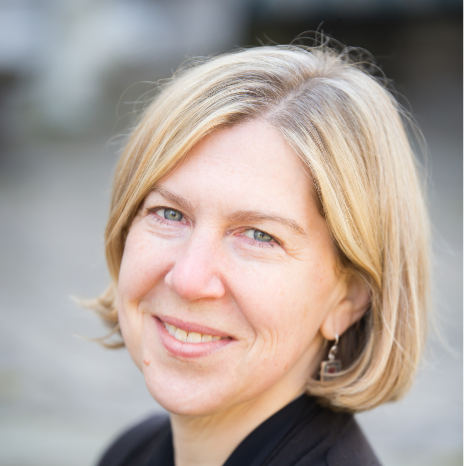
Dr. Okereke is a Board-certified geriatric psychiatrist and Chief of the Division of Geriatric Psychiatry and Aging and Director of the Psychiatry Center on Disparities at the Mass General Brigham Academic Medical Centers Department of Psychiatry. She is the Terry and Jean de Gunzburg MGH Research Scholar 2021-2026, the Olga Danieli Associate Professor of Psychiatry in the Field of Depression at Harvard Medical School, and Associate Professor in Epidemiology at the Harvard T.H. Chan School of Public Health. Her research focuses on modifiable risk factors and prevention of adverse mental aging, including late-life depression and cognitive decline, and reduction of health disparities in aging. She has published over 175 peer-reviewed journal articles, and her Google Scholar H-index is 62. Her expertise in aging has been recognized with invitations to national and international meetings and expert panels. She contributes to the next generation of scholars in aging and mental health through PI, mentoring, and/or steering leadership roles on multiple NIH T32, R25 and P30 grants with a specific focus on training for early-career scientists. Dr. Okereke has been extensively involved in organizational leadership, community education and service over the past 20 years, and her roles have included membership on the Board of Directors of the Alzheimer’s Association MA/NH Chapter, Chair of the Chapter Medical and Scientific Advisory Committee and Chair of the Annual Meeting; election to the Board of Directors of the American Association for Geriatric Psychiatry (AAGP) and two-terms of service on the American Psychiatric Association (APA) Council on Geriatric Psychiatry. She has been recognized by both the AAGP and the American Psychiatric Association with the Distinguished Fellow honor, by the Massachusetts Psychiatric Society with the Outstanding Psychiatrist Award for Research, and by the Women in Medicine Legacy Foundation.
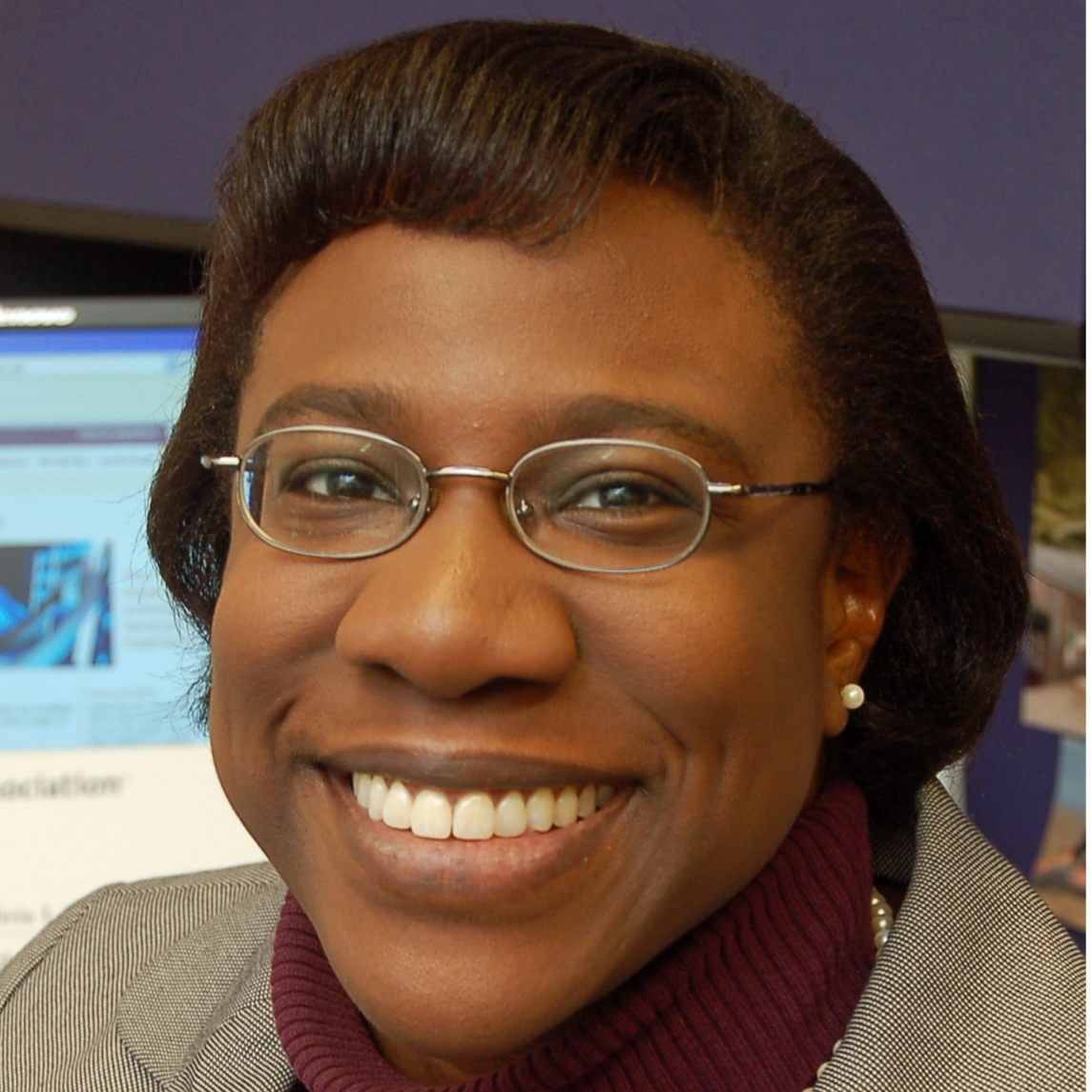
Professor Liona Poon is Professor of Obstetrics and Gynaecology and an Academic Subspecialist in Maternal-Fetal Medicine at the Chinese University of Hong Kong, Hong Kong SAR, China, and a Visiting Professor at the Department of Women and Children’s Health, King’s College London, UK. She also serves as a Visiting Professor for several other universities worldwide. She is internationally recognized for her dedication to improving maternal and fetal health and has an extensive research portfolio, with over 350 peer-reviewed publications in high-impact journals and an H-index of 77. For the past 20 years, Professor Poon has focused on developing strategies for the early prediction and prevention of preeclampsia, one of the leading causes of maternal and perinatal morbidity and mortality. Her pioneering work includes developing a first-trimester prediction model that combines maternal risk factors, ultrasound, blood pressure, and biochemical markers, and establishing aspirin prophylaxis as a preventive measure.
Her vision extends beyond obstetric care: to transform women’s health globally through clinical research, education, and advocacy, ensuring that early screening and prevention become standard practice across the continuum of care. Professor Poon remains dedicated to improving outcomes for women and babies, driving innovation that shapes policy and practice worldwide.
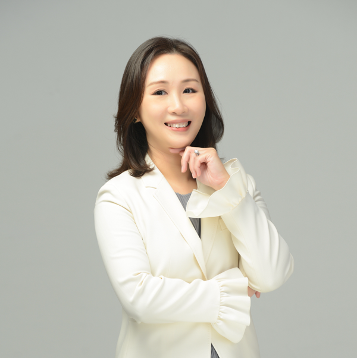
Professor Matthieu Resche-Rigon, born on 1 October 1972, currently serves as Dean of the Faculty of Health at Université Paris Cité. He holds a Master’s degree in Biomathematics (2002) and a State Doctorate in Medicine (2003) from Université Denis Diderot, followed by a PhD in Public Health Sciences, specializing in Biostatistics, from Université Pierre et Marie Curie.
Professor Resche-Rigon has pursued his hospital and academic career within the Department of Biostatistics and Medical Informatics at Hôpital Saint-Louis (AP-HP), under the direction of Professor S. Chevret, rising through the ranks to become Full Professor and Hospital Practitioner (PU-PH) in 2016. In 2010–2011, he undertook an international research fellowship at the Medical Research Council’s Biostatistics Unit, University of Cambridge, United Kingdom.
Over the course of his career, he has held a series of significant academic leadership positions, including Director of the Pierre Louis Doctoral School of Public Health (2016–2019) and Vice-Dean of the Faculty of Health (2019–2023), prior to his appointment as Dean in 2023. He also serves on several national scientific bodies, including the Executive Board of the French National Health Research Program Agency and the Board of Imagine Institute, Necker.
As a member of the “Clinical Epidemiology and Statistics for Research in Health” (ECSTRA) team, his research spans regression modeling in hematology-oncology, causal inference methods, and multiple imputation techniques for missing data. His scientific contributions include 270 publications indexed in PubMed and an h-index of 81 on Google Scholar.
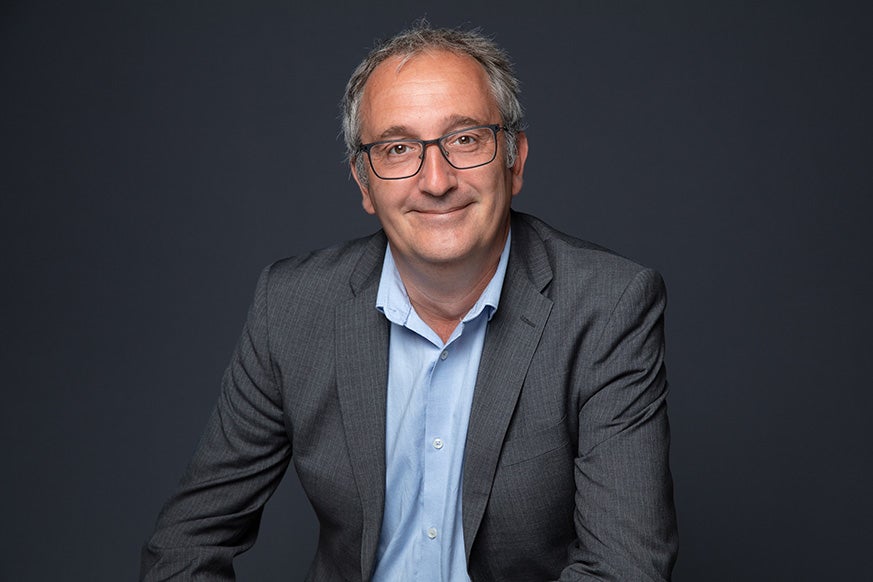
Dr. Kathryn Rexrode is the Chief Academic Officer at Brigham and Women’s Hospital (BWH), Chief of the Division of Women’s Health in the Department of Medicine at Mass General Brigham, and a Professor of Medicine at Harvard Medical School. Dr. Rexrode has broad and deep research experience in women’s health, with a focus on the impact of metabolism and female-specific risk factors on the risk of heart disease and stroke in women. As Chief of the Division of Women’s Health she oversees the Gretchen and Edward Fish Center for Women’s Health which provides comprehensive women’s health services. Building on its core mission of leading the field in state-of-the-art care for women, the Division of Women’s Health conducts translational women’s health research and leads innovative education programs for medical students, residents, and faculty to advance the health of women.
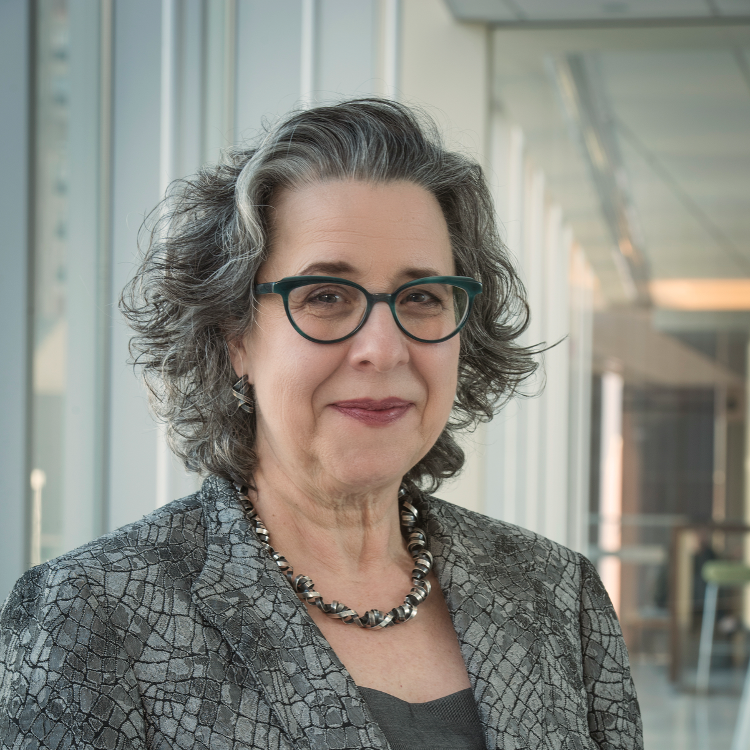
ERIC RIMM, SCD is professor of epidemiology and nutrition and director of the program in cardiovascular epidemiology at the Harvard T.H. Chan School of Public Health, and professor of medicine at the Harvard Medical School. He also serves as the Director of the PhD Program in for the 180+ doctoral students in the Populations Health Sciences Program at the Griffin Graduate School of Arts and Sciences at Harvard University. He is internationally recognized for his extensive work in the study of the health effects of moderate alcohol consumption, whole grains, micronutrients, and polyphenols. He also studies the impact of local and national nutrition policy as it relates to the improvement of diets of school children, the 1 in 8 Americans on the Supplemental Nutrition Assistance Program (SNAP), and other federal nutrition assistance programs. He served on the National Academy of Sciences’ food policy advisory committee for the USDA’s Economic Research Service and previously served on the scientific advisory committee for the 2010 U.S. Dietary Guidelines for Americans. He is also a nutritional advisor to the Boston Red Sox and the Liverpool Football Club in the English Premier League. He has published more than 1000 peer-reviewed publications during his 30 years on the faculty at Harvard. Eric has received several awards for his work including the American Society for Nutrition Innovation Award.
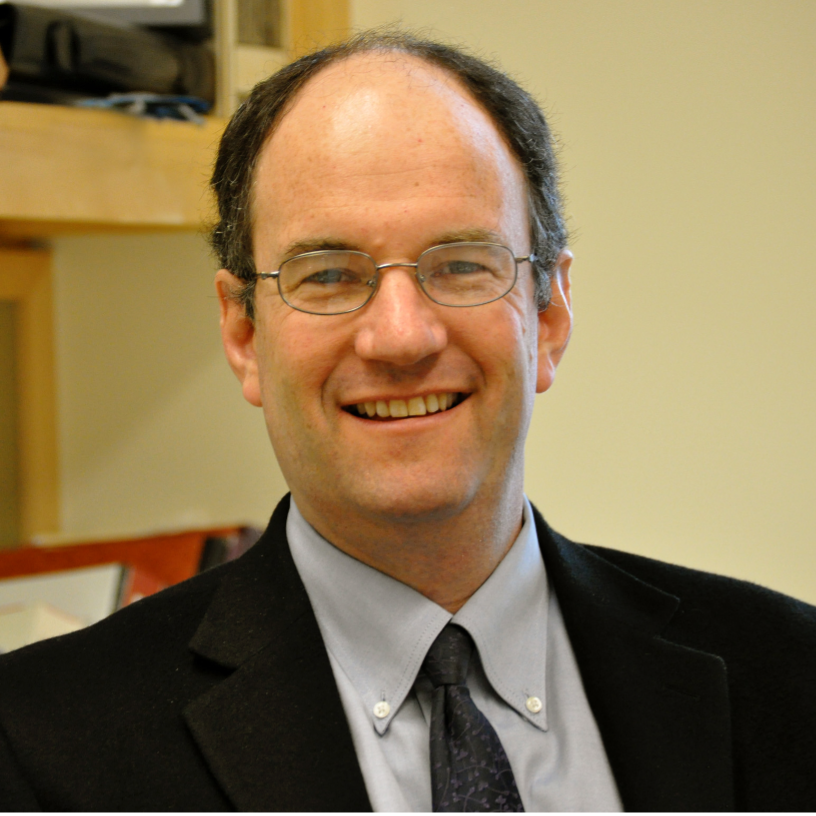
Dr. Romanos-Nanclares is a nutritional and cancer epidemiologist. Her research focuses on understanding the role of diet in breast cancer prevention and survival. As a recipient of the K99/R00 grant from the National Cancer Institute, she is leading a project to investigate the role of chronic inflammation—specifically related to diet—in breast cancer development, focusing particularly on estrogen receptor-negative breast cancer. Using a multi-omics approach, she is combining metabolomics of pro-inflammatory dietary patterns, plasma proteomics, and tumor tissue transcriptomics, drawing on the extensive resources of the Nurses’ Health Studies. Her long-term goal is to integrate diet and lifestyle factors with multi-omics biomarkers to understand the biological pathways underlying aggressive breast tumors and extend this work into cancer survivorship.
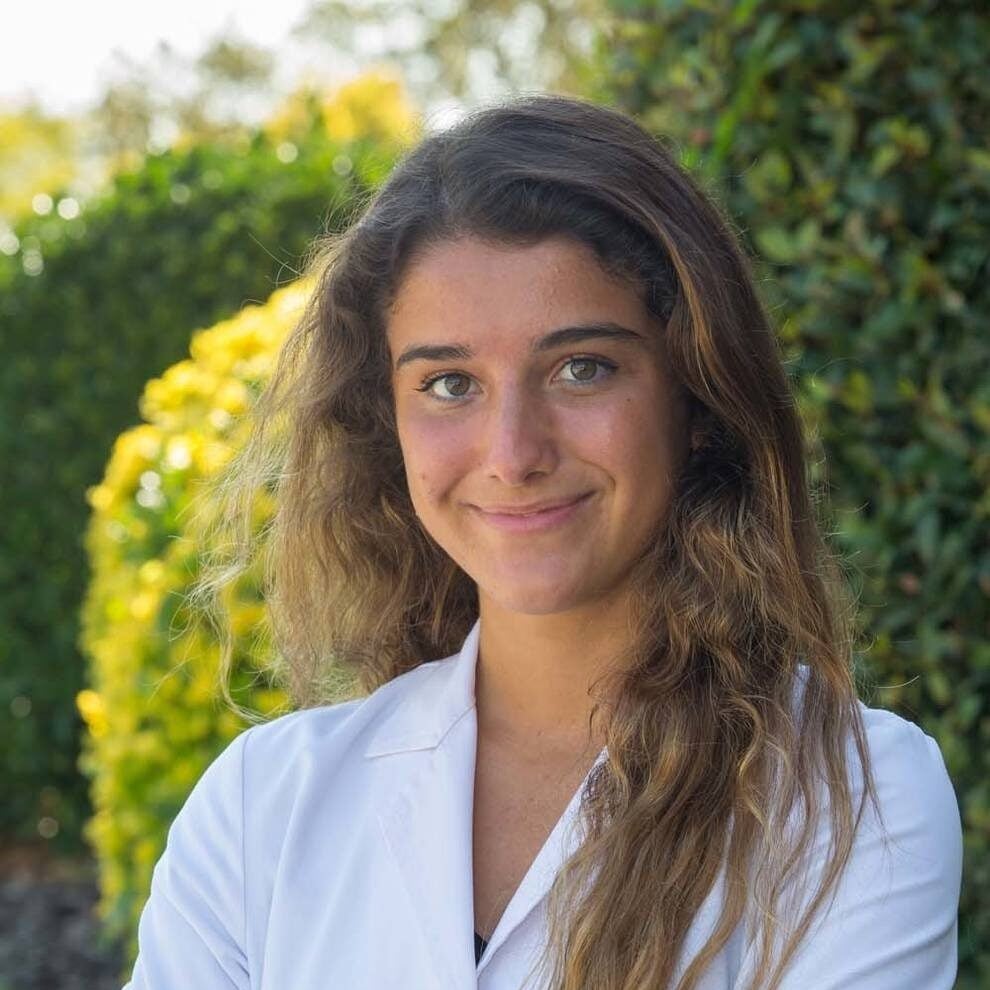
Maria Patrizia Santos, PhD, is a postdoctoral research fellow at the Harvard T.H. Chan School of Public Health. Her research centers on cardiometabolic and women’s health, with a focus on benchmarking traditional regression approaches against machine learning methods for predicting long-term clinical outcomes. Working with large prospective cohorts and electronic health record data, she examines where flexible algorithms add predictive value over established epidemiologic models, and where they do not. Her work spans nutritional epidemiology, risk prediction, and algorithmic fairness.

Dr. Zhila Semnani-Azad is an Assistant Professor at the National University of Singapore Department of Obstetrics and Gynaecology and Global Centre for Asian Women’s Health. She also serves as the Assistant Director of the NUS MSc in Nutrition and Lifestyle Medicine program. Trained at the University of Toronto and the Harvard T.H. Chan School of Public Health, her research integrates epidemiological methodologies with precision approaches, leveraging metabolomics to examine how obesity and lifestyle shape cardiometabolic health. Her work spans the life course, from early childhood to older adulthood, drawing on cohorts across North America, Europe, and Asia, with emphasis on women’s health and multi-ethnic populations.
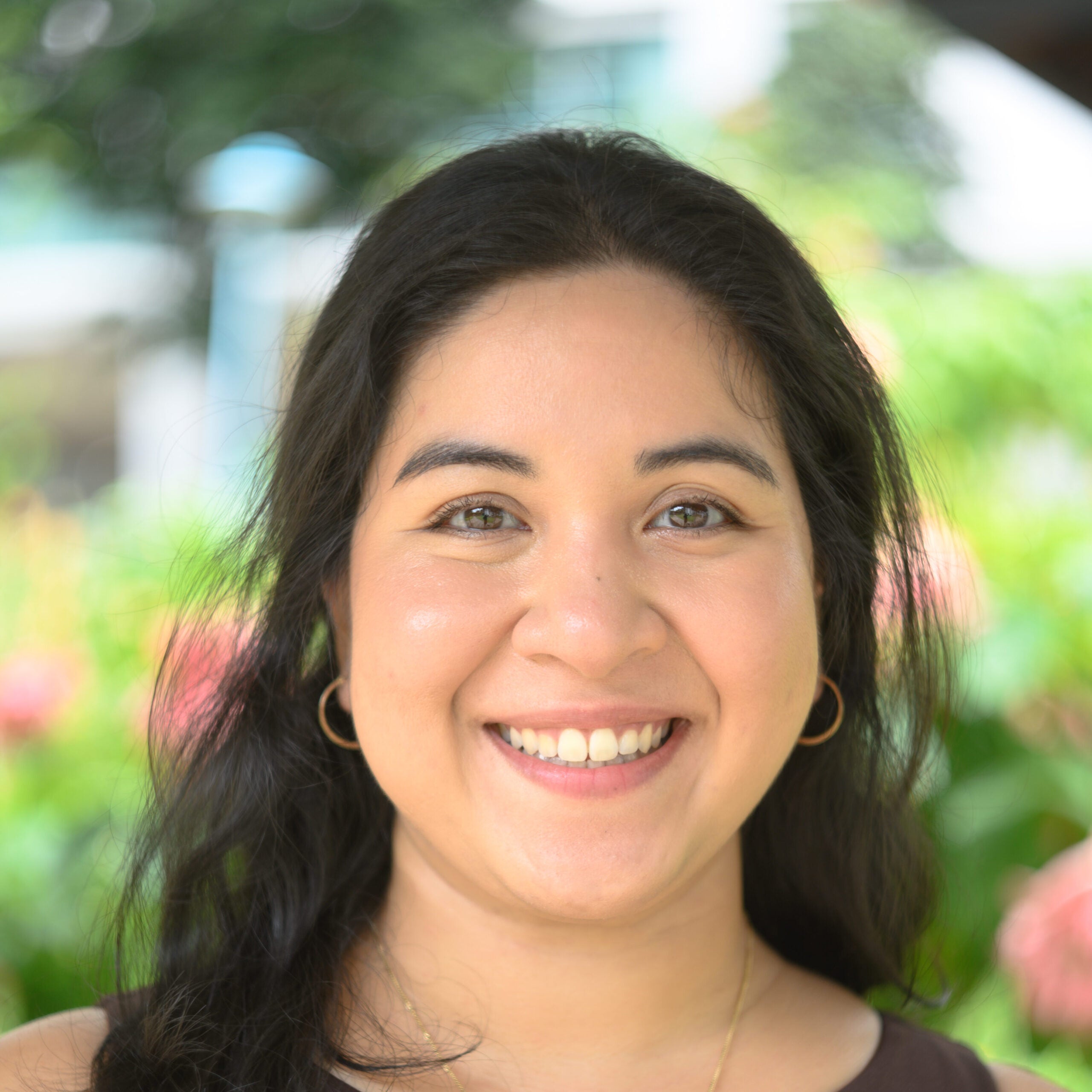
Professor Chong Yap Seng is Dean of the NUS Yong Loo Lin School of Medicine, Deputy Chief Executive (Education and Research) at the National University Health System, and Pro-tem Executive Director of Singapore’s RIE Grand Challenge on Maximising Healthy and Successful Longevity. He is also the Chief Clinical Officer at A*STAR’s Institute for Human Development, lead principal investigator of the GUSTO and S-PRESTO birth cohort studies, and a practicing obstetrician. A recipient of multiple research accolades, including the National Outstanding Clinician Scientist Award (2017), he was conferred the ATOM Lifetime Achievement Award for Healthcare.
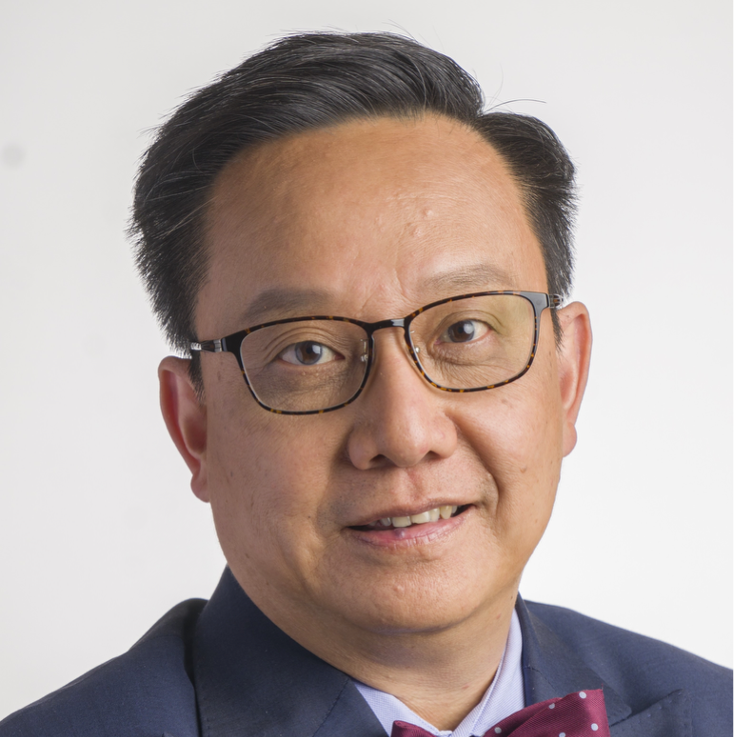
Dr. Edwin Silverman is a pulmonologist and genetic epidemiologist whose research focuses on chronic obstructive pulmonary disease. He is Principal Investigator or Multiple Principal Investigator of multiple studies of COPD genetics, including the COPDGene Study. His recent work has focused on identifying functional genetic variants influencing COPD susceptibility; integrating imaging, physiology, clinical characterization, genetics, and Omics to identify COPD subtypes; and defining networks of interacting biological factors in COPD pathogenesis. He is Professor of Medicine at Brigham and Women’s Hospital and Harvard Medical School, and Executive Vice Chair of the Mass General Brigham Department of Medicine. For 14 years, he served as the Chief of the Channing Division of Network Medicine at Brigham and Women’s Hospital.
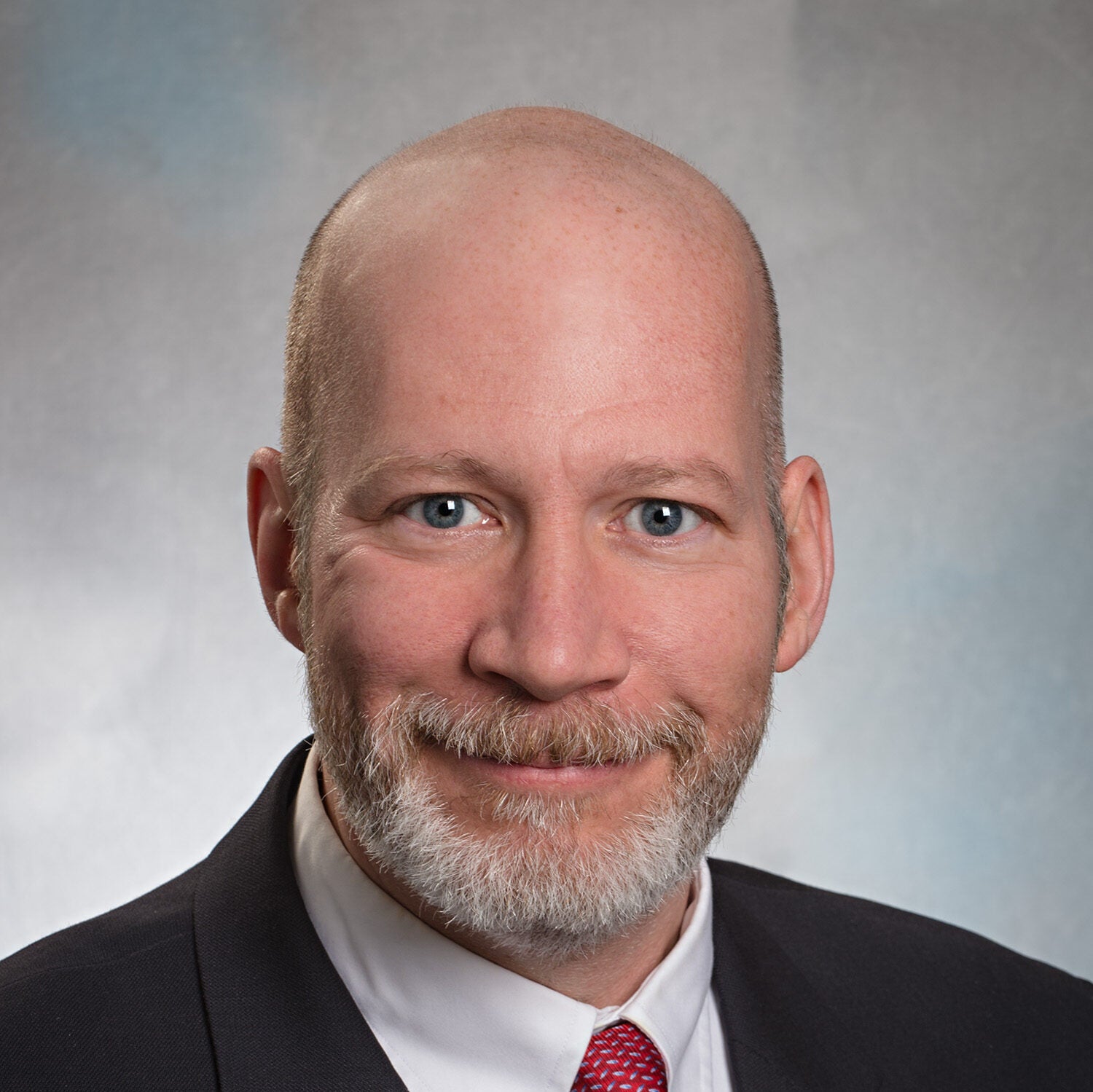
Dr. Frank Speizer was the founding principle investigator of a population based prospective study of over 120,000 women aged 30-55 (Nurses’ Health Study) that started in 1976 and has continued actively to this date. Although originally designed to study the long term outcomes related to the use of exogenous hormones and contraceptives the study has expanded to assess a number of behavioral, nutritional and other life style risk factors for a wide variety of chronic diseases. Dr. Speizer has carried out other large scale population based studies that have included a number of air pollution and health studies, most notably the Harvard Six City Study, as well as other physiologic and epidemiological studies in healthy and disease population groups. Currently Dr. Speizer is a co investigator in The Former Players Health Study at Harvard University, the largest study of living former National Football League players who are being assessed for potential risks related to their football playing experiences. Chronic diseases in a variety domains including neurocognitive, cardiovascular, muscular skeletal, endocrine, and psycho-social outcomes are being assessed prospective.
Meir Stampfer earned his MD from NYU School of Medicine and his DrPH from Harvard School of Public Health, where he is Research Professor of Epidemiology and Nutrition; he previously served as Epidemiology Department Chair. He also serves as Professor of Medicine at Harvard Medical School. His research focuses on cardiovascular diseases, cancer, diabetes and cognitive decline. He is consistently identified among the most highly cited scientists. Dr. Stampfer has been closely involved with the Nurses’ Health Study since 1979, and has served as PI and co-PI for part of that time.
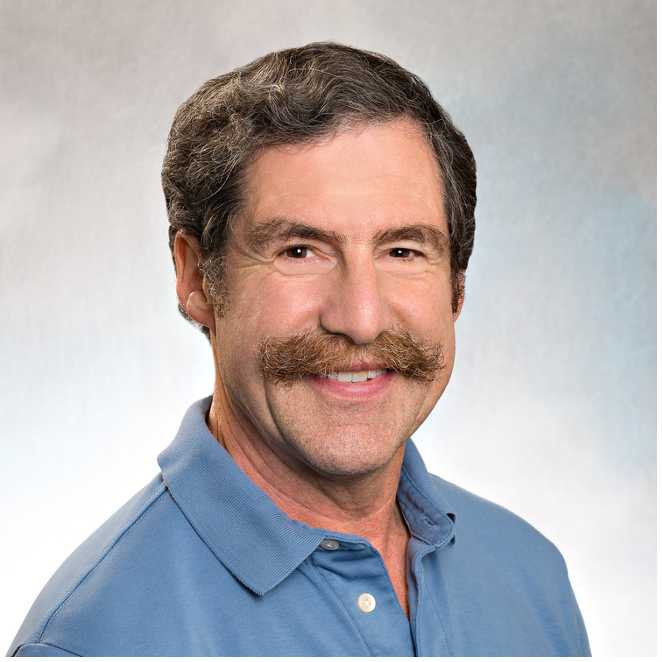
Dr. Qi Sun’s research is focused on identifying novel biomarkers of diet and environmental exposures and risk of obesity, type 2 diabetes, and cardiovascular disease by integrating the state-of-the-art of omics technologies and nutritional epidemiologic approaches. His research has led to the discovery of endogenous metabolites (e.g., very-long chain fatty acids), endocrine disruptors (e.g., BPA and PFASs), circulating proteins (e.g., FABP4 and sOB-R), and gut microbiome as predictors or modulators of human metabolic diseases. His findings have enhanced our understanding of the biological mechanisms underlying nutrition and metabolic health and contributed to the US dietary guidelines for chronic disease prevention.
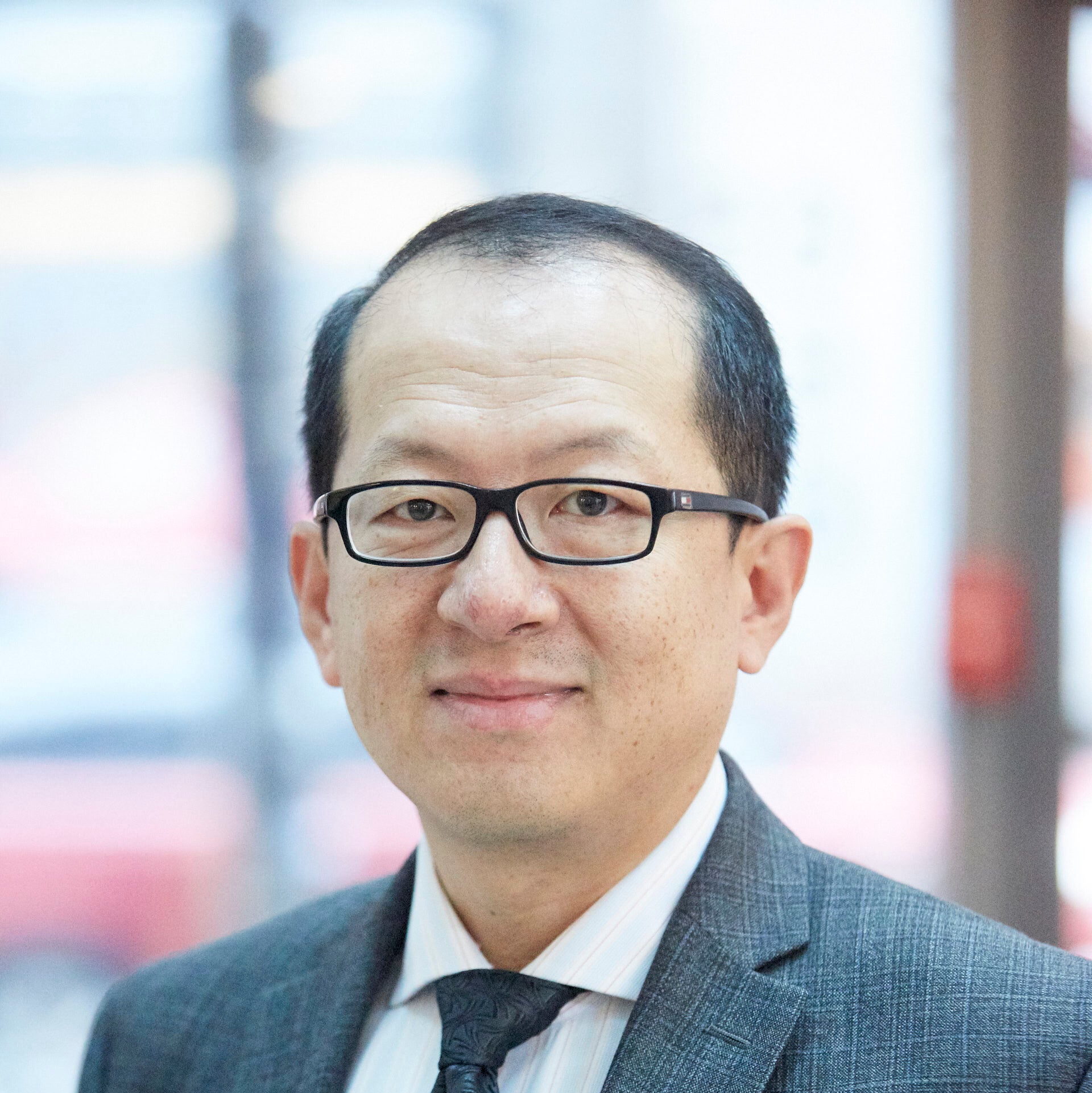
Dr. Deirdre Tobias is an Associate Professor and epidemiologist at the Brigham and Women’s Hospital and HSPH, leading research in nutrition, obesity, and chronic disease prevention. Dr. Tobias’s work focuses on the long-term health impacts of diet and lifestyle, and the advancement of rigorous and reproducible research methods. Dr. Tobias is the PI of NIH-funded research, including investigating the metabolic link between obesity and cancer. She is the Academic Editor for the top-ranked American Journal of Clinical Nutrition and recently served as a member of the scientific committee for the 2025-2030 Dietary Guidelines for Americans.
Vassilis Tsatsaris is Professor of Obstetrics and Gynecology and Vice-Dean of the Faculty of Medicine at Université Paris Cité and AP-HP, based at Port-Royal Maternity Hospital (GHU AP-HP.Centre). A specialist in maternal-fetal medicine and perinatal care, he leads clinical and translational research focused on high-risk pregnancies, placental pathology, and obstetric complications including preeclampsia. He co-directs the Institute for Women and Interdisciplinary Research in Science and Health (iWISH), an interdisciplinary research institute dedicated to women’s health in Paris. He is actively engaged in international partnerships, particularly in Africa, and in shaping the future of obstetric imaging and perinatal medicine.

Dr. Daniel Wang is an Assistant Professor at Harvard Medical School and Harvard T.H. Chan School of Public Health. His research integrates nutrition, the human microbiome and virome, multi-omics, and epidemiology to understand the biological mechanisms underlying cardiometabolic diseases and Alzheimer’s disease and related dementias. Leveraging large-scale longitudinal cohorts and randomized trials, his program develops precision prevention strategies that account for individual differences in diet, microbial communities, molecular profiles, and genetic susceptibility. He also serves as a PI in the NIH Human Virome Program and leads collaborative efforts to characterize the human microbiome and virome in chronic disease.
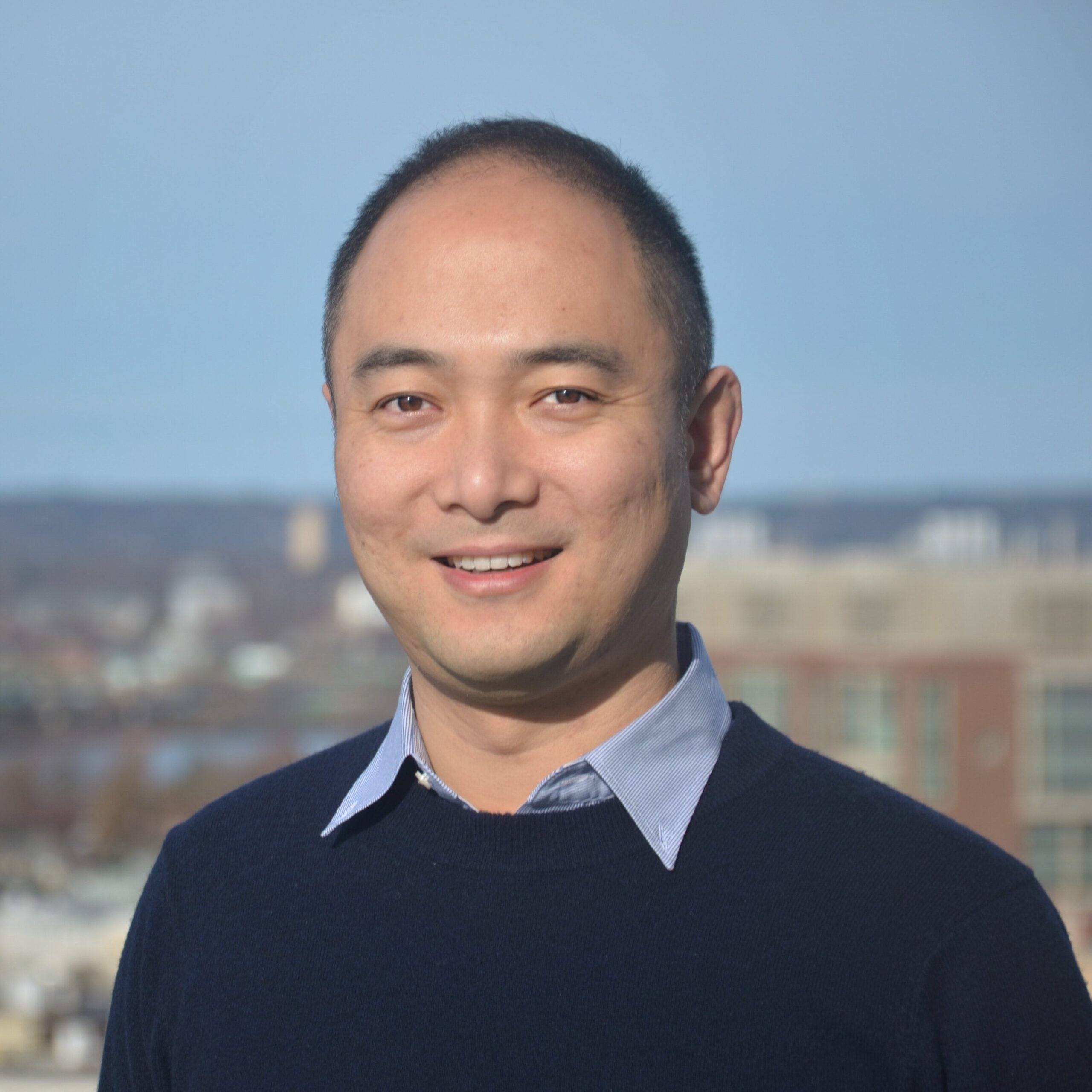
Michelle A. Williams, ScD, Professor of Epidemiology and Population Health, Stanford University, School of Medicine, Adjunct Professor of Epidemiology, Harvard TH Chan School of Public Health, Former Dean of the Faculty, Harvard TH Chan School of Public Health. Dr. Williams is a renowned epidemiologist, an award-winning educator, and a widely recognized academic leader. She is a tenured Professor of Epidemiology and Population Health at Stanford University. Her research places special emphasis in the areas of reproductive, perinatal, pediatric, and molecular epidemiology. She has published more than 550 scientific articles and was elected to the National Academy of Medicine in 2016. She has an undergraduate degree in biology and genetics from Princeton University, a master’s in civil engineering from Tufts University, and master’s and doctoral degrees in epidemiology from the Harvard Chan School. Her book, “The Cure for Everything: The Epic Struggle for Public Health and a Radical Vision for Human Thriving,” was published by Penguin Random House on February 3, 2026.
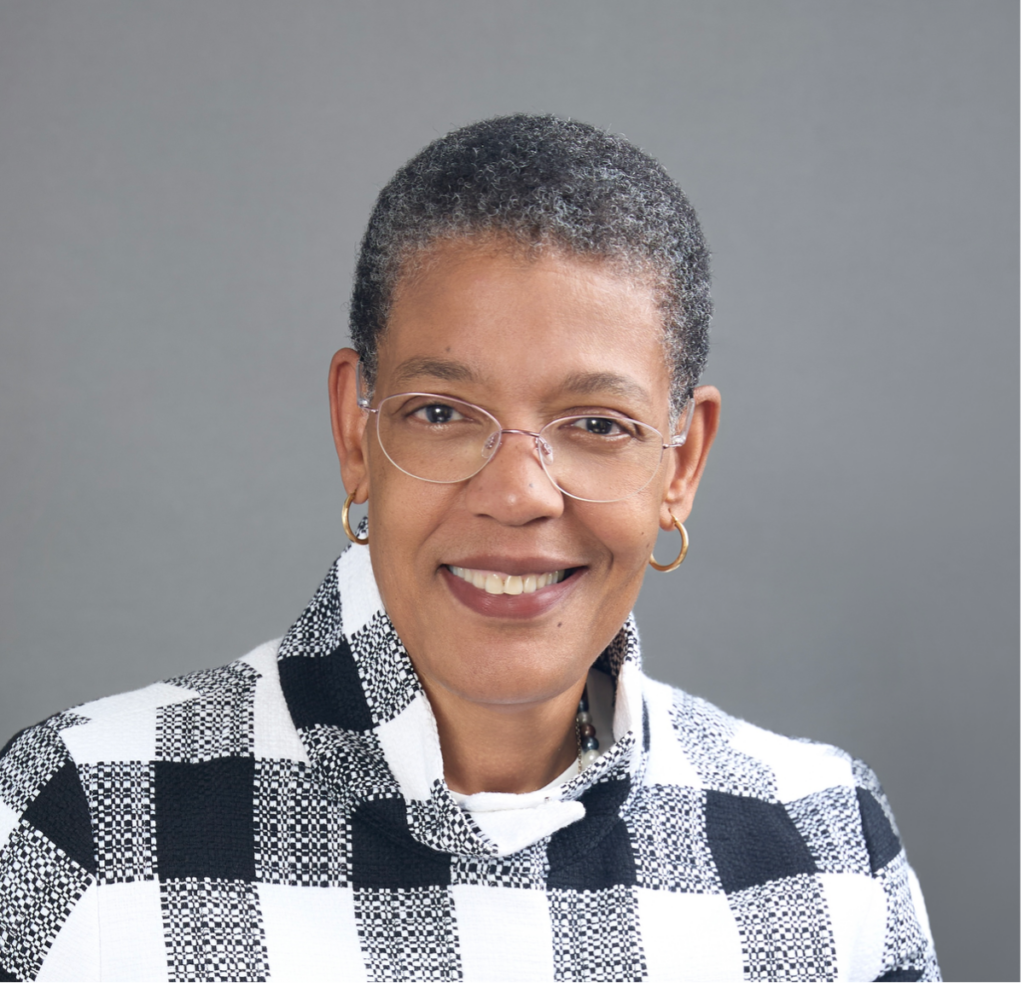
Dr. Walter Willett is a physician and epidemiologist and Professor of Epidemiology and Nutrition at Harvard T.H. Chan School of Public Health. He served as Chair of the Department of Nutrition at Harvard for 25 years. Much of his work has been on the development of methods, using both questionnaire and biochemical approaches, to study the effects of diet on the occurrence of major diseases. He has published over 2,200 research papers, primarily on lifestyle risk factors for heart disease and cancer, and has written the textbook, Nutritional Epidemiology. He also has four books for the general public. He is a member of the National Academy of Medicine and the recipient of many national and international awards for his research.
Tong Xia, MD, PhD, is a postdoctoral research fellow at the Harvard T.H. Chan School of Public Health, Brigham and Women’s Hospital, and Harvard Medical School. Her research centers on nutrition, cardiometabolic health, and multi-omics, with a particular focus on women’s health. Working with large prospective cohorts and molecular data, she investigates how dietary patterns and proteomic and metabolomic profiles relate to chronic disease and aging, and applies computational and artificial intelligence approaches to generate biologically meaningful insights. Her work spans nutritional epidemiology, precision health, and biomedical data science.
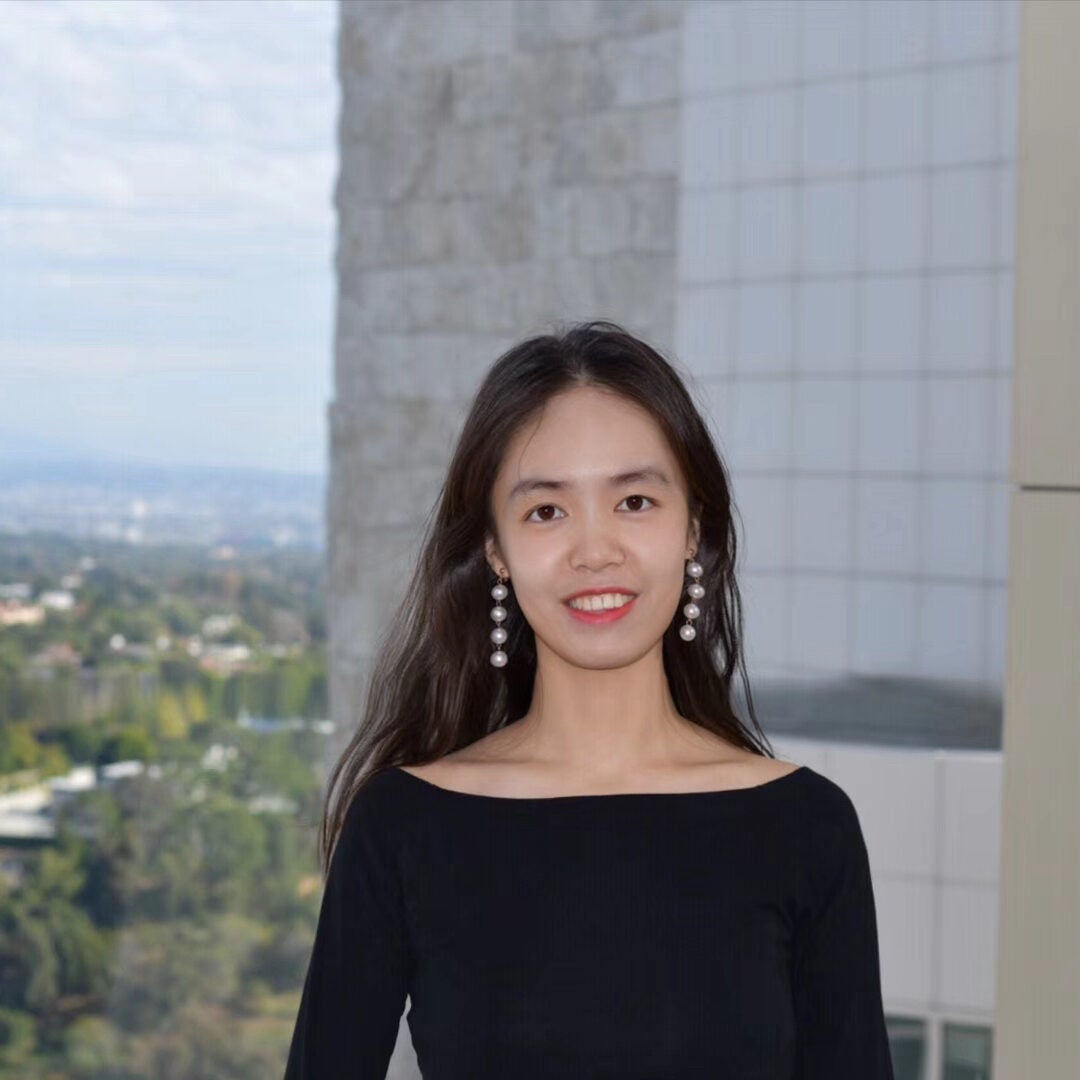
Professor Yang, Huixia is an internationally recognized leader in maternal-fetal medicine from Peking University First Hospital, where she serves as the Director of the Department of Obstetrics and Gynecology. As a leading expert in perinatal medicine, she has dedicated her career to advancing the understanding and management of gestational diabetes mellitus (GDM), profoundly influencing global standards in the field. She has profoundly shaped global standards in Gestational Diabetes Mellitus (GDM). She also served as an expert on the World Health Organization (WHO) expert panel for Diagnosis of Diabetes Mellitus in Pregnancy that developed the international diagnostic criteria for GDM. She is a distinguished specialist of the FIGO Good Practices in Maternal Fetal Medicine Working Group on Maternal-Fetal Medicine and a FIGO regional ambassador of the FIGO Working Group on Adolescent, Preconception and Maternal Nutrition. Beyond setting standards, she drives clinical excellence, having led and published numerous landmarks, large-scale clinical studies in China that guide practical GDM management. She has published nearly 650 scientific papers and authored over 20 professional books. She also served as the Founding Co-Editor-in-Chief of the journal Maternal Fetal Medicine and an editorial board member at several international journals.
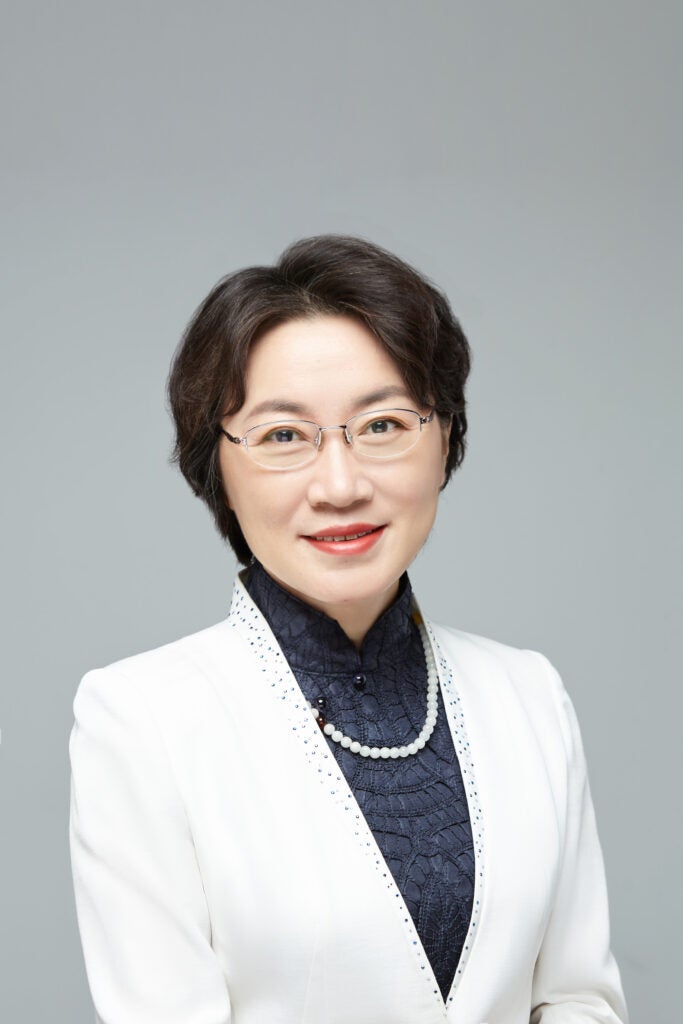
Dr. Cuilin Zhang is a Chair Professor in Medicine at the National University of Singapore (NUS) Yong Loo Lin School of Medicine, the Founding Director of the Global Centre for Asian Women’s Health, and the Lead for Population Health Study program of NUS Asian Centre for Reproductive Longevity and Equity (ACRLE). Dr. Zhang is also directing the NUS Master of Science Program of Nutrition and Lifestyle Medicine. Dr. Zhang holds an Adjunct Professorship of Nutrition at Harvard T.H. Chan School of Public Health.
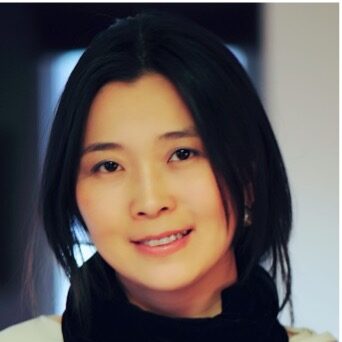
Associate Professor Juan Helen Zhou is Director of the Centre for Translational MR Research and an Associate Professor at the Centre for Sleep and Cognition, Yong Loo Lin School of Medicine, National University of Singapore. Her research focuses on selective brain network vulnerability in ageing and neuropsychiatric disorders, leveraging multimodal neuroimaging and machine learning to advance precision neurology and psychiatry. She serves as an editor or board member for leading journals. She is also an OHBM Fellow and serves on the Council, Program Committee, and Area Chair of ISMRM, OHBM, MICCAI, and KDD.
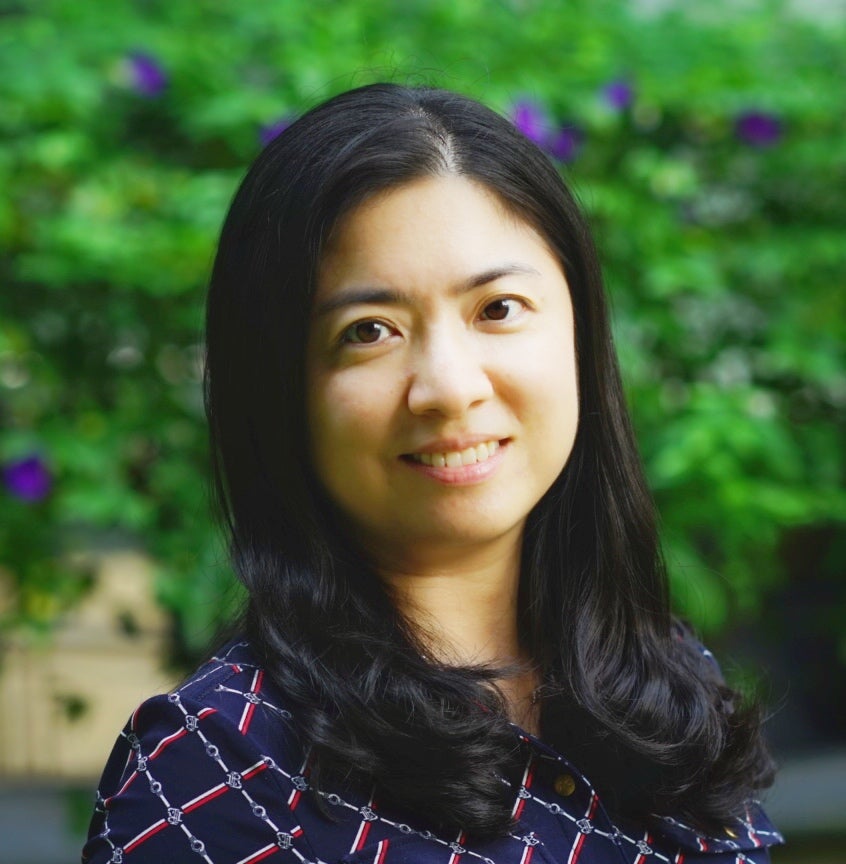
Krina Zondervan FRCOG FMedSci is Professor of Reproductive & Genomic Epidemiology and Head of the Nuffield Department of Women’s and Reproductive Health at Oxford University. She is Co-Director of the Oxford Endometriosis CaRe Centre, integrating evidence-based clinical care with a programme of basic, clinical and translational research into endometriosis and related women’s health conditions. Her research over the past 30 years has focused on using large-scale genomic and epidemiological approaches to understand the causes of common, under-recognised women’s health conditions to improve diagnostic and treatment options, with a particular focus on endometriosis, pelvic pain and comorbidities. She has led a number of global collaborative research initiatives including largest-scale studies that have identified genetic variants and their role in the development of endometriosis providing new insights into pathogenesis and patient stratification directly relevant to the development of better-targeted treatments. She also co-founded the WERF Endometriosis PHenotyping and Biobanking Harmonisation ProjECT (EPHECT), a global phenome and biobanking standardisation initiative aimed at facilitating collaborative large-scale studies in endometriosis across the world, with guidelines now adopted by >65 research centres. She has published >200 peer-reviewed research papers (h-index 90) and has served as board member of numerous charities and funding committees in the field of women’s health and genomics. Among her awards are honorary fellowships of the Royal College of Obstetricians and Gynaecologists and the British Academy of Medical Sciences, as well as an honorary Skou Professorship at the University of Aarhus, Denmark.
ⓘ Harvard Chan School hosts a diverse array of speakers, invited to share both scholarly research and personal perspectives. They do not speak for the School, and hosting them does not imply endorsement of their views, organizations, or employers.