WHO withdrawal leaves U.S. more vulnerable to flu, expert says
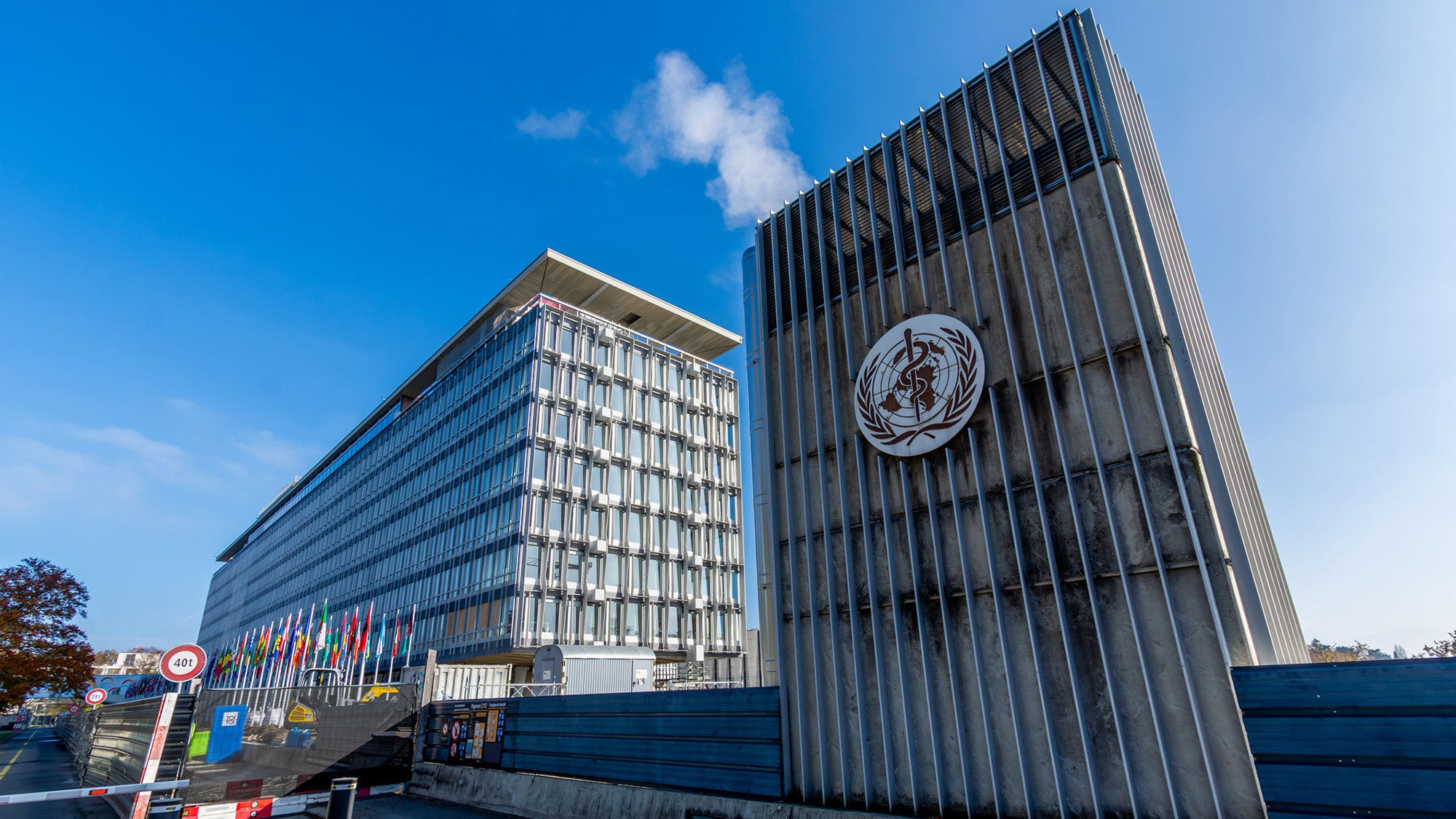
The Trump administration’s decision to withdraw from the World Health Organization (WHO) as of Jan. 22 leaves the U.S. more vulnerable to the flu and other infectious diseases, according to public health experts.
The move was “an act of monumental stupidity,” said Jesse Bump, lecturer on global health policy at Harvard T.H. Chan School of Public Health, in a Jan. 22 NBC News article.
“The reason [the withdrawal] matters, in the most immediate sense, is that WHO has a network of 127 laboratories all around the world, and those laboratories detect and sequence flu strains,” Bump said. “WHO is sort of like a library, and the U.S. has had a card to walk right in, get the information you want. We no longer have access. We don’t have that library card.”
The article noted that Secretary of State Marco Rubio and Health and Human Services Secretary Robert F. Kennedy Jr. have said in a statement that the U.S. would work with countries and “trusted health institutions” on public health preparedness but have not shared details about these institutions’ disease surveillance credentials.
Read the NBC News article: U.S. severs ties with WHO, raising concerns about flu epidemics