Visceral fat loss associated with better long-term cardiometabolic, cognitive health
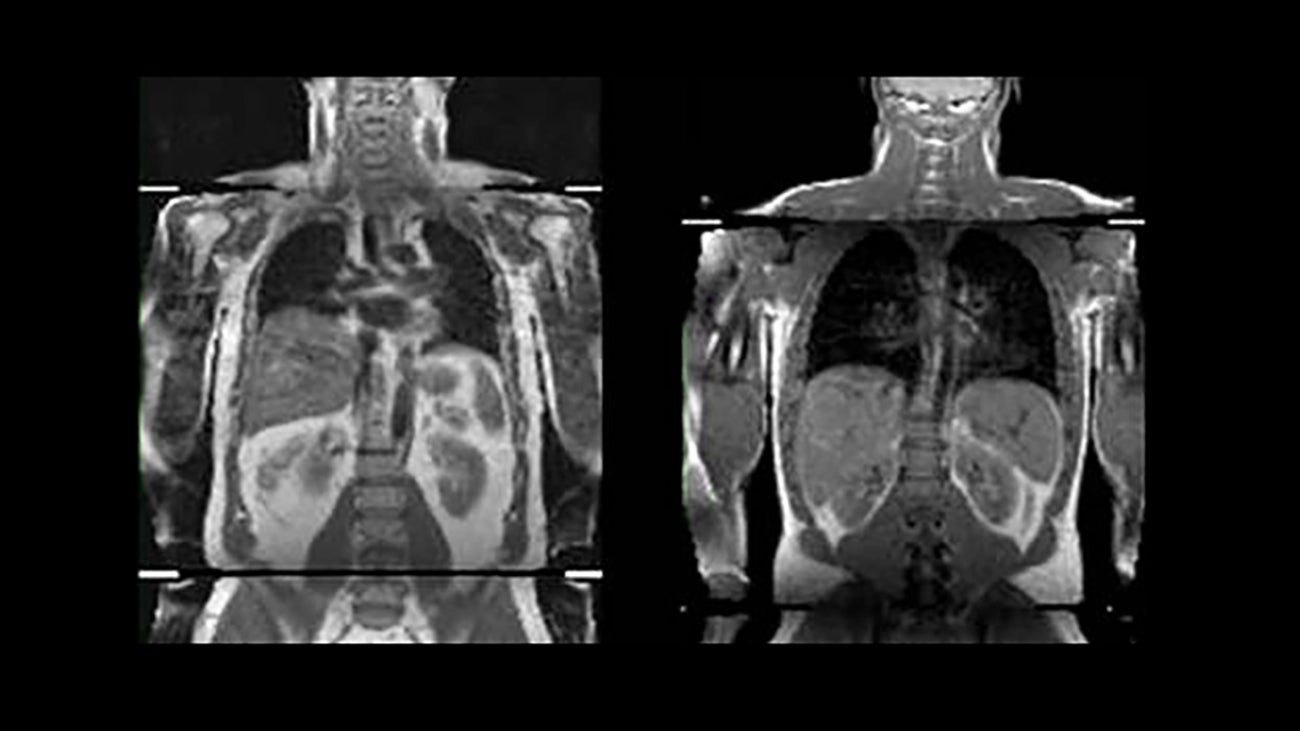
Irrespective of weight loss, maintaining a lower level of visceral fat—fat stored deep within the abdomen, wrapping around vital organs—may lead to better long-term cardiometabolic and cognitive health, according to two new studies led by Iris Shai, adjunct professor of nutrition at Harvard T.H. Chan School of Public Health.
Shai, who is also a professor of nutrition and epidemiology at Israel’s Ben Gurion and Reichman Universities, was the corresponding author of both papers: one on cardiometabolic outcomes, published June 2 in Circulation, and the other on cognitive outcomes, published March 26 in Nature Communications. Prior research has linked visceral fat loss to better health in both realms, but few of these studies have been conducted over a long-term follow-up period.
Shai and her colleagues evaluated the durability of visceral fat loss’ association with improved cardiometabolic and cognitive health. For each study, they reconnected with hundreds of adults who’d been enrolled in diet and lifestyle-related clinical trials 5 to 15 years prior. Most of the participants had lost weight and decreased their visceral fat levels over the course of these clinical trials; the researchers performed abdominal MRIs to measure how this visceral fat loss was sustained years later, deeper into midlife. They then performed a series of tests of participants’ cardiometabolic health or their brain function.
The study on cardiometabolic health found that generally, even if participants fully gained back the weight they’d lost, they did not completely regain visceral fat. For every 10% in visceral fat they lost during the clinical trial, a decade later their risk of developing type 2 diabetes was 28% lower than it would have been without the fat loss—even with complete weight regain. Reductions in visceral fat were also associated with lower long-term cardiometabolic risk scores.
The brain health study’s findings were similar: Whether or not they regained weight, participants who’d accumulated the least visceral fat over the course of up to 16 years scored best on cognitive tests and had higher total brain volume and grey matter volume. Those who maintained higher levels of visceral fat showed greater signs of accelerated brain atrophy and lower cognitive performance.
The researchers said the studies’ findings contain important lessons for health care providers—namely, that they should widen their focus beyond weight alone and equip patients with strategies that will help them lose visceral fat. These strategies include exercise and eating a carbohydrate-restricted, Mediterranean-style diet rich in polyphenols, a nutrient found in food such as green tea, walnuts, and dense green aquatic plants like Mankai.
“This kind of diet proves exceptionally effective at targeting and shrinking visceral fat depots,” Shai said. “When combined with moderate, regular physical activity, it essentially programs the body to selectively burn off internal, organ-wrapping fat rather than just surface-level tissue.”
Other Harvard Chan authors included Anat Yaskolka Meir, Meir Stampfer, and Frank Hu on both studies; Lu Qi on the cardiometabolic health study; and Daniel Wang on the cognitive health study.