Revisiting the past to imagine the future of public health
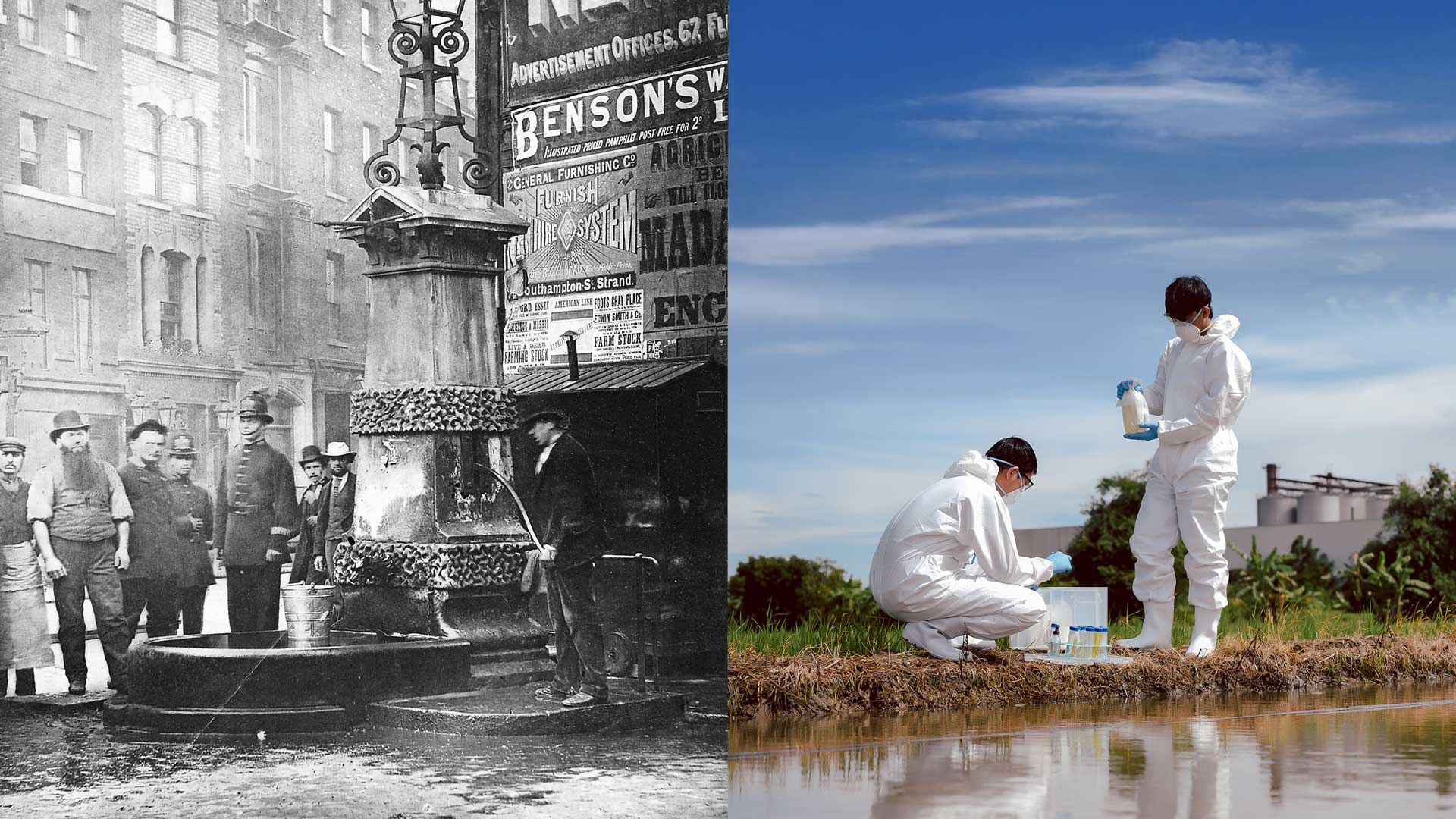
What would public health look like if it had to be rebuilt from scratch? That was the question posed by epidemiologist and historian Alfredo Morabia during a virtual seminar hosted by Harvard T.H. Chan School of Public Health’s Department of Epidemiology on Feb. 25. He revisited competing nineteenth century approaches to public health—a focus on improving the conditions of life that influence health vs. a focus on specific causes of disease—to see what insights they can offer to researchers, policymakers, and practitioners imagining the future of public health.
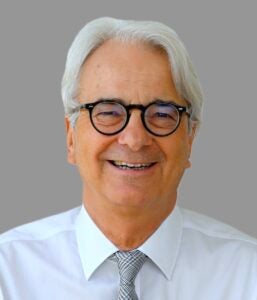
Morabia, professor of clinical epidemiology at Columbia Mailman School of Public Health, said that until about 150 years ago, humans had no concept of diseases as entities that existed outside of the symptoms they caused in people. People believed that health was achieved through equilibrium with one’s environment, for example, by balancing the four bodily “humors.”
Two new competing viewpoints came about in the 19th century, Morabia said. One was the “sanitarian” view, which claimed that illness was caused by “miasmas” (bad air) and sought to protect health by improving conditions where people lived and worked. The other was the “bacteriological” view, which focused on identifying and controlling specific disease-causing microorganisms and developing targeted interventions like water treatment and vaccination.
The sanitarian view fell out favor after a catastrophic cholera outbreak in 1892, Morabia said. While Altona, Prussia, filtered its water, neighboring city Hamburg, Germany, on the other side of the river Elbe did not. When cholera hit, only people on the Hamburg side died.
But Morabia argued that despite the considerable achievements of bacteriology and the fight against diseases, the dominance of this view of public health has had significant downsides. When health care systems shifted toward treating disease rather than promoting health, public health became underfunded relative to clinical medicine. In addition, Morabia said, too much of health care spending is going towards clinical inefficiency and administrative waste rather than towards improving life expectancy.
Looking towards the future of the field, he called for schools of public health, practitioners, and policymakers, to draw inspiration from the sanitarians by renewing focus on root causes of health such as clean air, safe working conditions, and healthy food. He called for better communication around the message that public health saves money and lives, and better engagement with communities. In closing, he said, “We’ve learned that in order for public health to be effective it needs to have these characteristics: It needs to be fair. It needs be democratic and participatory, otherwise it’s not legitimate. If it doesn’t convince, it doesn’t have support. It needs to be universal,” he said. “And finally, it needs to be science-based.”
Read a Q&A with Alfredo Morabia (Department of Epidemiology)