Low-carb and low-fat diets associated with lower heart disease risk if rich in high-quality, plant-based foods, low in animal products
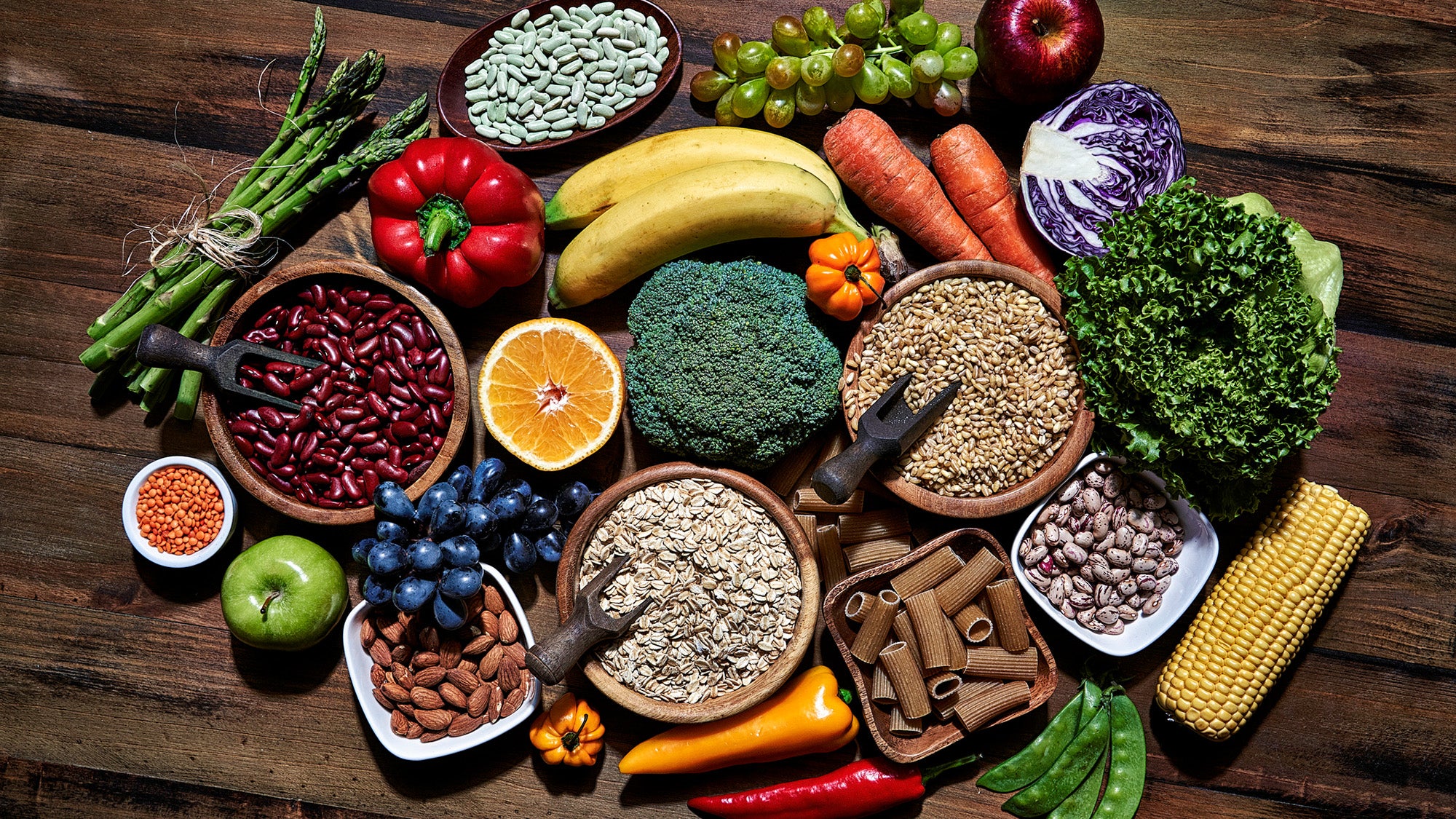
Findings suggest that it’s the quality—not quantity—of macronutrients that make a difference for heart health, debunking myth that modulating carbohydrate and fat intake alone is inherently beneficial
For immediate release: Feb. 11, 2026
Boston, MA—Low-carbohydrate and low-fat diets rich in high-quality, plant-based foods and low in animal products and refined carbohydrates were linked with lower risk of heart disease, according to a new study led by researchers at Harvard T.H. Chan School of Public Health. The same diets that were rich in refined carbohydrates and high in animal fats and proteins were associated with a higher risk of heart disease. The study suggests that it’s the quality of the macronutrients composing these diets that make a difference for heart health, rather than the quantity.
The study was published Feb. 11, 2026, in JACC.
“Low-carbohydrate and low-fat diets have been widely promoted in the U.S. over the past two decades for weight control and metabolic health, but their effects on heart disease risk have remained unclear,” said first author Zhiyuan Wu, postdoctoral research fellow in the Department of Nutrition. “Our findings help debunk the myth that simply modulating carbohydrate or fat intake is inherently beneficial, and clearly demonstrate that the quality of foods constructing low-carbohydrate and low-fat diets is what’s most important to protect heart health.”
Previous studies have shown that diets emphasizing healthy sources of carbohydrates and fats (such as whole grains, fruits, vegetables, nuts, legumes, and olive oil) are associated with lower risk of coronary heart disease (CHD). The researchers sought to examine this evidence specifically in the context of low-carbohydrate and low-fat diets. To do so, they used diet and health data from nearly 200,000 men and women participating in the Health Professionals Follow-Up Study, Nurses’ Health Study, and Nurses’ Health Study II. The researchers analyzed participants’ diets and scored them to distinguish healthy and unhealthy low-carbohydrate and low-fat diets. They assessed scores in the context of whether participants developed CHD, controlling for various health and lifestyle confounders. The researchers also analyzed participants’ blood samples and measured levels of cardiovascular risk biomarkers.
The study found that low-carbohydrate and low-fat diets emphasizing high-quality carbohydrates and plant-based sources of proteins and fats were associated with about a 15% lower risk of CHD. In contrast, the same two diets rich in refined carbohydrates and animal proteins and fats were associated with a higher CHD risk. In their analysis of the blood samples, the researchers also found that healthy versions of low-carbohydrate and low-fat diets were associated with improved cardiovascular biomarkers, such as higher HDL (good) cholesterol and lower levels of triglycerides.
“For clinicians, dietitians, and patients, our study suggests that promoting an overall healthy eating pattern, rather than strict macronutrient restriction, should be a central strategy for the primary prevention of heart disease,” said corresponding author Qi Sun, associate professor in the Departments of Nutrition and Epidemiology.
Article information
“Effect of Low-Carbohydrate and Low-Fat Diets on Metabolomic Indices and Coronary Disease in US Individuals,” Zhiyuan Wu, Binkai Liu, Xiaowen Wang, Hala Alessa, Oana Zeleznik, A. Heather Eliassen, Clary Clish, Molin Wang, Kenneth J. Mukamal, Eric B. Rimm, Yang Hu, Frank B. Hu, Qi Sun, JACC, February 11, 2025, doi: 10.1016/j.jacc.2025.12.038
The Nurses’ Health Studies and Health Professional Follow-up Studies are supported by National Institutes of Health grants UM1 CA186107, R01 CA49449, R01 HL034594, U01 HL145386, R01 HL088521, U01 CA176726, U01 CA167552, R01 HL60712, and R01 HL035464. Sun was supported by DK120870, DK129670, ES022981, DK126698, and ES036206.The Nurses’ Health Studies are also supported by the NUS-Harvard Chan Women’s Health Initiative. The analysis was also supported by funding from the Dana-Farber/Harvard Cancer Center SPORE in Prostate Cancer, P50 CA090381-15.
Visit the Harvard Chan School website for the latest news and events from our Studio.
For more information:
Maya Brownstein
mbrownstein@hsph.harvard.edu
###
Harvard T.H. Chan School of Public Health is a community of innovative scientists, practitioners, educators, and students dedicated to improving health and advancing equity so all people can thrive. We research the many factors influencing health and collaborate widely to translate those insights into policies, programs, and practices that prevent disease and promote well-being for people around the world. We also educate thousands of public health leaders a year through our degree programs, postdoctoral training, fellowships, and continuing education courses. Founded in 1913 as America’s first professional training program in public health, the School continues to have an extraordinary impact in fields ranging from infectious disease to environmental justice to health systems and beyond.