Genetic difference may help explain wide variation in COVID severity
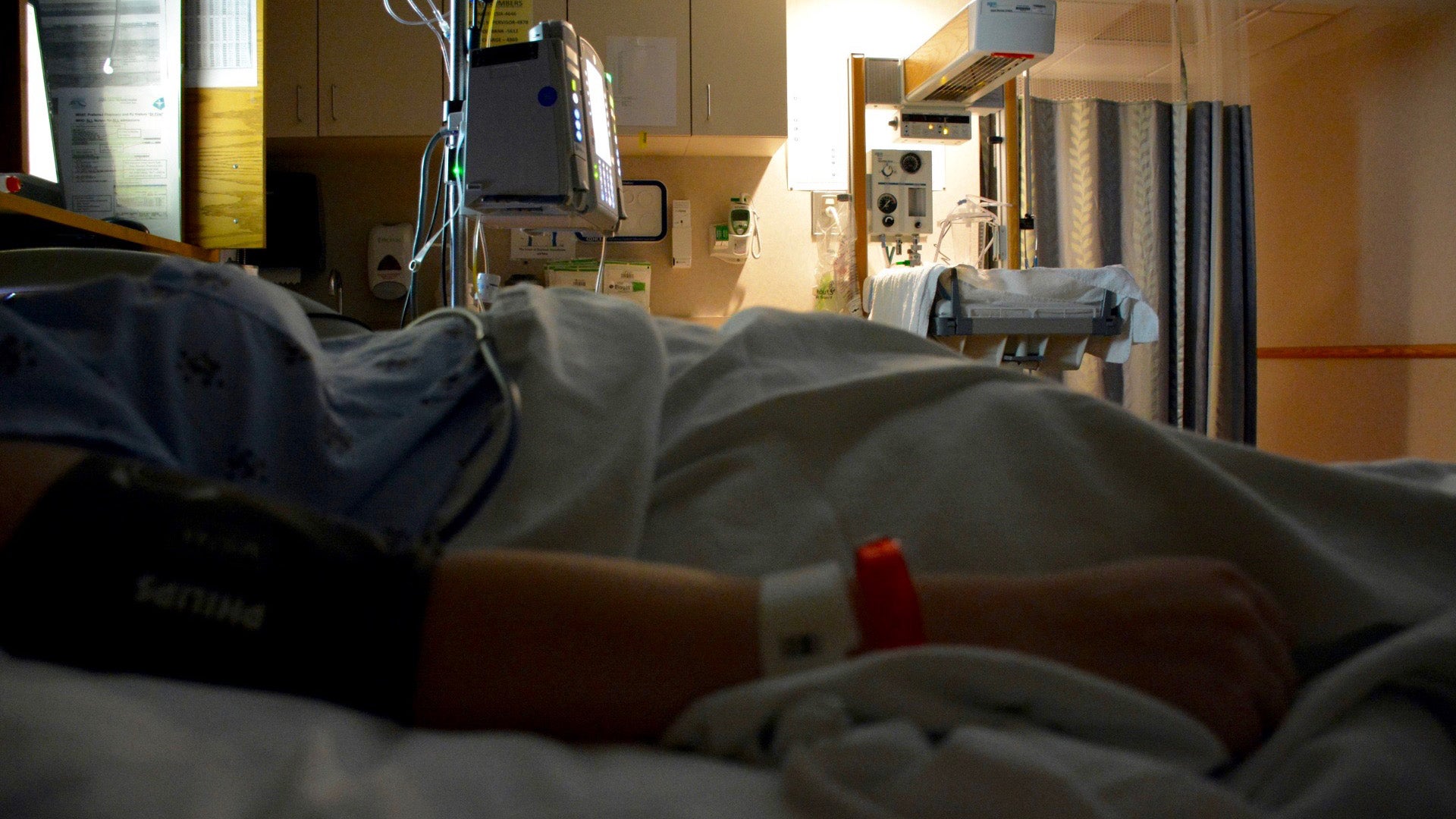
A specific genetic difference in a gene called RTP5—known to be involved in smell and taste perception—was linked to a higher risk of early death in patients hospitalized with severe COVID-19, according to a study led by researchers at Harvard T.H. Chan School of Public Health. The genetic difference also appears to increase how much RTP5 is expressed in the brain.
The finding sheds light on one reason why COVID severity varies widely, even among people with similar age and health conditions, according to senior author David Christiani, Elkan Blout Professor of Environmental Genetics. “This study helps explain that variation by pointing to genetic differences,” he said.
The study, co-authored with colleagues from Massachusetts General Hospital and Duke University, was published Dec. 14 in the journal COVID.
Earlier genetic studies of COVID focused on infection risk or hospitalization, but few focused specifically on death among very sick patients, according to Christiani. To fill the gap, researchers studied a group of 370 severe COVID patients who were hospitalized at Massachusetts General Hospital—one group admitted between March and June 2020, and another between January and March 2021. Some of the patients were in the ICU with acute hypoxemic (low blood oxygen concentration) respiratory failure; others were non-ICU patients with mild hypoxemia. Using blood samples, the researchers extracted and sequenced patients’ DNA to find genetic variations, looking for those that were linked with patients’ negative outcomes.
The study found that RTP5 was the gene most strongly linked with 30-day and 60-day mortality among the COVID patients. Eight other genes were also linked to poor COVID-related outcomes, to a lesser degree.
Noting RTP5’s known connection with smell and taste perception—which are commonly affected in COVID-19—Christiani said that although the new study cannot prove cause and effect, it does suggest that the same biological system involved with smell and taste may also be linked to how the brain and immune system respond to COVID-19. “Changes in RTP5 may signal deeper disruption in how the body senses and responds to the virus,” he said.
The study’s findings need to be validated in the future, Christiani noted. If the findings are confirmed, he said, it could help identify patients at higher risk of early death due to COVID infection, improve understanding of why COVID affects the nervous system, and point to new biological pathways involved in severe disease.
Other Harvard Chan co-authors of the study included first author Yu Chen Zhao, Xinan Wang, Yujia Lu, Rounak Dey, Yuchen Liu, Li Su, Xihong Lin, and Lorelei Mucci.
Read the study: Gene-Level Analyses of Novel Olfactory-Related Signal from Severe SARS-CoV-2 GWAS Reveal Association with Disease Mortality