Sustaining HIV/AIDS treatment efforts in wake of cuts
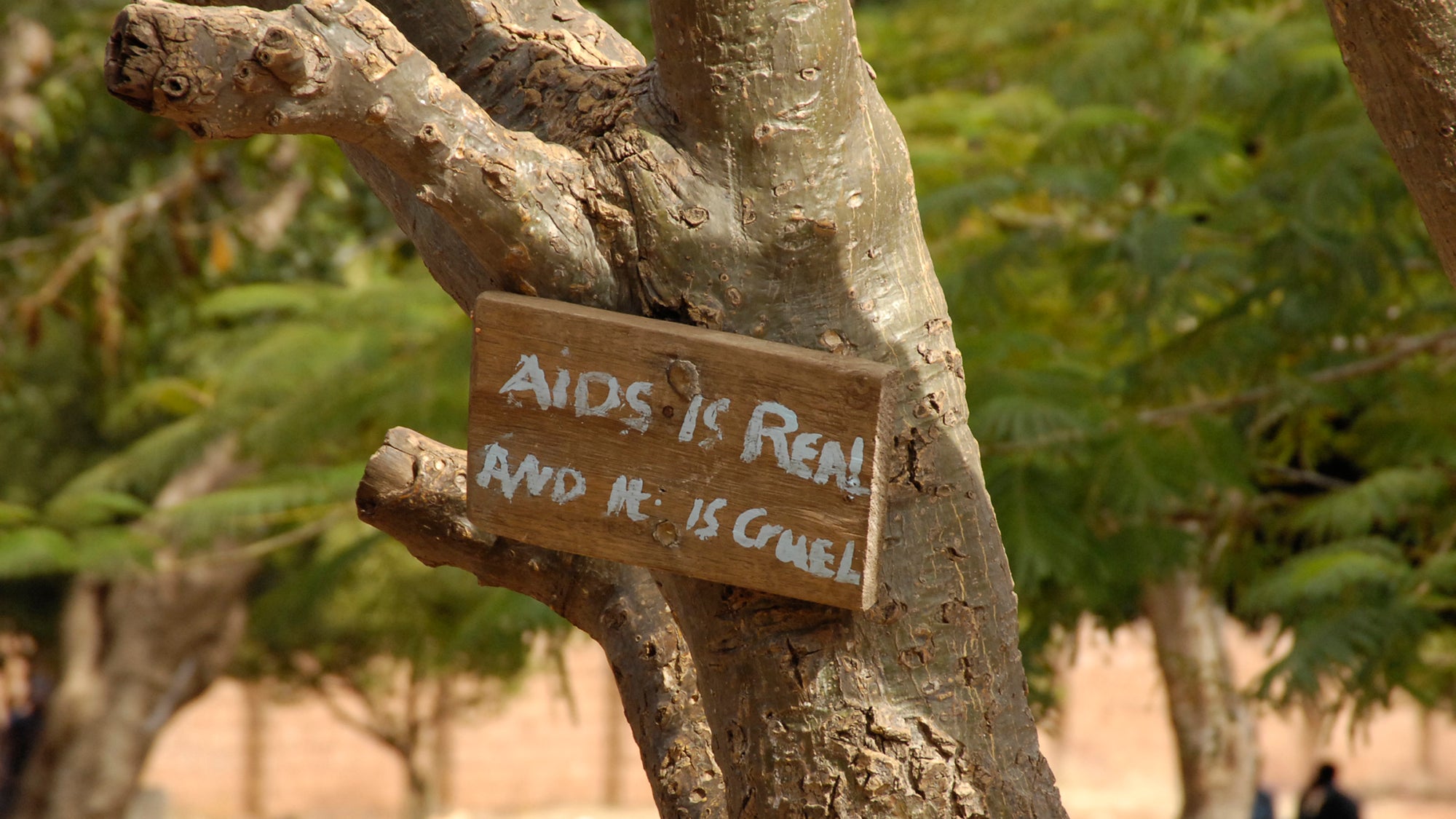
When the Trump administration substantially cut funding for global health and other foreign aid programs last year, experts feared a collapse in HIV/AIDS treatment efforts. But according to Harvard T.H. Chan School of Public Health’s Jeff Imai-Eaton and other experts quoted in a March 20 NPR article, the number of people dropping off treatment hasn’t been as dire as predicted—for now.
While the U.S. government has stopped collecting data on HIV treatment, preliminary data that briefly appeared on a government website earlier this year suggested that treatment levels had only dropped by about 100,000 people, with more than 20 million still on treatment. These numbers are consistent with those released by other organizations, according to the NPR article.
“The most severe outcomes that we were concerned about haven’t come to pass,” said Imai-Eaton, associate professor of epidemiology. But he said that this didn’t mean the predictions were wrong. Rather, various actions have kept HIV/AIDS treatment efforts afloat. The Trump administration did restart some programs deemed lifesaving, and countries receiving aid filled the gaps as best they could. “The efforts by Ministries of Health to reprioritize and sustain services was pretty heroic,” said Imai-Eaton. Other experts quoted in the article noted the role of community health workers and other frontline medical professionals in keeping patients on medication.
But the bad news is that the dire predictions of lives lost to disrupted HIV treatment could still come to pass. The article noted that it has become harder for many patients to access medications and prevention efforts have decreased.
Read the NPR article: He’s one reason why aid cuts weren’t as dire for the HIV population as predicted