Higher levels of certain “forever chemicals” linked with lower chances of having a live birth, study finds

Being exposed to higher levels of certain “forever chemicals” may be linked with lower chances of having a live birth through in vitro fertilization (IVF), according to new research published in F&S Science.
In a pilot study led by researchers Elvira Fleury et al., the scientists measured levels of per- and polyfluoroalkyl substances (PFAS) in the follicular fluid – the liquid surrounding someone’s eggs – of 36 participants who underwent IVF at three fertility centers in Eastern Massachusetts between 1999 and 2003. On average, study participants were about 35 years old. Sixteen of the 36 women achieved live birth after IVF; on average, these participants were younger and less likely to have an ovulation-related primary infertility diagnosis compared with participants without a live birth. Participants whose IVF outcome could not be determined were excluded from analysis.
To study associations more closely, the research team looked at 24 different PFAS chemicals and focused on the eight that were found in almost all samples. They then examined whether having higher PFAS levels in follicular fluid were linked to higher or lower odds of having a live birth.
Also known as “forever chemicals,” PFAS are commonly used chemicals that are often found in products like nonstick cookware, stain‑resistant fabrics, firefighting foam, and more. They can build up in people’s bodies and the environment, and they break down very slowly. Although evidence is limited, PFAS may adversely affect reproductive health and egg development.
The research team discovered that participants with higher levels of PFAS in their follicular fluid tended to have lower odds of delivering a live baby after IVF. However, because the study was small, most of the statistical estimates were not precise enough to rule out chance alone, the team explained.
To better understand how PFAS might affect fertility, the team also used a scientific process called “metabolomics” to discover that PFAS levels and live birth were both related to other metabolomic pathways in the body. This suggests that PFAS may disrupt key biological processes important for egg and embryo development, they said.
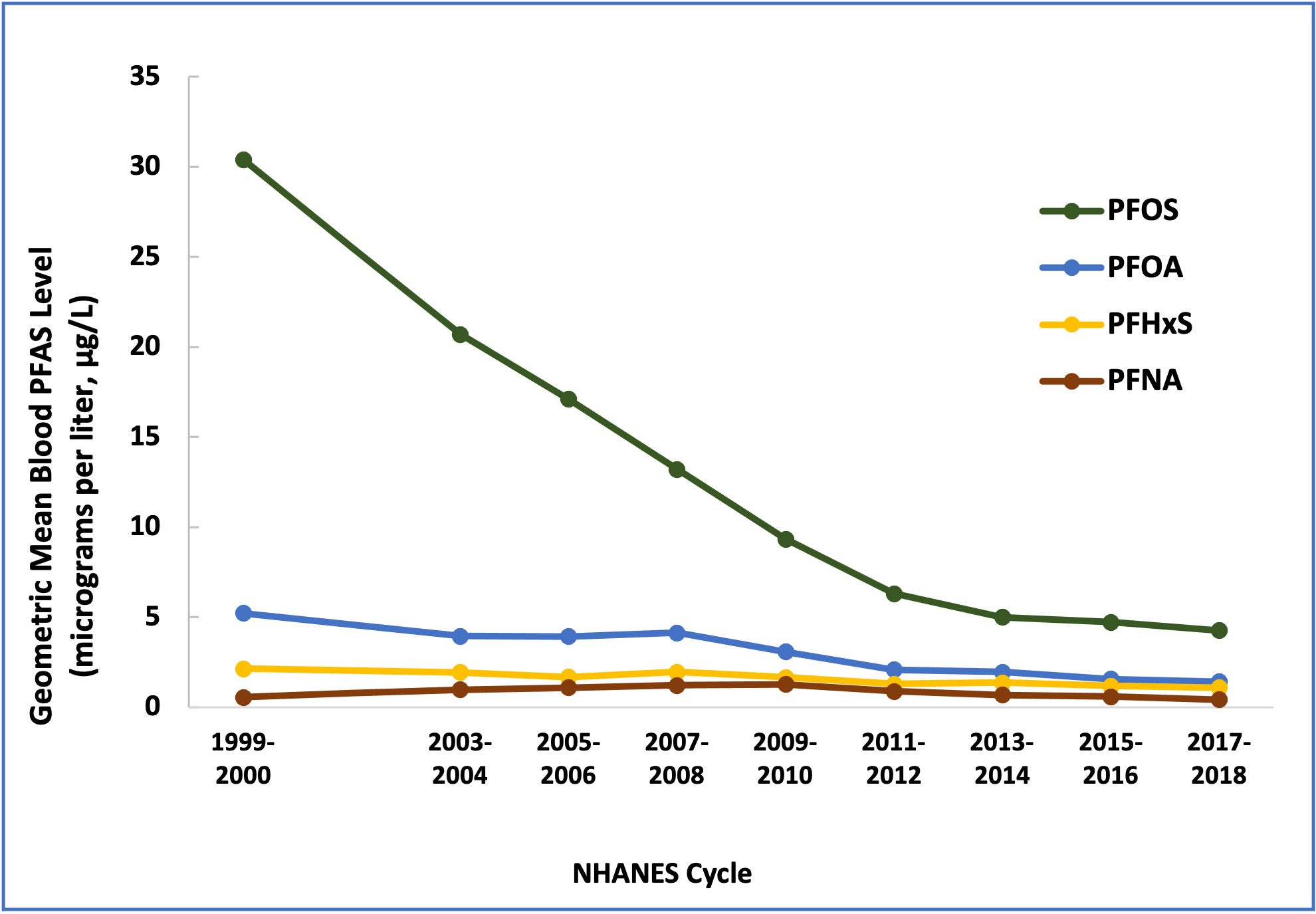
Since 2002, production and use of PFOS and PFOA in the U.S. have declined. As a result, some blood PFAS levels have also gone down nationally overall, but testing for PFAS is not typically included in routine lab work. Additionally, not all exposure to PFAS is avoidable (for example, due to drinking water and eating food).
The authors cautioned that their study has important limitations: the group of participants studied was small, more homogenous than the average population (participants were mostly white and highly educated), and they only studied certain types of infertility, for example. The findings therefore cannot be generalized to all people undergoing IVF treatments.
Still, this work adds to growing evidence that PFAS can impact reproductive organs and may possibly influence the success of fertility treatments. Larger, more diverse studies are needed to confirm these results and to guide policies aimed at reducing PFAS exposure among people trying to conceive.