
Can We Trust a Silent System? Technological Change and Relationships in Health Care
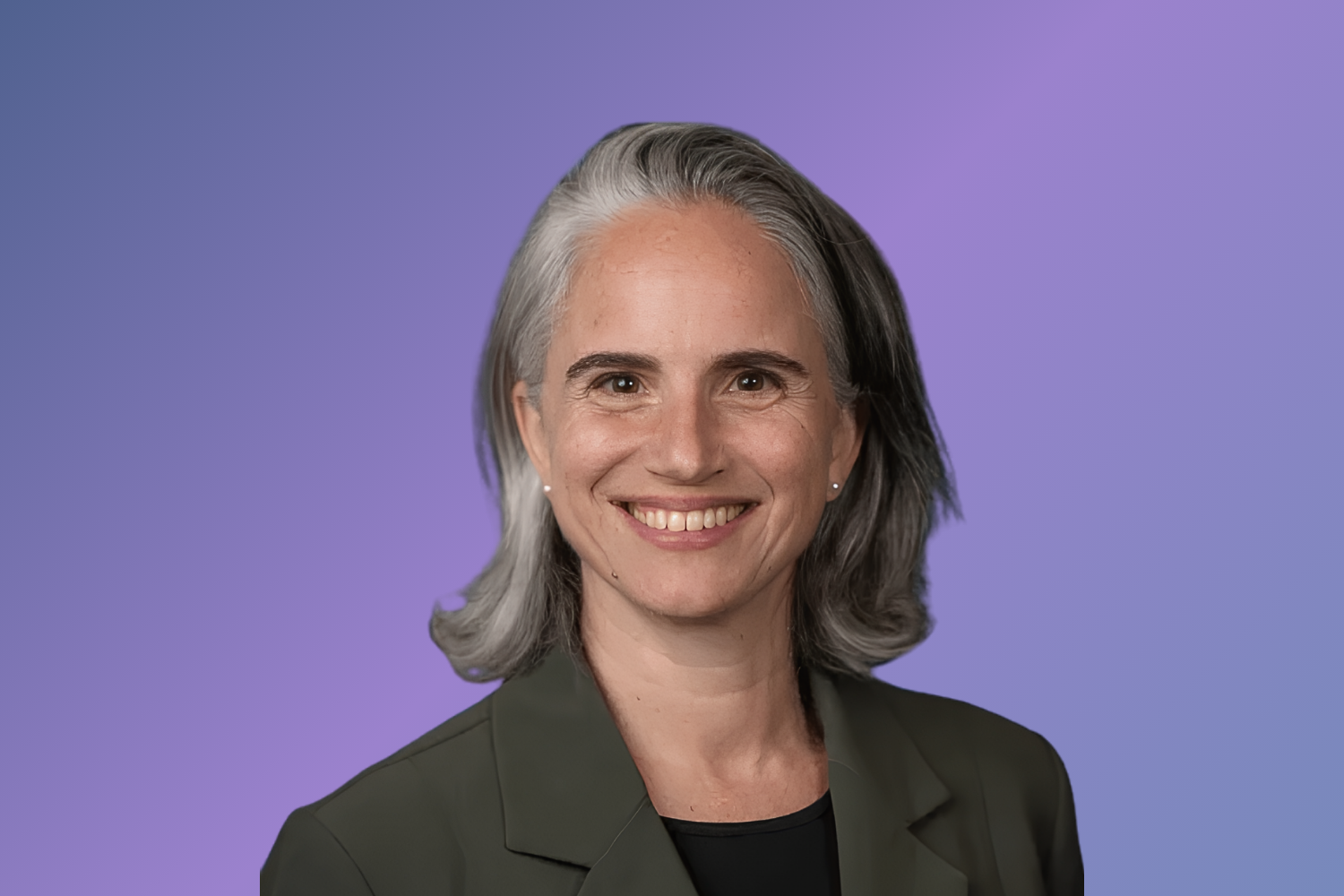
On Wednesday, September 30th, the Center held the first installment in our new Trust and Well-being Seminar Series, featuring Dr. Jodyn Platt.
This seminar series will explore the role of trust in promoting psychological, physical, and social well-being. At a time of declining trust in institutions, political polarization, fear-based public discourse, and rapidly changing technologies that shape how people encounter information and one another, the series will consider trust not only as an individual experience but also as a central feature of collective well-being. Through conversations with leading scholars and practitioners, we will examine how trust is defined and measured across diverse social and cultural contexts; how it functions across relationships, communities, institutions, and generations; and how it is built, maintained, broken, and repaired.
The series will also explore how social, political, commercial, and cultural factors shape trust, with particular attention to health equity and the histories of exclusion, discrimination, disinvestment, and institutional harm that influence whether communities feel able to trust systems. Together, we will consider how trust and trustworthiness can promote safety, belonging, resilience, civic participation, health-promoting behaviors, and flourishing while helping to build more connected, equitable, and resilient communities and systems.
Seminar Description
Trust is a complex system. It operates ecologically across relationships between individuals, communities, institutions, and networks. This seminar takes up health care in the U.S., where trustworthiness is a foundational principle as well as a longstanding question of authenticity and sustainability. Over the past decade, the accelerating use of health information technologies, including AI, has amplified those questions. In our national surveys and deliberations, most U.S. adults report low trust in health systems’ use of AI, and want notification they rarely receive. These attitudes align more closely with general trust in the health system than with beliefs about the technology itself, underscoring trust as a feature of an open system. We will consider how systemic trust relates to interpersonal trust, what trustworthiness requires when relationships are mediated by systems that remain opaque to the people they aim to serve, and how trust might be renegotiated rather than succumb to erosion.
Speaker Biography
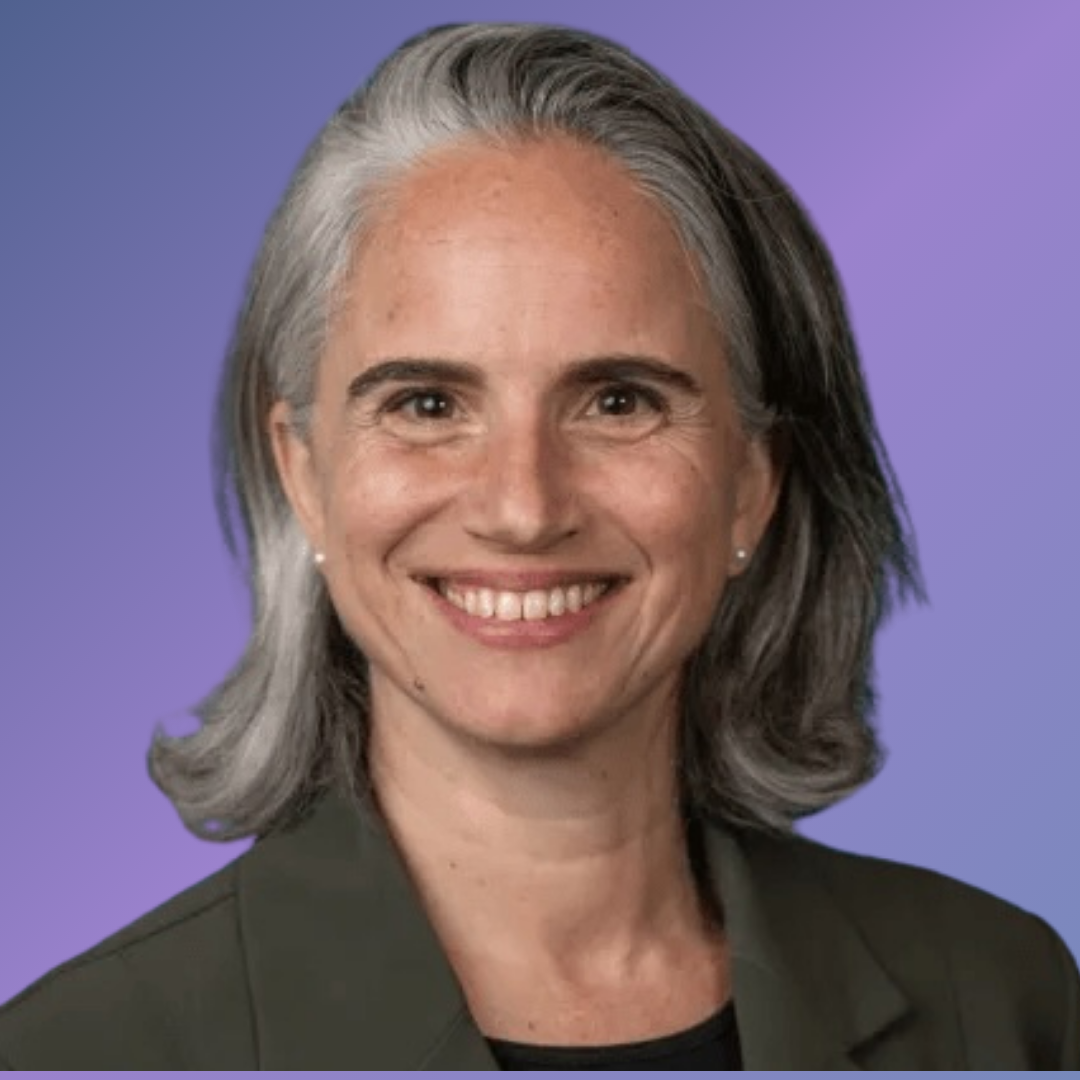
Dr. Jodyn Platt serves as Associate Professor of Learning Health Sciences, University of Michigan Medical School, and Associate Professor of Health Management and Policy, University of Michigan School of Public Health. Her work explores how data and technology can be used responsibly to improve health while earning and sustaining public trust. Trained in medical sociology and health policy, she studies the ethical, social, and policy questions that arise as health systems become more data-driven and powered by artificial intelligence.
From 2021 to 2024, she served as the inaugural Senior Scholar in Residence with AcademyHealth and the ABIM Foundation. Dr. Platt works closely with patients, communities, and healthcare organizations to understand how people think about and experience data use in health and medicine. By combining diverse research methods and community insight, her goal is to turn evidence into actionable strategies that help make healthcare policy and practice more trustworthy, transparent, and inclusive.
Speaker Information
Organizers
ⓘ Harvard Chan School hosts a diverse array of speakers, invited to share both scholarly research and personal perspectives. They do not speak for the School, and hosting them does not imply endorsement of their views, organizations, or employers.