
Collective organisation as crisis infrastructure: Evidence from the Self-Employed Women’s Association during COVID-19 in India
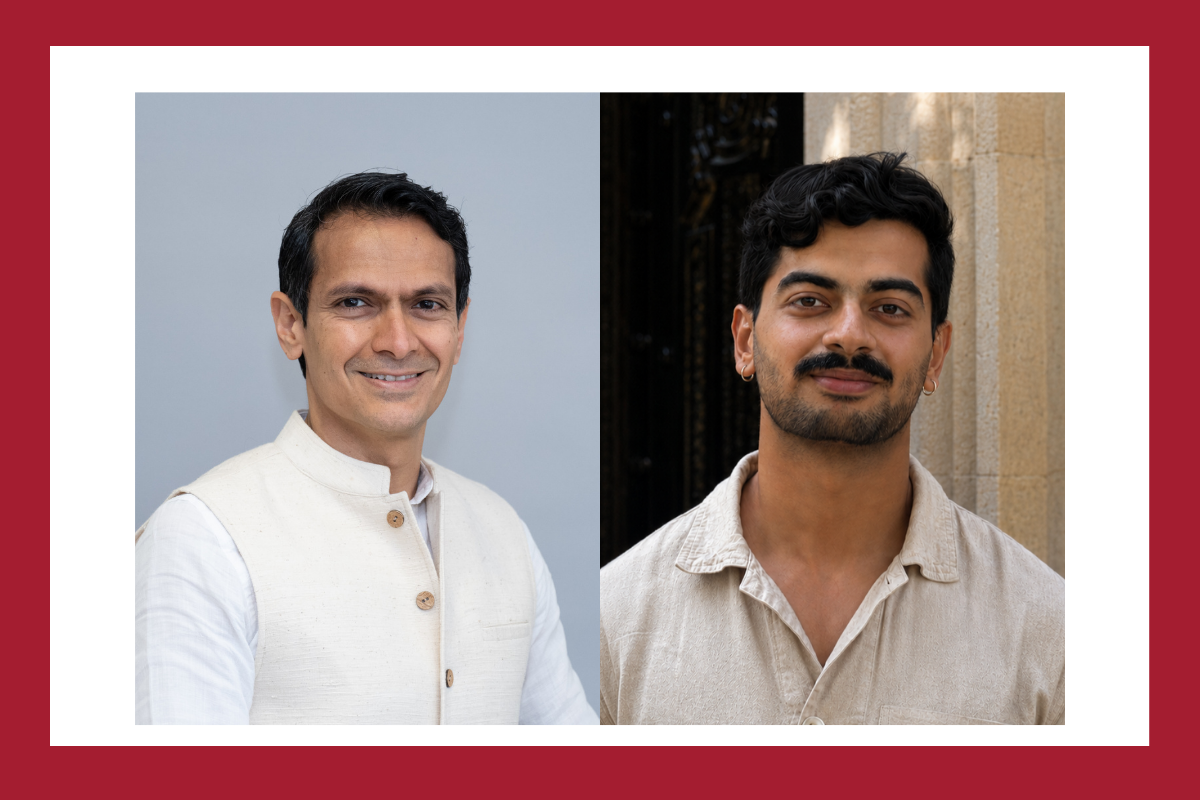
Join the Department of Global Health and Population for this Brown Bag Seminar featuring Satchit Balsari, associate professor of emergency medicine at Harvard Medical School, and Kartikeya Bhatotia, Climate Fellow at the Mittal South Asia Institute, Harvard University.
Please note that an HUID is required to attend this in-person event.
Seminar description
The pandemic, and the societal response to it, had crippling impacts on livelihoods, food security, and wellbeing around the world. Drawing on a mixed-methods study of more than 1,090 member households belonging to the Self-Employed Women’s Association (SEWA)—a federation of trade cooperatives and unions representing nearly four million women in Gujarat, India—this talk asks whether long-standing community organizations can serve as a form of crisis infrastructure. The study finds that, despite widespread income loss and food insecurity during COVID-19, households embedded most deeply in SEWA’s cooperatives, credit institutions, and community health networks recovered fastest and most fully. They did so by drawing on layered, sequenced coping strategies, while SEWA’s health counselors—already trusted within these same networks—helped sustain access to care and vaccination where formal systems were delayed or distrusted. The findings suggest that collective organization and relational trust among informal workers must be recognized as genuine social protection infrastructure. Early findings from this study were shared through a traveling multimedia exhibition, Hum Sab Ek.
Speaker bios
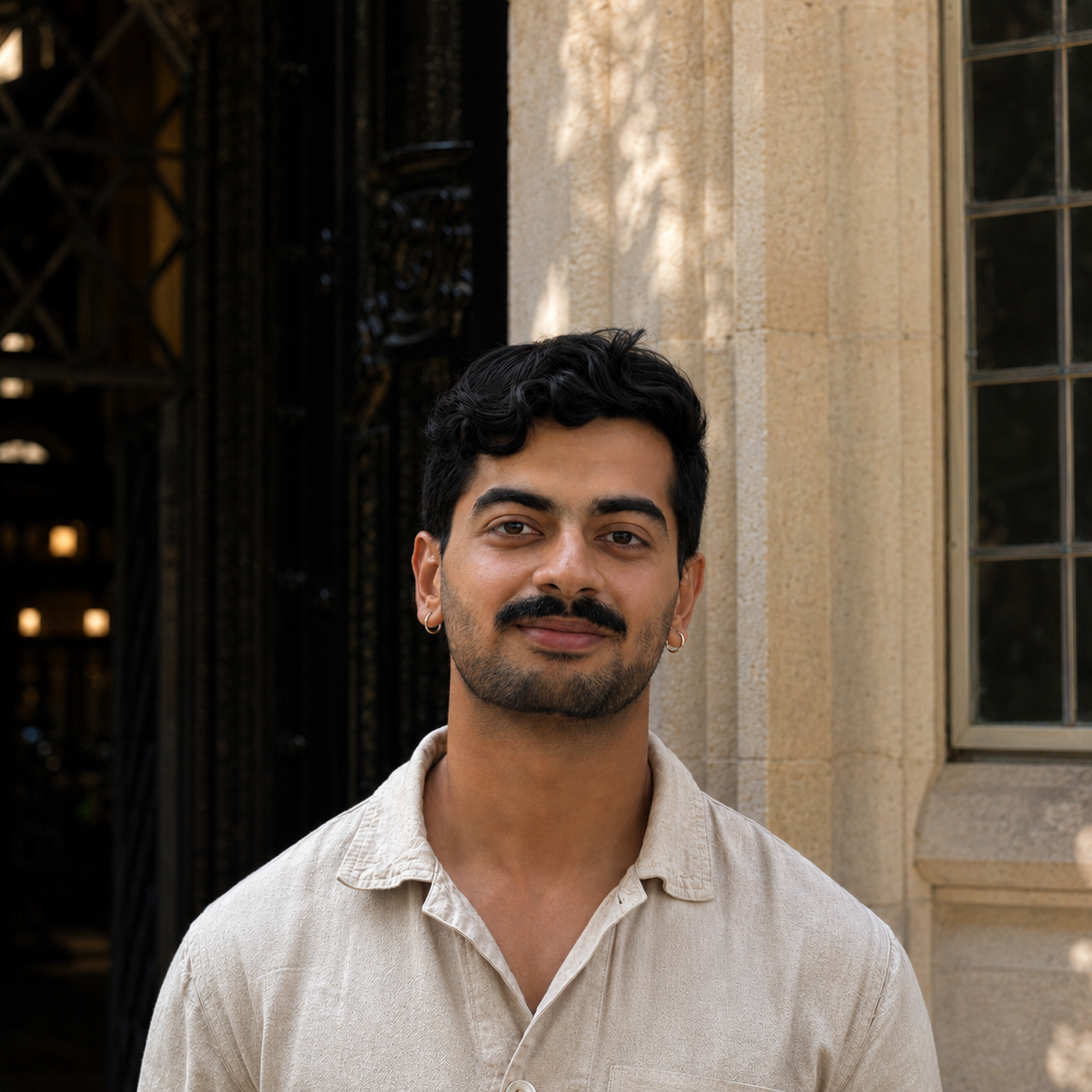
Satchit Balsari, MD, MPH, is an associate professor of emergency medicine at Harvard Medical School and an associate professor of global health and population at Harvard Chan School. His research and teaching are focused on complex humanitarian emergencies and digital health implementation science in resource-poor settings. He has worked with populations affected by war and disasters across the world, leveraging cutting-edge digital tools and citizen science to advance public health planning, advocacy, and response. Satchit co-directs CrisisReady.io, a research-response platform that builds data-driven decision tools for local communities and response agencies affected by disasters globally. He is founding director of the tri-institute Climate and Human Health fellowship at Harvard, leads the climate platform at the Mittal South Asia Institute, and is co-investigator on the Salata Institute’s inaugural interfaculty cluster grant on Climate Adaptation in South Asia. He directs the Harvard India Digital Health Network at the Mittal South Asia Institute and is the curator of Hum Sab Ek, an immersive multimedia traveling exhibition currently on tour. The exhibition is based on his research into the impact of the COVID-19 pandemic on the 2.9 million members of the Self-Employed Women’s Association (SEWA) and their response to the crisis.
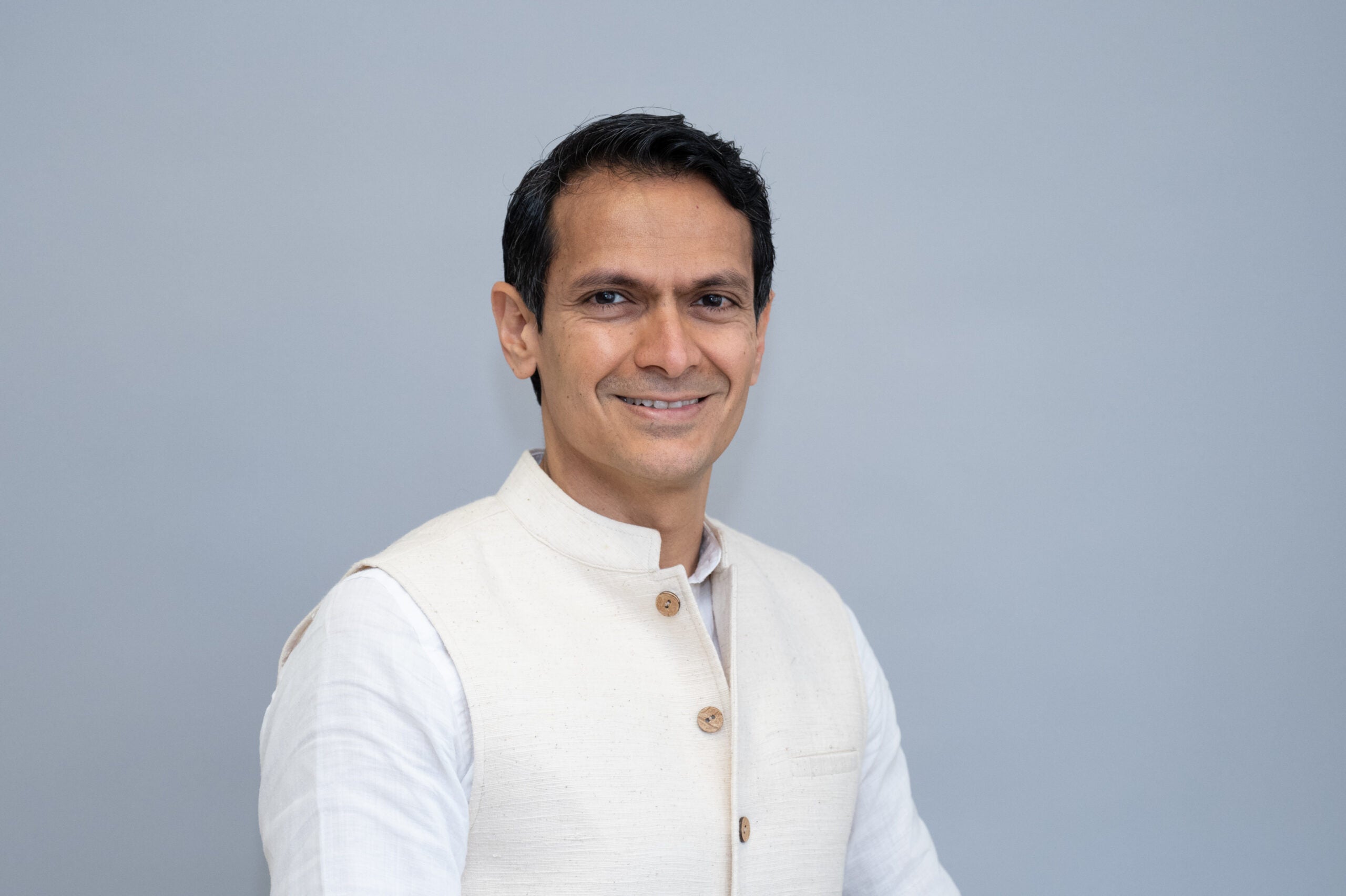
Kartikeya Bhatotia, MPP, is a Climate Fellow at the Mittal South Asia Institute at Harvard University, where he works on research and programming for the climate platform. His work brings environmental, health, and social science research into conversation with public policy. He is particularly interested in how informal social systems shape community responses to slow-onset environmental hazards and how collective institutions support health and livelihoods in the Global South. At Harvard, he has contributed to the Salata Institute’s Climate Adaptation in South Asia research cluster and the Harvard Global Health Institute’s Heat and Worker Protections Scholarly Working Group. Before Harvard, Kartikeya worked at Tata Trusts and the Institute for Financial Management and Research, applying behavioral economics to health, climate, and economic development in informal contexts. He was a 2018 Young India Fellow at Ashoka University and earned a master’s degree in public policy form Harvard Kennedy School in 2024.
Speaker Information
Kartikeya Bhatotia
Organizers
ⓘ Harvard Chan School hosts a diverse array of speakers, invited to share both scholarly research and personal perspectives. They do not speak for the School, and hosting them does not imply endorsement of their views, organizations, or employers.