Leading public health schools today and tomorrow: A conversation with Deans Megan Ranney and Andrea Baccarelli
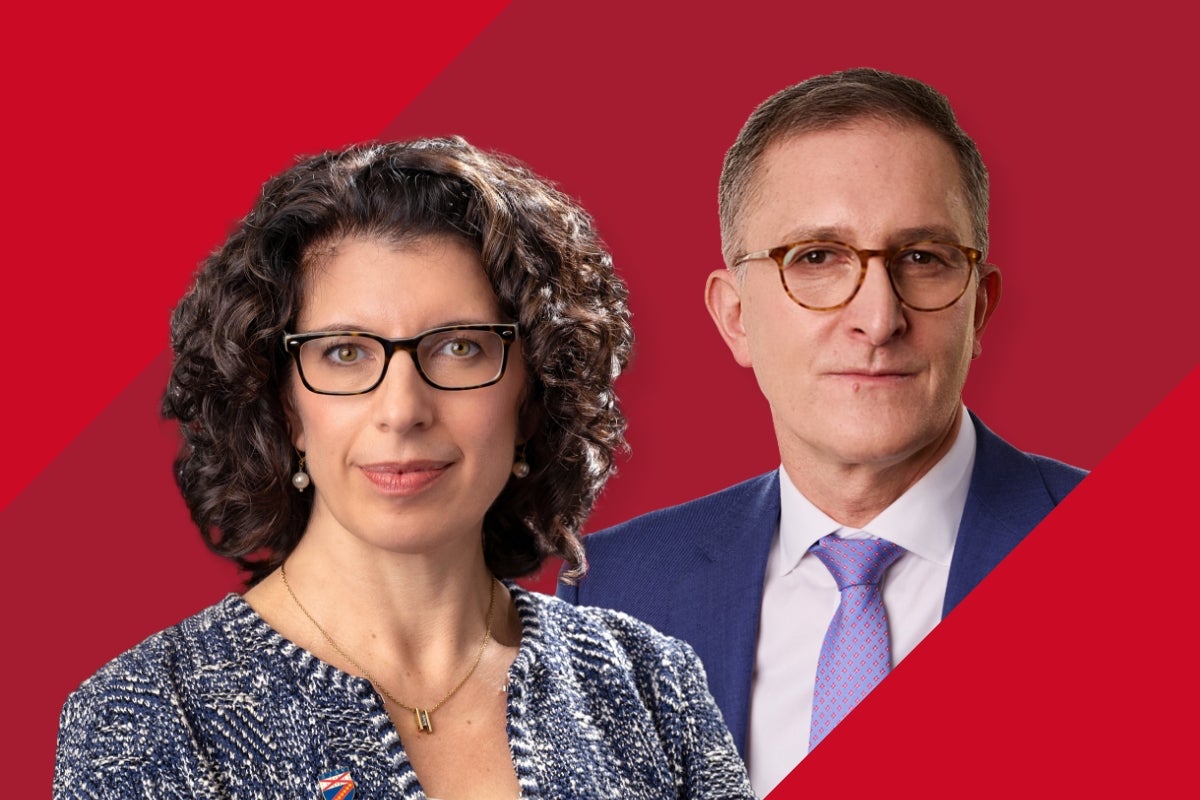
In this fireside chat, two deans of leading schools of public health will explore how to navigate a rapidly evolving landscape in public health education. Megan Ranney, Dean of Yale School of Public Health, will join Andrea Baccarelli, Dean of Harvard Chan School, to discuss preparing—and learning from—the next generation of public health students. From modeling constructive dialogue across diverse audiences, to examining the role of generative AI in classrooms and research, to equipping graduates for a shifting job market, the deans will share real-world insights.
Speaker Information
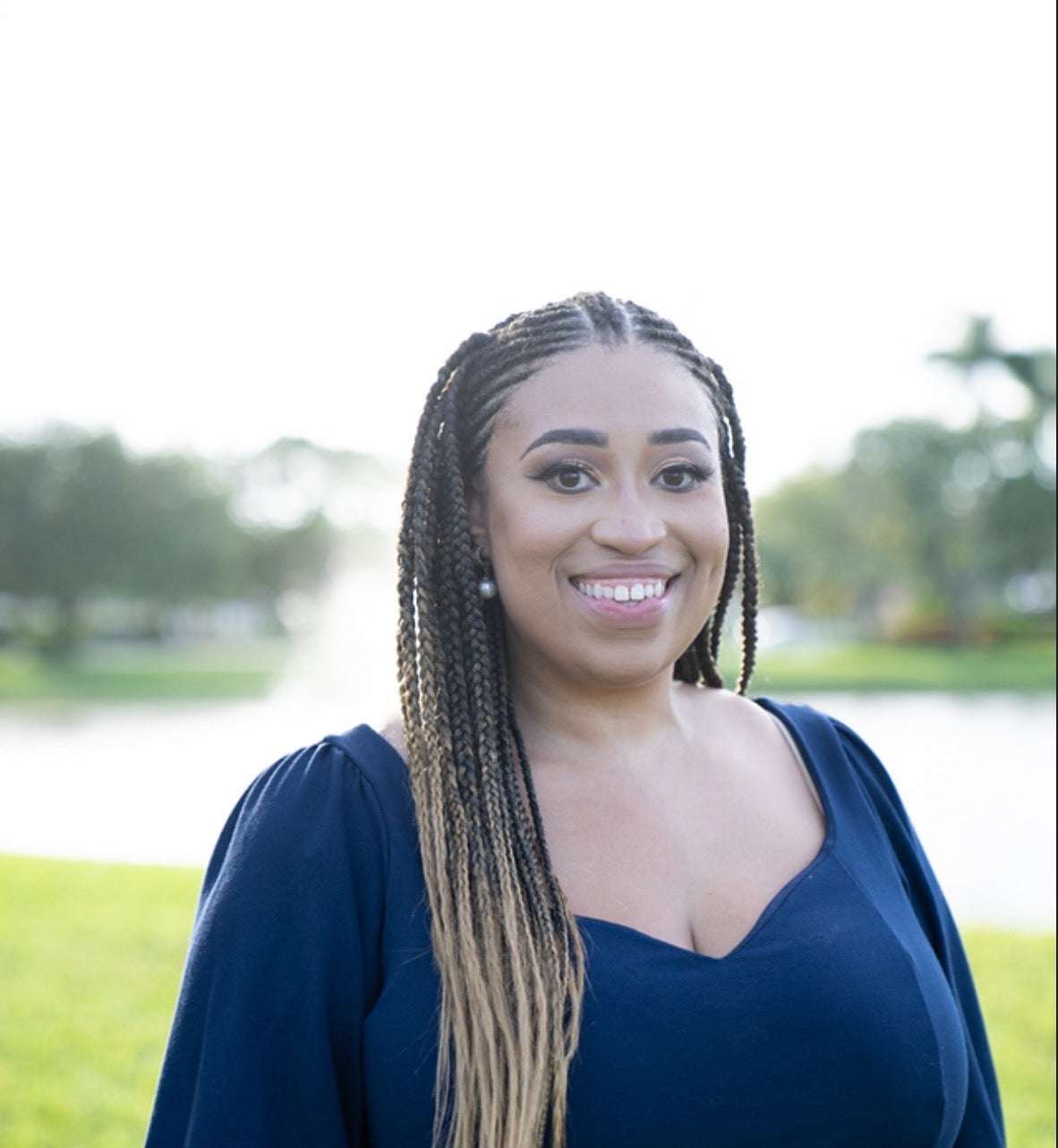
Megan Ranney

About the Organizers
Pressure Points: Leading academic medical centers in turbulent times

Pressure Points is a webinar series co-hosted by The Studio and Executive and Continuing Education at Harvard T.H. Chan School of Public Health bringing you inside the business of health care.
As health care organizations face sustained crisis conditions—policy, technology, and workforce related—how can leaders guide their institutions with clarity and resilience? Join health care leaders and experts for a candid conversation about what crisis leadership looks like today, and how to lead with strength when the stakes are highest.
Register for free to submit your questions.
An on-demand video will be posted after the event.
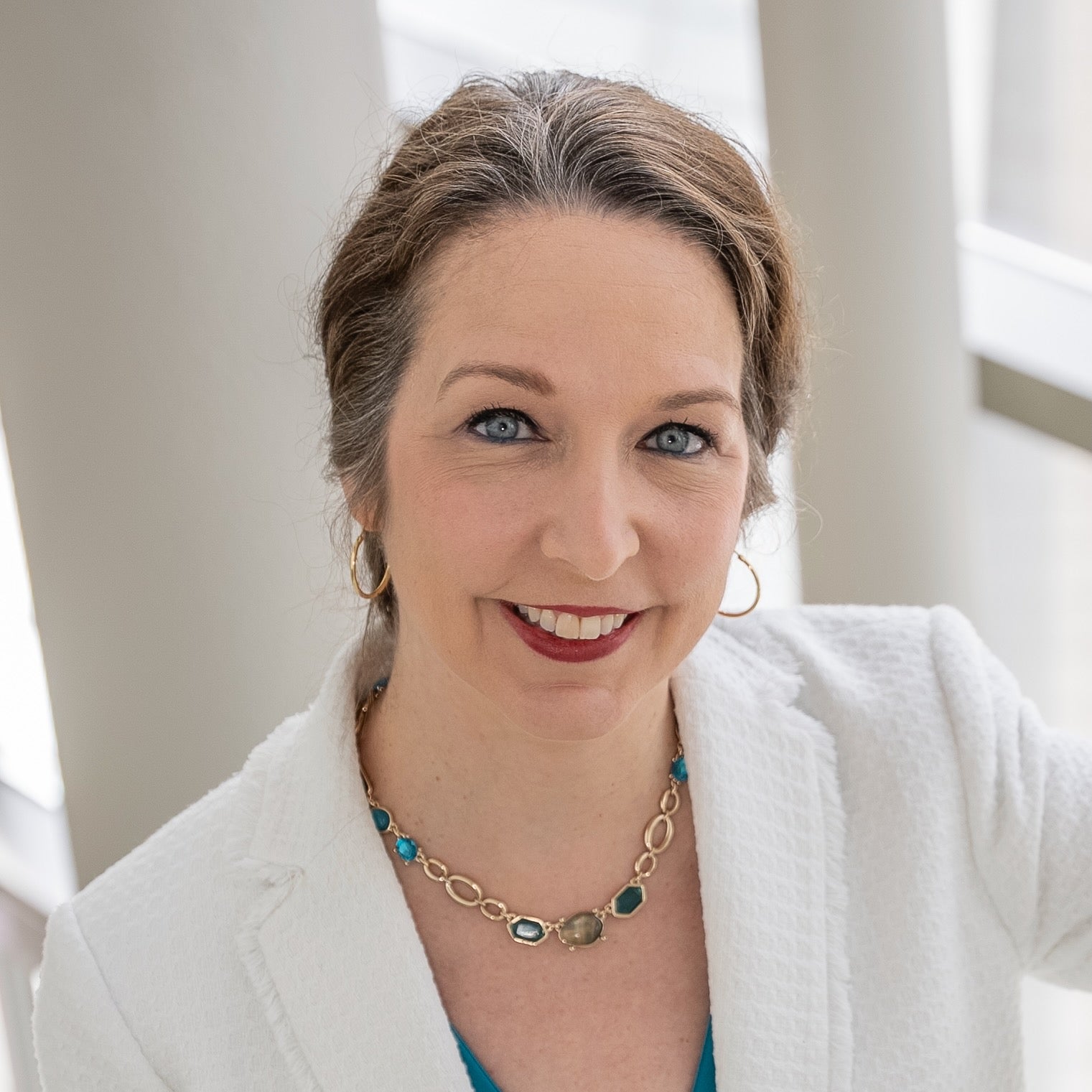
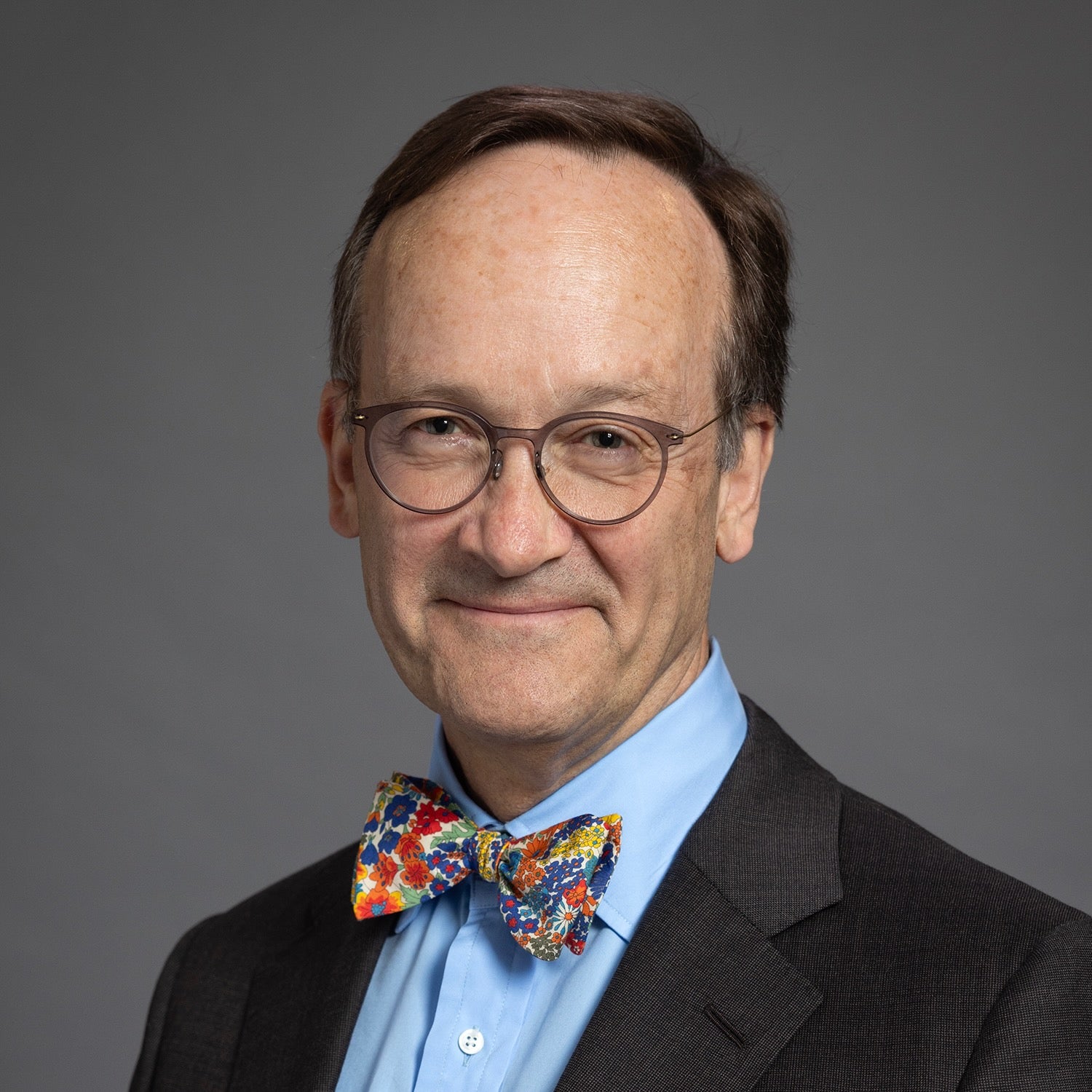
Speakers
Moderator
About The Organizers
The Harvard Chan Studio is the hub for the School’s premier in-person and live-streamed events. We convene global leaders in health policy, advocacy, industry, and research for insightful conversations about public health’s most pressing challenges and most promising solutions.
Executive and Continuing Education
Strengthen your expertise and build new capabilities to address pressing healthcare and public health challenges. Learn from industry experts and esteemed Harvard faculty and join a global community of peers driven to creating a healthier world.
Community-Engaged Research Working Group in Environmental Health
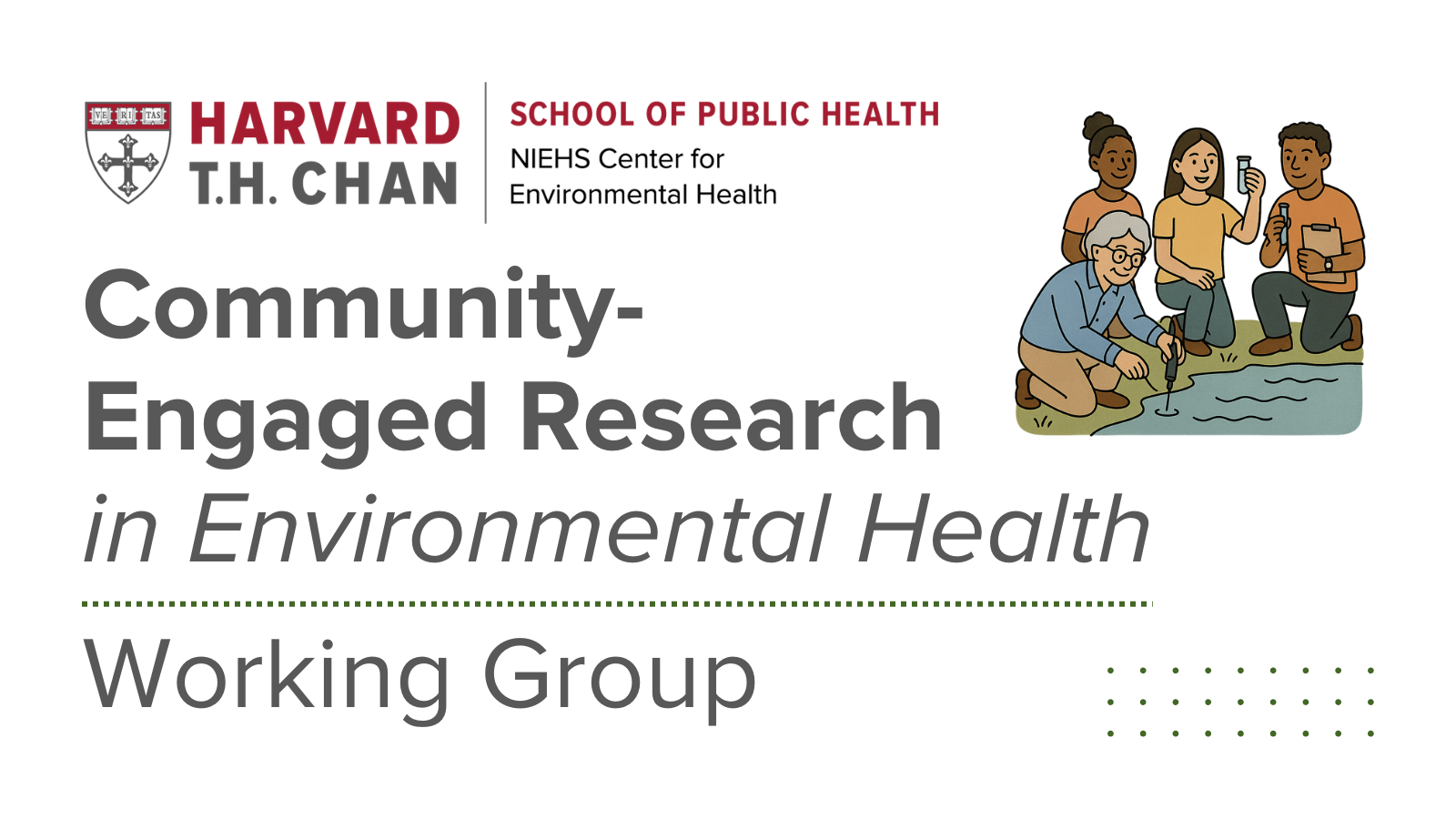
Join the Harvard Chan NIEHS Center’s working group on community-engaged research in environmental health!
This working group brings together faculty, trainees, students, and staff to discuss the methods and practice of conducting community-engaged research with a focus on environmental health.
We’ll meet in person in Building 1, 1302 on January 5, 1-1:50 pm.
January agenda: Present and select project ideas to receive Harvard Chan NIEHS Center Community Action Funds (up to $3,000)! Come to present or to select! If you have a project idea, complete this brief interest form by January 4, 11:59 pm ET, and come to the meeting ready to share your idea!
Please email niehsctr@hsph.harvard.edu to RSVP!
Speaker Information
Organizers
Annual ERC Pilot Project Symposium
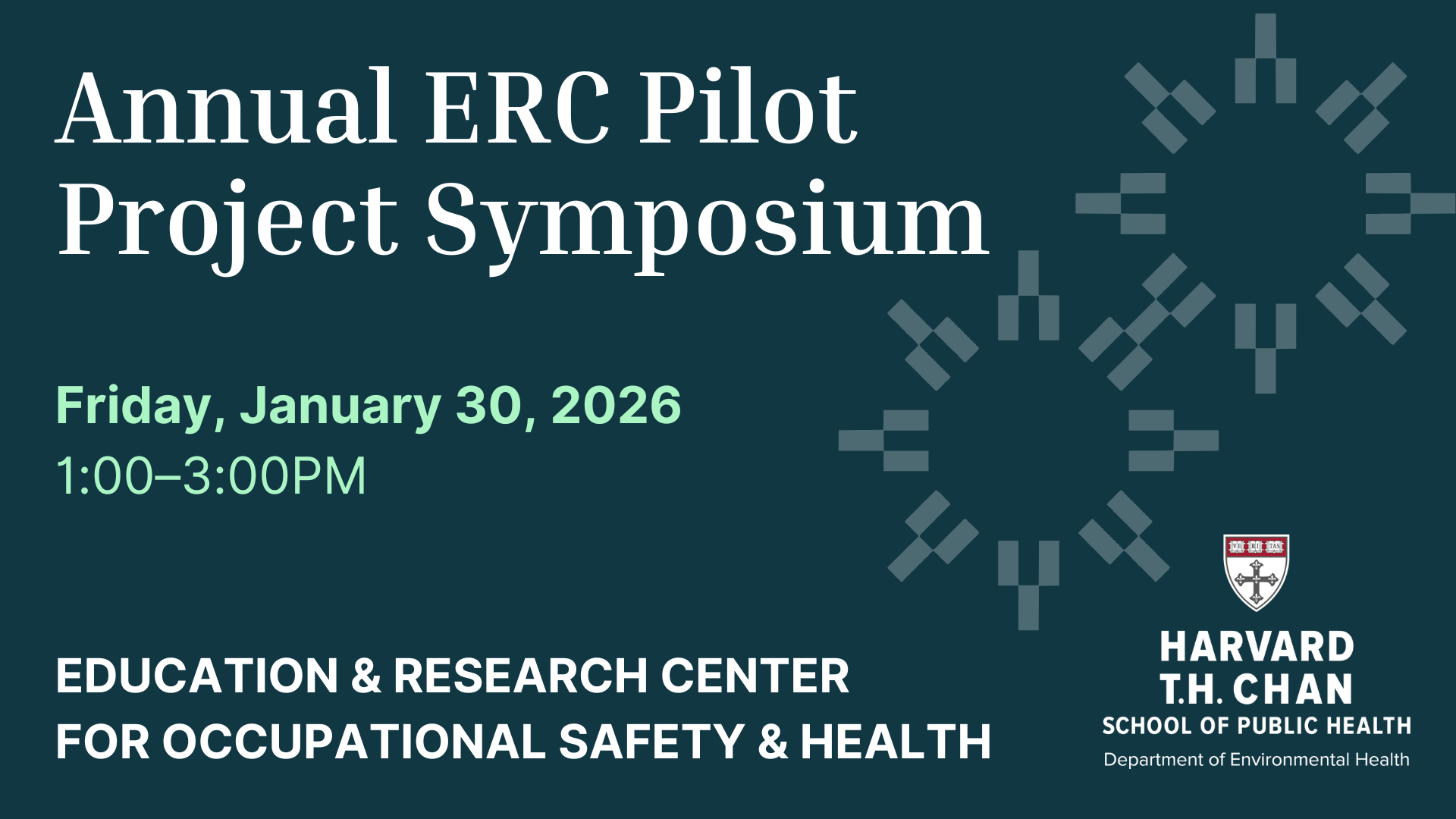
The Harvard Chan Education and Research Center (ERC) for Occupational Safety and Health invites you to the annual ERC Pilot Project Symposium to learn about recently completed Pilot Projects. These NIOSH-funded projects address concerns in one or more of the occupational safety and health areas of occupational hygiene, occupational epidemiology, occupational health services, occupational medicine, or occupational health nursing. Learn more.
This year’s presenters and topics:
- “Using Data for Injury and Violence Prevention Among Massachusetts Healthcare Workers,” by Devan Hawkins, ScD, Assistant Professor of Public Health, Director of Public Health Program, School of Arts and Sciences, Massachusetts College of Pharmacy and Health Sciences
- “Building a Requiem for Rikers Island: Examining the Carceral Harms Experienced by People within New York City’s Penal Colony,” by Jasmine Graves, PhD candidate in the Department of Social and Behavioral Sciences, Harvard T.H. Chan School of Public Health
- “Thriving from Work: Assessment and Impact of Older Worker Preferences,” by Maren Wright Voss, ScD, PhD, Instructor, Harvard Extension School
- “Quality of Life and Return to Work in Lung Cancer Survivors,” by Mi-Sun Lee, PhD, Research Scientist in the Department of Environmental Health, Harvard T.H. Chan School of Public Health
Location: Building 1, Room 1302 and Zoom.
Register: Click here to register.
Speaker Information
Organizers
Bacterial quorum sensing controls the CD8+ T cell response to skin commensals
Title Talk
“Bacterial quorum sensing controls the CD8+ T cell response to skin commensals”
THIS SPEAKER WILL BE IN PERSON IN FXB 301.
The event will be hybrid.
Speaker Information
Some strains of Staphylococcus can elicit a CD8+ T cell response upon skin colonization, without infection or inflammation. Colonizing skin with engineered versions of these strains can redirect the host T cells against any antigen of choice, protecting the host from cancer or systemic infection. We now dissect the bacterial and host molecular mechanisms underlying this unusual commensal-specific T cell response. We aim to understand the fundamental mechanisms of skin microbiome-immune crosstalk and engineer this crosstalk into novel immunotherapies.
Related Events
Monday Nutrition Seminar | So the US food system is certainly broken; what can we reasonably do about it, given nutritional and geophysical constraints on this system?
Please join the Department of Nutrition for the Monday Nutrition Seminar featuring Gidon Eshel, PhD, MA, MPhil, Research Professor at Bard College. Dr. Eshel’s talk—”So the US food system is certainly broken; what can we reasonably do about it, given nutritional and geophysical constraints on this system?”—will take place on December 15, 2025 at 1:00pm ET in FXB G-13 and via Zoom (registration is required).
The Monday Nutrition Seminar Series is free and open to the public. If you plan to attend this event and do not have an active HUID, please fill out the registration form by 3:00 p.m. ET on the Friday before the seminar to request a visitor pass to access the building.
Seminar speakers share their perspectives, they do not speak for Harvard.
Speaker Information
Organizers
Awe on the Margins: Youth Perspectives on the (im)possibilities of Human Flourishing
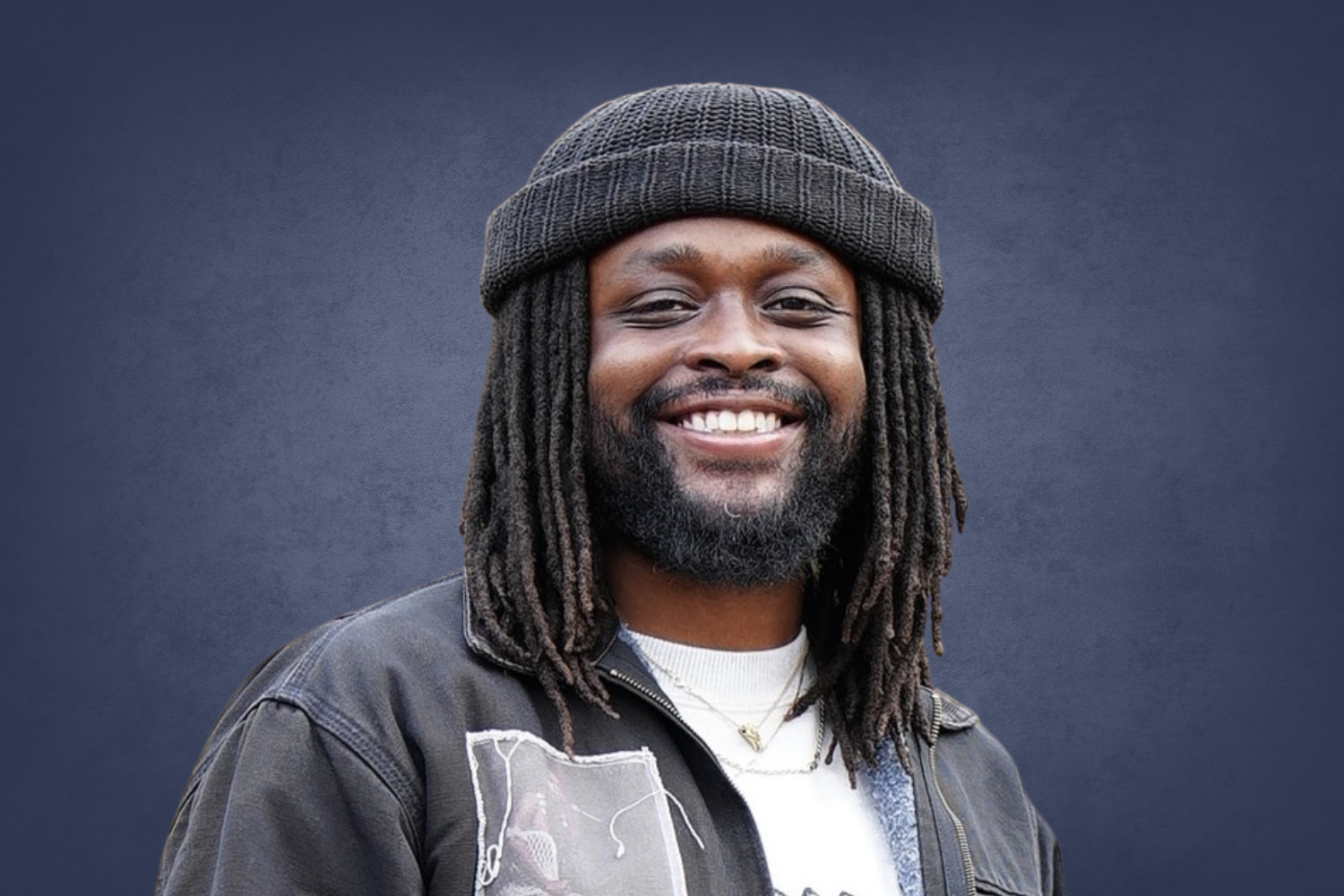
On Wednesday, April 15th, 2026, from 1-1:50 p.m. in FXB G13 and online, all are welcome to join us for the sixth and final installment in our Virtues for Well-being Seminar Series, featuring Dr. Demond Hill.
Lunch provided.
Seminar Description
Awe—an emotional response to vastness that transcends our ordinary frames of reference—has the power to transform perspectives, foster human flourishing, and enhance well-being. Yet little is known about where awe emerges in marginalized urban contexts, who can access it, and how it might disrupt structural inequality. This seminar asks: What would it take for us to be more honest with the lives we are living, living on, stepping over, and forgetting?
Drawing from the first year of a three-year youth participatory action research project with 20 Black and Brown high school students in Boston, this work explores how youth make sense of, complicate, experience, locate, and mobilize awe. Through an after-school awe and flourishing literacy program, students embarked on awe excursions, documented their insights, and designed awe-inspiring spaces. This project cultivates healing, civic engagement, and bold visions for communal health equity. Together, we will consider how “actionable awe” can transform “awe-ful” spaces into “awe-inspiring” ones and illuminate new pathways for collective flourishing.
Speaker Biography
Dr. Demond M. Hill is an Assistant Professor of Health Equity at Tufts University in the Eliot-Pearson Department of Child Study and Human Development. His research, grounded in transdisciplinary, critical, applied, humanizing-based approaches, focuses on the mental health and well-being of marginalized children, youth, and their families, with a particular emphasis on Black populations. Dr. Hill collaborates with communities to promote and protect opportunities for awe, belonging, and human flourishing among Black and Brown communities within systemic inequality. His work centers marginalized communities’ voices and lived experiences and incorporates youth- and community-based participatory action approaches to identify and strengthen protective factors that inform policy and promote mental health equity.
Speaker Information
Organizers
War and the public’s health
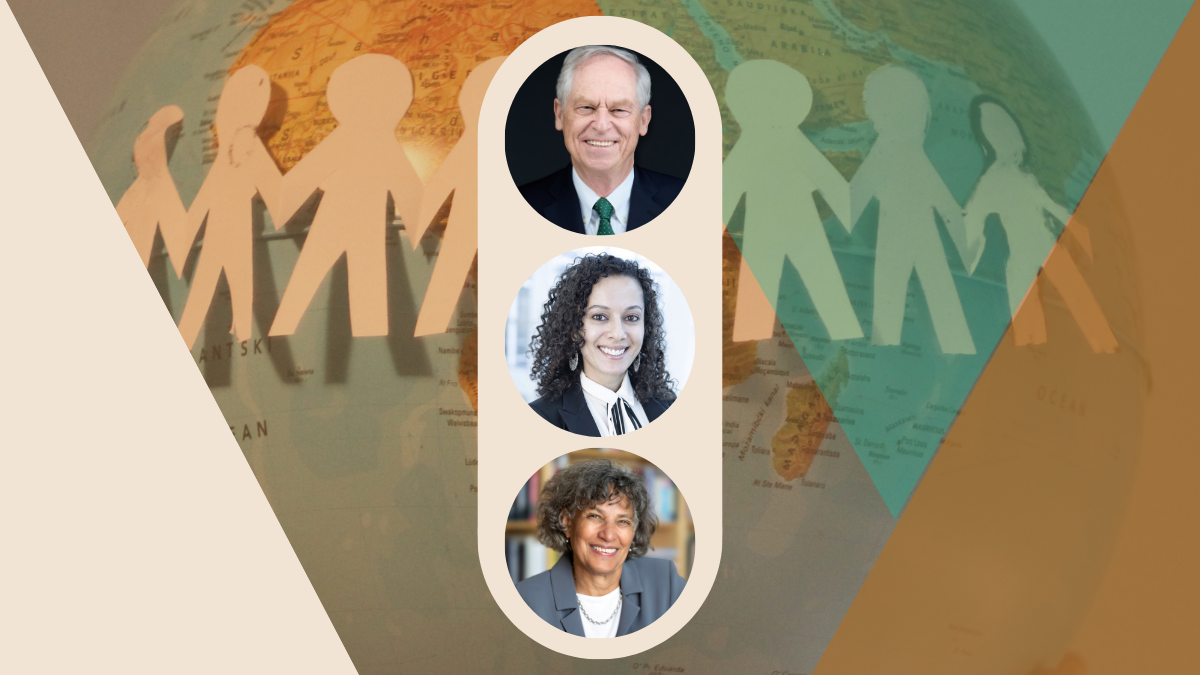
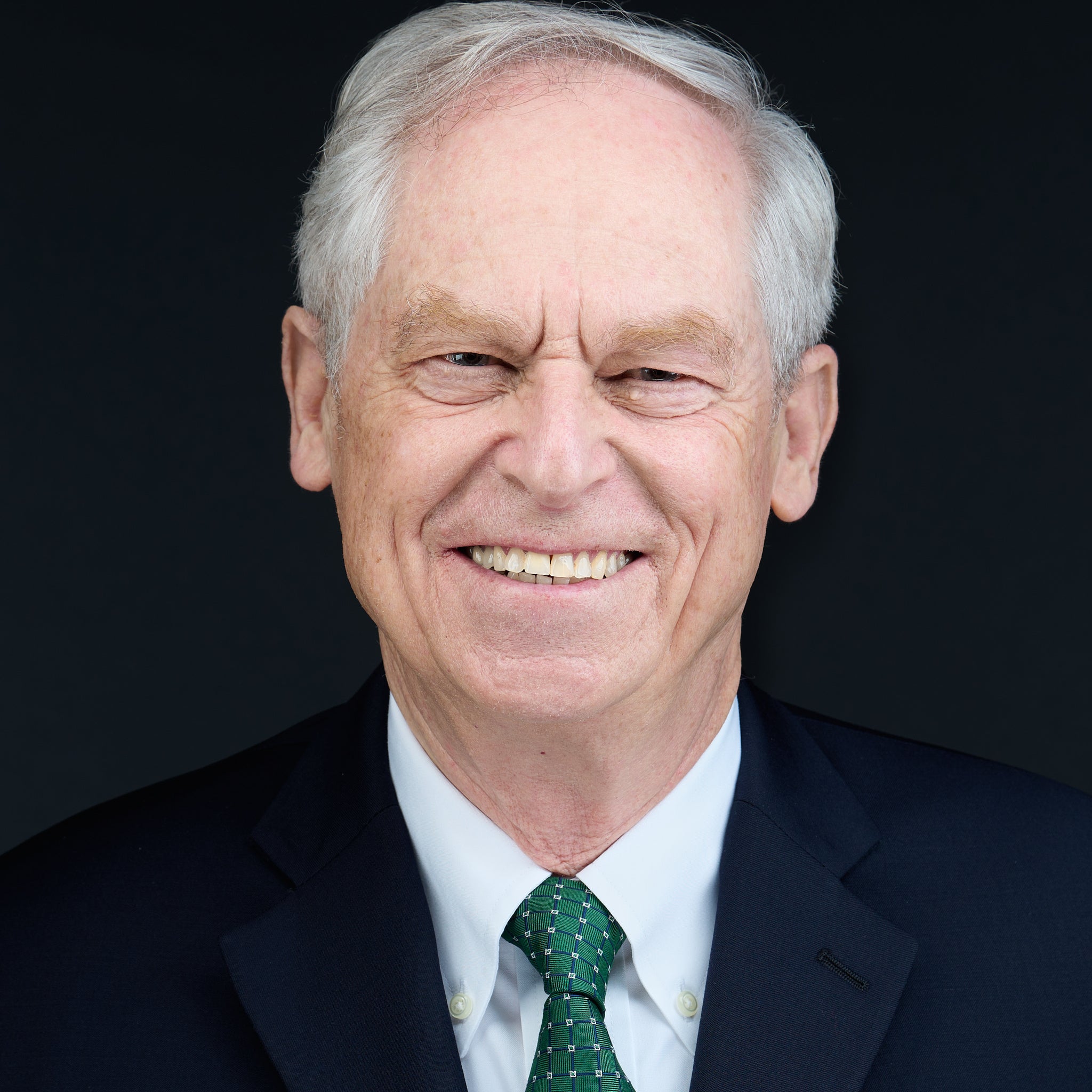
Join the FXB Center for Health & Human Rights for a fireside chat with physician and epidemiologist Barry Levy, MD, MPH, and discussion with FXB Visiting Scientist Yara M. Asi, PhD. They will describe the impacts of war on the health and human rights of noncombatant civilians and related issues, including forced displacement and destruction of civilian infrastructure. They will also discuss the prevention of war and the promotion of peace. Dr. Levy will draw on his book, From Horror to Hope: Recognizing and Preventing the Health Impacts of War, and Dr. Asi on her book, How War Kills: The Overlooked Threats to Our Health.
Speaker Information
Barry Levy, MD, MPH
Moderator
Opening Remarks
Organizers
Post-Launch of the Lancet One Health Commission Report
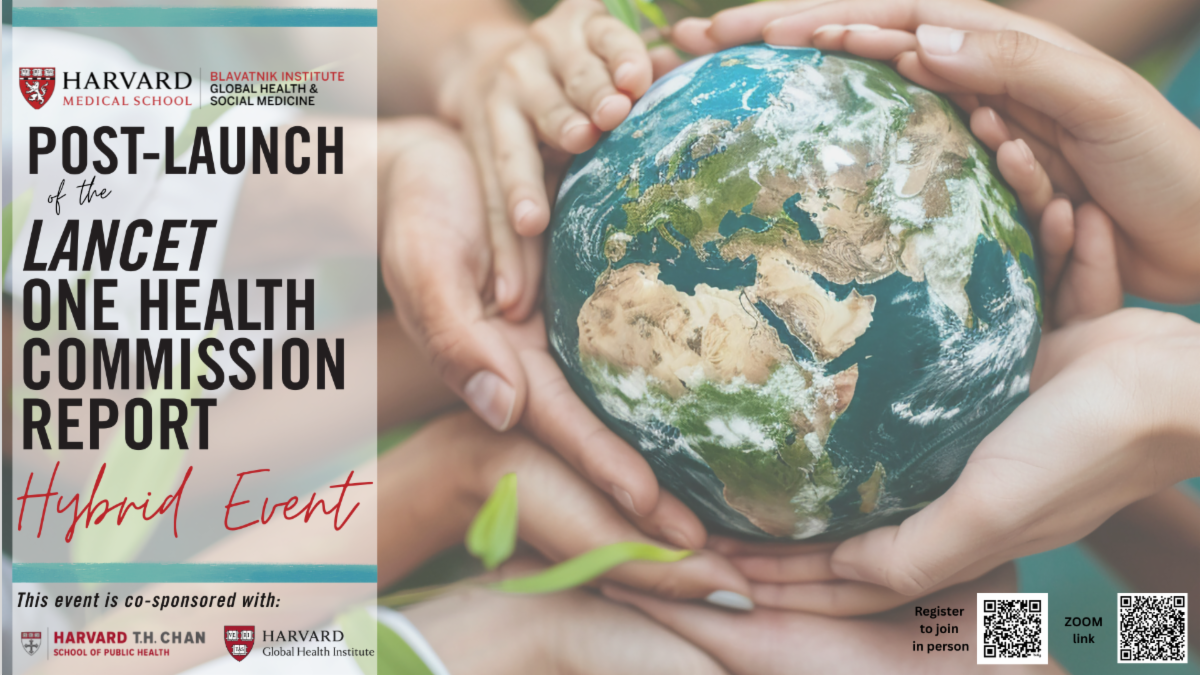
We are delighted to invite you the post-launch event of the Lancet One Health Commission Report.
Date: Wednesday December 3, 2025
Time: 2:00-4:00pm EST
Location: Hybrid | Countway Library & Zoom
The event will highlight the urgent challenges at the intersection of health and sustainability – including health inequity, climate change, biodiversity loss, antimicrobial resistance, infectious and non-communicable diseases, as well as weak health systems. These issues illustrate the inseparable links between human, animal, and ecosystem health, and underscore the need for a One Health approach to achieve effective solutions.
With only five years left to reach the Sustainable Development Goals, the event will explore how the implementation of One Health can decisively strengthen global health and sustainability efforts.
The event will be moderated by Andrea Winkler, Co-Chair of the Lancet One Health Commission and co(joint)-Director of the Center for Global Health of the Technical University of Munich, Germany.
Register here to join in person.
Click here to access Zoom link (Harvard Key required).
Speaker Information
Organizers
Report-back from the 2ND Africa-CARICOM summit on reparations
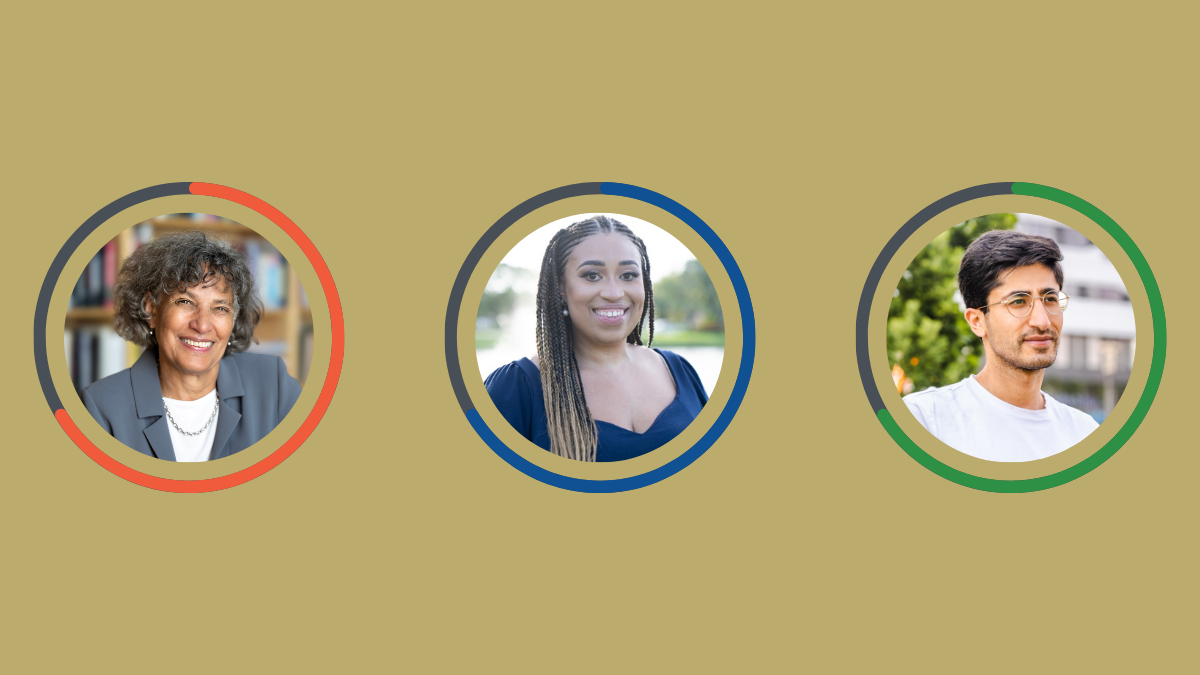
Join the FXB Center for Health and Human Rights for a virtual conversation between FXB Director, Dr. Mary T. Bassett, MD, MPH, and FXB Visiting Scientist Brittney Francis, PhD, MPH, who will share their takeaways after attending the 2nd Africa-CARICOM Summit in Addis Ababa in September 2025. The summit brought together member states from the African Union and CARICOM, along with UN entities and international NGOs, including the global African diaspora. The goal was to strengthen unity, deepen integration, and jointly pursue reparations and reparatory justice through a comprehensive transcontinental partnership framework, under the theme: “Transcontinental Partnership in Pursuit of Reparatory Justice for Africans and People of African Descent through Reparations.” The conversation will be moderated by FXB Research Associate, Serhat Yildirim, MD, MMSc.