The Samuel L. and Elizabeth Jodidi Lecture with Atul Gawande
The Mechanics of Public Man-Made Death: USAID’s Destruction At One Year
The Trump Administration’s abrupt dismantling of the US Agency for International Development (USAID) has triggered a wave of already hundreds of thousands of deaths, mostly of children, around the world. Atul Gawande—former leader of global health at the agency—draws on data, historical parallels, and on-the-ground fact-finding to reveal how gains against malnutrition, infectious disease, and child mortality are being rapidly reversed. Gawande argues that this is a case of “public man-made death,” and calls for accountability and renewed commitment to lifesaving global health efforts.
This event is open to the public and will be recorded. Please plan on being seated by 4:15 p.m. as the event will start promptly at 4:30 p.m. Please register in advance to attend.
Speaker Biography
Atul Gawande, MD, MPH, is a renowned surgeon, author, and public health innovator. He holds the John and Cyndy Fish Chair in Surgery at Brigham and Women’s Hospital and is the Samuel O. Thier Professor of the Practice of Surgery at Harvard Medical School. He was Assistant Administrator for Global Health at USAID from January 2022 to January 2025. Prior to that, he cofounded and chaired Ariadne Labs, a joint center for health systems innovation where he is now Distinguished Professor in Residence, and Lifebox, a nonprofit organization making surgery safer globally. From 2018–2020, he was CEO of Haven, the Amazon, Berkshire Hathaway, and JPMorgan Chase healthcare venture.
Dr. Gawande is also a longtime writer for The New Yorker magazine and has written four New York Times bestselling books: Complications, Better, The Checklist Manifesto, and Being Mortal. He is a member of the National Academy of Medicine and has won two National Magazine Awards, AcademyHealth’s Impact Award for highest research impact on healthcare, and a MacArthur Fellowship. And he is executive producer for three documentary films: the Emmy-nominated adaptation Being Mortal (2016), the Oscar-nominated film To Kill A Tiger (2024), and The New Yorker film Rovina’s Choice (2025).
For more event information contact Sarah Banse: sarahbanse@wcfia.harvard.edu
Speaker Information
Chair
Erez Manela
Organizers
Brown Bag Seminar: Beyond the buzzwords: Why implementing people-centered care is essential to achieving universal health coverage

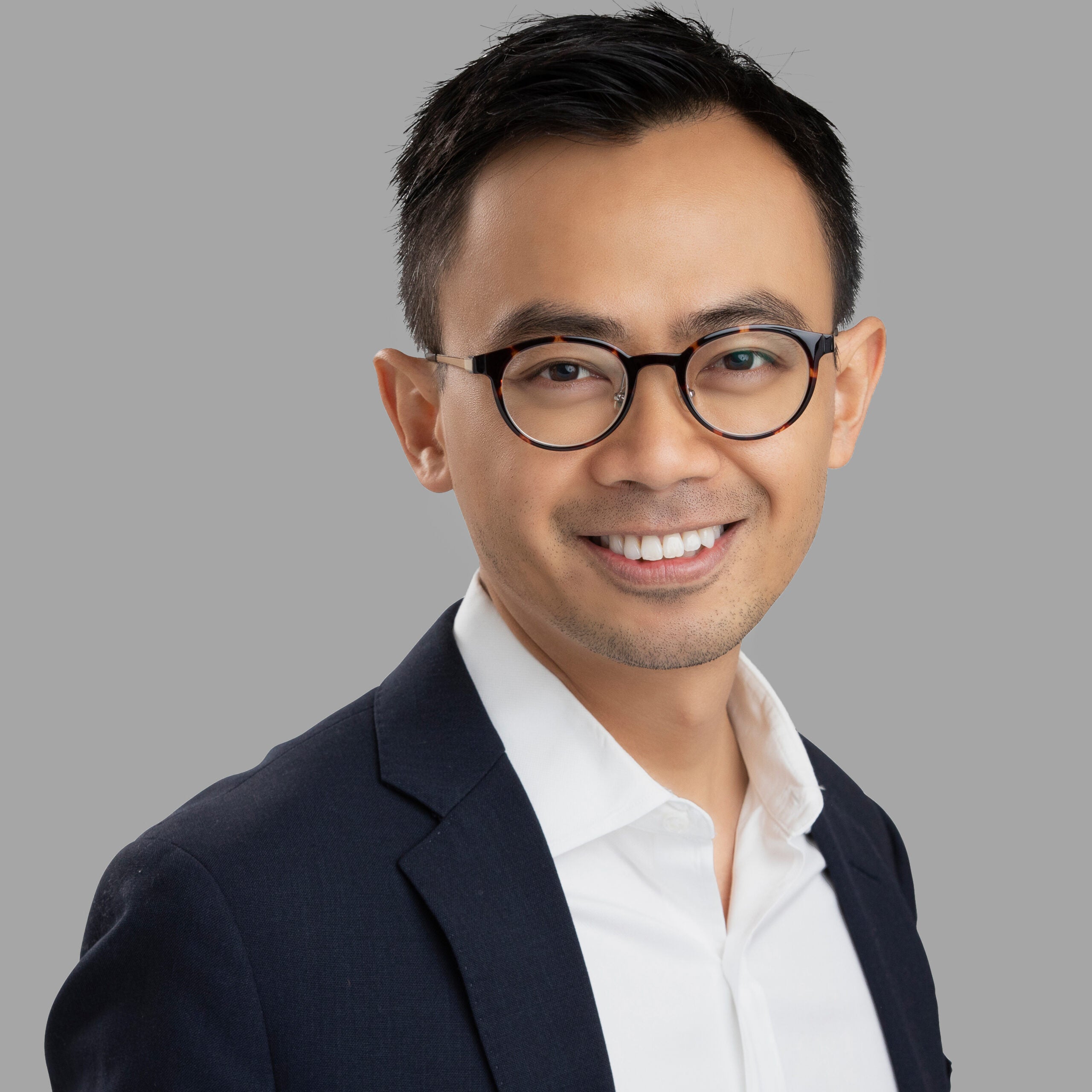
David Duong, MD, MPH, is the director of the Program in Global Primary Health Care at Harvard Medical School and in the Division of Global Health Equity at the Brigham and Women’s Hospital. His research and teaching covers primary healthcare systems strengthening, education program development, and policy and advocacy across Southeast Asia and in the United States. He is also co-lead of the Lancet Global Health Commission on People-Centered Care for Universal Health Coverage. Duong is a primary care physician, a member of the World Health Organization’s Technical Advisory Group on Integrated Clinical Care, and previously served on the World Economic Forum’s Global Future Council on Health and Healthcare. He is also a former US Fulbright Scholar. Duong earned both his bachelor’s degree and master’s in public health degree from the University of Michigan and earned his medical doctor degree from Harvard Medical School. He completed his internal medicine residency at the Brigham and Women’s Hospital.
Speaker Information
David Duong
Organizers
Brown Bag Seminar: Economic inequality and violent mortality: Evidence from Ecuador

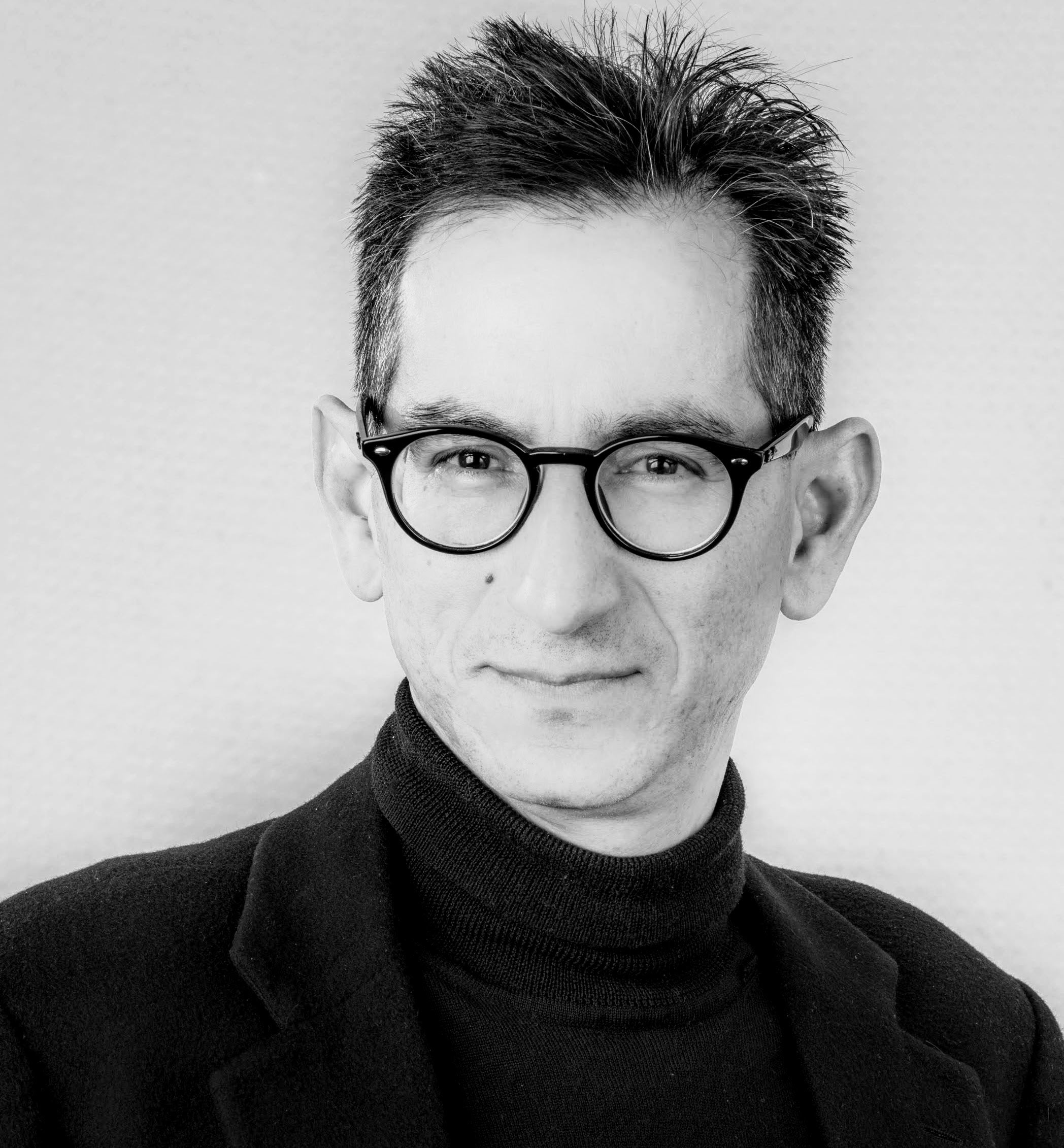
Omar Galárraga, PhD, is a health economist and tenured professor of health services, policy and practice at the Brown University School of Public Health. He currently serves as the director of the Center for Global Public Health (CGPH) at Brown. Galárraga’s research applies principles from health and behavioral economics to improve public health outcomes, with a specific focus on: (a) HIV prevention and treatment: designing and evaluating economic-based interventions, such as conditional economic incentives to improve adherence to antiretroviral therapy and reduce risk behaviors; (b) Health systems: analyzing health systems reform and insurance expansion in low- and middle-income countries; and (c) Applied econometrics: utilizing rigorous experimental and non-experimental methods to evaluate health interventions. He conducts research globally, collaborating with partners in Ecuador, Ghana, Kenya, Mexico, South Africa, and the United States. He is the former director of the doctoral program in health services research at Brown and was an appointed member of the Office of AIDS Research Advisory Council (OARAC) from 2021 to 2024. Currently, he is a standing member of the NIH Science of Implementation in Health and Healthcare (SIHH) study section, and an associate editor for the journal Health Economics. Galárraga has authored over 150 publications in leading health economics and public health journals.
Speaker Information
Omar Galárraga
Organizers
Brown Bag Seminar: Climate anxiety and disaster preparedness
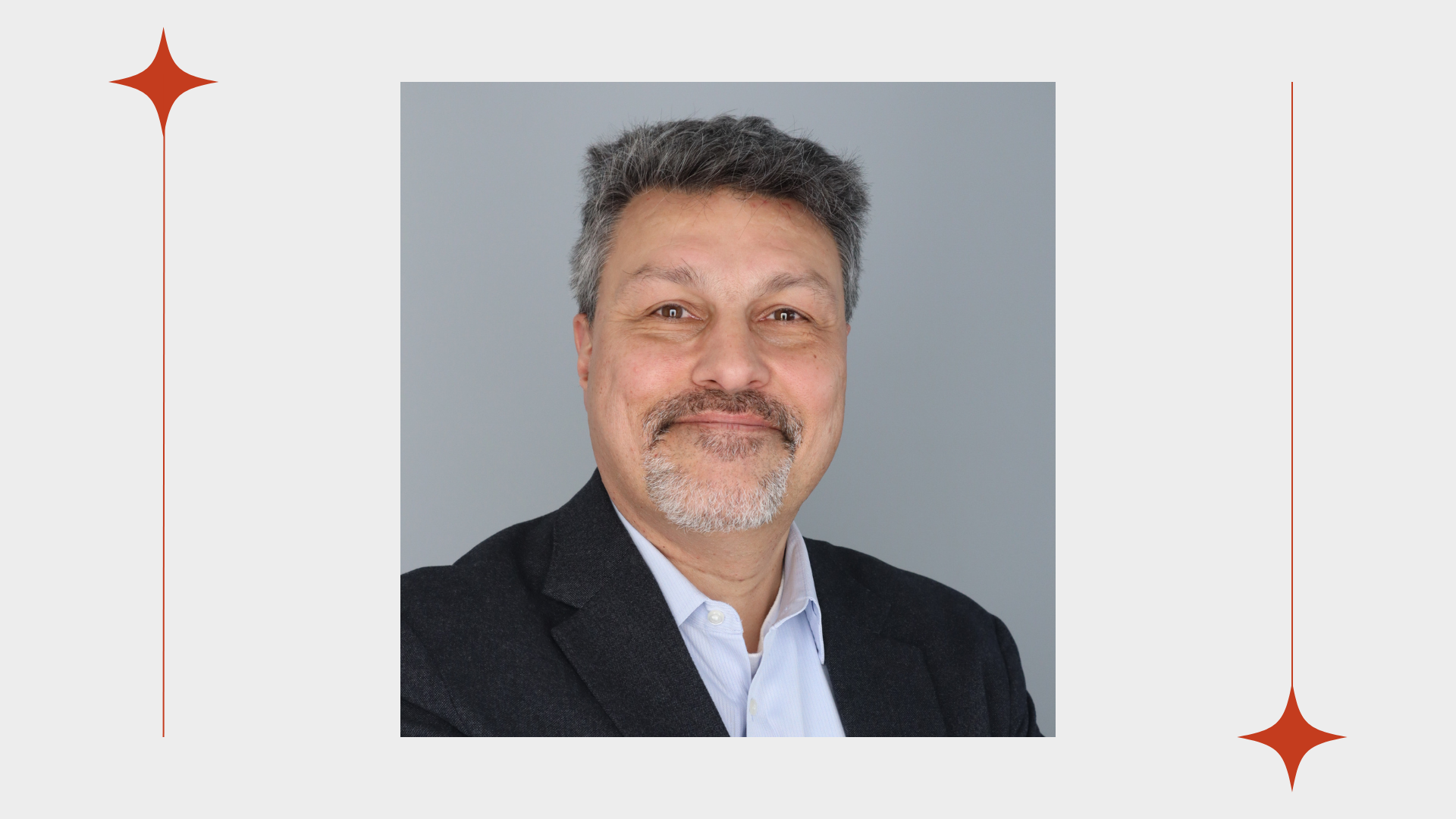
Vincenzo Bollettino is the director of the Program on Resilient Communities at the Harvard Humanitarian Initiative and senior research associate with the Harvard T.H. Chan School of Public Health. His research and professional experience include disaster resilience, humanitarian action, civil-military engagement in emergencies, and humanitarian leadership. He has spent the past 23 years of his career at Harvard University in administration, teaching, and research. His current research focuses on climate change and disaster preparedness, humanitarian leadership, and civil-military engagement during humanitarian emergencies.
Bollettino has taught courses on research design, peace-building, and international politics at the Harvard Extension School and is the author of publications related to disaster preparedness, climate change, humanitarian civil-military coordination, and humanitarian leadership.
He currently serves as an advisory committee member of the MSF Speaking Out Case Studies and is a member of the Technical Advisory Committee for Americares. He is a former board member of ELRHA (Enhancing Learning and Research for Humanitarian Assistance) and former president of the ACF (Action Against Hunger) International Scientific Council.
Speaker Information
Organizers
What If … Public Health Had to Be Built From Scratch? Revisiting 19th-Century Debates
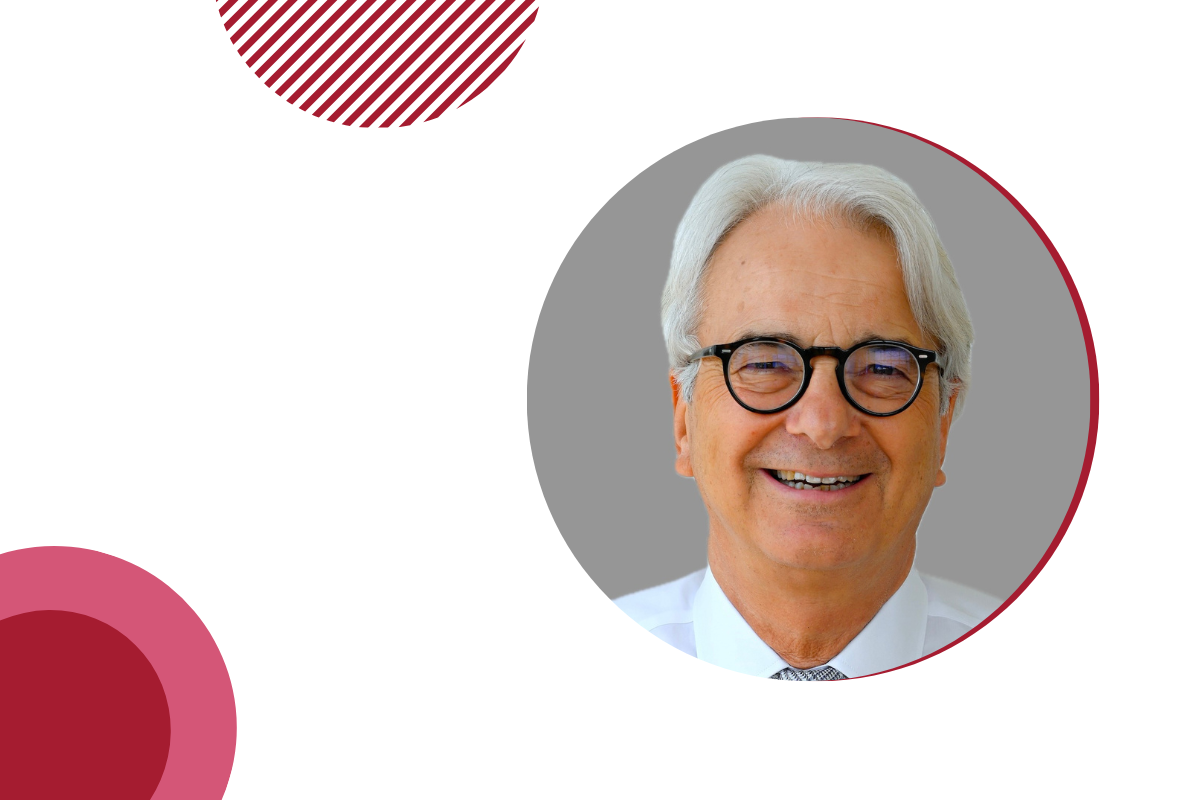
Join us on Wednesday, February 25th for the Department of Epidemiology seminar series featuring Dr. Alfredo Morabia discussing What If … Public Health Had to Be Built From Scratch? Revisiting 19th-Century Debates.
Abstract: What would public health look like if it had to be invented today, without assuming the institutions, divisions, and categories we inherited? This lecture revisits the formative debates of the 19th century, when scientific public health first took shape. By examining the tensions between competing visions, particularly between approaches centered on specific causes of disease and those focused on the broader conditions of life, I show that public health emerged not as a single, inevitable model but as the outcome of choices. Situating epidemiology and the early schools of public health within these debates, I argue that some options were abandoned rather than disproven. Revisiting these debates allows us to think more clearly about what public health could be today, not by returning to the past, but by recovering the range of possibilities that once existed.
Bio: Alfredo Morabia is a Professor of Epidemiology at the Barry Commoner Center for Health and the Environment, Queens College, CUNY and a Professor of Clinical Epidemiology at the Department of Epidemiology, Columbia Mailman School of Public Health. As Principal Investigator of the World Trade Center-Heart cohort study, funded by NIOSH, he examines the long-term cardiovascular effects of 9/11 on first responders. A historian of epidemiology, he explores the evolution of methods and concepts used to study and improve population health. His last book, The Public Health Approach: Population Thinking from the Black Death to COVID-19 (2023), traces the evolution of public health methods from past pandemics to modern crises. He has been Editor-in-Chief of the American Journal of Public Health from June 2015 to June 2025.
Speaker Information
Alfredo Morabia, MD, PhD, MPH
Organizers
Related Events
Quantitative Bias Analysis: The Good, the Bad, and the Ugly
Join us on Wednesday, February 11th for a Department of Epidemiology seminar featuring Dr. Timothy Lash discussing Quantitative Bias Analysis: The Good, the Bad, and the Ugly.
Abstract: Quantitative bias analysis encompasses all methods used to estimate the direction, magnitude, and uncertainty from non-randomized research. Many of these methods have been well known for decades, but are still not routinely implemented. This talk will review the methods, their utility, where there are shortcomings, and how they are sometimes used (intentionally or unintentionally) against their best purposes.
Bio: Timothy L. Lash is the O. Wayne Rollins Distinguished Professor of Epidemiology and Chair of the Department of Epidemiology at Emory University’s Rollins School of Public Health, and Associate Director of Population Science at Emory’s Winship Cancer Institute. His research focuses on predictive and prognostic markers of breast, prostate, and colorectal cancer recurrence. His longstanding collaborations in Denmark have involved multiple projects to study molecular markers of recurrence and to study whether concomitant use of prescription drugs affect recurrence risk. He is currently funded by the US NCI to begin adding recurrence data to the Georgia Cancer Registry. Dr. Lash’s methodological interest focuses on developing and implementing methods to quantify the influence of systematic errors on epidemiologic research. Funding from the National Library of Medicine supports his work to develop methods that quantify the influence of systematic errors on the reproducibility of epidemiologic study results. He teaches a course on quantitative bias analysis and leads the doctoral students’ journal club. He is Editor-in-Chief of EPIDEMIOLOGY, a leading general interest epidemiology journal, and coauthor of multiple editions of two epidemiology textbooks: Applying Quantitative Bias Analysis to Epidemiologic Research, 2nd edition and Modern Epidemiology, 4th edition.
Speaker Information
Timothy L. Lash, DSc, MPH
Organizers
Related Events
Art@Countway Exhibition Closing Ceremony: Call & Response

As the art exhibition “Call and Response: A Narrative of Reverence to our Foremothers in Gynecology” comes to a close at Countway Library, we invite you to celebrate the show’s impact with artists, organizers, and fellow community members.
This multimedia art exhibition, developed by the Resilient Sisterhood Project, sheds light on the exploitation of enslaved Black women in the origins of modern gynecology and its enduring implications for public health. Centering the lives of Anarcha, Betsey, and Lucy, three women subjected to repeated experimental surgeries by Dr. J. Marion Sims in the 1840s, the exhibition’s powerful narrative inspires us to unearth history, confront the present, and imagine a more just future for reproductive health.
We are committed to making this event accessible to all participants. The space is wheelchair accessible, microphones will be used for speakers, and assistive listening devices are available for use. Please reach out to countwayoutreach@hms.harvard.edu if you have any accessibility needs or questions.
Please register in advance here.
Speaker Information
Jules Authur
Dr. Michele David
Dr. Yvonne Gomez-Carrion
Michelle Hartney
Lilly Marcelin
Dr. Rose Molina
Organizers
Center Member Research Presentation: Jessica Harder, MD
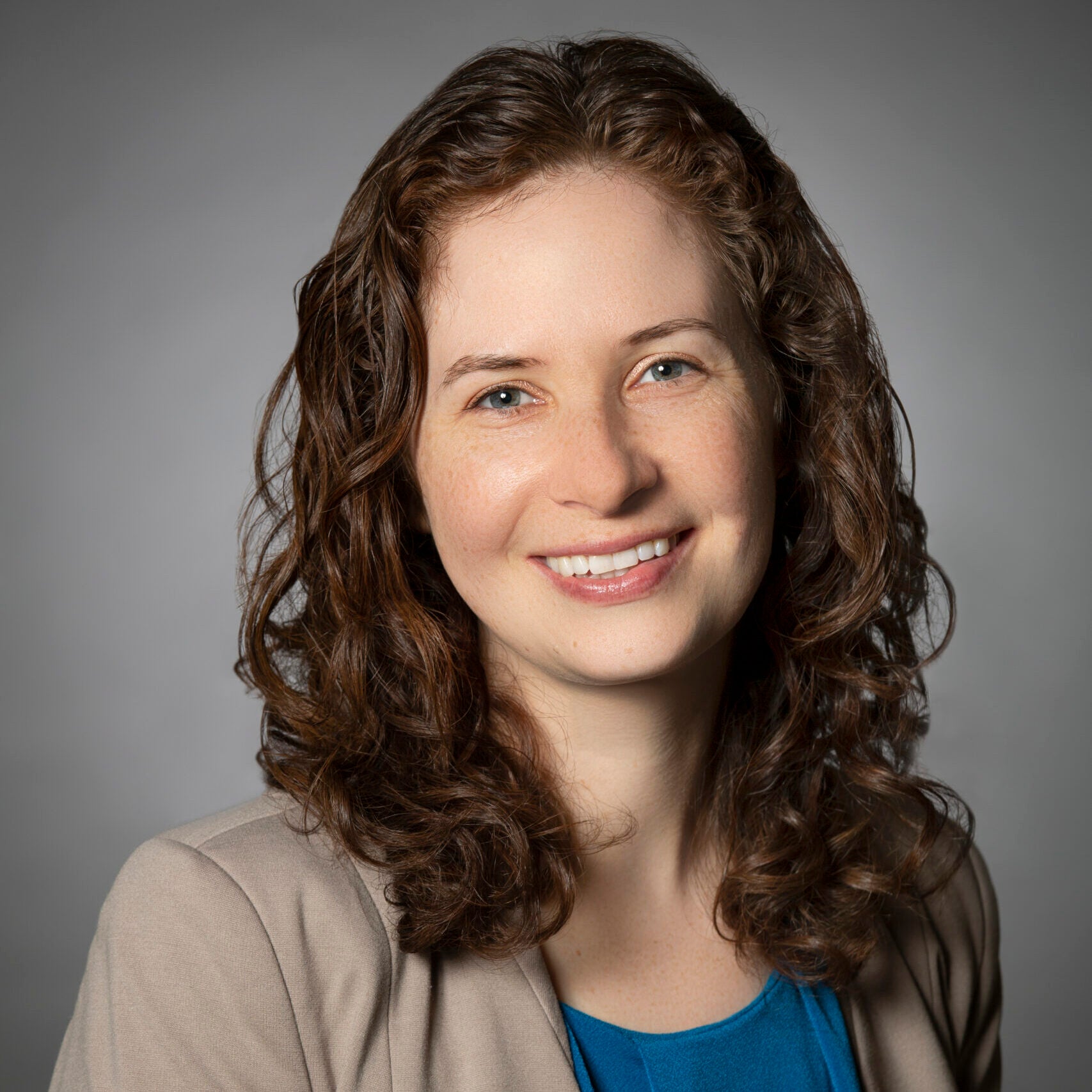
Join us for a Center Member Research Presentation by Dr. Jessica Harder on Environmental endocrine disrupting chemicals and neuropsychiatric outcomes in women. Following a brief presentation, there will be time for all participants to engage in a cross-disciplinary discussion with Dr. Harder and each other.
About the speaker: Jessica Harder, MD, is a neuropsychiatrist in the Department of Psychiatry at Mass General Brigham and Harvard Medical School. Dr. Harder’s research focuses on how environmental exposure to endocrine-disrupting chemicals affects neuropsychiatric symptoms in women across the lifespan, with an interest in how biological mechanisms, including gonadal hormone disruption and inflammatory signaling pathways, mediate these relationships. She holds an MD from Weill Cornell Medical College, completed psychiatry residency at Harvard Longwood, and fellowship in Behavioral Neurology and Neuropsychiatry at Brigham and Women’s Hospital’s Center for Brain/Mind Medicine.
This event will be held in person in HSPH Bldg. 1, 1302 and via Zoom. Register here
Speaker Information
Organizers
Developments in Postmarketing Safety Surveillance of Medical Products: Reflections from the FDA Sentinel Innovation Center

Join us on Wednesday, January 28th for a Department of Epidemiology seminar featuring Dr. Rishi Desai discussing Developments in Postmarketing Safety Surveillance of Medical Products: Reflections from the FDA Sentinel Innovation Center.
Abstract: The U.S. Food and Drug Administration (FDA) Sentinel Initiative—launched in 2008 under the FDA Amendments Act as the first national active-surveillance system for medical-product safety—has grown from a proof-of-concept pilot into the nation’s flagship regulatory grade evidence generation engine for pressing drug safety questions. In 2019, the FDA the US Food and Drug Administration prioritized more extensive electronic health records (EHR) integration to the existing claims-based Sentinel Distributed Databases and methodological innovations leveraging cutting edge data science approaches. This talk will provide an overview of the progress made by Sentinel’s Innovation Center in various domains including data infrastructure, information extraction, computable phenotyping, and confounding adjustment. Exemplary case studies will be discussed to highlight challenges and opportunities in applying the methodological innovations to inferential studies of medication safety.
Bio: Rishi J Desai, MS, PhD, is an Associate Professor of Medicine at Harvard (HMS/HSPH) and an Epidemiologist in the Division of Pharmacoepidemiology and Pharmacoeconomics at Brigham and Women’s Hospital. His research focuses on understanding the use of medications and resulting outcomes in routine care patients with chronic diseases. He has a special interest in methodological investigations to improve inference from non-randomized studies of medication effects. He is currently the Operations Lead for the FDA Sentinel Innovation Center. His work has been funded by the National Institute on Aging, the National Heart, Lung, and Blood Institute, and the Food and Drug Administration. He has authored >185 original research publications.
Speaker Information
Rishi Desai, MS, PhD
Organizers
Related Events
Complex Mixtures Working Group
Join the Harvard Chan NIEHS Center’s working group on complex mixtures, held the last Monday of each month in HSPH Bldg. 1, 1302!
This monthly working group meeting is held in person. Members discuss a wide range of issues related to analyzing health effects of complex mixtures of exposures in environmental health. During the 2025-2026 academic year, the group will also work through complex mixtures challenges faced by individual members.
Please email niehsctr@hsph.harvard.edu to RSVP!