CHDS Seminar with Mark Strong of University of Sheffield, UK
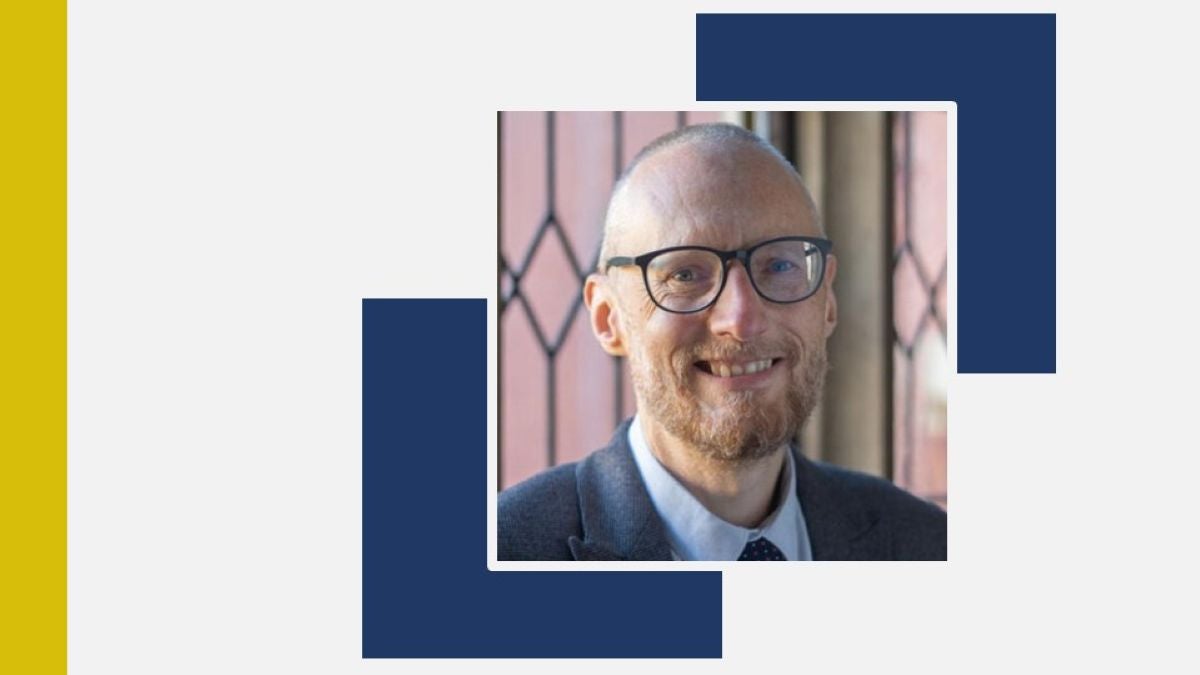
Join the Center for Health Decision Science for a seminar with Mark Strong of the University of Sheffield, UK, School of Medicine and Population Health, “Understanding and Managing Uncertainty in Model-Based Decision Making.” We commonly use computer models to help us make decisions in healthcare resource allocation. Should we fund a particular new drug, for example? However, even with our best model we still might make a wrong decision. This is because we can almost never eliminate uncertainty. This seminar will cover the meaning of uncertainty in a model-based decision making context, and how we can manage it, with particular reference to the quantification of the value of new information.
Mark Strong is Dean of the School of Medicine and Population Health at the University of Sheffield, UK. He is a public health physician and Professor of Public Health, and has conducted research on a wide range of topics relating to public health, health economics, health services research, epidemiology and statistics. He is a Chartered Statistician of the UK Royal Statistical Society and his core research interests relate to the quantification and management of uncertainty in healthcare decision making.
Speaker Information
Organizers
Alumni insights: Careers in entrepreneurship and innovation

Presented jointly with the Office of Career and Professional Development
Join a panel of Harvard Chan School alumni for an engaging discussion on bringing innovation and entrepreneurship to public health. Discover how they built their careers, what skills matter most, and how to apply their insights to your own professional journey in this candid conversation.
Register for free to submit your questions.
An on-demand video will be posted after the event.
Speakers
Hailey How
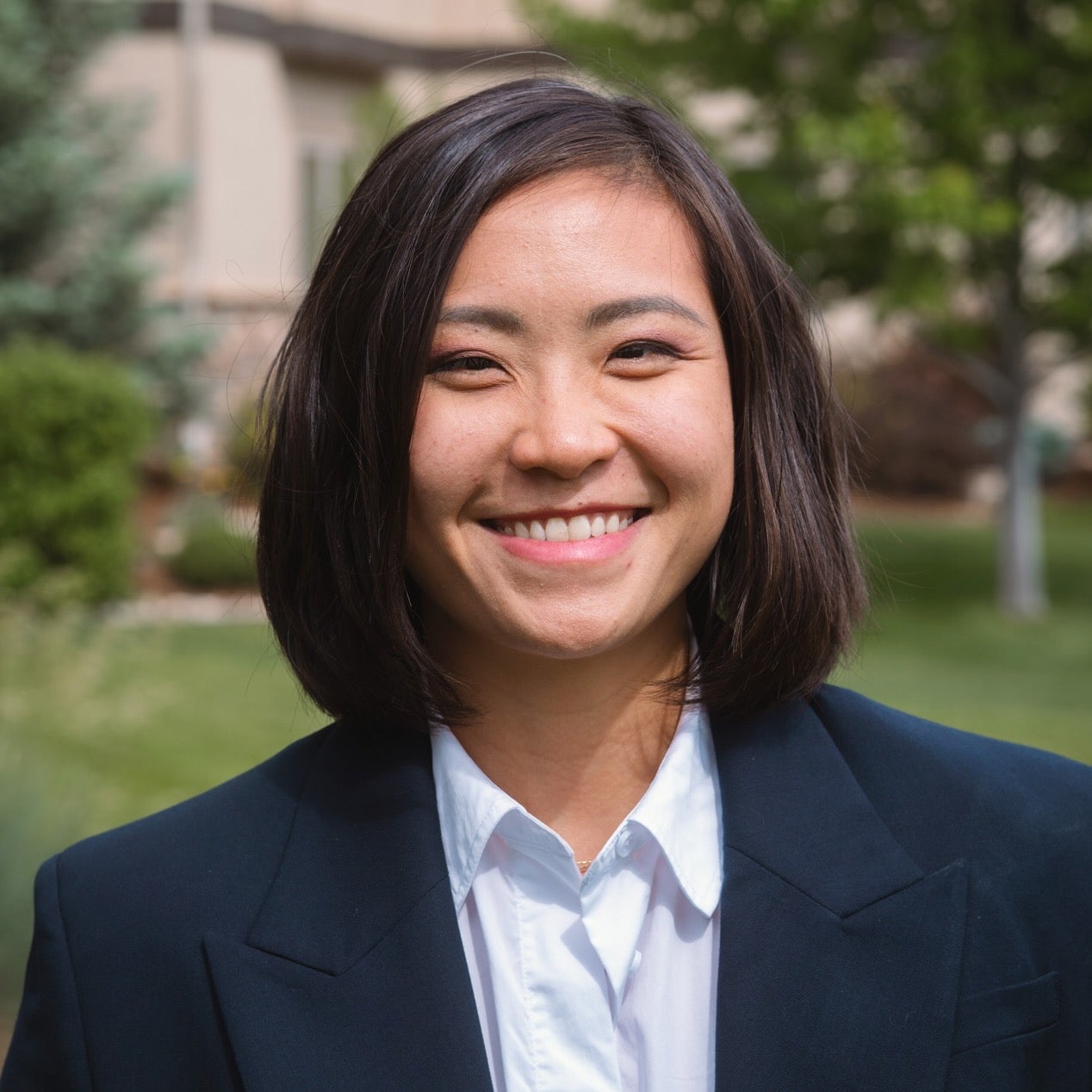
Ivan Hsiao
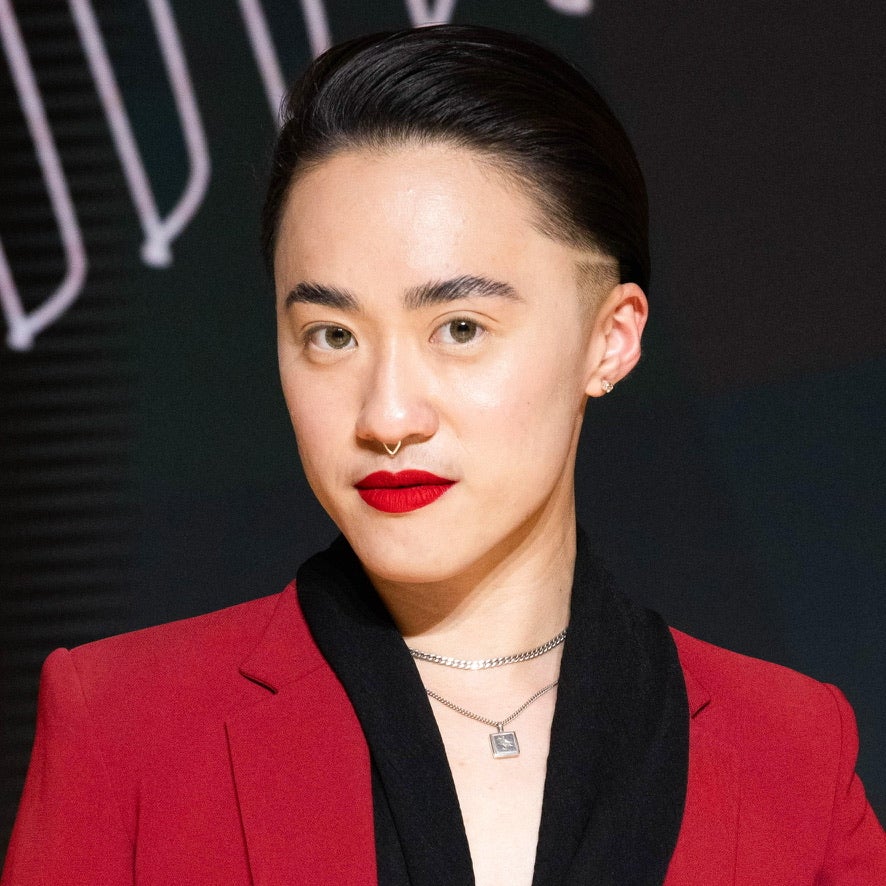
Amber Nigam
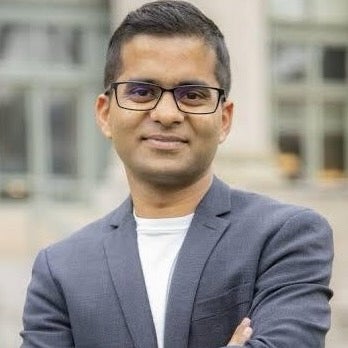
Fiza Shaukat
Moderator
David Garcia Lou
About The Studio
Complex Mixtures Working Group
Join the Harvard Chan NIEHS Center’s working group on complex mixtures, held the last Monday of each month in HSPH Bldg. 1, 1302!
This monthly working group meeting is held in person. Members discuss a wide range of issues related to analyzing health effects of complex mixtures of exposures in environmental health. During the 2025-2026 academic year, the group will also work through complex mixtures challenges faced by individual members.
Please email niehsctr@hsph.harvard.edu to RSVP!
Speaker Information
Organizers
Complex Mixtures Working Group
Join the Harvard Chan NIEHS Center’s working group on complex mixtures, held the last Monday of each month in HSPH Bldg. 1, 1302!
This monthly working group meeting is held in person. Members discuss a wide range of issues related to analyzing health effects of complex mixtures of exposures in environmental health. During the 2025-2026 academic year, the group will also work through complex mixtures challenges faced by individual members.
Please email niehsctr@hsph.harvard.edu to RSVP!
Speaker Information
Organizers
Cancelled: Complex Mixtures Working Group
*The February 23 meeting is cancelled. We will meet next on March 30!*
Join the Harvard Chan NIEHS Center’s working group on complex mixtures, held the last Monday of each month in HSPH Bldg. 1, 1302!
This monthly working group meeting is held in person. Members discuss a wide range of issues related to analyzing health effects of complex mixtures of exposures in environmental health. During the 2025-2026 academic year, the group will also work through complex mixtures challenges faced by individual members.
Please email niehsctr@hsph.harvard.edu to RSVP!
Speaker Information
Organizers
Exogenous probe drug strategy effectively identifies MASH: From environmental toxicology to biomarker success with Nathan Cherrington, PhD
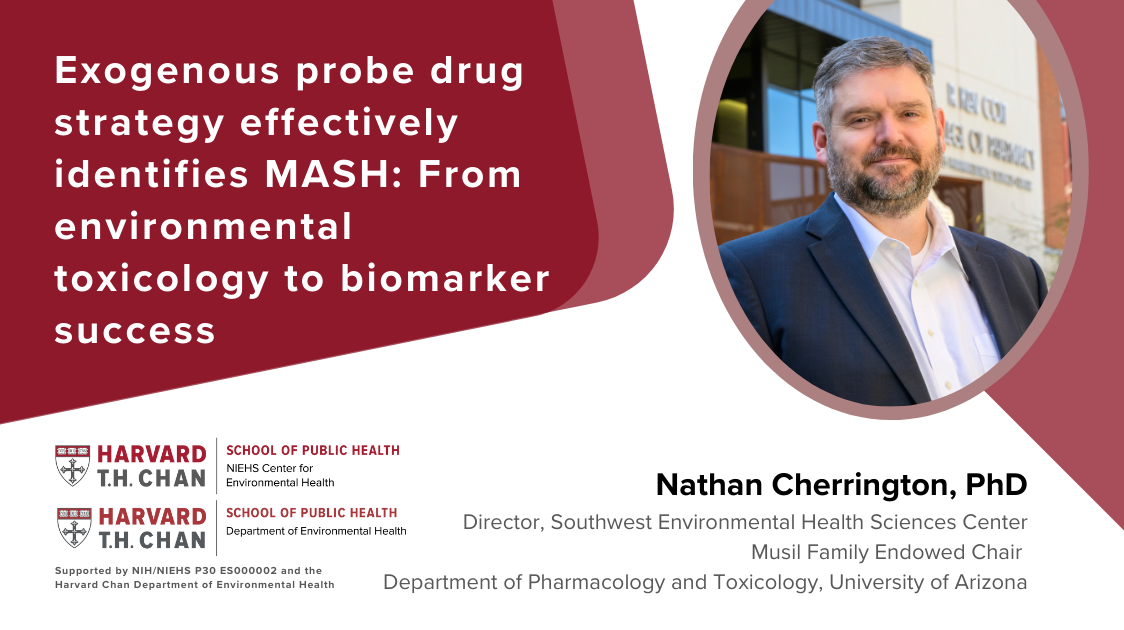
Please join the Harvard Chan NIEHS Center for Environmental Health and the Department of Environmental Health for a talk by Nathan Cherrington, PhD, Director of the University of Arizona’s Southwest Environmental Health Sciences Center. Dr. Cherrington will discuss “Exogenous probe drug strategy effectively identifies MASH: From environmental toxicology to biomarker success.”
This event will be held in person (HSPH Bldg. 1, 1302) and via Zoom. Register here
Trainee meeting for students and postdocs immediately following the seminar, 2-2:30 pm! Come in-person to discuss research interests, career plans, and funding opportunities. RSVP here!
About the speaker
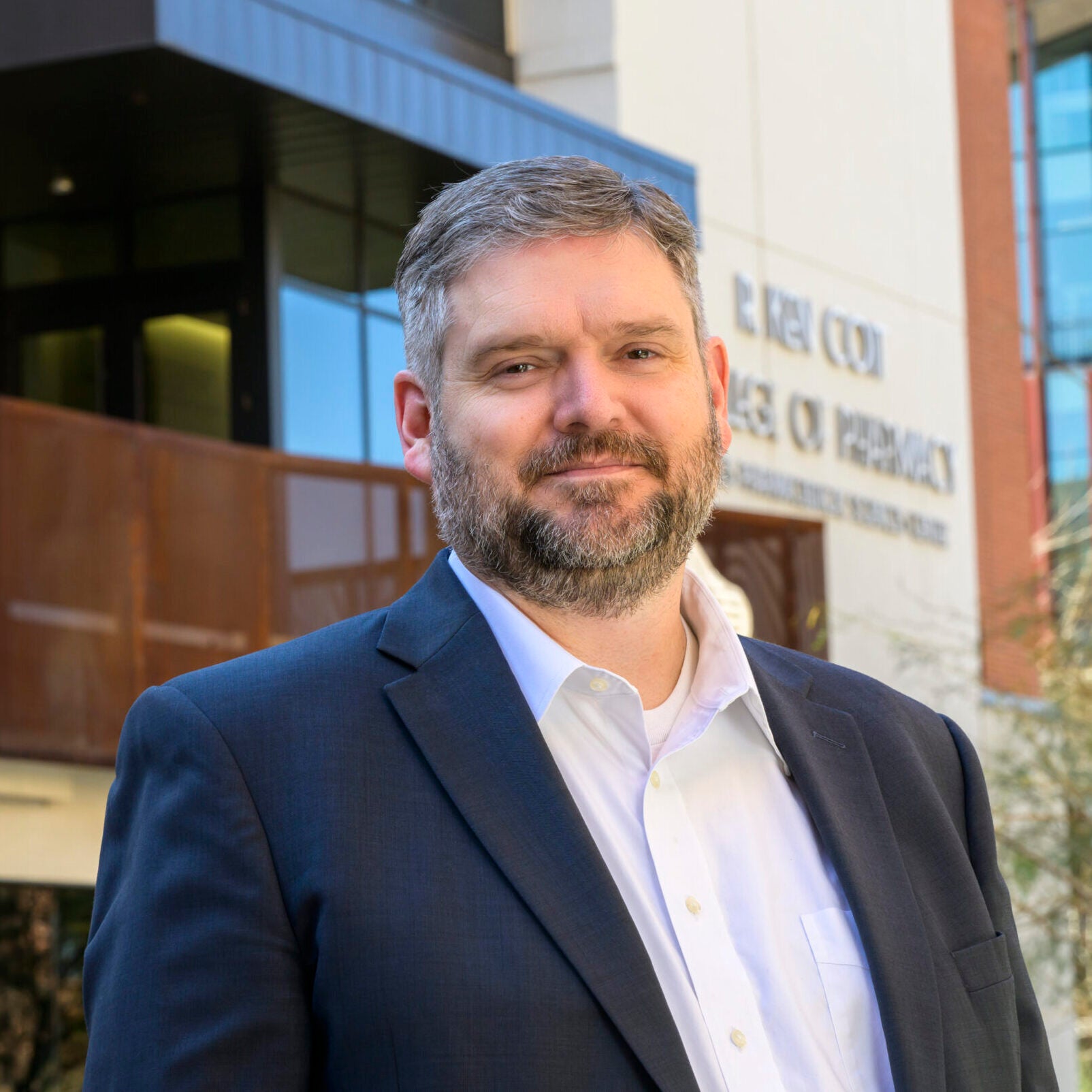
Nathan J. Cherrington, PhD, is the Musil Family Endowed Chair and 1885 Society Distinguished Scholar in the Department of Pharmacology and Toxicology at the University of Arizona. He is the Associate Dean for Research in the R. Ken Coit College of Pharmacy, Director of the Southwest Environmental Health Sciences Center, and Director of the Arizona Board of Regents Center for Toxicology. He received a B.S. in Zoology from Brigham Young University and a Ph.D. in Toxicology from North Carolina State University with an emphasis on xenobiotic metabolism. He then moved to the University of Kansas Medical Center to pursue postdoctoral training in drug metabolism and disposition.
He has taught Drug Metabolism and Disposition, Systems Toxicology, Environmental Health Science, and Advanced Toxicology courses since joining the faculty at the University of Arizona in 2002. Nathan has published over 140 original research papers on the sources of inter-individual variability in drug response. He serves as an associate editor for Toxicological Sciences and for Drug Metabolism and Disposition. He was made a fellow of the Academy of Toxicological Sciences where he currently serves as Secretary/Treasurer. He has served on numerous NIH study sections including chair of the NIEHS Environmental Health Sciences Review Committee and Severe Adverse Drug Reactions panel, as well as several committees for the Society of Toxicology and the International Society for the Study of Xenobiotics. He was awarded the Alumni Achievement Award from Brigham Young University and the Achievement Award (2011), Paper of the Year (2024), and Toxicology Mentor of the Year (2025) by the Society of Toxicology. His current research is on the effect of underlying disease states and environmental stressors on an individual’s ability to metabolize and eliminate drugs.
Speaker Information
Organizers
The Grand Challenge of Child Mental Health: Lessons from the Great Smoky Mountains Study
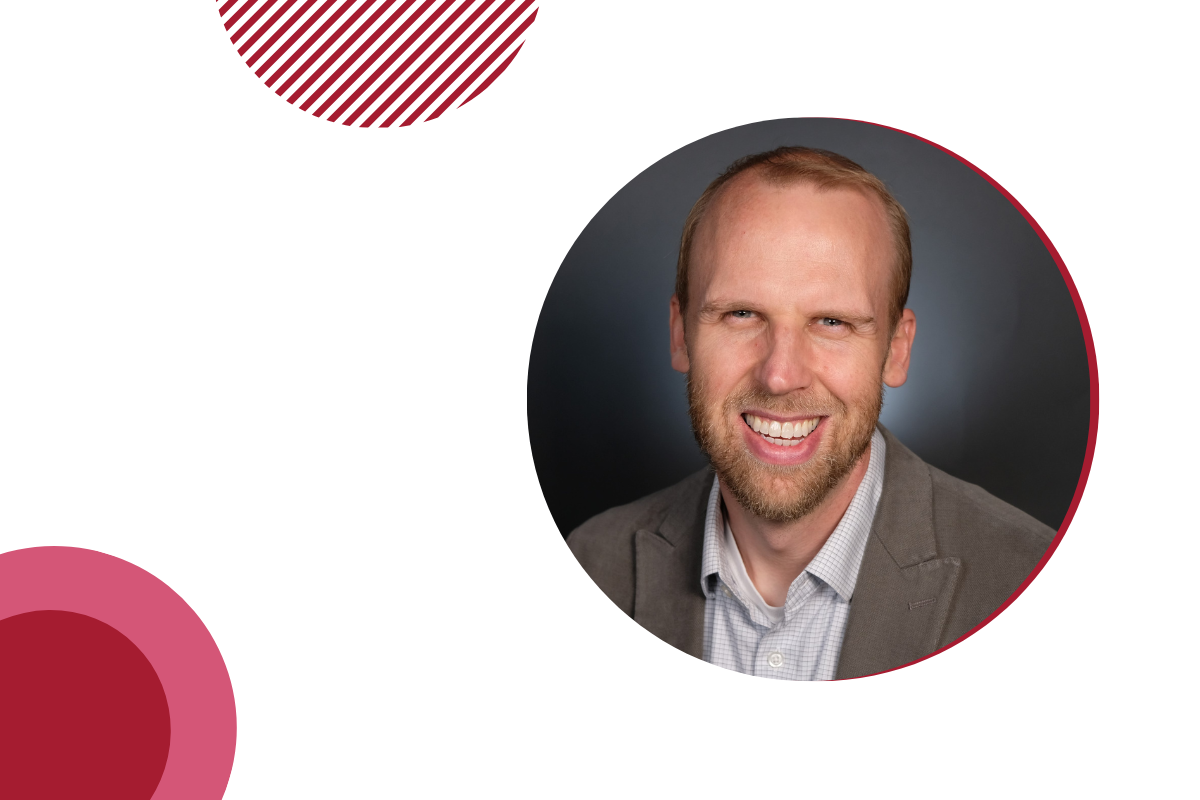
Join us on Wednesday, April 15th for a joint seminar between the Department of Epidemiology and the Maternal and Child Health Concentration featuring Dr. Bill Copeland discussing The Grand Challenge of Child Mental Health: Lessons from the Great Smoky Mountains Study.
Abstract: Child psychopathology is common, costly, and impairing. Indeed, the greatest burden of disease in the first 2 decades of life is related to mental health. This presents a great opportunity: Effective care for these diseases in childhood has the potential to mitigate and forestall later psychopathology (i.e., treatment as prevention). This talk will use data from a 30+ year psychiatric epidemiological study to demonstrate the ways in which this opportunity is often squandered contributing to misery, morbidity, and mortality in adulthood.
Bio: Dr. Copeland is a Professor of Psychiatry at the University of Vermont and the Thomas M Achenbach Chair in Developmental Psychopathology. He was trained as a clinical psychologist at the University of Vermont and then completed a postdoctoral fellowship in psychiatric epidemiology at Duke University Medical Center. He is the principal investigator of the prospective, longitudinal Great Smoky Mountains Study has been following 1420 participants in rural Appalachia for over 30 years to understand the long-term consequences of early adverse experiences and the development of mental illness. His research program has focused on understanding the developmental epidemiology of emotional and behavior problems across the lifespan. This work includes understanding the interplay between early adverse experiences and genetic vulnerability with other individual, family, and contextual characteristics.
His research has been supported by NIMH, NIDA, NICHD, NIA, and the Brain & Behavior Research Foundation. This program of research has led to over 180 peer-reviewed manuscripts including publications in JAMA, JAMA: Psychiatry, the American Journal of Psychiatry, Lancet Psychiatry, American Journal of Public Health, Molecular Psychiatry, Proceedings of the National Academy of Sciences and Nature Communications. His work has been covered in such national news outlets as Slate, the New York Times, TIME magazine and CNN. Dr. Copeland was named on the Clarivate Highly Cited Researcher list in 2017, 2019, 2020, 2021, 2022, 2023, and 2024.
Speaker Information
Bill Copeland, PhD
Organizers
Related Events
Center Member Research Presentation: Mi-Sun Lee, PhD
Join us for a Center Member Research Presentation by Dr. Mi-Sun Lee on Environmental exposures, biomarkers, and early life health. Following a brief presentation, there will be time for all participants to engage in a cross-disciplinary discussion with Dr. Lee and each other.
Abstract: This talk will highlight findings from pilot and cohort studies motivated by pressing social and public health concerns, examining how environmental exposures affect pregnancy and early-life health. Dr. Lee will present biomarker-based results on PAH exposure in children living near a steel mill, metals and biomass fuel exposures in a birth cohort in Bangladesh, and youth vaping. She will also briefly introduce ongoing work in the Boston Lung Cancer Study.
About the speaker: Mi-Sun Lee, PhD, MPH, is a Research Scientist in environmental and molecular epidemiology at the Harvard T.H. Chan School of Public Health. Her work focuses on the health effects of environmental exposures—such as polycyclic aromatic hydrocarbons (PAHs), metals, and air pollution—on cardiopulmonary and pregnancy outcomes, with an emphasis on emerging public health concerns. She has conducted biomarker-based studies of PAH exposure in children living near a steel mill in South Korea; birth cohort studies in Bangladesh examining metal mixtures, household air pollution, and adverse pregnancy outcomes; and studies of environmental and molecular markers in lung cancer. Her recent projects include angiogenic markers and stillbirth in Bangladesh and ambient particle radioactivity and survival in the Boston Lung Cancer Study (BLCS).
This event will be held in person in HSPH Bldg. 1, 1302 and via Zoom. Register here
Speaker Information
Organizers
The Samuel L. and Elizabeth Jodidi Lecture with Atul Gawande
The Mechanics of Public Man-Made Death: USAID’s Destruction At One Year
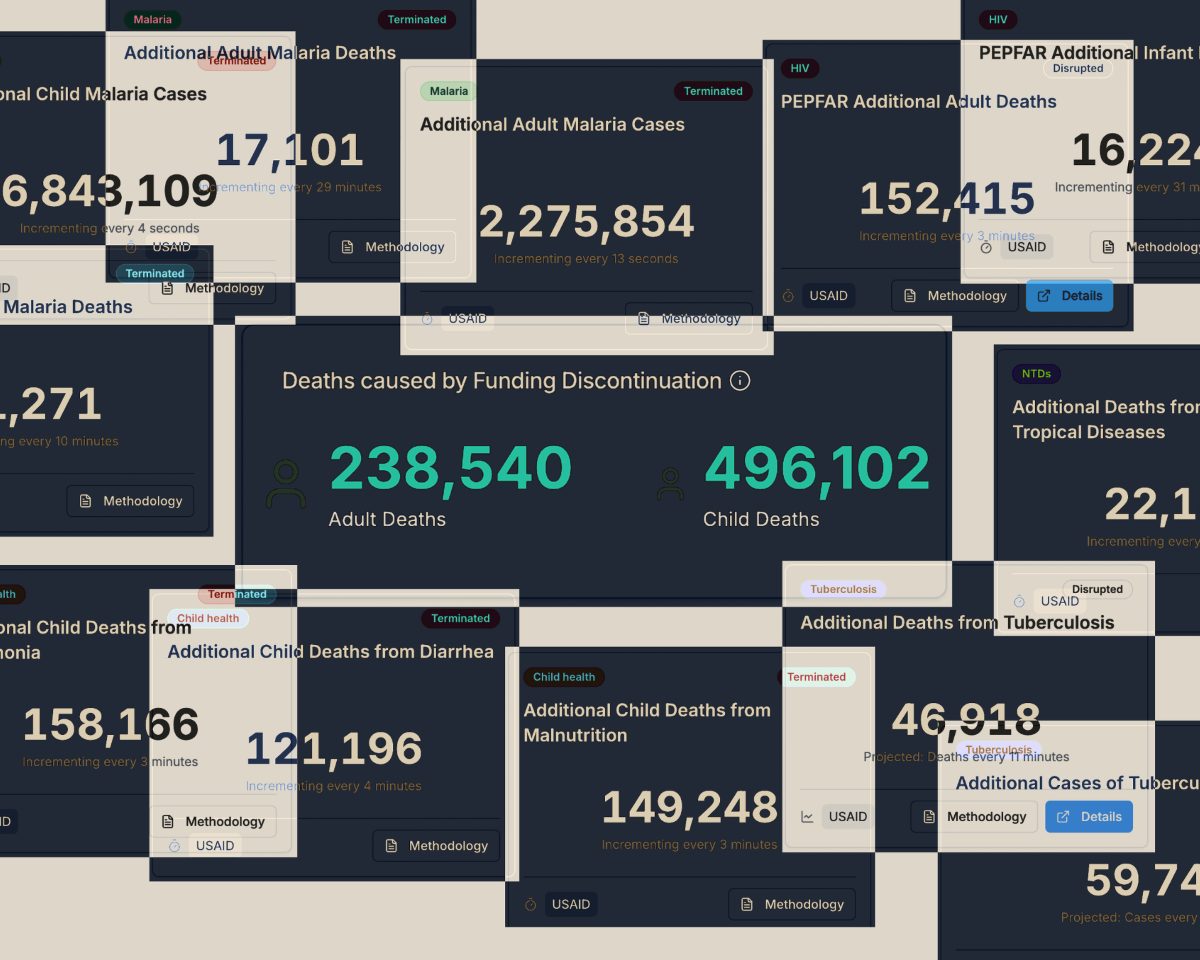
The Trump Administration’s abrupt dismantling of the US Agency for International Development (USAID) has triggered a wave of already hundreds of thousands of deaths, mostly of children, around the world. Atul Gawande—former leader of global health at the agency—draws on data, historical parallels, and on-the-ground fact-finding to reveal how gains against malnutrition, infectious disease, and child mortality are being rapidly reversed. Gawande argues that this is a case of “public man-made death,” and calls for accountability and renewed commitment to lifesaving global health efforts.
This event is open to the public and will be recorded. Please register to attend. Please plan on being seated by 4:15 p.m. as the event will start promptly at 4:30 p.m.
Speaker biography:
Atul Gawande, MD, MPH, is a renowned surgeon, author, and public health innovator. He holds the John and Cyndy Fish Chair in Surgery at Brigham and Women’s Hospital and is the Samuel O. Thier Professor of the Practice of Surgery at Harvard Medical School. He was Assistant Administrator for Global Health at USAID from January 2022 to January 2025. Prior to that, he cofounded and chaired Ariadne Labs, a joint center for health systems innovation where he is now Distinguished Professor in Residence, and Lifebox, a nonprofit organization making surgery safer globally. From 2018–2020, he was CEO of Haven, the Amazon, Berkshire Hathaway, and JPMorgan Chase healthcare venture.
Dr. Gawande is also a longtime writer for The New Yorker magazine and has written four New York Times bestselling books: Complications, Better, The Checklist Manifesto, and Being Mortal. He is a member of the National Academy of Medicine and has won two National Magazine Awards, AcademyHealth’s Impact Award for highest research impact on healthcare, and a MacArthur Fellowship. And he is executive producer for three documentary films: the Emmy-nominated adaptation Being Mortal (2016), the Oscar-nominated film To Kill A Tiger (2024), and The New Yorker film Rovina’s Choice (2025).
Speaker Information
Chair
Organizers
US Life Table Program: Data Challenges, Methodological Solutions, and Moving into the Future
Join us on Wednesday, March 25th for the Department of Epidemiology seminar series featuring Dr. Elizabeth Arias discussing US Life Table Program: Data Challenges, Methodological Solutions, and Moving into the Future.
Abstract: The presentation will provide a historical overview of the US Life Table Program and a summary of the data challenges and methodological solutions employed over the years. The talk will include a description of the US National Vital Statistics System with its inherent challenges and limitations. Specific topics covered will include old age data quality, racial and ethnic misclassification, and small geographic area estimates. The goals for the future of the program will be discussed.
Bio: Dr. Elizabeth Arias is the Director of the US Life Table Program and the Mortality Statistics and Research Team Lead in the Division of Vital Statistics, at the National Center for Health Statistics (NCHS). Dr. Arias received her Ph.D. in Sociology (Demography) from the University of Wisconsin-Madison. At NCHS, Dr. Arias has worked to expand the US Life Table Program’s racial, ethnic, and geographic coverage, developing methods to address data quality limitations. Under her leadership, the program has expanded from two race groups to five race and Hispanic origin populations, annual state life tables, and life tables by census tracts. Dr. Arias also conducts research on racial and ethnic mortality disparities with a special focus on the Hispanic population.