Research Updates – Corbett Lab/Rubin Lab
Title Talk 1
“Beyond Glycoproteins: GlycoRNAs in Influenza Virus Infection“
SPEAKER: Connor Eastman, Corbett Lab
Title Talk 2
“What Drives Mtb Tissue Tropism?”
SPEAKER: Xin Wang, Rubin Lab
THESE SPEAKERS WILL BE IN PERSON IN FXB 301.
The event will be hybrid.
Light lunch will be provided.
Related Events
Research Updates – Catteruccia Lab/Le Pen Lab
Title Talk 1
“The Circadian Rhythm clock regulates JH III biosynthesis to drive Anopheles reproductive success“
SPEAKER: Emre Aksoy, Catteruccia Lab
Title Talk 2
“Mapping molecular and cellular determinants of IFN-α2 function“
SPEAKER: Kuan-Ying Lee (Neil), Le Pen Lab
THESE SPEAKERS WILL BE IN PERSON IN FXB 301.
The event will be hybrid.
Light lunch will be provided.
Related Events
Health Interventions, Cluster Trials, and Epidemiology
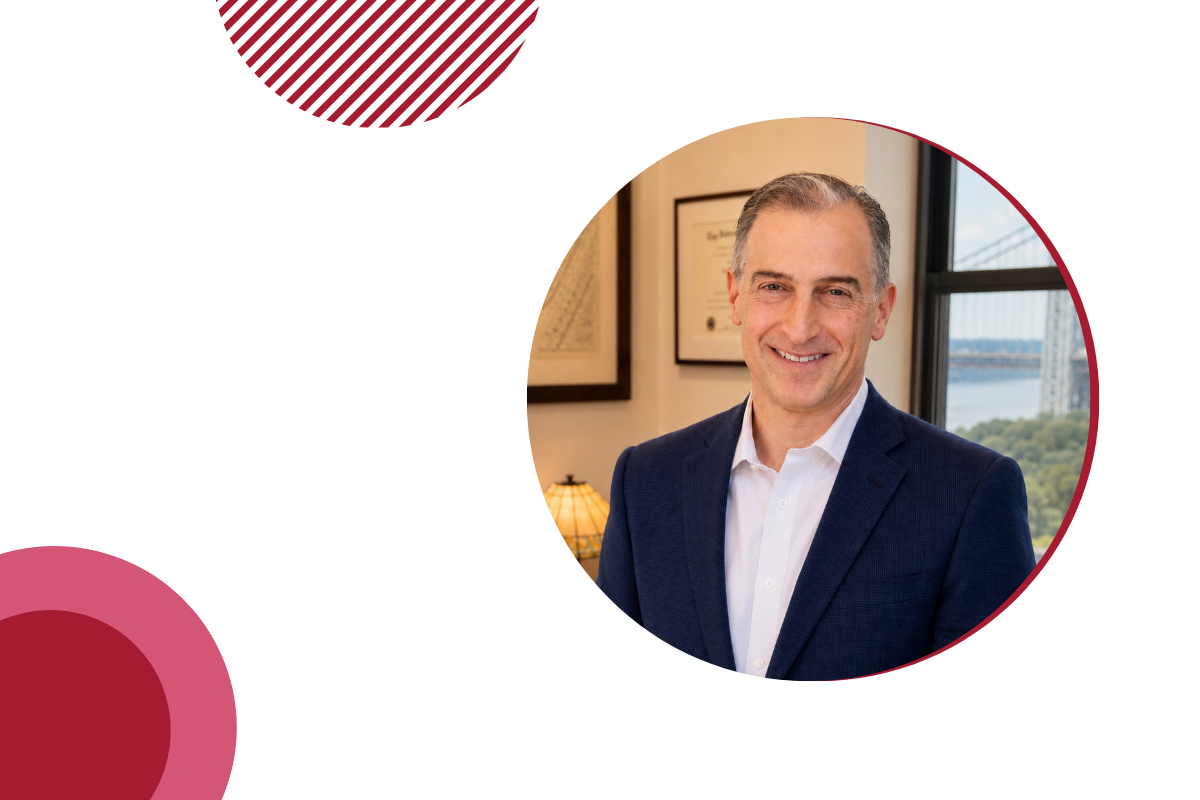
Join us on Wednesday, November 18th for the Department of Epidemiology seminar series featuring Dr. Charles Branas.
Abstract: This lecture explores how epidemiology can more fully embrace intervention science through pragmatic and cluster randomized trials. It reviews and questions key CRT design and analytic issues and uses place-based trials to show how community programs can be rigorously tested for effects on health and safety.
Bio: Charles Branas leads the Department of Epidemiology and a CDC Research Center as a Professor at Columbia University. His research extends from urban and rural areas in the US to communities across the globe, focusing on health interventions and human geography.
Speaker Information
Organizers
Related Events
Early-Onset Cancers: From Epidemiologic Challenges to Precision Prevention
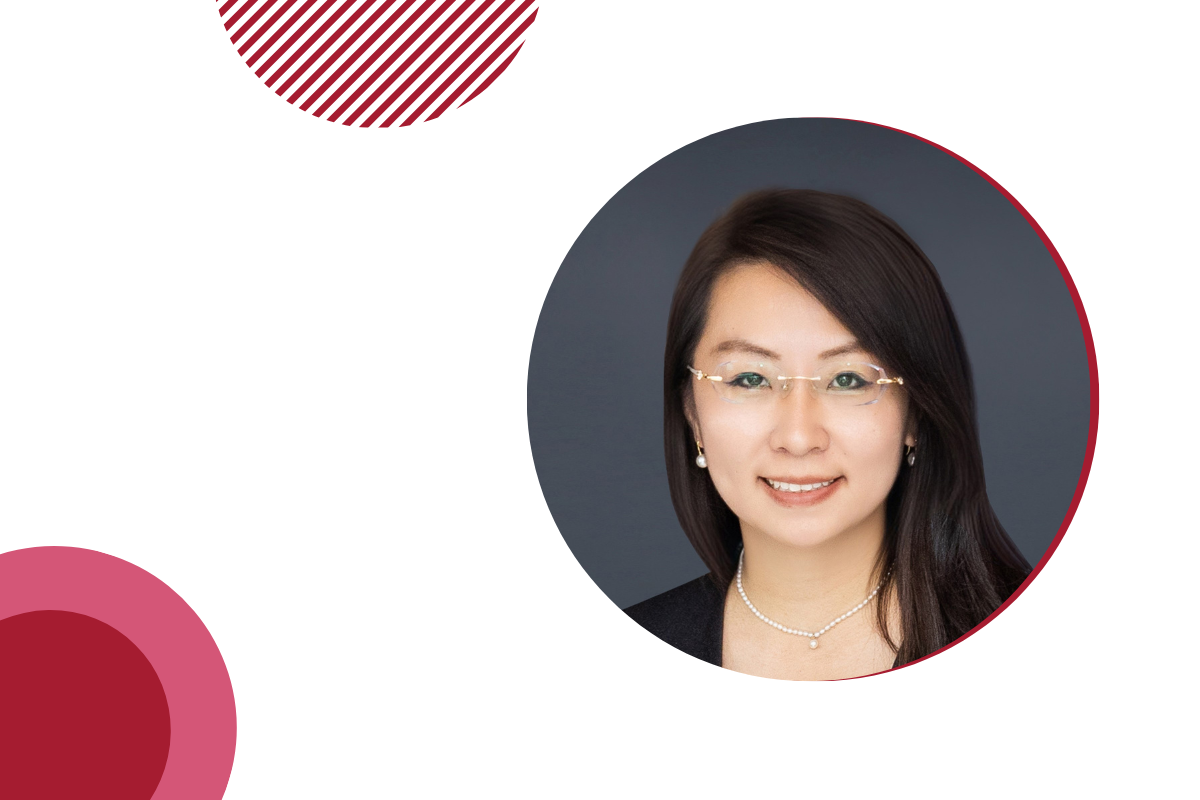
Join us on Wednesday, October 21st for the Department of Epidemiology seminar series featuring Dr. Yin Cao.
Abstract: Cancers are increasingly being diagnosed among younger adults, raising urgent questions about the causes and implications of these generational trends. This seminar will discuss key challenges in identifying the drivers and underlying biological mechanisms of early-onset cancers and explore how closer integration of epidemiologic and mechanistic studies can advance etiologic discovery. It will conclude with opportunities to translate emerging insights into earlier detection and prevention for younger generations.
Bio: Yin Cao, ScD, MPH, is a Professor at Washington University in St. Louis. She is a molecular epidemiologist whose research focuses on the life-course determinants and prevention of early-onset cancers. Her recent work explores how population and mechanistic sciences can be brought together to advance cancer cause discovery. She co-leads an interdisciplinary Cancer Grand Challenges team focused on early-onset colorectal cancer. She received her ScD in Epidemiology from the Harvard T.H. Chan School of Public Health.
Speaker Information
Yin Cao, ScD, MPH
Organizers
Related Events
Power and Privilege in Public Health Research and Practice
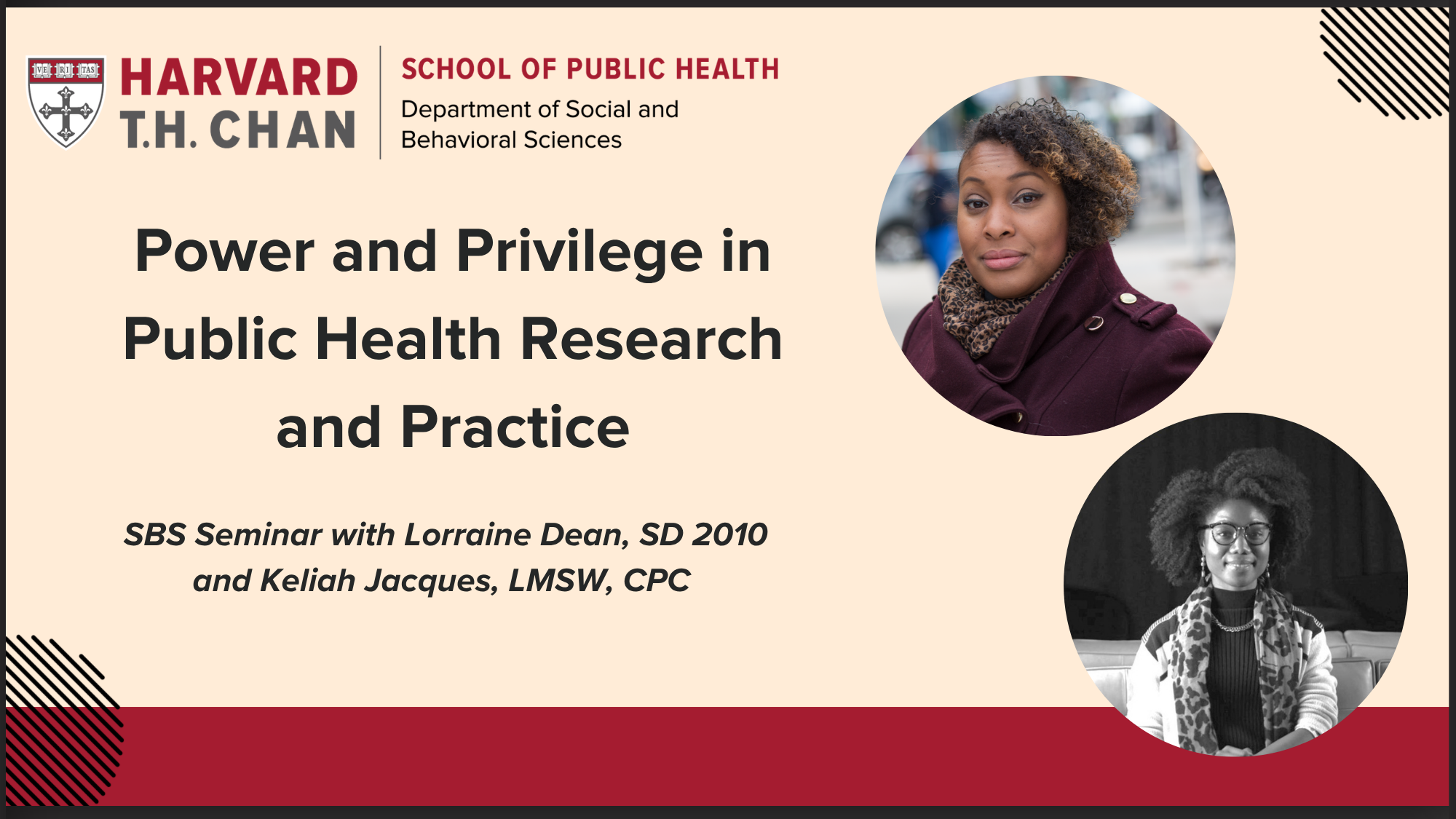
Please join the Department of Social and Behavioral Sciences for our first seminar of the academic year, Power and Privilege in Public Health Research and Practice. We will be joined by Lorraine Dean, ScD, and Keliah Jacques, MSW, who will discuss their newly released book, Power, Privilege and Public Health: Theory and Practice. Please click ‘Register Today’ to RSVP to the seminar.
Speaker Information
Lorraine Dean, SD 2010

Keilah A. Jacques, LMSW, CPC
Organizers
Immigrant Mental Health Matters: Lunch and learn
Join us in person for a conversation surrounding Partnerships for Community Mental Health and Immigrant Wellbeing initiative. We Will hear from MPH candidate, Paula Giraldo on her experience working with the Boston Mayor’s Office for Immigration Advancement. Lunch will be provided. HUID required.
Speaker Information
Organizers
Draping the Star Quilt: Lessons learned from partnering with Tribal communities to advance palliative care
Join the Department of Global Health and Population for this Brown Bag Seminar featuring Bethany-Rose (BR) Daubman. BR will describe palliative care, discuss the need for this type of care for seriously ill patients across diverse settings, and highlight a Tribal-academic partnership to advance culturally responsive palliative care across reservation communities.
Please note that an HUID is required to attend this in-person event.
Speaker bio
Bethany-Rose (BR) Daubman, MD, is the director of fellowships at the Harvard Global Health Institute, co-director of the Massachusetts General Hospital Global Palliative Care Program, and an assistant professor of medicine at Harvard Medical School. As a physician and educator, her work is focused on developing culturally responsive educational interventions to relieve suffering for vulnerable populations within the U.S., globally, and through disaster response. She has partnered with local palliative care leaders to develop educational programs and expand services in countries such as Jamaica, Uganda, and Chile. In addition to her global partnerships, BR is also working to develop culturally responsible palliative care educational programming and clinical services for American Indian Tribal communities in South Dakota in collaboration with a Community Advisory Board of enrolled Tribal members.
Speaker Information
Organizers
Webinar: Potential Impacts of Upcoming Policy Changes on Immigrant Health
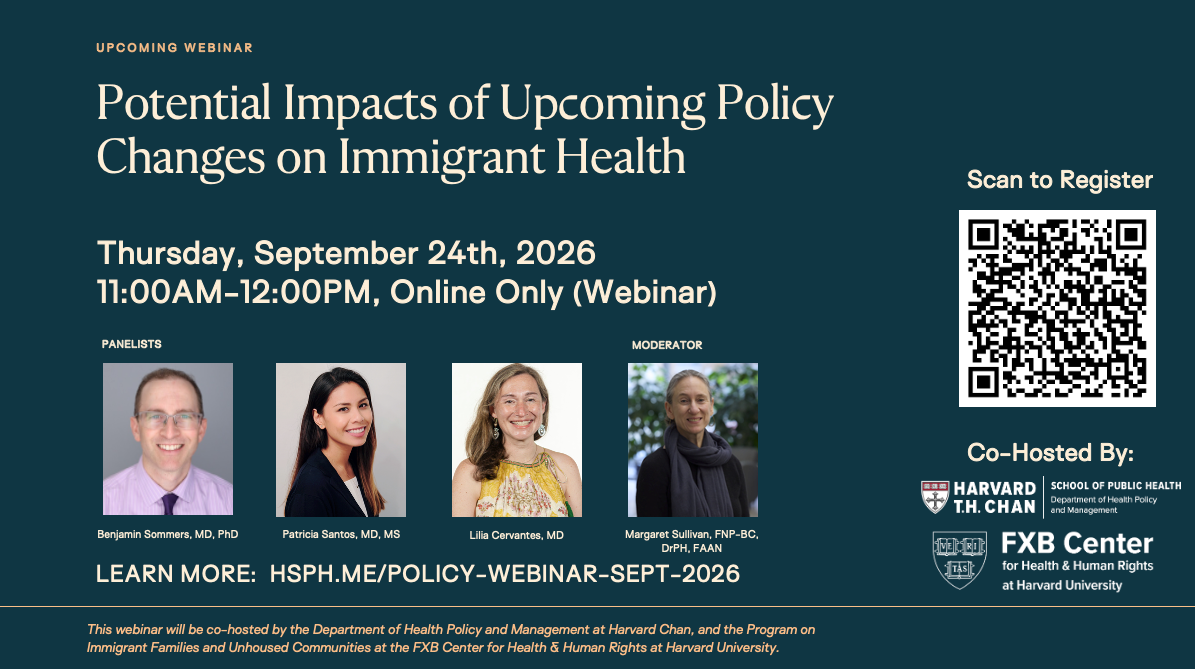
Join scholar-practitioners from three states to learn about how health policy changes may impact immigrant health in the US. This discussion-based panel will consider topics such as federal changes to Medicaid, the state-by-state variations of implementation, and implications of the new public charge rule. The discussion will conclude with opportunities for public health research and advocacy.
This webinar will be co-hosted by the Department of Health Policy and Management at Harvard Chan, and the Program on Immigrant Families and Unhoused Communities at the FXB Center for Health & Human Rights at Harvard University.
All speakers will share their own perspectives; they do not speak for Harvard.
Panelists
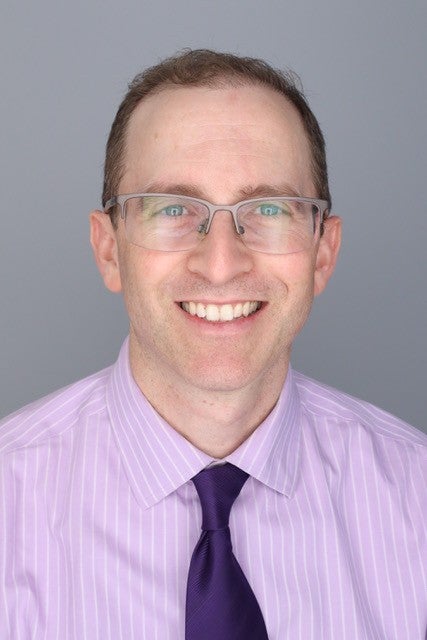
Benjamin Sommers, MD, PhD
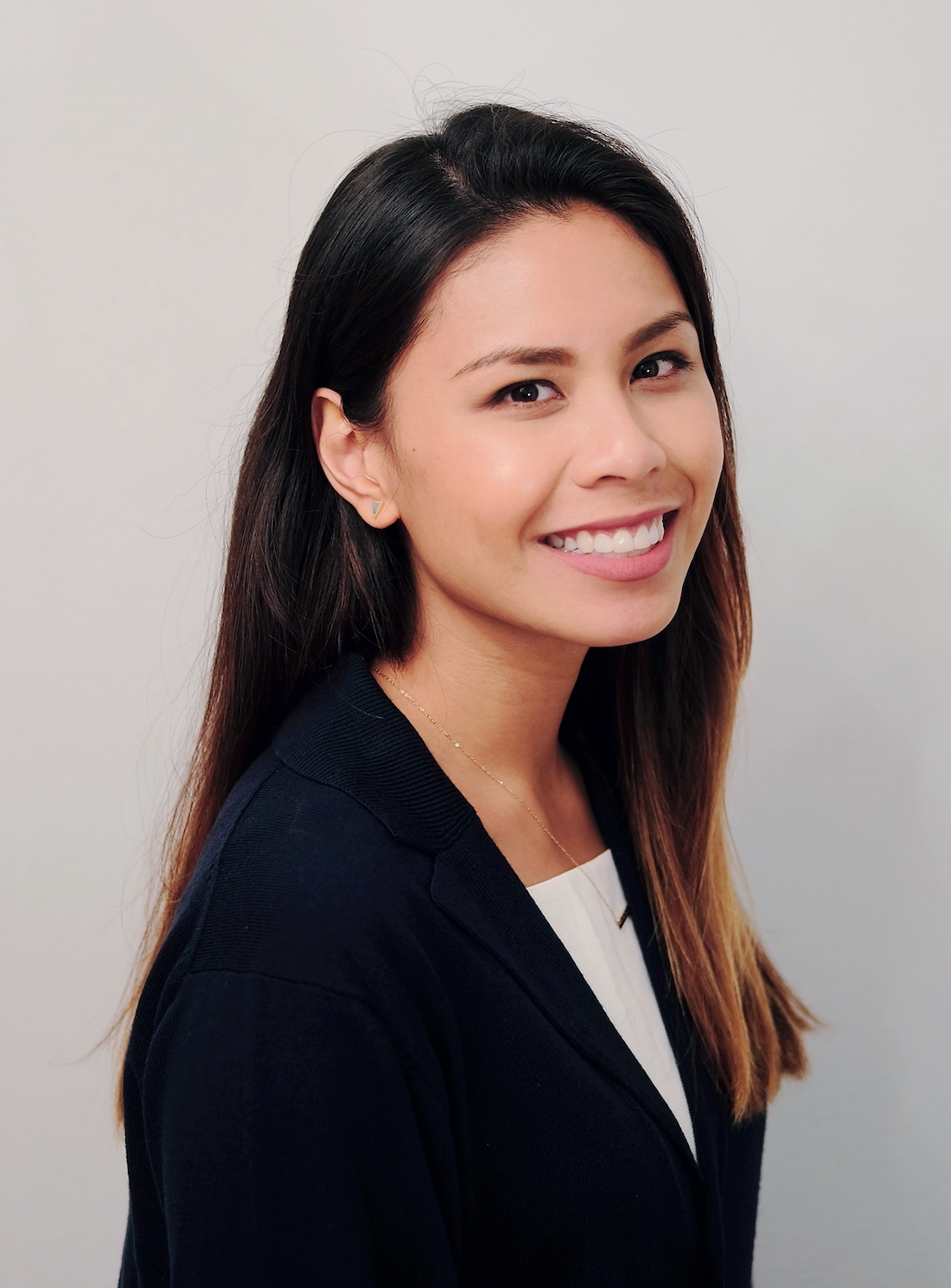
Patricia Santos, MD, MS
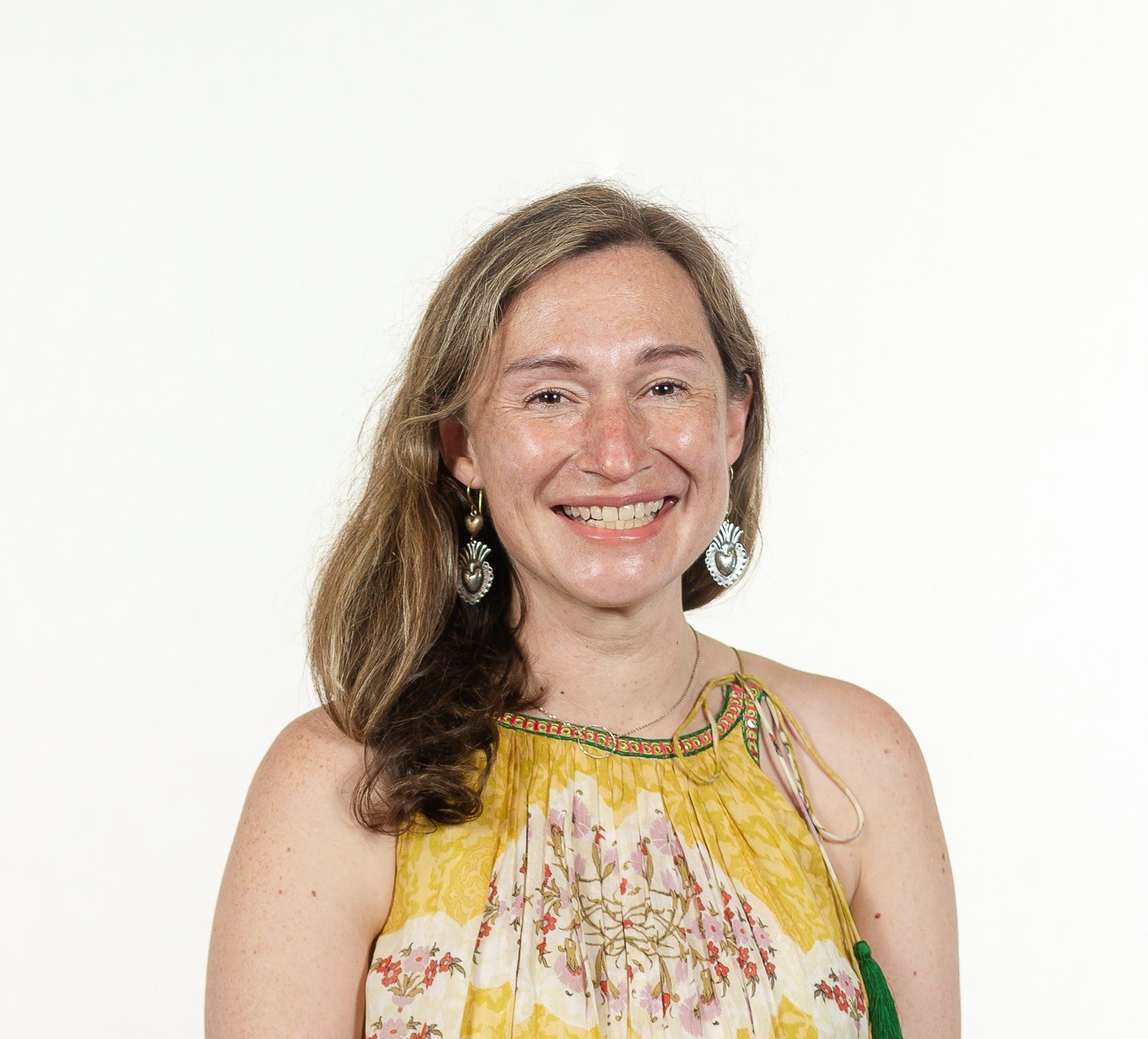
Lilia Cervantes, MD
Moderator
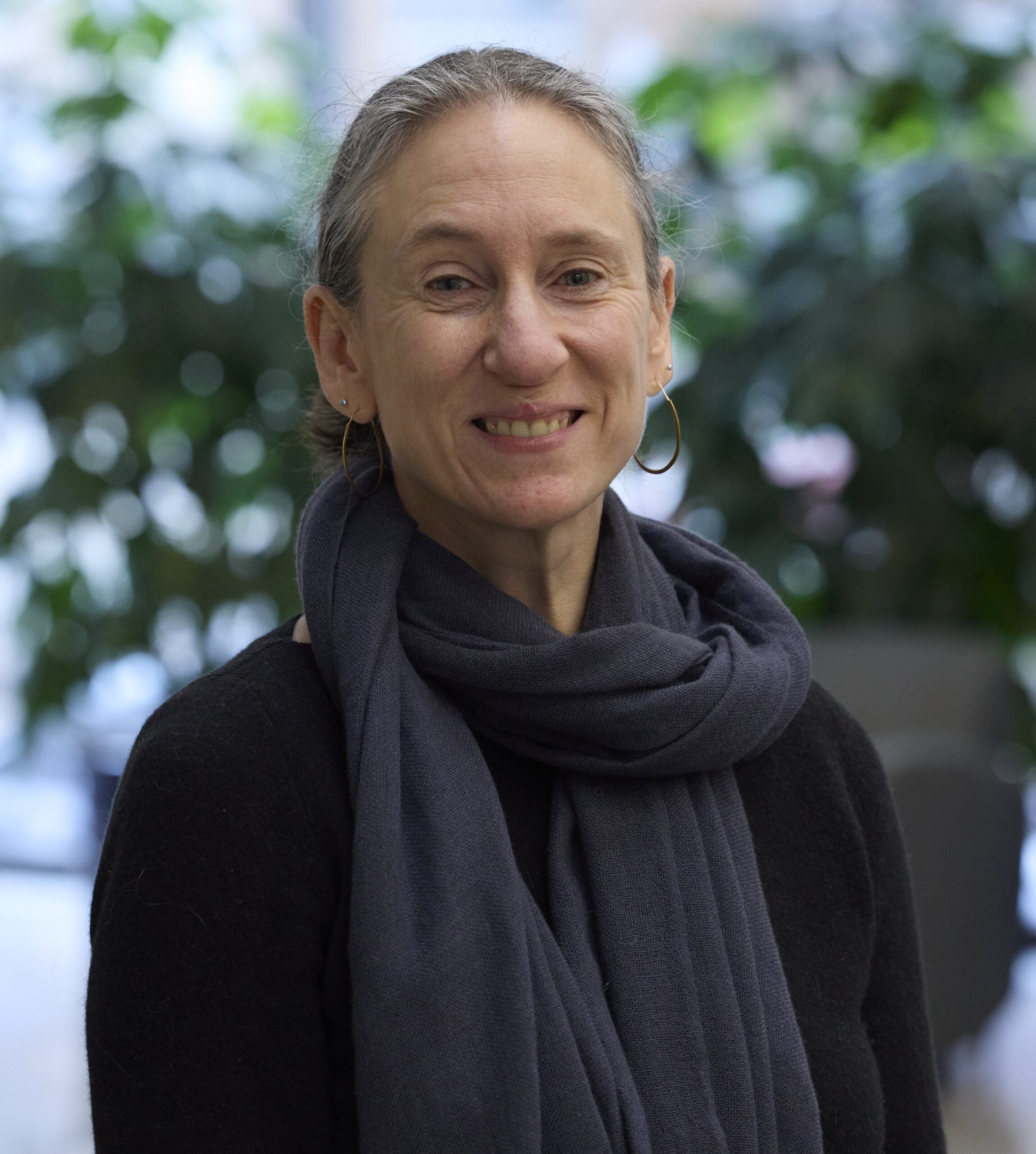
Margaret Sullivan, FNP-BC, DrPH, FAAN
Occupational and Environmental Medicine Grand Rounds
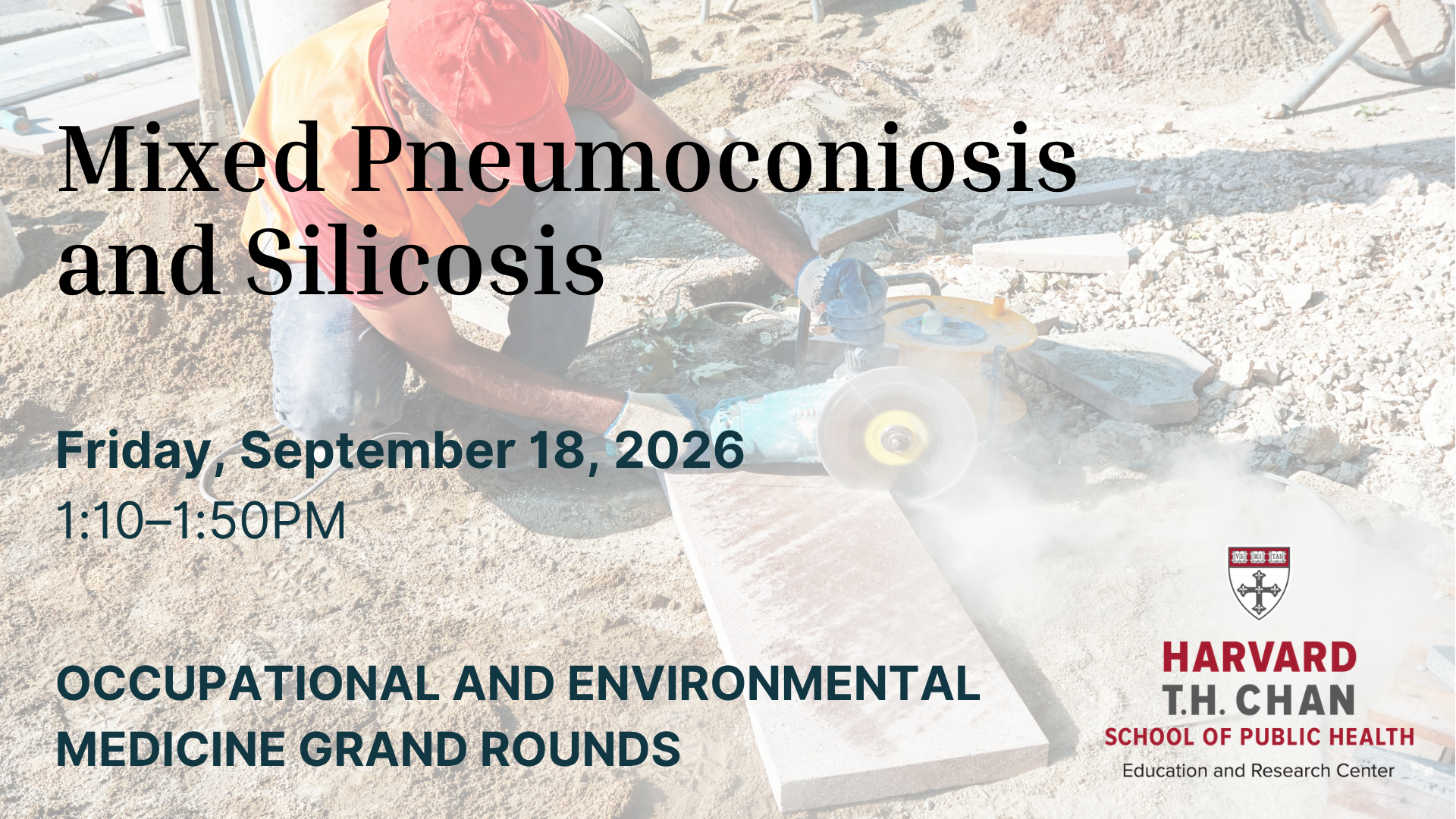
The Department of Environmental Health and the Harvard Chan Education and Research Center for Occupational Safety and Health invite you to the next Occupational and Environmental Medicine Grand Rounds on Friday, September 18, 1:10-1:50pm.
Title: Mixed Pneumoconiosis and Silicosis
Learning Objectives:
- Describe the clinical features of pneumoconiosis including silicosis and mixed dust pneumoconiosis.
- Identify engineered stone countertop fabrication as a high-risk exposure source due to its high crystalline silica content.
- Assess a patient with suspected occupational silicosis by integrating work history, symptoms, imaging, pulmonary function testing, and exposure history.
- Recommend prevention and surveillance strategies using the hierarchy of controls, medical surveillance, and public health reporting.
Discussants:
- David C. Christiani, MD, MPH, MS, Elkan Blout Professor of Environmental Genetics, Harvard T.H. Chan School of Public Health
- Talon Miner, DO, MS, MPH, Chief Resident Physician, Occupational & Environmental Medicine Residency, Harvard T.H. Chan School of Public Health
Location:
- In person: 502 Kresge, Harvard Chan School of Public Health
- Remote: via Zoom (please RSVP for Zoom below)
RSVP: Please click here to register.
CMEs for US licensed physicians
This activity has been planned and implemented in accordance with the accreditation requirements and policies of the Accreditation Council for Continuing Medical Education (ACCME) through the joint providership of The Harvard T.H. Chan School of Public Health and the Harvard Chan Education and Research Center. The Harvard T.H. Chan School of Public Health is accredited by the ACCME to provide continuing medical education for physicians.
The Harvard T.H. Chan School of Public Health designates this live activity for 1.5 AMA PRA Category 1 Credits™. Physicians should claim only the credit commensurate with the extent of their participation in the activity.
Speaker Information
Organizers
IID Seminar Series – Amy Bei
Title Talk
“TBC“
THIS SPEAKER WILL BE IN PERSON IN FXB 301.
The event will be hybrid.
Speaker Information
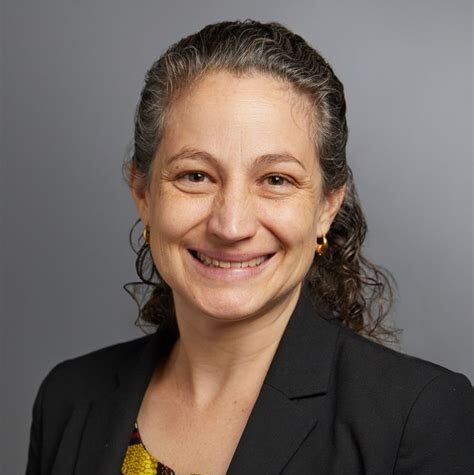
Dr. Bei’s research interests in Plasmodium – the causative agent of malaria – lie at the intersection between population genetics, genomics, molecular genetics, epidemiology, and immunology. Her current research uses a translational systems biology approach to study the impact of antigenic diversity on immune evasion, transmission, and virulence in setting of declining malaria transmission. She is studying the development of genotype-specific and genotype-transcendent immunity and assess the effect of specific persisting genotypes on neutralizing humoral immune responses and their transmission potential in the mosquito vector. She also works on malaria vaccine candidate discovery and validation, studying the functional consequences of naturally arising diversity. Dr. Bei has ongoing research projects in Senegal in addition to many active collaborations in Sub-Saharan African countries in both East and West Africa.