Community-Engaged Research Working Group in Environmental Health
Join the Harvard Chan NIEHS Center’s working group on community-engaged research in environmental health!
This working group brings together faculty, trainees, students, and staff to discuss the methods and practice of conducting community-engaged research with a focus on environmental health.
We’ll meet in person in Building 1, 1302 on October 5, 1-2:00 pm.
October agenda: After introductions, we will hear updates from Community Engaged Environmental Data Science Training scholarship recipients and Community Action Fund grantees.
Please email niehsctr@hsph.harvard.edu to RSVP!
Speaker Information
Organizers
Two for One Book Authors Event: Nick Freudenberg (CUNY) & John McDonough (HSPH)
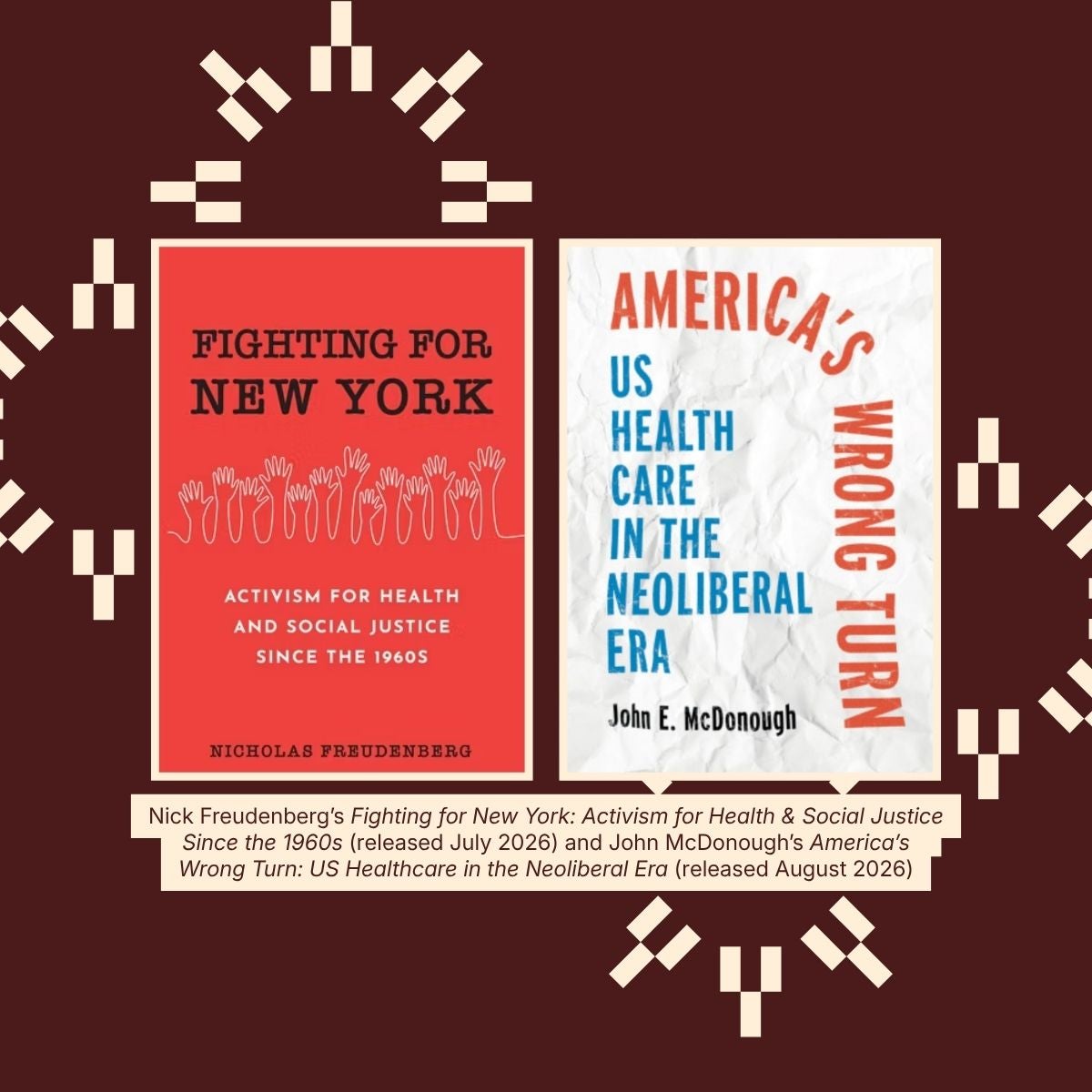
Please join us for an exciting conversation with two distinguished authors celebrating their recent book releases: Nick Freudenberg (CUNY) and John McDonough (Harvard T.H. Chan School of Public Health).
Nick Freudenberg will discuss his new book, Fighting for New York: Activism for Health & Social Justice Since the 1960s, which explores decades of activism and the fight for health and social justice in New York City.
John McDonough will discuss his new book, America’s Wrong Turn: US Healthcare in the Neoliberal Era, examining the forces that have shaped the U.S. healthcare system and their implications for health policy today.
Join us for a timely and thought-provoking discussion on health, policy, activism, and social justice.
This will be an in-person event and open to HUID holders only. RSVPs are encouraged for headcount purposes but not required for attendance.
All speakers will share their own perspectives; they do not speak for Harvard.
Speaker Information
Moderator
Celebration of Life: Remembering Robert (Bob) J. Blendon
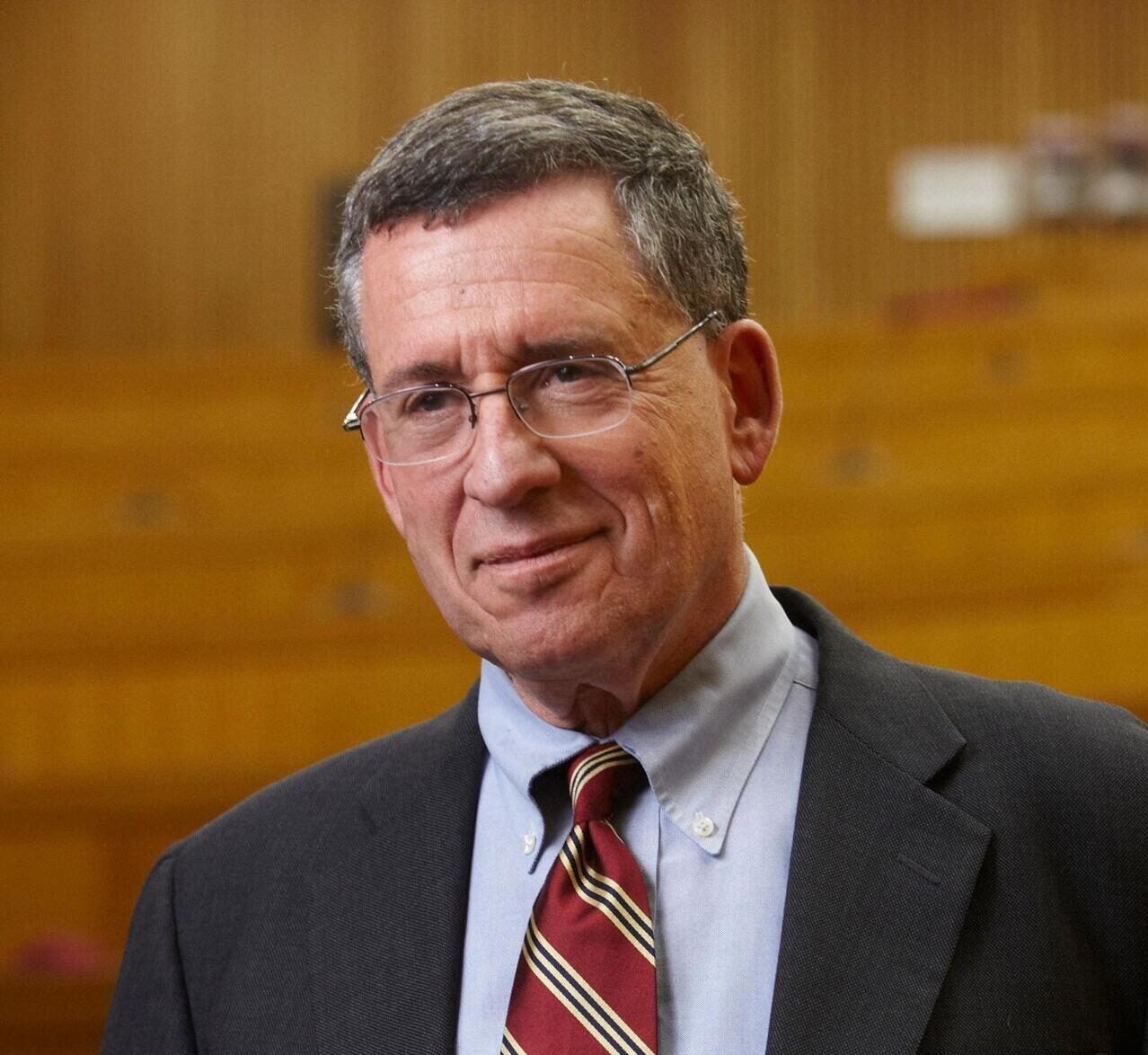
Please join us for a gathering to recognize Bob’s pathbreaking career and impact on the field of health policy. Colleagues and mentees from all stages of his career will share reflections on his brilliance, influence, and generosity.
- Keynote: “Bob Before Harvard”
- Presentation: “Bob’s Earliest Work”
- Panel: “Bob Blendon: Lessons and Legacy”
- Closing Remarks: “Concluding Remarks about Bob, Our Friend”
Wednesday, October 28th, 2026
2:00PM – 3:30PM, Kresge G1
Harvard T.H. Chan School of Public Health
Kresge Building, 677 Huntington Ave, Boston MA, 02115
Reception to Follow (3:30PM – 4:30PM)
Please note: All speakers will share their own perspectives; they do not speak for Harvard.
Keynote Speaker
Presenter
Panel Moderator
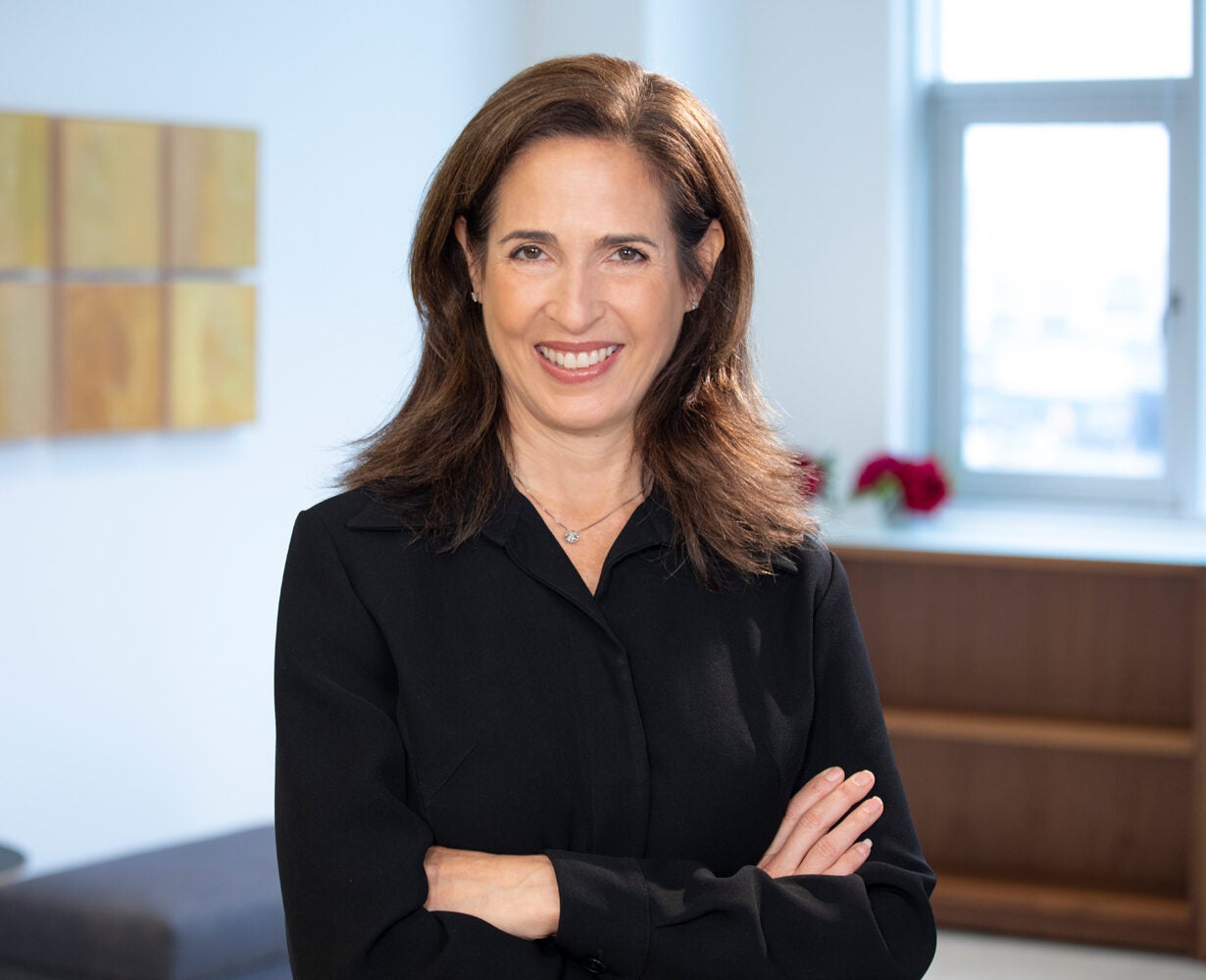
Panelists
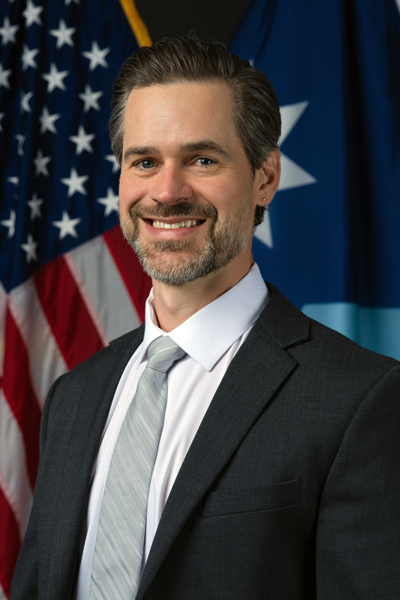
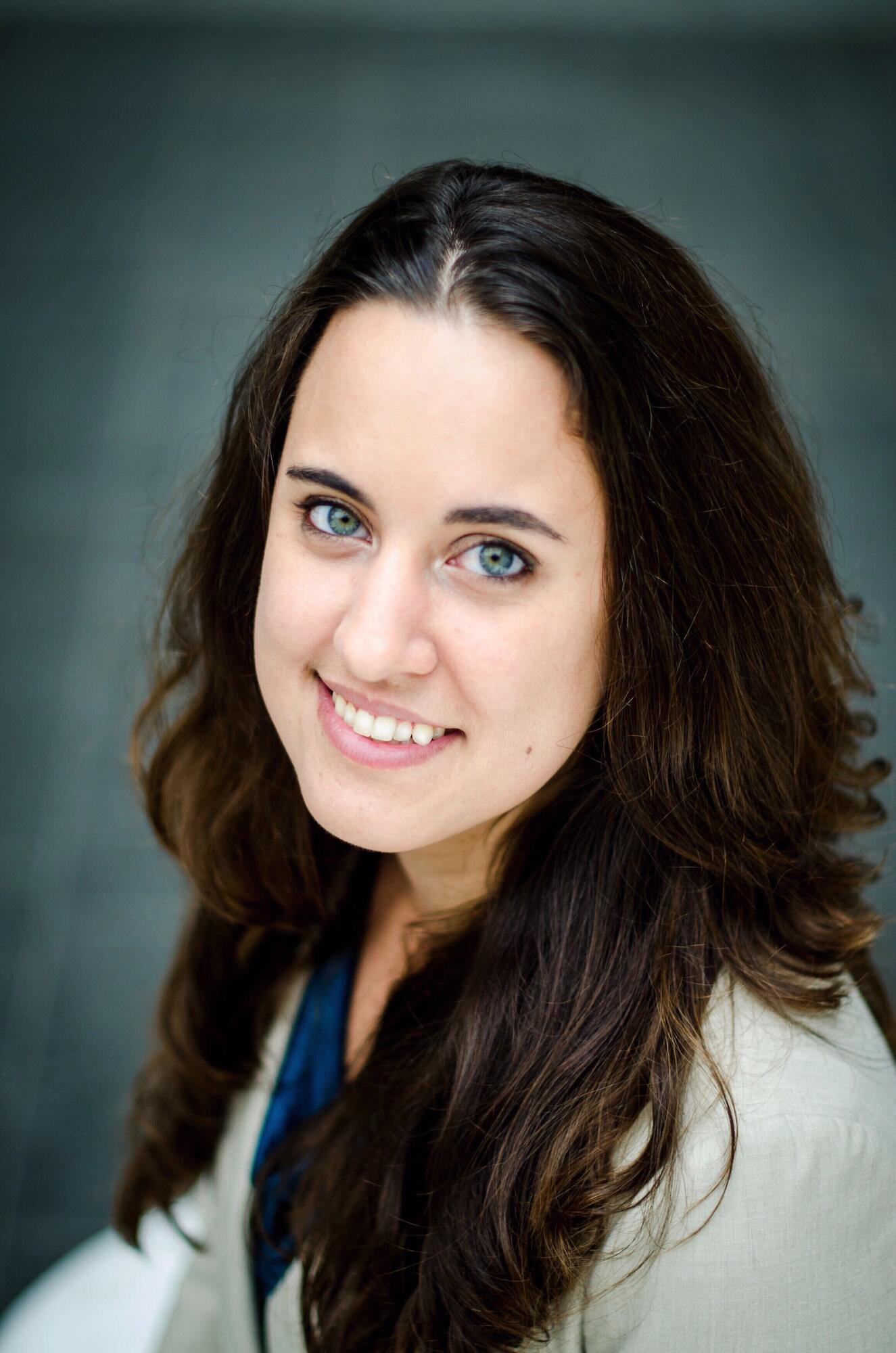
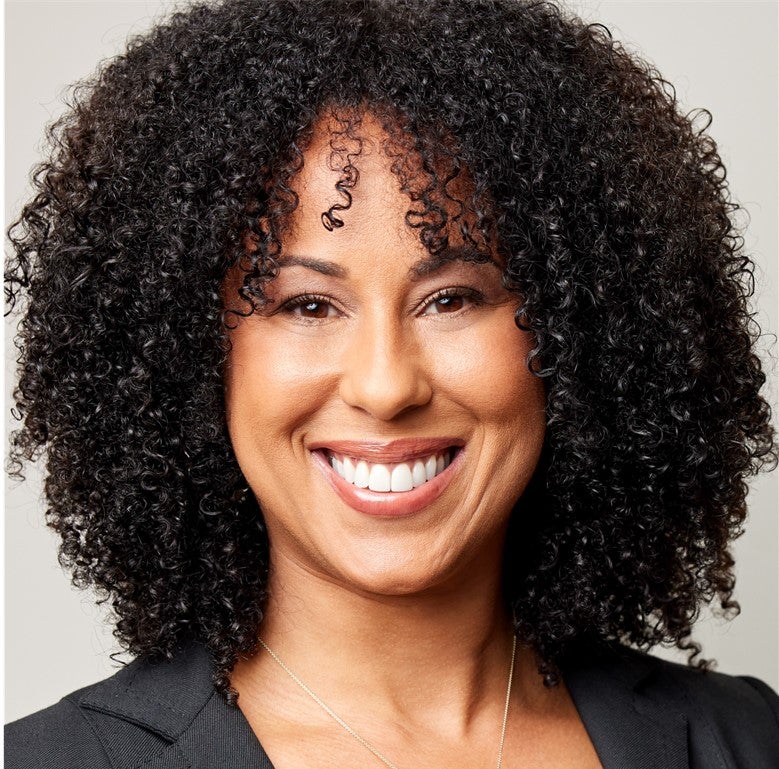
Closing Remarks
Additional Event Logistics:
If you plan to join us for this event in person, please bring photo identification (ID) with you. You will need a Harvard ID or a photo ID to enter the Kresge building. All guests without a Harvard ID must check in with a photo ID at the Kresge security desk. Guests must register in advance to be included on the guest list for building access.
Making Tradeoffs Explicit: Advancing Decision Science for Public Health Policy
Public health decision-making is increasingly complex, involving tradeoffs between competing considerations such as length versus quality of life, health gains versus economic costs, and efficiency versus equity. Health decision science provides structured, transparent approaches to evaluating these tradeoffs and informing decisions in the face of constrained budgets for health care and public health. Dr. Pandya’s research applies and advances health decision science methods to make tradeoffs explicit in difficult health policy decisions. This talk will highlight selected research addressing clinical questions (e.g., how many adults in the US should receive statin therapy?), policy questions (e.g., which quality measures should be prioritized in acute stroke care?), and methodological questions (e.g., how can researchers weigh efficiency-equity tradeoffs?).
The Department of Health Policy and Management will host this event in hybrid format. If you would like to join us by Zoom, please register at the link above to receive the Zoom details. If you plan to join in person, there is no need to RSVP. Thank you!
All speakers share their own perspectives; they do not speak for Harvard.
Speaker Information


Parents today are facing unprecedented levels of stress, with many reporting symptoms of anxiety, depression, burnout, and loneliness. The U.S. Surgeon General’s 2024 advisory calls parental mental health and well-being an urgent public health issue, sighting the effects of parental health on the health and development of children. In this discussion, experts will examine the factors driving parental stress, explore how parental mental health shapes child development and family well-being, and discuss evidence-based strategies to better support parents. Drawing on research in public health, psychology, and child development, panelists will share practical insights for families while considering the policies and community investments needed to help parents—and the next generation—thrive.
Watch the premiere on our YouTube page.
An on-demand video will be posted after the event.
Speakers
Moderator
Melody Mendez

The Role of Intuition in Epidemiology
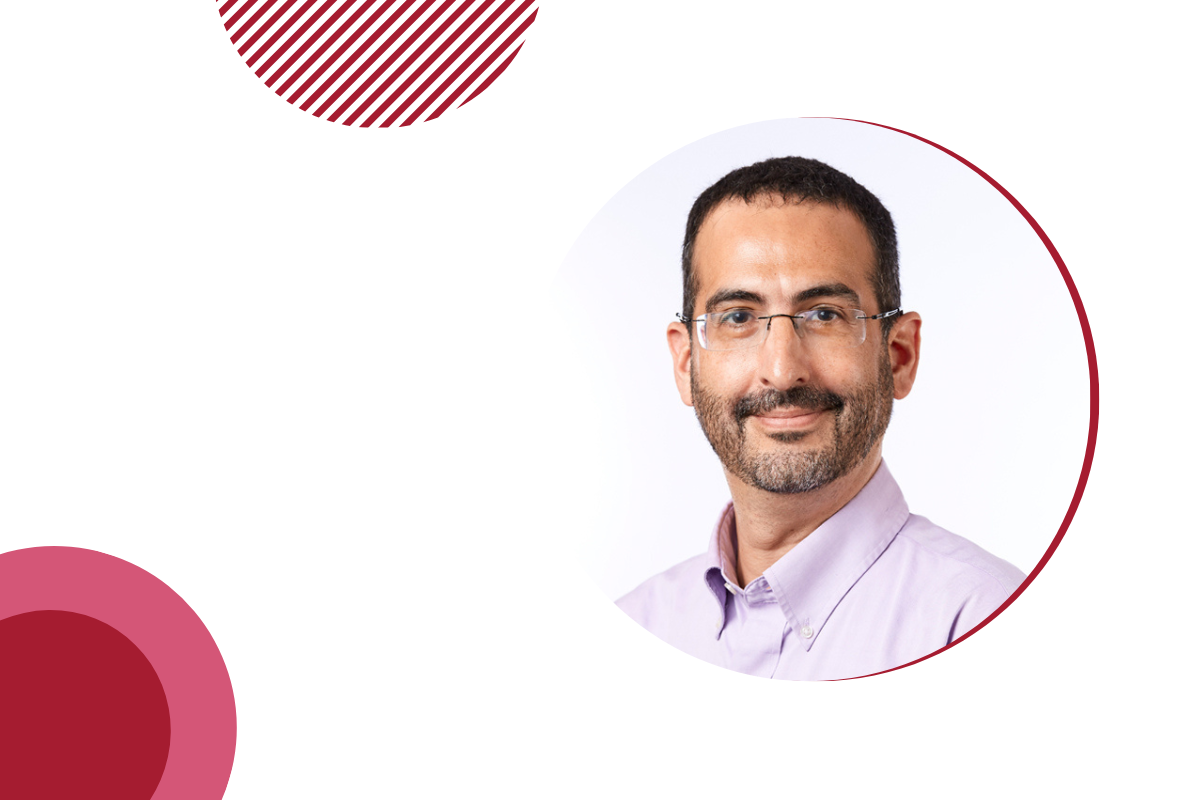
Join us on Wednesday, October 28th for the Department of Epidemiology seminar series featuring Dr. Matthew Fox.
Abstract: Intuition is a necessary part of everyday life, without which we could not make it through a day. Epidemiologists are taught to rely on science, reason, and facts in their work and yet, it is likely that we use intuition all the time. We use it when we make decisions about interpreting the results of studies, about the impact of sources of bias, in the decisions we make in our own research, in our teaching and in our communication with other scientists and the general public. Yet it isn’t clear when this approach is useful and when it causes harm. This talk will focus on the role of intuition in epidemiology with examples of cases where we rely on it too much and cases where we don’t use it enough.
Bio: Matthew Fox, DSc, MPH, is a Professor in the Departments of Epidemiology and Global Health at Boston University. Dr. Fox joined Boston University in 1999. His research interests include treatment outcomes in HIV-treatment programs, infectious disease epidemiology (with specific interests in HIV and pneumonia), and epidemiologic methods. Dr. Fox works on ways to improve retention in HIV-care programs in South Africa from the time of testing HIV-positive through long-term treatment. As part of this work, he is involved in analyses to assess the impact of changes in South Africa’s National Treatment Guidelines for HIV. Dr. Fox also does research on quantitative bias analysis and co-authored a book on these methods, Applying Quantitative Bias Analysis to Epidemiologic Data. He is also the host of a public health journal club podcast called Free Associations designed to help people stay current in the public health literature and think critically about the quality of research studies and a podcast on Epidemiologic Methods called SERious Epi. He currently teaches a third-level epidemiologic methods class, Advanced Epidemiology as well as two other doctoral level epidemiologic methods courses.
Speaker Information
Organizers
Related Events
Innovations in Care Models and Trial Design: Two Decades of Research Improving HIV and Hepatitis C Outcomes in Key Populations in India
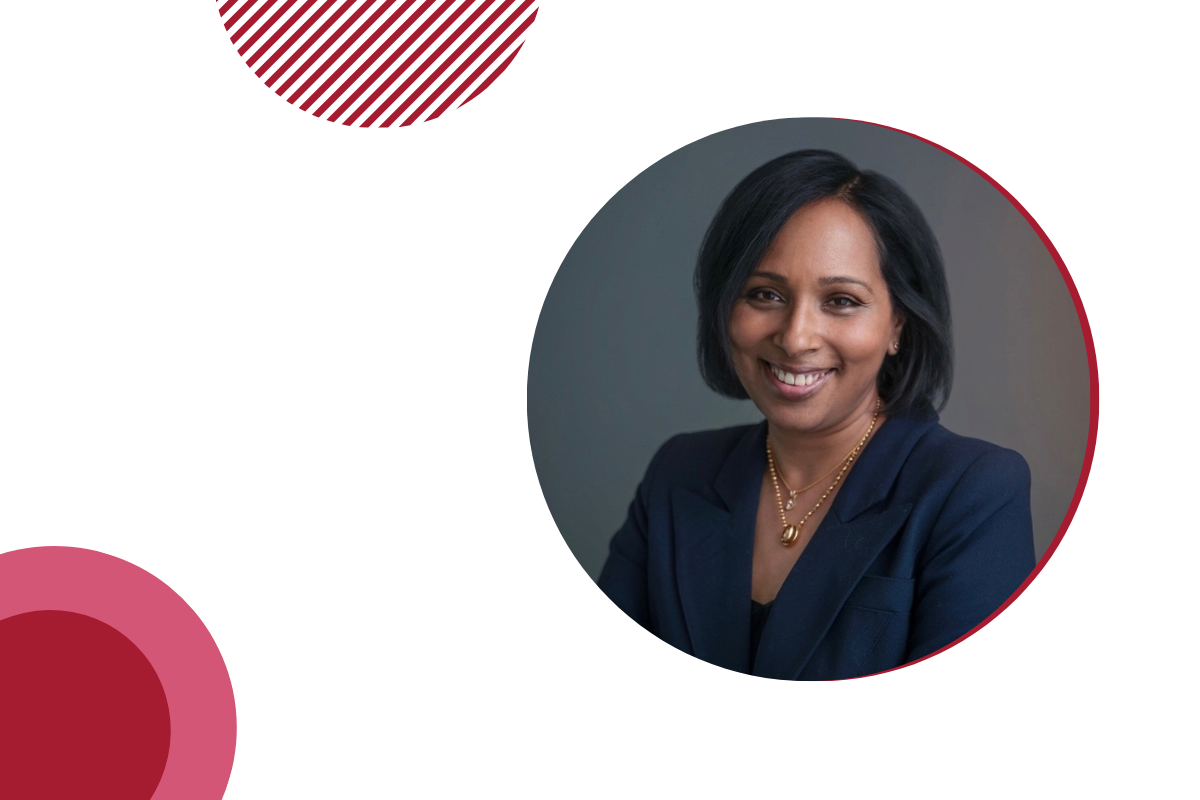
Join us on Wednesday, September 30th for the Department of Epidemiology seminar series featuring Dr. Shruti Mehta.
Abstract: People who inject drugs (PWID) carry a disproportionate burden of HIV and hepatitis C virus (HCV) globally and in India, yet standard models of prevention and treatment have not adequately reached this population. This seminar will highlight two large trials from our research program that used rigorous and innovative designs to improve HIV and HCV outcomes among PWID in India. The first, the Integrated Care Center (ICC) trial, evaluated a person-centered, low-threshold model that delivered HIV, HCV, other infectious disease services, substance use care, and general medical care through a single population-focused center. Conducted across 22 Indian cities, the cluster-randomized trial used stratified restricted randomization and respondent-driven sampling to recruit approximately 1,000 participants per city for baseline and follow-up serosurveys. The second, the STOP C trial, evaluated adherence-support strategies for HCV treatment using a precision randomization approach among 3,000 PWID across seven Indian cities. Participants were stratified by predicted risk of treatment failure and then randomized via an unbalanced allocation approach with those at elevated risk more likely to receive higher-intensity support and those at minimal risk more likely to receive lower-intensity support. Together, these studies show how rigorous trial design can advance scalable, person-centered approaches to HIV and HCV prevention and care among PWID.
Bio: Shruti H. Mehta, PhD, MPH is the Charles Armstrong Chair of the Department of Epidemiology at the Johns Hopkins Bloomberg School of Public Health. She is the co-director of the Johns Hopkins Center for AIDS Research and the Director of the Johns Hopkins HIV Epidemiology and Prevention Sciences Training Program. Her research focuses on improving access and uptake of HIV and hepatitis C virus (HCV) interventions among key populations with a particular focus on people who inject drugs with research programs in Baltimore and India.
Speaker Information
Organizers
Related Events
Dark Causal Inference: Why Most Causal Inference in Epidemiology is Invisible
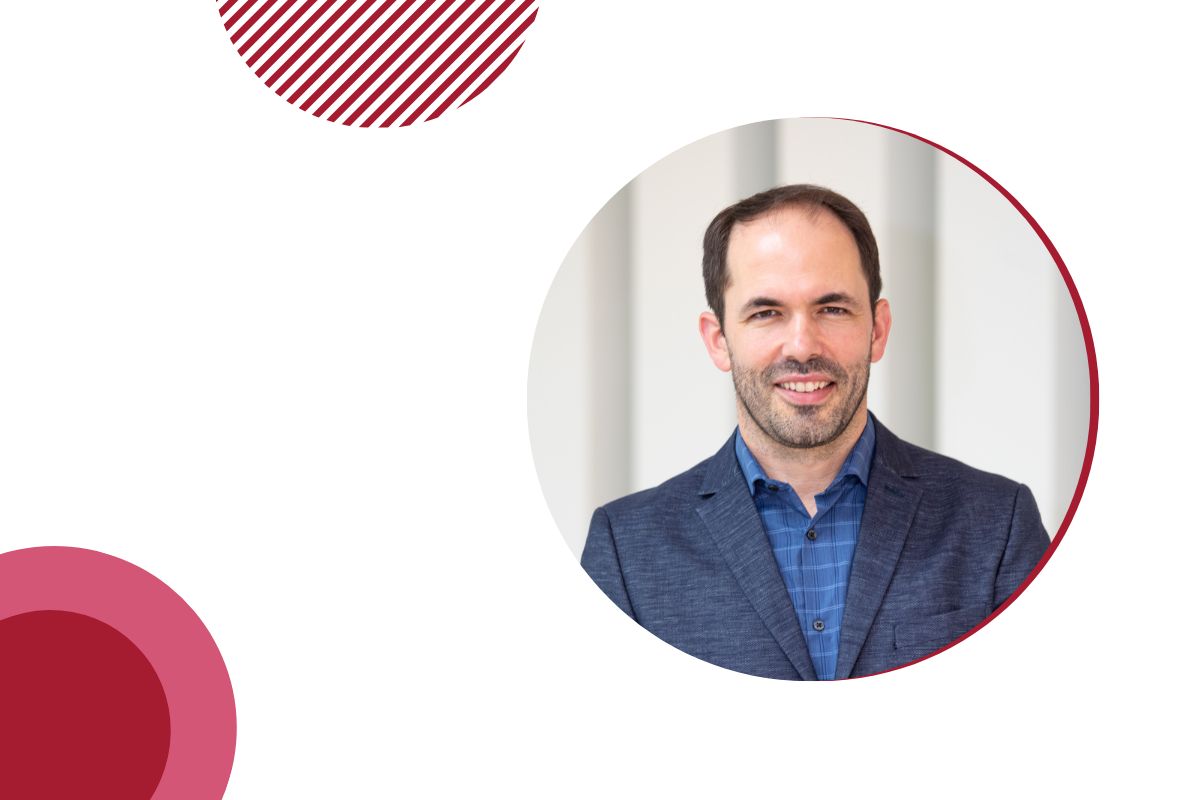
Join us on Wednesday, September 23rd for the Department of Epidemiology seminar series featuring Dr. Jeremy Labrecque.
Abstract: In some ways epidemiology is leading the way in the uptake of causal inference but I will argue that it is very far behind where it could easily be. Even in the top epidemiology journals, fewer than half of studies using explicitly causal methods (g-methods or TMLE) state an explicitly causal question and fewer than half mention consistency and positivity. There is no reason that all such articles should not always include a causal question, clearly-stated causal assumptions and supporting arguments for those assumptions. When a causal claim (however tentative or weak) is made in the absence of these, I refer to this as “dark causal inference”: causal inference that is implied but not observable (in analogy to dark matter). There are many reasons dark causal inference is overwhelmingly abundant in epidemiology of which I will explore two: 1) our continuing misuse of the word “association” (and similar non-causal language) and 2) failing to teach students how to reason about causal inference when causal assumptions are not satisfied.
Bio: Jeremy Labrecque is assistant professor of epidemiology and leader of the Causal Inference Group at Erasmus MC in Rotterdam, the Netherlands. His two main current interests are: 1) reasoning about causal inference when causal assumptions are violated using tools such as quantitative bias analysis, negative controls and causal triangulation and 2) increasing the uptake of causal inference among applied epidemiologists.
Speaker Information
Organizers
Related Events
Mortality Displacement: Sixty Years of Debate and Consequences
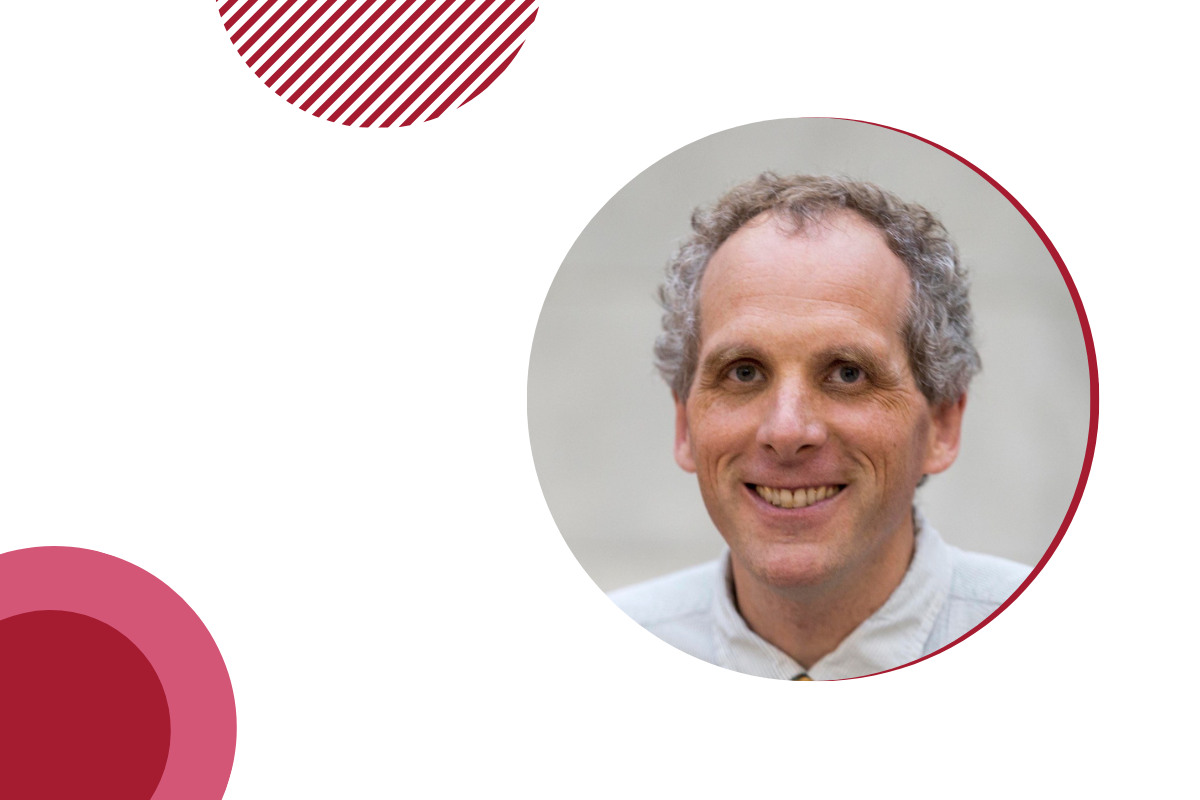
Join us on Wednesday, September 9th for the Department of Epidemiology seminar series featuring Dr. David Jones.
Abstract: As scrutiny of air pollution epidemiology increased in the 1960s, researchers wondered whether pollution crises mostly killed people with preexisting cardiac or respiratory disease who would have died soon anyway. This idea, named “mortality displacement,” “harvesting,” or “anticipation” gained increasing attention in the 1990s and 2000s, with studies of air pollution, heat waves, and climate change, and again in the 2020s with COVID. Pinning down whether the phenomenon is real or not has proved surprisingly difficult: many contradictory findings have been published. The most careful analyses (many done at HSPH) have discounted the phenomenon. Yet the concept endures in both academic writing and public discourse. This talk will explore the history of mortality displacement in an attempt to understand why the debates persist and what consequences the debates—and the concept itself—might have for public policy.
Bio: Trained in psychiatry and history of science, David Jones teaches history of medicine, medical ethics, and social medicine at Harvard University. His research has ranged from the history of epidemics to heart disease, cardiac therapeutics, race, air pollution, and the health effects of the climate crisis.
Speaker Information
Organizers
Related Events
Special Social Demography Seminar with Maria Glymour honoring Lisa Berkman’s 18 years of leadership

Please join us in person if you can (or online) for this special start to our Social Demography Seminar Series with Maria Glymour who will present “Evidence triangulation in dementia research.” We will also be hosting an Open House later the same day from 4:00–5:00 p.m. at the Pop Center where past/current students and fellows, plus colleagues and friends, are invited to raise a glass to Lisa Berkman in honor of her 18 years of leadership at Harvard Pop Center.