Collective organisation as crisis infrastructure: Evidence from the Self-Employed Women’s Association during COVID-19 in India
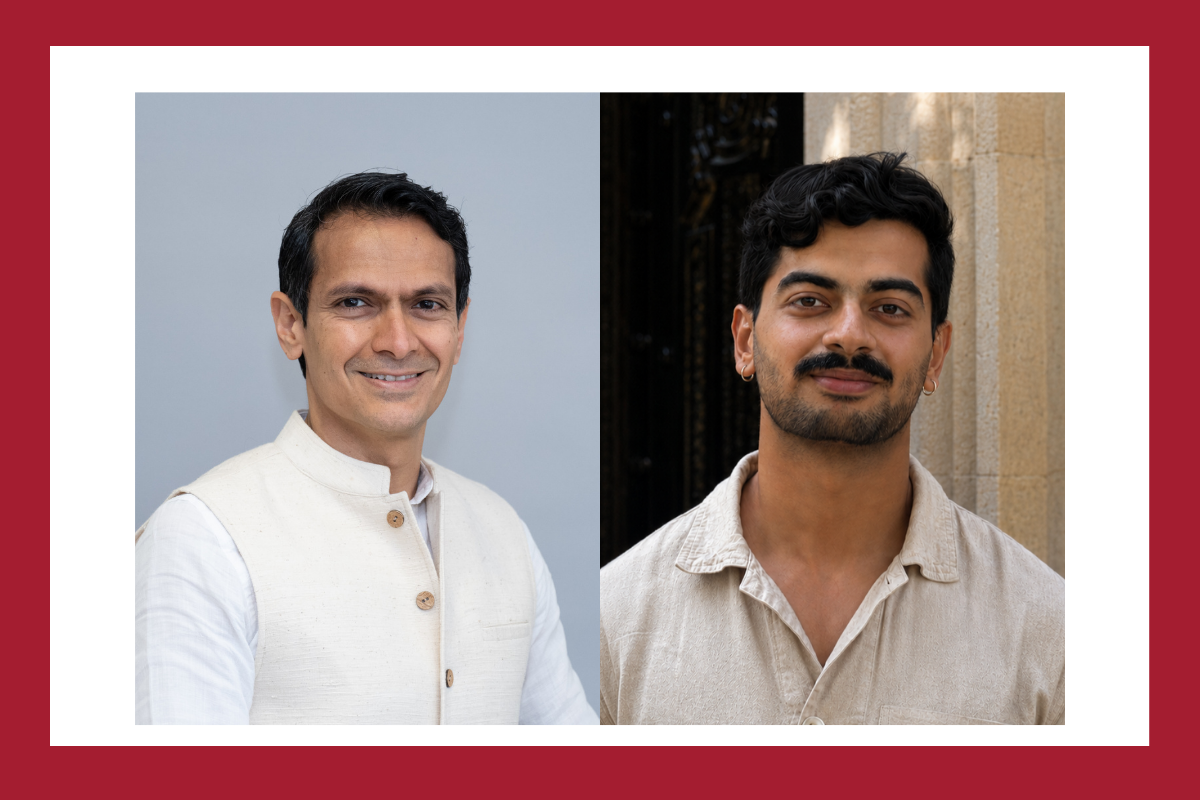
Join the Department of Global Health and Population for this Brown Bag Seminar featuring Satchit Balsari, associate professor of emergency medicine at Harvard Medical School, and Kartikeya Bhatotia, Climate Fellow at the Mittal South Asia Institute, Harvard University.
Please note that an HUID is required to attend this in-person event.
Seminar description
The pandemic, and the societal response to it, had crippling impacts on livelihoods, food security, and wellbeing around the world. Drawing on a mixed-methods study of more than 1,090 member households belonging to the Self-Employed Women’s Association (SEWA)—a federation of trade cooperatives and unions representing nearly four million women in Gujarat, India—this talk asks whether long-standing community organizations can serve as a form of crisis infrastructure. The study finds that, despite widespread income loss and food insecurity during COVID-19, households embedded most deeply in SEWA’s cooperatives, credit institutions, and community health networks recovered fastest and most fully. They did so by drawing on layered, sequenced coping strategies, while SEWA’s health counselors—already trusted within these same networks—helped sustain access to care and vaccination where formal systems were delayed or distrusted. The findings suggest that collective organization and relational trust among informal workers must be recognized as genuine social protection infrastructure. Early findings from this study were shared through a traveling multimedia exhibition, Hum Sab Ek.
Speaker bios
Satchit Balsari, MD, MPH, is an associate professor of emergency medicine at Harvard Medical School and an associate professor of global health and population at Harvard Chan School. His research and teaching are focused on complex humanitarian emergencies and digital health implementation science in resource-poor settings. He has worked with populations affected by war and disasters across the world, leveraging cutting-edge digital tools and citizen science to advance public health planning, advocacy, and response. Satchit co-directs CrisisReady.io, a research-response platform that builds data-driven decision tools for local communities and response agencies affected by disasters globally. He is founding director of the tri-institute Climate and Human Health fellowship at Harvard, leads the climate platform at the Mittal South Asia Institute, and is co-investigator on the Salata Institute’s inaugural interfaculty cluster grant on Climate Adaptation in South Asia. He directs the Harvard India Digital Health Network at the Mittal South Asia Institute and is the curator of Hum Sab Ek, an immersive multimedia traveling exhibition currently on tour. The exhibition is based on his research into the impact of the COVID-19 pandemic on the 2.9 million members of the Self-Employed Women’s Association (SEWA) and their response to the crisis.
Kartikeya Bhatotia, MPP, is a Climate Fellow at the Mittal South Asia Institute at Harvard University, where he works on research and programming for the climate platform. His work brings environmental, health, and social science research into conversation with public policy. He is particularly interested in how informal social systems shape community responses to slow-onset environmental hazards and how collective institutions support health and livelihoods in the Global South. At Harvard, he has contributed to the Salata Institute’s Climate Adaptation in South Asia research cluster and the Harvard Global Health Institute’s Heat and Worker Protections Scholarly Working Group. Before Harvard, Kartikeya worked at Tata Trusts and the Institute for Financial Management and Research, applying behavioral economics to health, climate, and economic development in informal contexts. He was a 2018 Young India Fellow at Ashoka University and earned a master’s degree in public policy form Harvard Kennedy School in 2024.
Speaker Information
Kartikeya Bhatotia
Organizers
What makes care possible? Protection, trust, and solidarity in global health
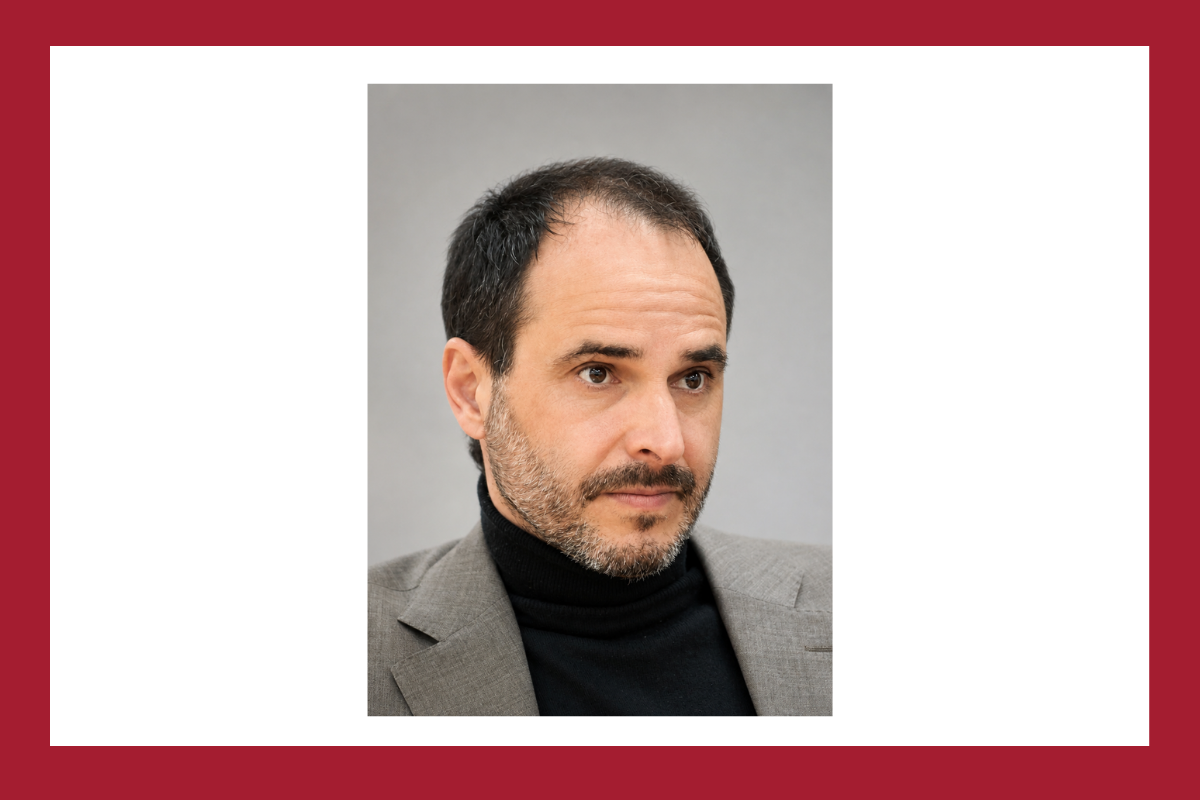
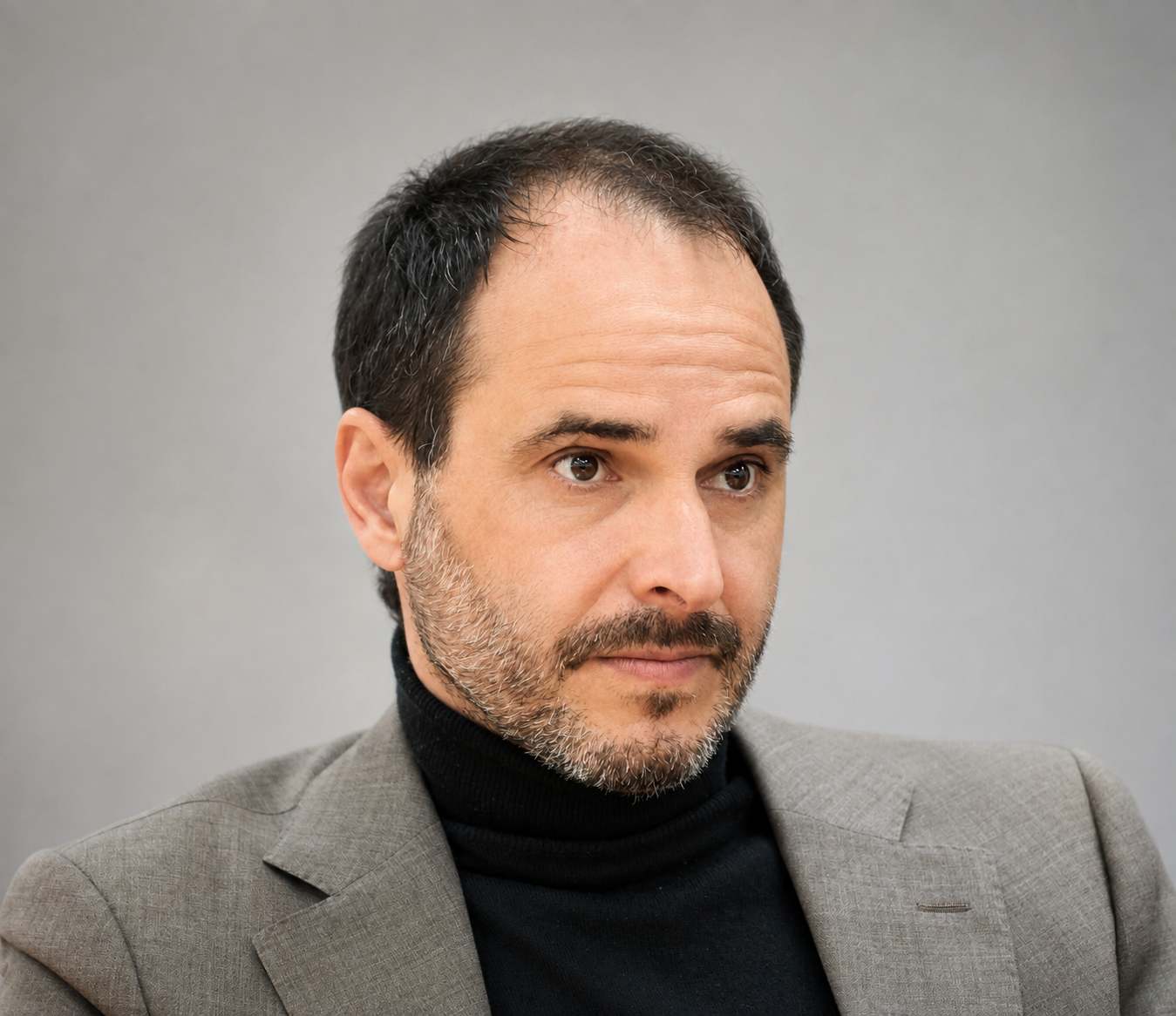
Join the Department of Global Health and Population for this Brown Bag Seminar featuring Christos Christou, former international president of MSF and visiting scholar at Harvard Humanitarian Initiative.
Please note that an HUID is required to attend this in-person event.
Seminar description
Drawing on experiences from humanitarian crises, conflict settings, and epidemic response, this talk explores three conditions that make care possible: the protection of patients and health workers, trust in science and the institutions that deliver care, and solidarity in responding to needs that transcend borders. Through selected cases, Christos Christou will reflect on what happens when these conditions erode and why defending them is essential to defending humanity itself.
Speaker bio
Christos Christou, MSc, PhD, is a surgeon and humanitarian leader who served as international president of Médecins Sans Frontières (MSF) from 2019 to 2025. He joined MSF early in his medical career and has worked in humanitarian settings affected by conflict, displacement, epidemics, and limited access to health care. As international president, he led MSF through the COVID-19 pandemic and major humanitarian crises, while advocating for the protection of civilians and health workers, equitable access to health care, and respect for international humanitarian law.
Christos trained in general and trauma surgery in Greece and the United Kingdom and has worked as a consultant in emergency and colorectal surgery in the NHS. He is currently a visiting scientist at the Harvard Humanitarian Initiative and at the National and Kapodistrian University of Athens. His academic and teaching interests include humanitarian leadership, trust within communities, health in conflicts, and the protection of medical care. He also contributes to advisory initiatives in global and humanitarian health.
Christos holds a PhD in surgery, an MSc in international health and health crisis management, and the European Board of Surgery Qualification in Coloproctology. In 2025, he was named to the TIME100 list of the world’s most influential leaders shaping the future of philanthropy.
Speaker Information
Christos Christou
Organizers
Building Stronger, More Trusting Relationships Across Health Belief Divides
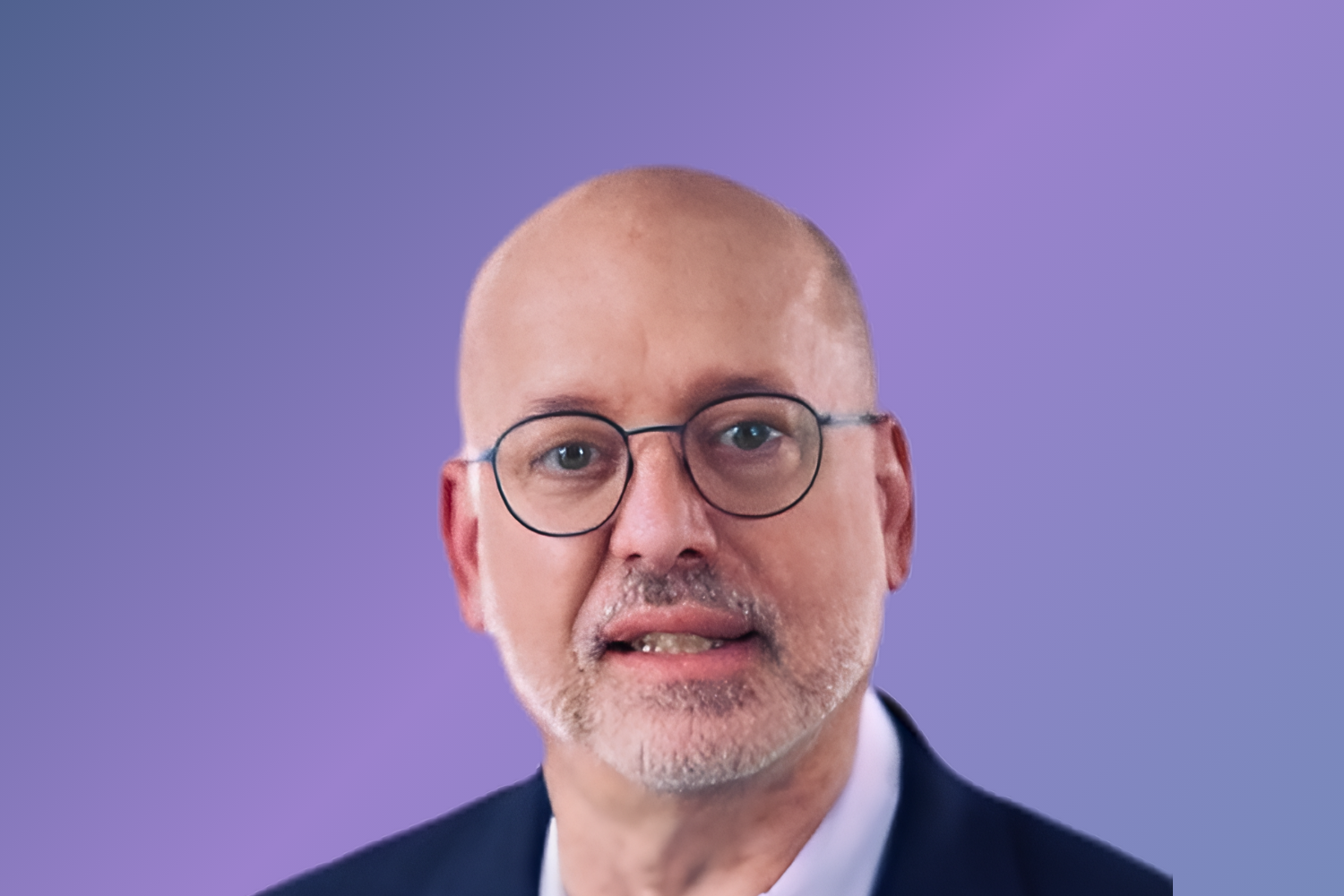
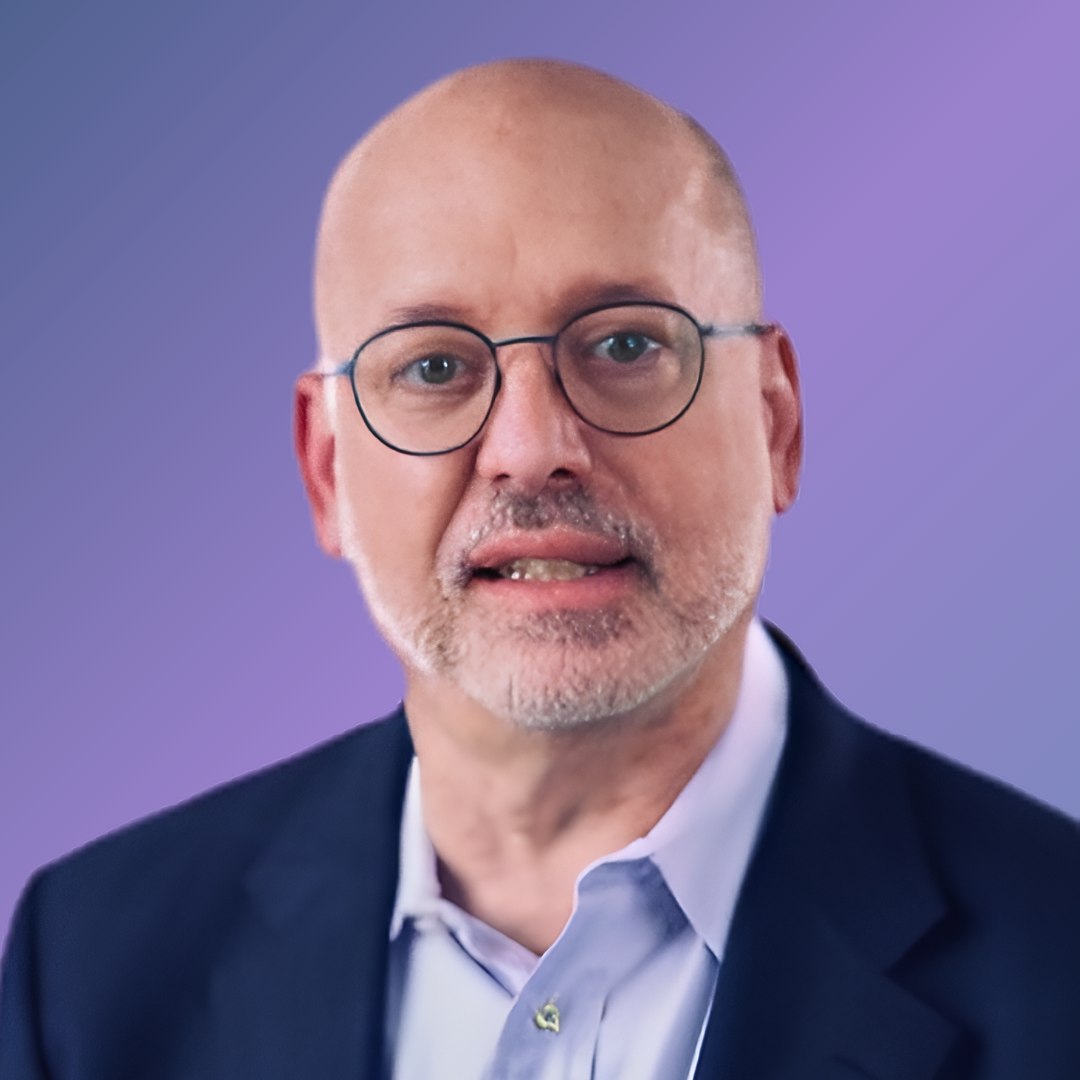
On Wednesday, November 4th from 1-1:50 p.m. in FXB G12 and online, please join us for the third installment in our Trust and Well-being Seminar Series, featuring Dr. David Bersoff.
All are welcome. Lunch provided.
Event Description
In this year’s health study, we asked respondents to evaluate a set of health claims:
- Animal protein is healthier than plant-based
- Fluoride in water has no health benefits
- The risks of childhood vaccines outweigh their benefits
- Raw milk is healthier than pasteurized
- Acetaminophen can cause autism
- Vaccines are used for population control
About 25%-33% said each are true. Viewed in this way, the data seems to indicate that there is only a fringe element who hold such beliefs. But if instead of looking at the beliefs individually, we look at them in aggregate, we find that 70% of people hold at least one. The implication of this is that we may be developing our public health communication and intervention strategies focused in part on a mischaracterization of the people we most need to reach. If we are to increase the success of our health communications and interventions, we must move beyond counter productive stereotypes.
Speaker Biography
Dr. David Bersoff is the Head of Research for the Edelman Trust Institute, Edelman’s think tank dedicated to advancing the study of trust in society. As the Institute’s Chief Trust Scientist, Dr. Bersoff is responsible for ensuring the integrity and scientific value of all of Edelman’s trust-oriented research, which includes the annual Trust Barometer as well as yearly topical studies examining issues such as trust in the healthcare system.
Prior to joining Edelman, Dr. Bersoff spent 17 years as a consumer insights consultant at The Futures Company. In his last 5 years with the company, he served as its Chief Insights Officer.
Before entering the consulting world, he spent 12 years engaged in social science research at Yale and the University of Pennsylvania, where he was an assistant professor of social psychology and research methodology.
Dr. Bersoff holds a BA summa cum laude in Philosophy and a Ph.D. in social psychology, both from Yale University.
Speaker Information
Organizers
Physical Activity and Major Chronic Diseases: Insights from Repeated Measures
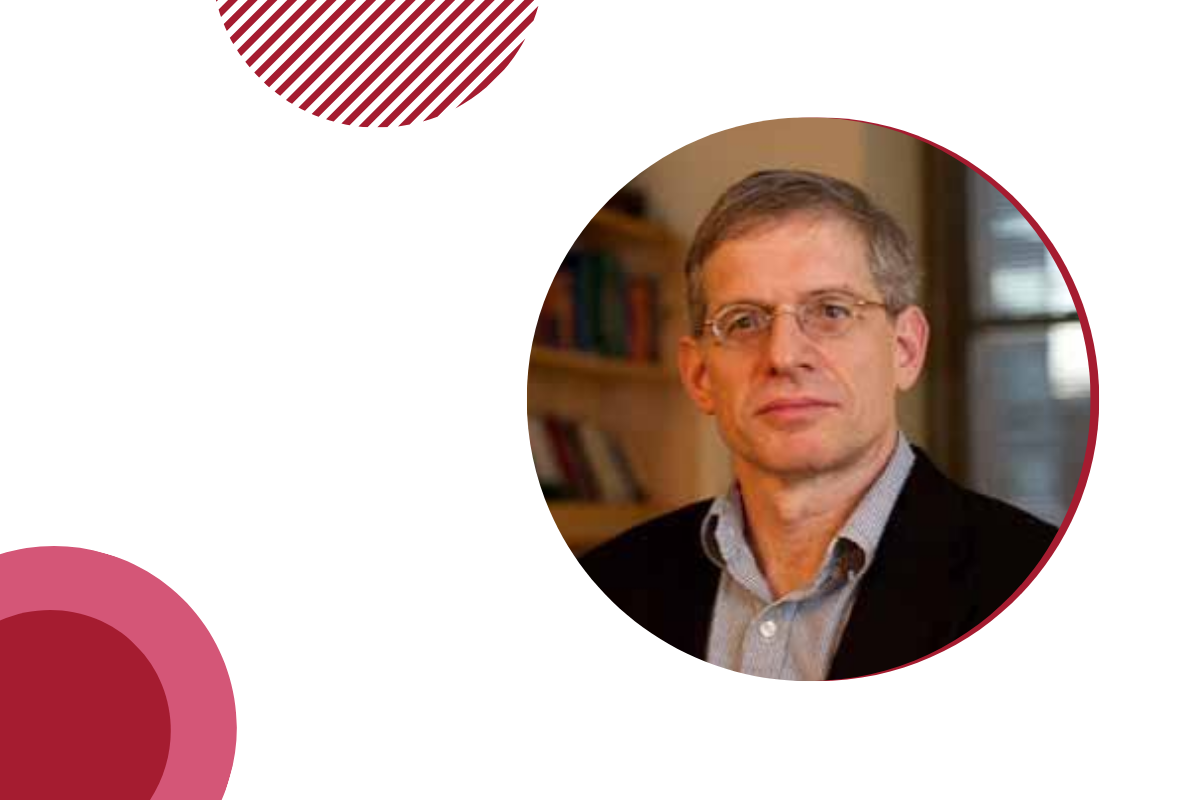
Join us on Wednesday, October 7th for the Department of Epidemiology seminar series featuring Dr. Edward Giovannucci.
Abstract: Physical activity is established as a beneficial factor for several major chronic diseases and mortality. Much of the evidence is based on epidemiological studies that have a single baseline measure. The Harvard cohorts have repeated measures, up to every two years, over four decades of follow-up. This unique resource has enabled a deep look at various topics, including the potential for reverse causation, refinement of dose-response relationships, the influence of maintaining an active lifestyle over decades, and the relative influence of moderate versus vigorous activity. Recent insights into these topics will be summarized.
Bio: Dr. Ed Giovannucci is a Professor of Epidemiology and Nutrition at the Harvard TH Chan School of Public Health, as well as an American Cancer Society Clinical Researcher Professor. Dr. Giovannucci graduated from Harvard University in 1980, received an MD from University of Pittsburgh in 1984, and received training in anatomic pathology before attaining a doctorate in epidemiology at HSPH in 1992. Over the past four decades, he has conducted studies of diet, physical activity, body weight and metabolic health in relation to cancer and other chronic diseases. The studies were conducted largely in the Harvard cohort studies. He served on 2025 United States Dietary Guidelines Advisory Committee and continues long-term service on the Expert Panel for the World Cancer Research Fund, the primary global body evaluating evidence for diet and cancer.
Speaker Information
Organizers
Related Events
Implementation Science: The Key to Ensuring that Epidemiologic Research Impacts Health
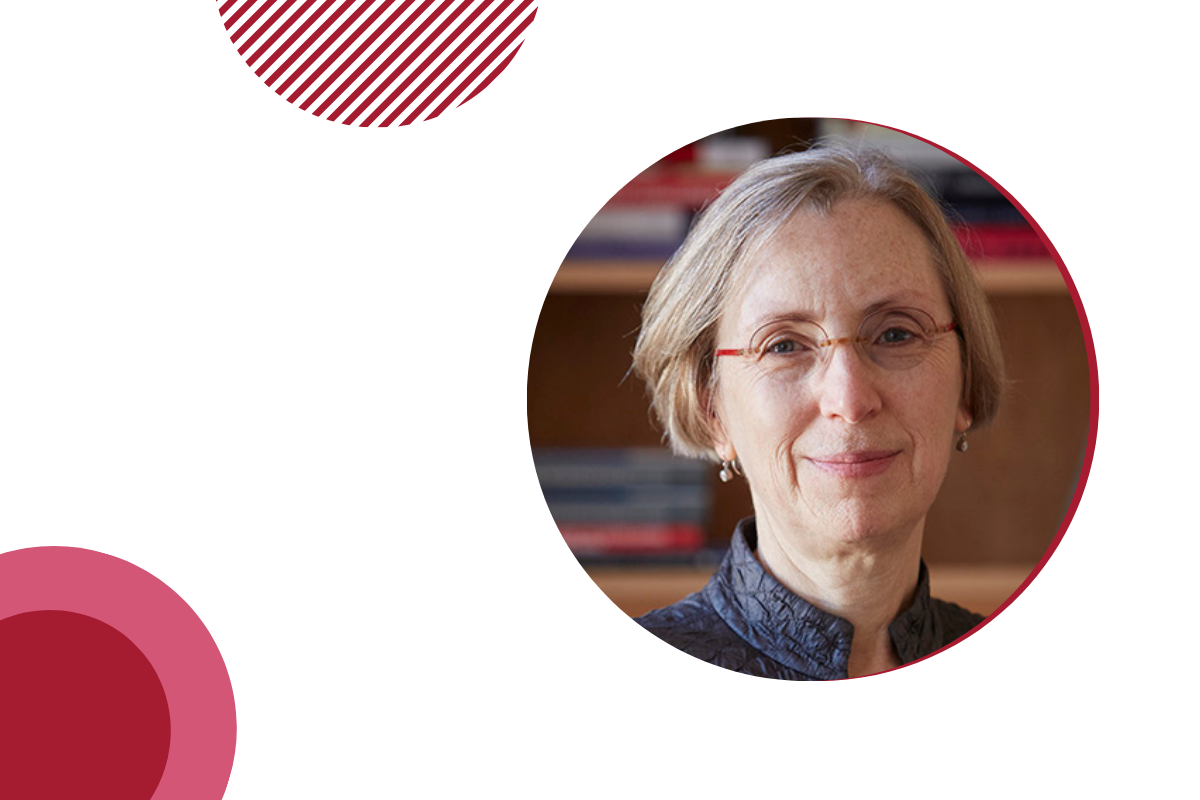
Join us on Wednesday, November 4th for the Department of Epidemiology seminar series featuring Dr. Karen Emmons.
Abstract: This talk will provide an overview of the field of implementation science, with a particular focus on its potential intersections with epidemiology. A major point will be that it is critical to understand implementation science in order to maximize the likelihood that epidemiologic findings will translate into improved health. Participants should emerge with a better understanding of implementation science and how it can be useful to epidemiologists.
Bio: Karen Emmons is a Professor of Social and Behavioral Science at the Harvard T.H. Chan School of Public Health. She has expertise in cancer disparities and in implementation science. Her work focuses on community-engaged approaches to implementation of cancer prevention and early detection interventions in settings that serve low income and disadvantaged communities. She has more than 375 peer-reviewed publications and has served as PI for multiple NIH-funded research projects and centers. She also serves as Faculty Director of the Community Engagement Program for Harvard’s Clinical Translational Science Award, Harvard Catalyst, which focuses on advancing evidence-based strategies to improve community health and creating bi-directional relationships between community partners and researchers. She serves as the MPI of Harvard Chan’s T32 training grant in cancer prevention and control and has received multiple mentoring awards. Her research has also been recognized by honors including the Morse Distinguished Researcher Award, Outstanding Senior Cancer Scientist Award from the Society of Behavioral Medicine, and Outstanding Scientist Award from the Society of Behavioral Medicine. She is Past-President of the Society of Behavioral Medicine, and a member of the National Academy of Medicine, the National Cancer Advisory Board, and the Community Preventive Services Task Force.
Speaker Information
Organizers
Related Events
Measuring health in daily life: Methods and applications of digital phenotyping
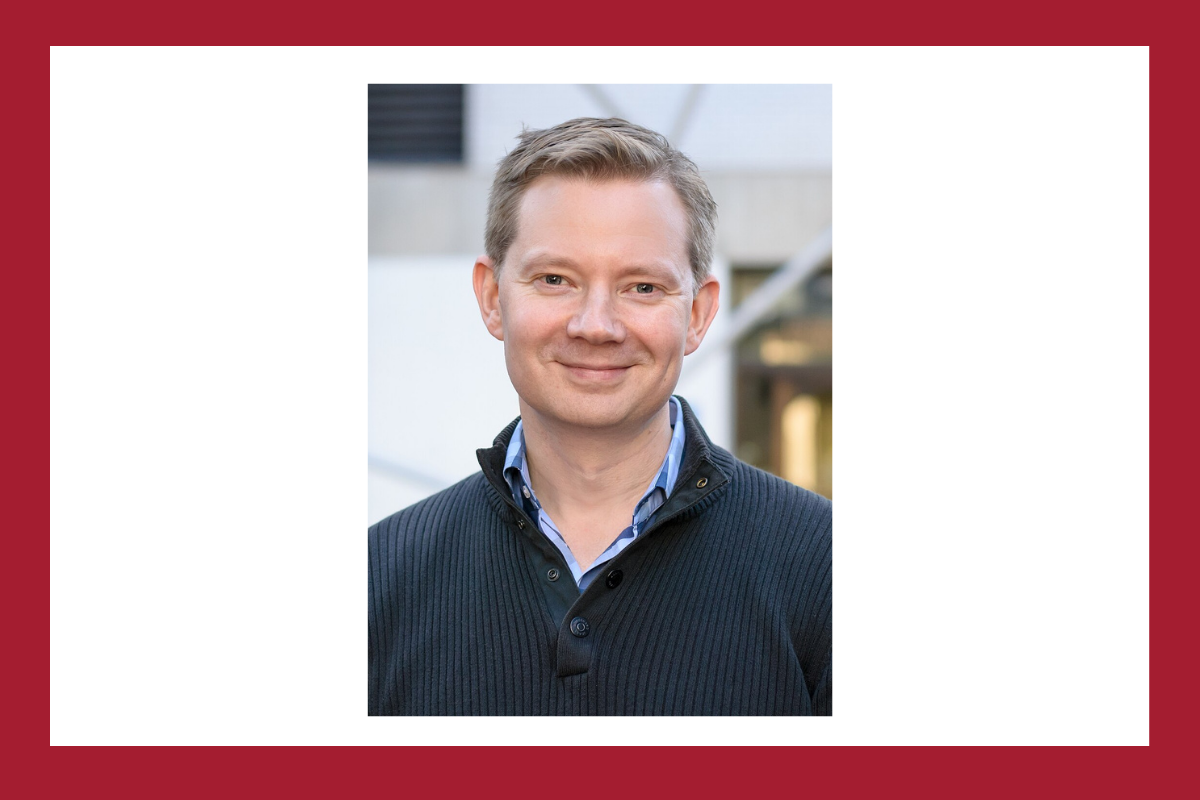
Join the Department of Global Health and Population for this Brown Bag Seminar featuring JP Onnela, chair and professor of biostatistics, Department of Biostatistics, Harvard T.H. Chan School of Public Health.
Please note that an HUID is required to attend this in-person event.
Seminar description
Smartphones and other personal devices offer new opportunities to measure human behavior and health in real-world settings and over extended periods. In this talk, JP will provide an overview of his group’s work in digital phenotyping, spanning research infrastructure, statistical methodology, and clinical applications. He will introduce the Beiwe platform for collecting active and passive smartphone data, discuss methodological challenges such as missingness and reproducibility, and describe approaches for addressing such challenges, including the imputation of missing GPS trajectories. He will then illustrate how digital phenotyping can complement conventional clinical assessments through examples from cancer recovery, bipolar disorder, and amyotrophic lateral sclerosis.
Speaker bio
Jukka-Pekka “JP” Onnela, ScD, is chair and professor of biostatistics in the Department of Biostatistics at Harvard T.H. Chan School of Public Health. He is also co-director of the master’s program in health data science, one of three data science programs at Harvard University. After completing his doctorate in Finland, he was a research fellow at the University of Oxford, a Fulbright scholar at Harvard University, and a postdoctoral fellow at Harvard Medical School. His research focuses on developing statistical models and methods in network science and digital phenotyping. His group has developed the Beiwe smartphone platform for high-throughput digital phenotyping.
Speaker Information
Organizers
Community Engagement Concentration Information Session
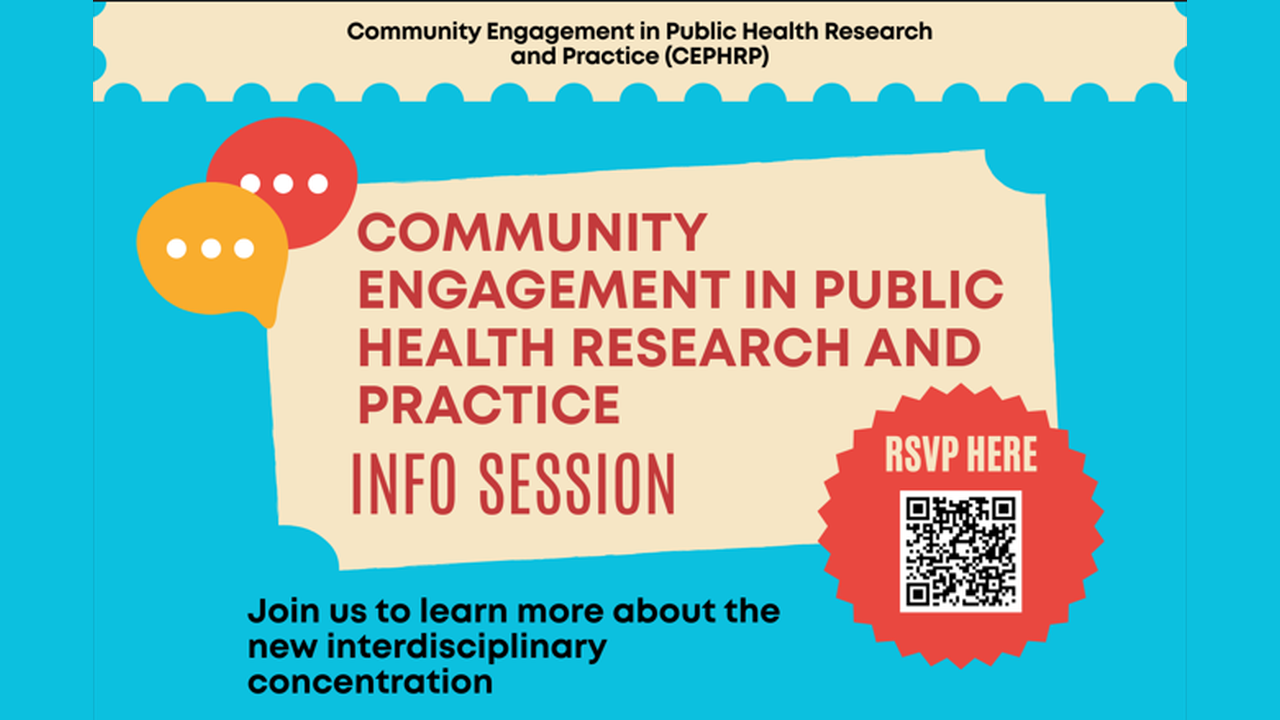
Join us to learn more about the new interdisciplinary concentration.
Explore how this concentration will help you:
- Build meaningful, ethical partnerships with communities
- Design research with community partners
- Translate evidence into accessible, action-oriented messages
- Prepare for careers centered on equity, engagement and impact
Speaker Information
Organizers
Fostering Collective Well-being through Art-making in Community

On Wednesday, October 21st, from 1-1:50 pm in Kresge 202A, the Center Student Engagement Committee will hold its first well-being workshop of the year. This workshop invites participants to explore the connections between art-making and collective well-being. Through a hands-on activity and conversation, participants are invited to reflect on what health and happiness mean to them through words and images. By creating art together, the workshop aims to cultivate a shared space that fosters creativity, belonging, and community.
Center Student Engagement Committee member and Harvard Medical School student Dami Seung, EdM, MS ‘27 will lead this workshop.
This event is open to all Harvard ID-holders. Lunch provided.
Organizers
Trustworthiness in a Compromised World
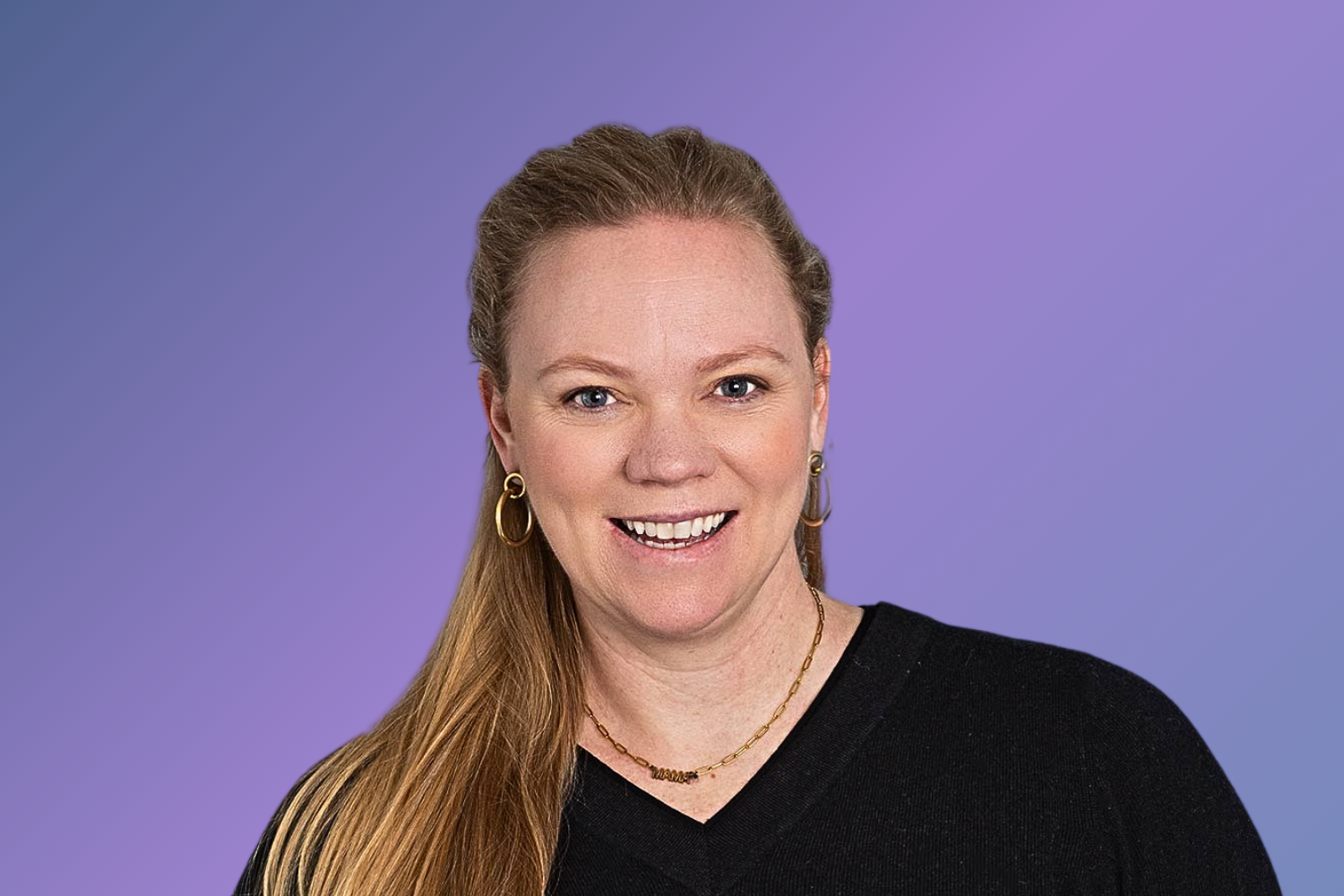
On October 14th, 2026, we held the second installment in our Trust and Well-being Seminar Series, featuring Dr. Lauren Taylor.
Event Description
Dr. Taylor explores what it means for leaders and institutions to remain worthy of trust when the world is compromised, pressured, and morally messy. Rather than treating trustworthiness as a simple matter of displaying familiar virtues like competence, empathy, or benevolence, this talk asks what trustworthiness can realistically look like under conditions of scarcity, hierarchy, politics, uncertainty, and inherited institutional failure.
Drawing on the metaphor of a lantern, Dr. Taylor argues that leaders rarely have the power to produce “clean” solutions. What they can do is act with integrity: reason honestly with others, name what is hard, separate real constraints from excuses, acknowledge residual harms, and choose the next serious step toward better ground. The talk reframes trust not as something institutions can simply ask for, but as something they earn through disciplined practices of integrity under non-ideal conditions.
Speaker Biography
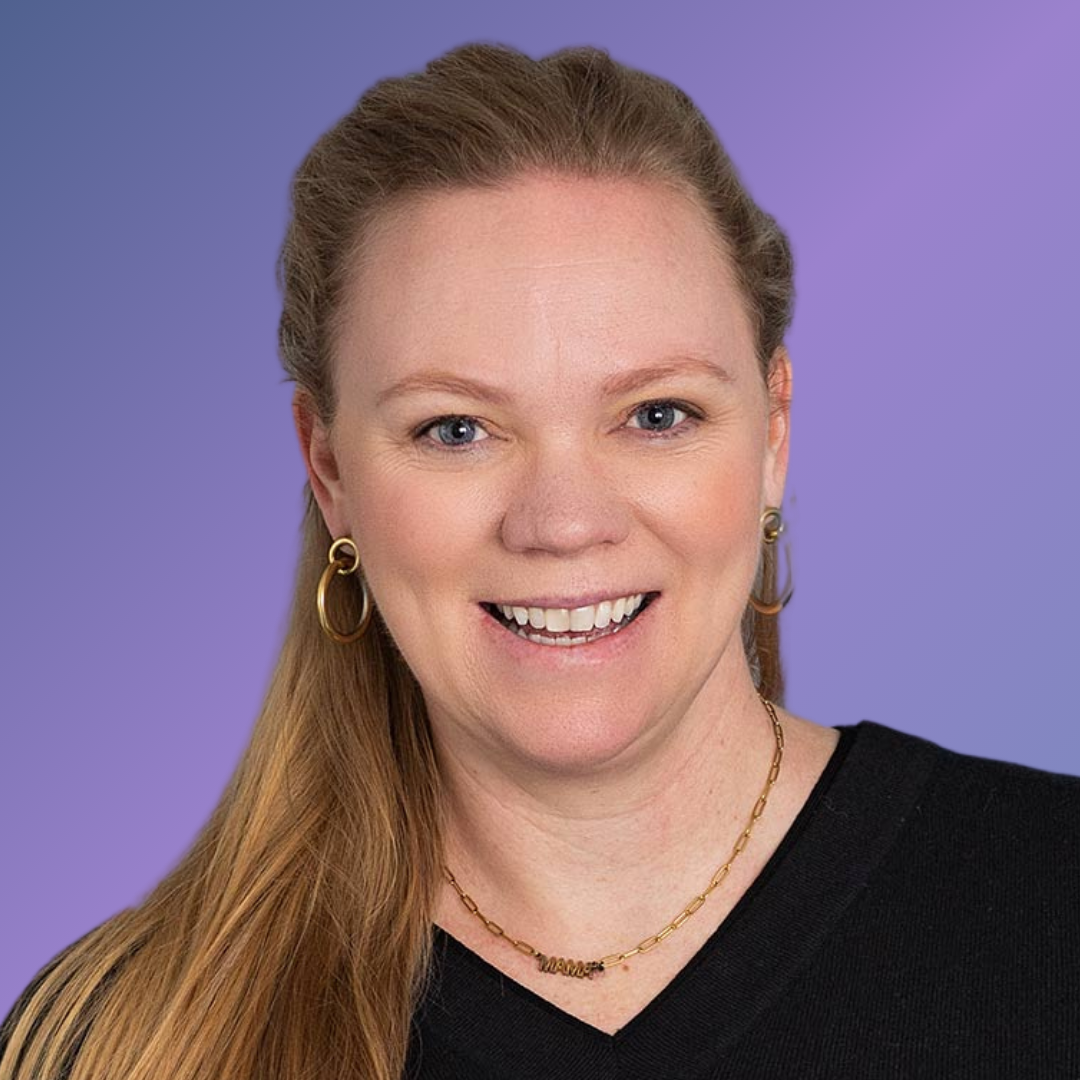
Lauren Taylor, PhD, MDiv, is an Assistant Professor in the Department of Population Health at NYU Grossman School of Medicine, with joint appointments in the Division of Healthcare Delivery Science and the Division of Medical Ethics. Her research examines how healthcare is governed beyond formal law, with particular attention to the institutional, organizational, and market structures that shape access to care, practical freedom, and democratic accountability. She studies how hospitals, health systems, and other stakeholders actively make and remake policy through governance design, delegated authority, political influence, and routine managerial decisions. Dr. Taylor earned her PhD from Harvard Business School, as well as master’s degrees from Harvard Divinity School and the Yale School of Public Health, and is a former AcademyHealth Trust Scholar in Residence and a 2026 Greenwall Faculty Scholar.
Speaker Information
Organizers
Can We Trust a Silent System? Technological Change and Relationships in Health Care
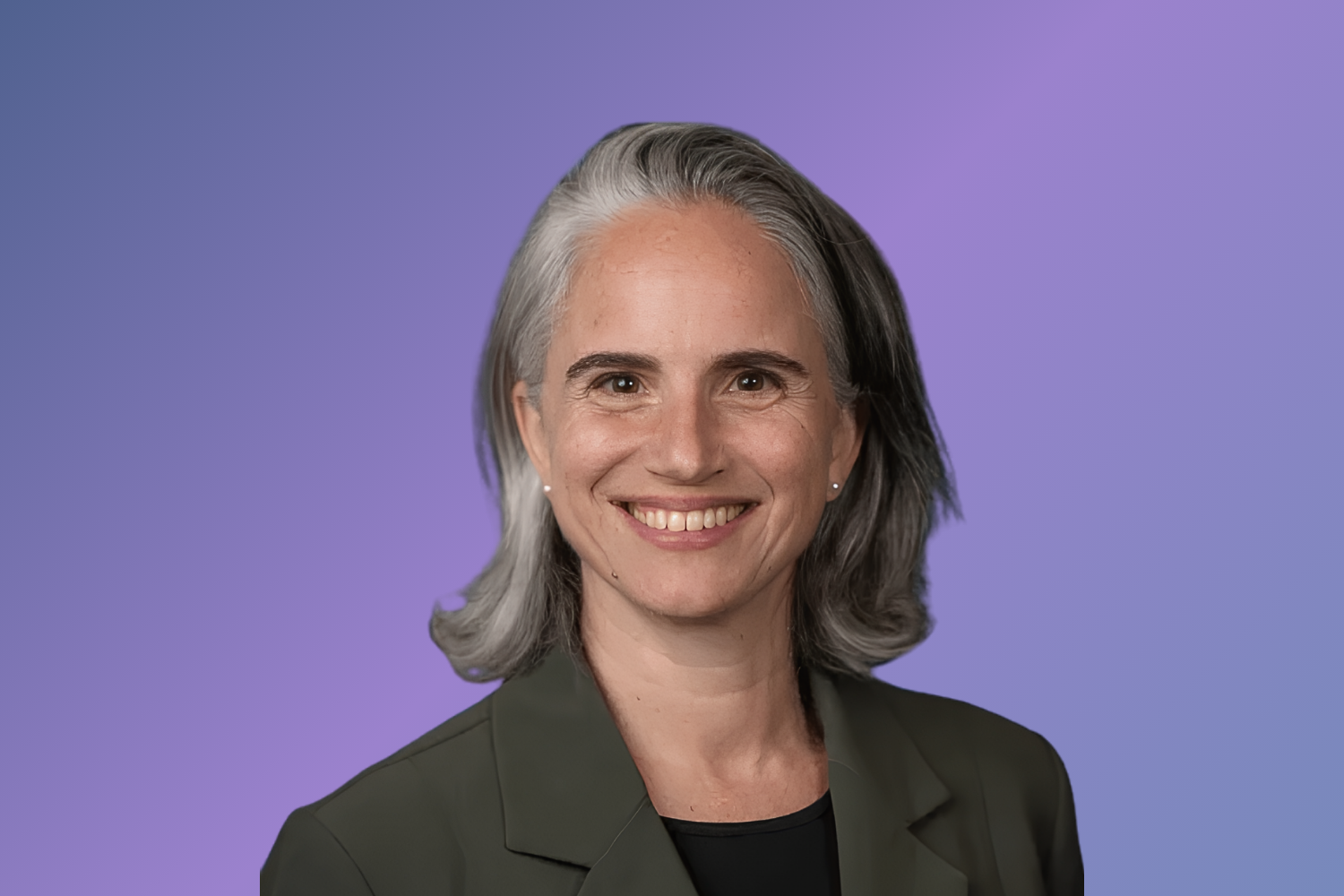
On Wednesday, September 30th, the Center held the first installment in our new Trust and Well-being Seminar Series, featuring Dr. Jodyn Platt.
This seminar series will explore the role of trust in promoting psychological, physical, and social well-being. At a time of declining trust in institutions, political polarization, fear-based public discourse, and rapidly changing technologies that shape how people encounter information and one another, the series will consider trust not only as an individual experience but also as a central feature of collective well-being. Through conversations with leading scholars and practitioners, we will examine how trust is defined and measured across diverse social and cultural contexts; how it functions across relationships, communities, institutions, and generations; and how it is built, maintained, broken, and repaired.
The series will also explore how social, political, commercial, and cultural factors shape trust, with particular attention to health equity and the histories of exclusion, discrimination, disinvestment, and institutional harm that influence whether communities feel able to trust systems. Together, we will consider how trust and trustworthiness can promote safety, belonging, resilience, civic participation, health-promoting behaviors, and flourishing while helping to build more connected, equitable, and resilient communities and systems.
Seminar Description
Trust is a complex system. It operates ecologically across relationships between individuals, communities, institutions, and networks. This seminar takes up health care in the U.S., where trustworthiness is a foundational principle as well as a longstanding question of authenticity and sustainability. Over the past decade, the accelerating use of health information technologies, including AI, has amplified those questions. In our national surveys and deliberations, most U.S. adults report low trust in health systems’ use of AI, and want notification they rarely receive. These attitudes align more closely with general trust in the health system than with beliefs about the technology itself, underscoring trust as a feature of an open system. We will consider how systemic trust relates to interpersonal trust, what trustworthiness requires when relationships are mediated by systems that remain opaque to the people they aim to serve, and how trust might be renegotiated rather than succumb to erosion.
Speaker Biography
Dr. Jodyn Platt serves as Associate Professor of Learning Health Sciences, University of Michigan Medical School, and Associate Professor of Health Management and Policy, University of Michigan School of Public Health. Her work explores how data and technology can be used responsibly to improve health while earning and sustaining public trust. Trained in medical sociology and health policy, she studies the ethical, social, and policy questions that arise as health systems become more data-driven and powered by artificial intelligence.
From 2021 to 2024, she served as the inaugural Senior Scholar in Residence with AcademyHealth and the ABIM Foundation. Dr. Platt works closely with patients, communities, and healthcare organizations to understand how people think about and experience data use in health and medicine. By combining diverse research methods and community insight, her goal is to turn evidence into actionable strategies that help make healthcare policy and practice more trustworthy, transparent, and inclusive.