A Conversation about Generative AI: What It Is, How It Works, and Why It Matters
The Office of Educational Programs, Office for Student Services, and Countway Library are partnering to present a four-part series on using AI tools.
A Conversation about Generative AI: What It Is, How It Works, and Why It Matters, led by Countway Library, will discuss applications and ethics of LLMs and the resources available to you at Harvard Chan.
Please bring a laptop or personal device to the workshop. Food and light refreshments will be provided. Students, staff, and faculty are all invited to join.
Speaker Information
Organizers
Health Interventions, Cluster Trials, and Epidemiology
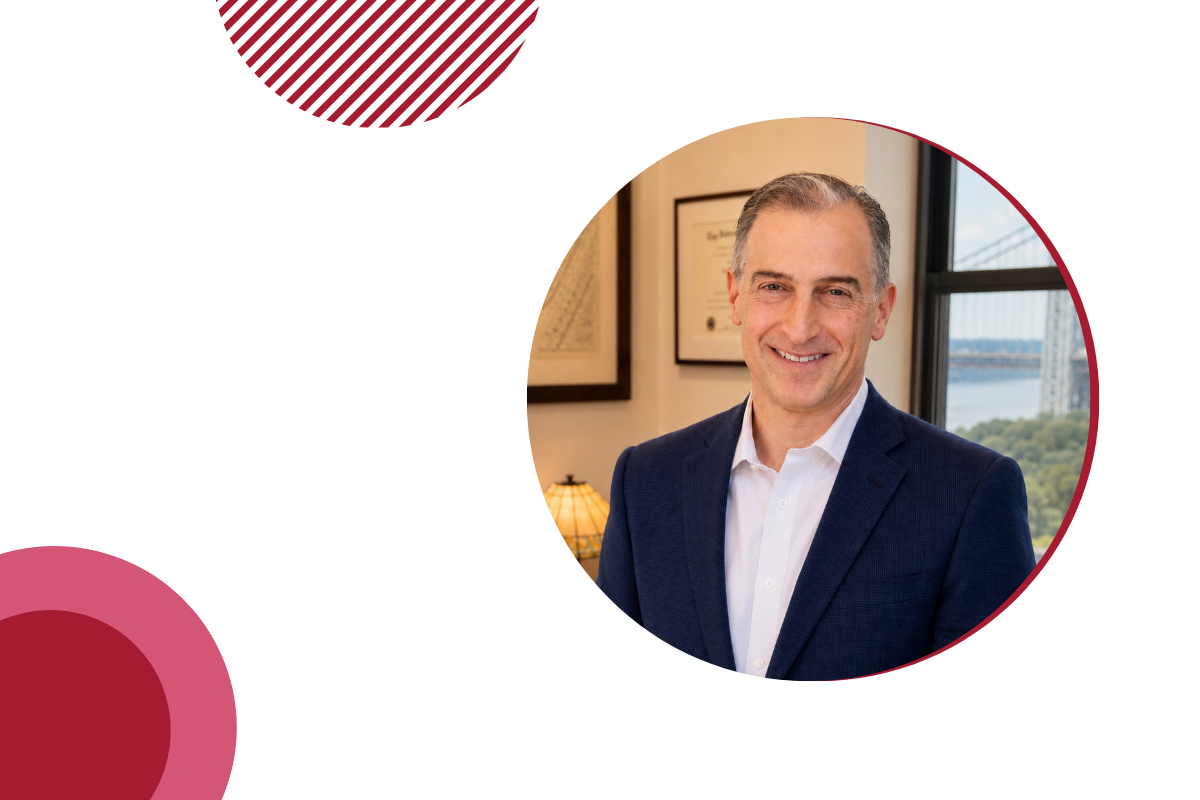
Join us on Wednesday, November 18th for the Department of Epidemiology seminar series featuring Dr. Charles Branas.
Abstract: This lecture explores how epidemiology can more fully embrace intervention science through pragmatic and cluster randomized trials. It reviews and questions key CRT design and analytic issues and uses place-based trials to show how community programs can be rigorously tested for effects on health and safety.
Bio: Charles Branas leads the Department of Epidemiology and a CDC Research Center as a Professor at Columbia University. His research extends from urban and rural areas in the US to communities across the globe, focusing on health interventions and human geography.
Speaker Information
Organizers
Related Events
Early-Onset Cancers: From Epidemiologic Challenges to Precision Prevention

Join us on Wednesday, October 21st for the Department of Epidemiology seminar series featuring Dr. Yin Cao.
Abstract: Cancers are increasingly being diagnosed among younger adults, raising urgent questions about the causes and implications of these generational trends. This seminar will discuss key challenges in identifying the drivers and underlying biological mechanisms of early-onset cancers and explore how closer integration of epidemiologic and mechanistic studies can advance etiologic discovery. It will conclude with opportunities to translate emerging insights into earlier detection and prevention for younger generations.
Bio: Yin Cao, ScD, MPH, is a Professor at Washington University in St. Louis. She is a molecular epidemiologist whose research focuses on the life-course determinants and prevention of early-onset cancers. Her recent work explores how population and mechanistic sciences can be brought together to advance cancer cause discovery. She co-leads an interdisciplinary Cancer Grand Challenges team focused on early-onset colorectal cancer. She received her ScD in Epidemiology from the Harvard T.H. Chan School of Public Health.
Speaker Information
Yin Cao, ScD, MPH
Organizers
Related Events
EcoOpportunity Green Team Meeting
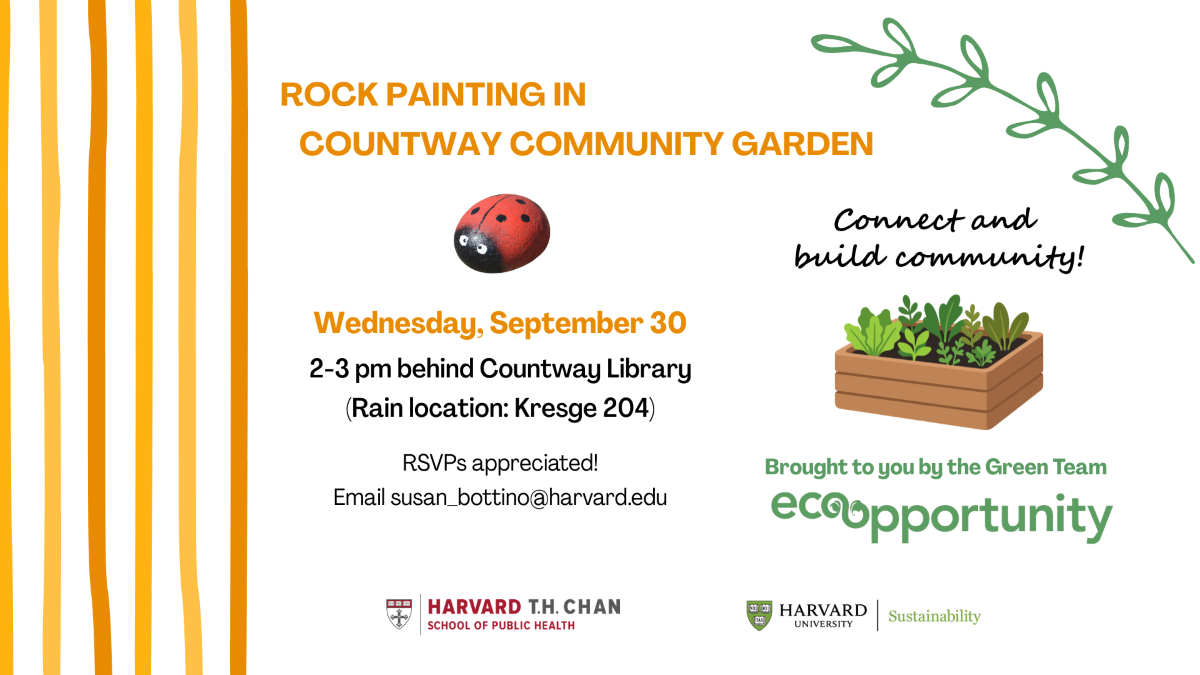
Rock Painting in Countway Community Garden: An Opportunity to Connect and Build Community. Wednesday, September 30, 2-3 pm behind Countway Library. (Rain location Kresge 204.)
Brought to you by the EcoOpportunity Green Team. Email susan_bottino@harvard.edu to RSVP.
Organizers
Power and Privilege in Public Health Research and Practice
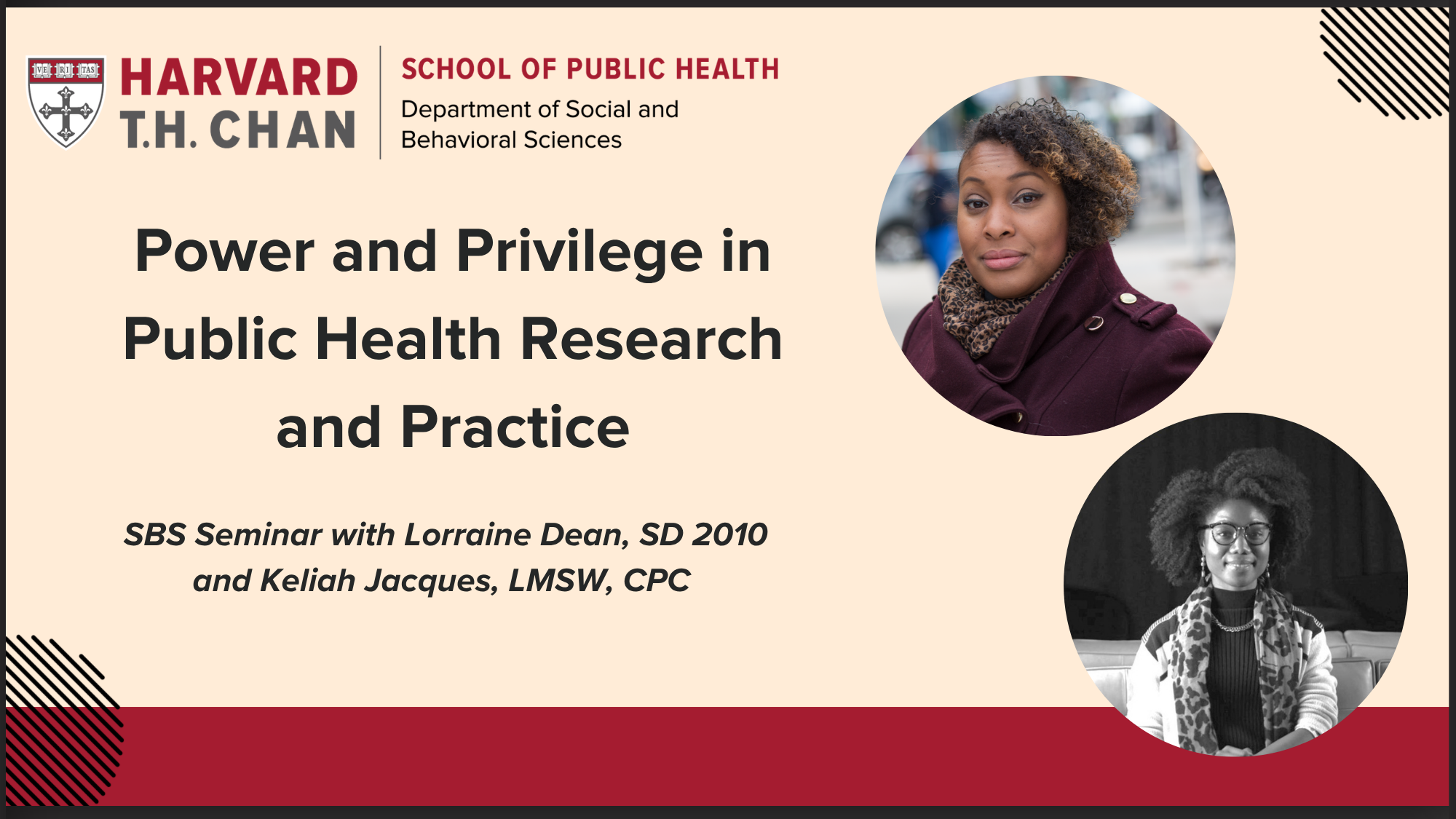
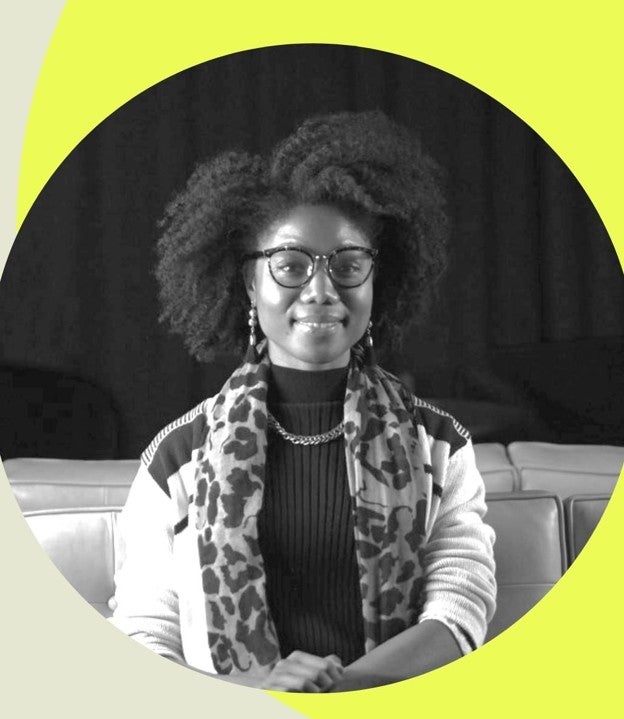
Please join the Department of Social and Behavioral Sciences for our first seminar of the academic year, Power and Privilege in Public Health Research and Practice. We will be joined by Lorraine Dean, ScD, and Keliah Jacques, MSW, who will discuss their newly released book, Power, Privilege and Public Health: Theory and Practice. Please click ‘Register Today’ to RSVP to the seminar.
Speaker Information
Lorraine Dean, SD 2010

Keilah A. Jacques, LMSW, CPC
Organizers
Immigrant Mental Health Matters: Lunch and learn
Join us in person for a conversation surrounding Partnerships for Community Mental Health and Immigrant Wellbeing initiative. We Will hear from MPH candidate, Paula Giraldo on her experience working with the Boston Mayor’s Office for Immigration Advancement. Lunch will be provided. HUID required.
Speaker Information
Organizers
Prompt, Run, Verify: Using LLMs for Data Analysis in Public Health
The Office of Educational Programs and Office for Student Services are partnering to present a four-part series on using AI tools.
The third workshop in this series, Prompt, Run, Verify: Using LLMs for Data Analysis in Public Health will be led by Dr. Heather Mattie, Faculty in the Department of Biostatistics.
Please bring a laptop or personal device to the workshop. Food and light refreshments will be provided. Students, staff, and faculty are all invited to join.
Organizers
Draping the Star Quilt: Lessons learned from partnering with Tribal communities to advance palliative care
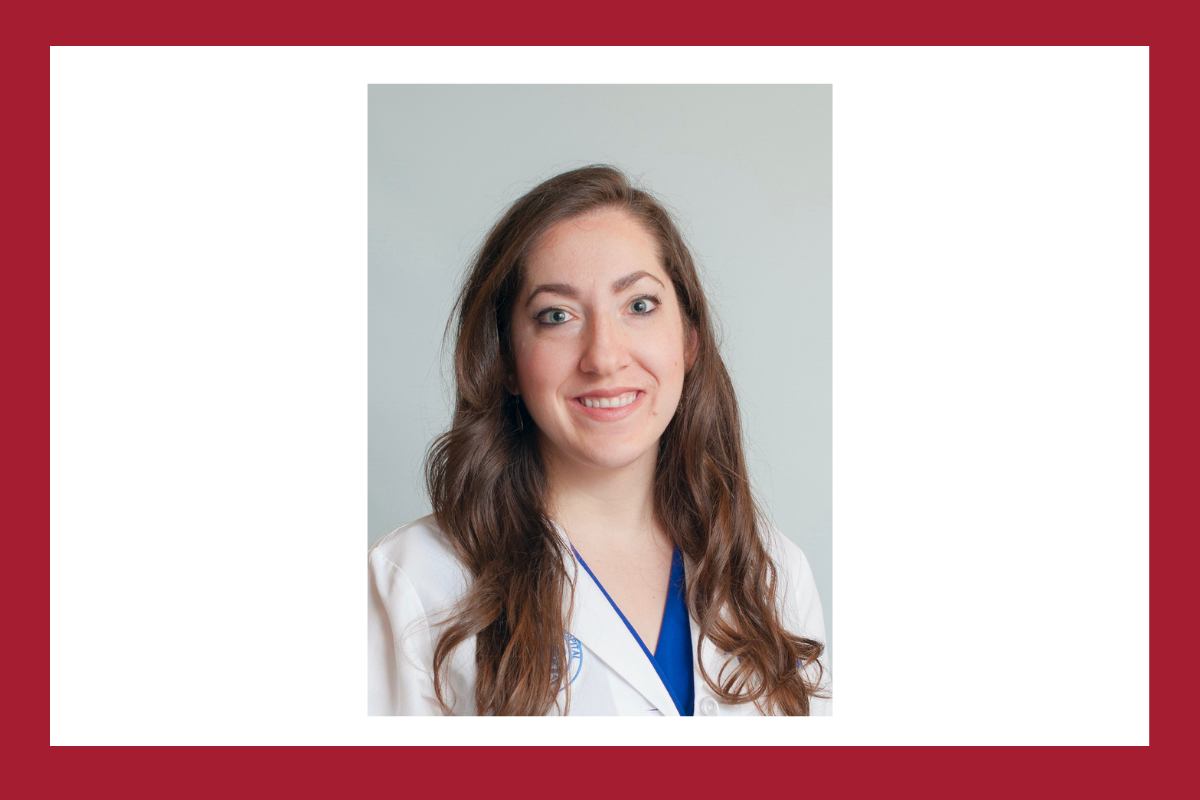
Join the Department of Global Health and Population for this Brown Bag Seminar featuring Bethany-Rose (BR) Daubman. BR will describe palliative care, discuss the need for this type of care for seriously ill patients across diverse settings, and highlight a Tribal-academic partnership to advance culturally responsive palliative care across reservation communities.
Please note that an HUID is required to attend this in-person event.
Speaker bio
Bethany-Rose (BR) Daubman, MD, is the director of fellowships at the Harvard Global Health Institute, co-director of the Massachusetts General Hospital Global Palliative Care Program, and an assistant professor of medicine at Harvard Medical School. As a physician and educator, her work is focused on developing culturally responsive educational interventions to relieve suffering for vulnerable populations within the U.S., globally, and through disaster response. She has partnered with local palliative care leaders to develop educational programs and expand services in countries such as Jamaica, Uganda, and Chile. In addition to her global partnerships, BR is also working to develop culturally responsible palliative care educational programming and clinical services for American Indian Tribal communities in South Dakota in collaboration with a Community Advisory Board of enrolled Tribal members.
Speaker Information
Organizers
Webinar: Potential Impacts of Upcoming Policy Changes on Immigrant Health
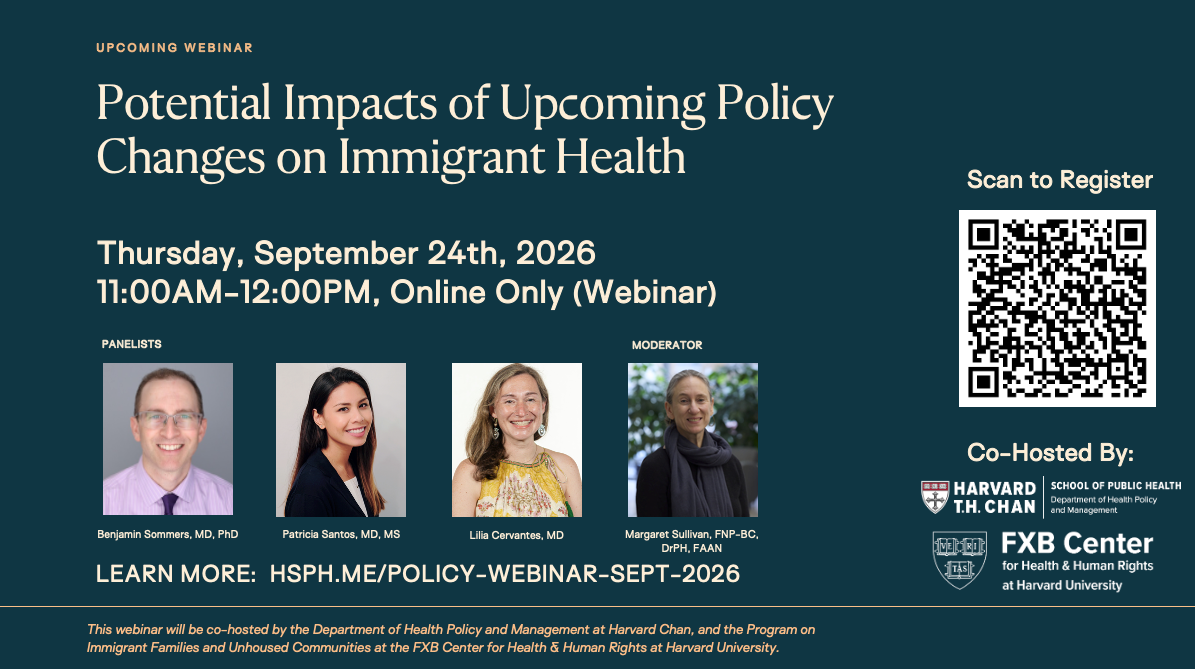
Join scholar-practitioners from three states to learn about how health policy changes may impact immigrant health in the US. This discussion-based panel will consider topics such as federal changes to Medicaid, the state-by-state variations of implementation, and implications of the new public charge rule. The discussion will conclude with opportunities for public health research and advocacy.
This webinar will be co-hosted by the Department of Health Policy and Management at Harvard Chan, and the Program on Immigrant Families and Unhoused Communities at the FXB Center for Health & Human Rights at Harvard University.
All speakers will share their own perspectives; they do not speak for Harvard.
Panelists
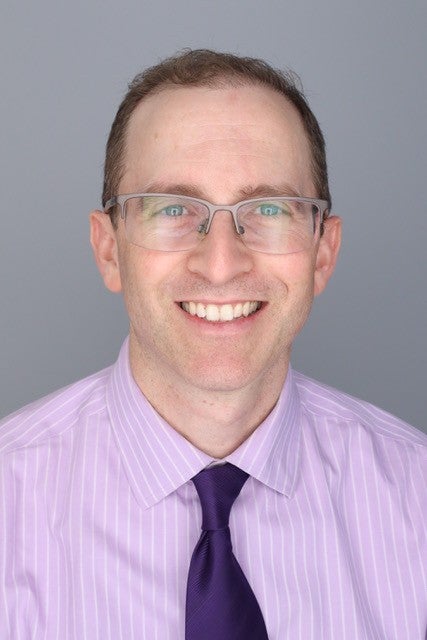
Benjamin Sommers, MD, PhD
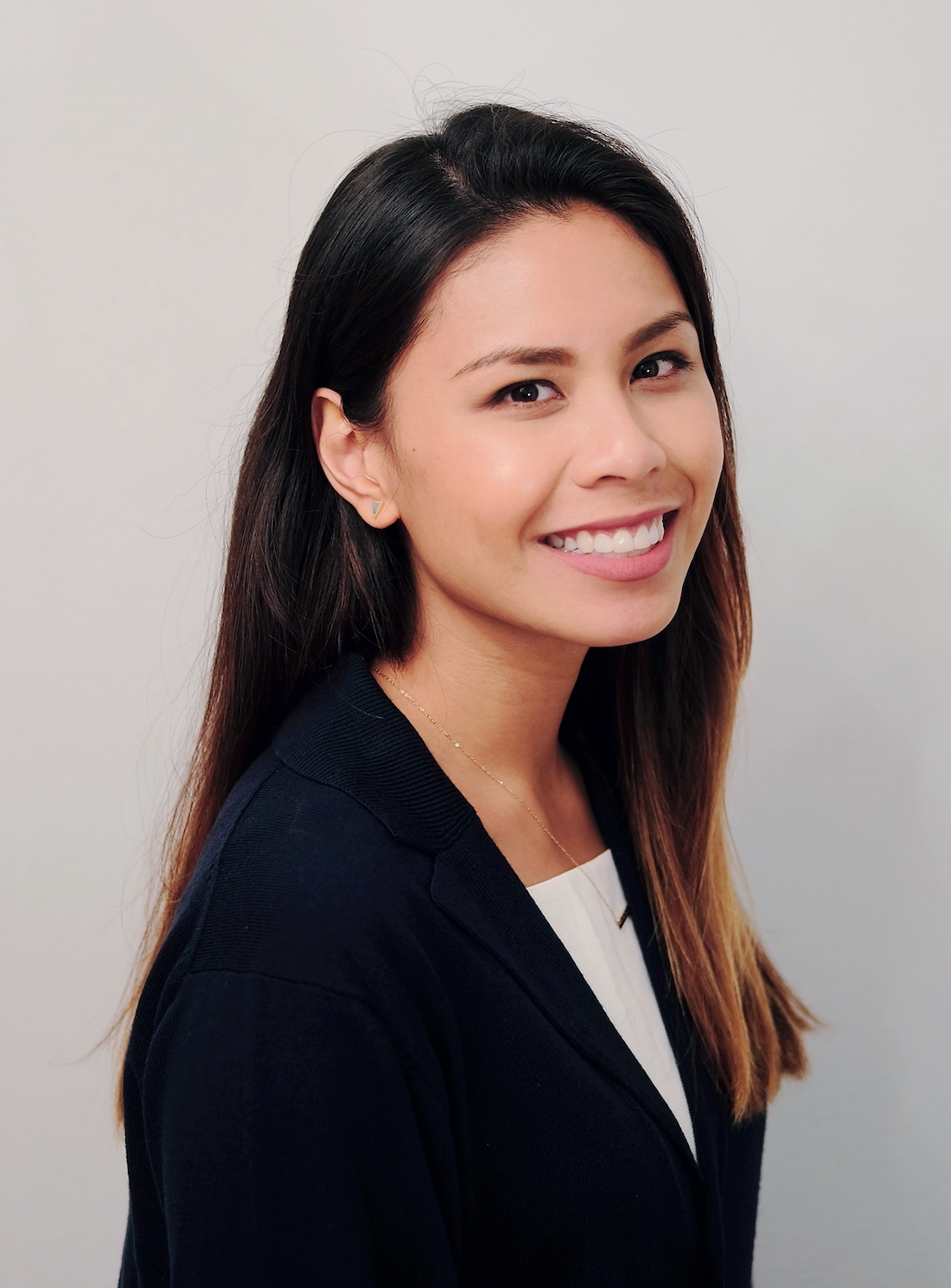
Patricia Santos, MD, MS
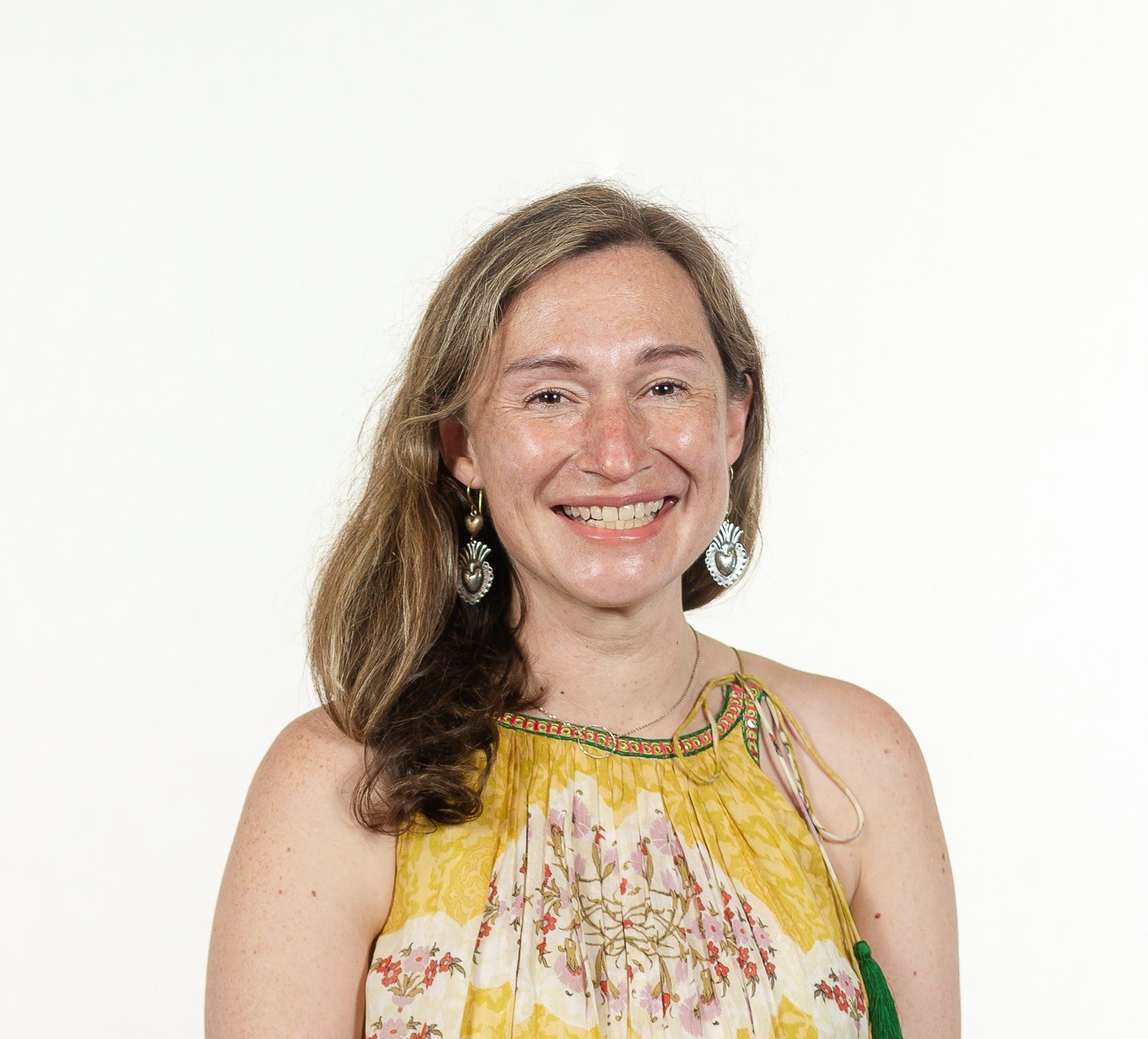
Lilia Cervantes, MD
Moderator
Margaret Sullivan, FNP-BC, DrPH, FAAN
IID Seminar Series – Philip Kranzusch
Title Talk
“Evolution of antiviral immunity“
This event is in person in FXB 301 and online.
Speaker Information
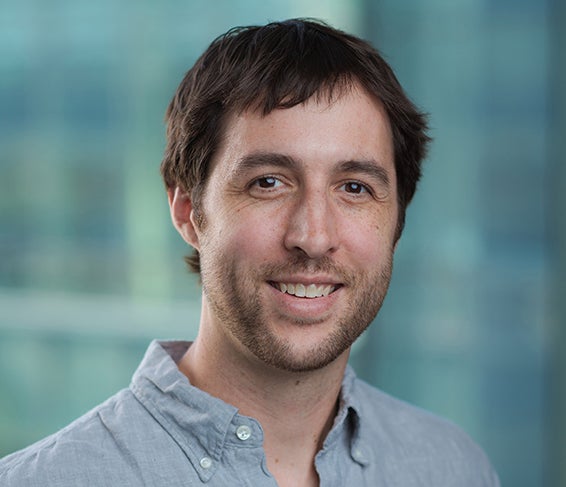
Principal Investigator, Cancer Immunology and Virology, Dana-Farber Cancer Institute
Our lab uses a structural and biochemical approach to understand how cells defend against viral infection. We discovered that major components of animal innate immunity are ancient, originating billions of years ago in bacteria as systems that defend against phage replication. I will present our unpublished results highlighting how the evolutionary connection with phage defense creates a new foundation to explain mechanisms of immune signaling in human cells.
For online attendance please register here:
Meeting ID: 915 6039 0900 password: 540202