March 4

When and How Best to Use Online Panels for  Epidemiologic Research 

Location
Kresge 502
677 Huntington Ave
Boston, Massachusetts 02115

Time

1:00 pm 1:50 pm

Event Type

From Around the School, Lectures/Seminars/Forums

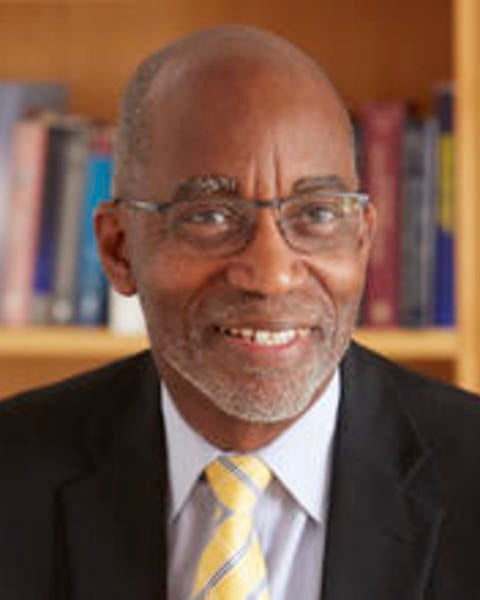
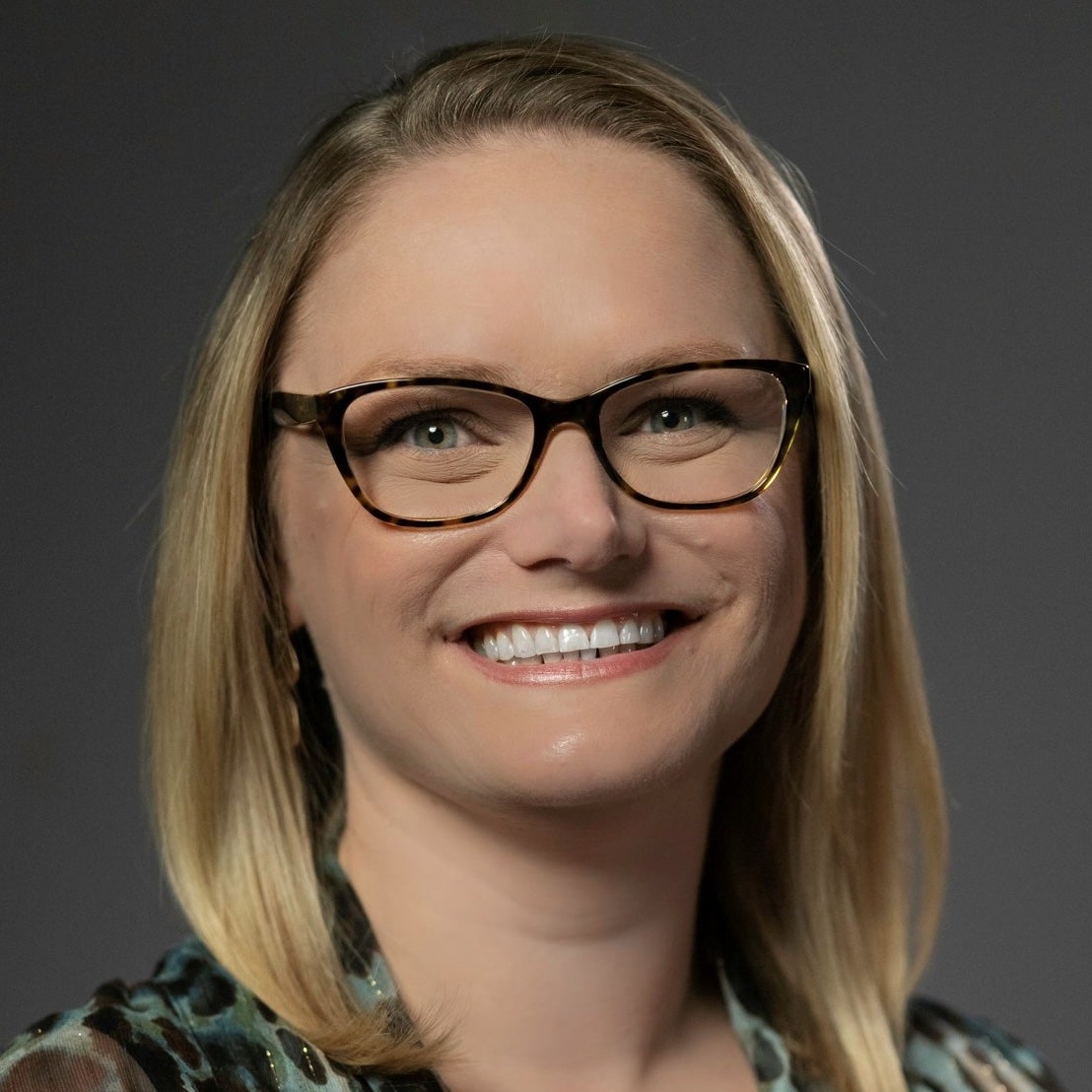
Join us on Wednesday, March 4th for the Department of Epidemiology seminar series featuring Dr. Ronald Kessler discussing When and How Best to Use Online Panels for Epidemiologic Research. 

Abstract: Recent years have seen a sea change in population survey methods, with online panels increasingly replacing traditional in-person and telephone surveys. A small number of vendors now offer “probability-based” online panels, in which households are recruited using probability sampling methods. The Census Bureau’s new Household Trends and Outlook Pulse Survey (HTOPS) is based on such a panel. However, most online panel providers rely on nonprobability, or “opt-in,” samples. Online panels can substantially reduce costs and shorten the time from data collection to results, addressing mounting challenges faced by traditional survey modes. At the same time, they raise important concerns about selection bias and generalizability. This is true even in probability-based panels, which typically have effective response rates in the range 2-5% (i.e., they fail to represent 95-98% of the population). Given that online panels are now a permanent feature of the research landscape, an important question is whether there is a viable middle ground between traditional probability samples and purely opt-in designs. This presentation reviews the approaches that have been proposed to find such a middle ground and describes a hybrid design now being implemented in the new round of the World Mental Health Surveys.

Bio: Ronald Kessler, Ph.D. is the McNeil Family Professor of Health Care Policy at Harvard Medical School. He is a psychiatric epidemiologist whose work involves implementing mental health needs assessment surveys, preventive interventions, and clinical interventions for mental disorders and suicide-related behaviors. His intervention work focuses largely on developing precision intervention rules to get the right interventions to the right patients. He is the Director of the World Mental Health Surveys, a cross-national series of community epidemiological surveys on prevalence and correlates of common mental disorders in 30 countries (https://www.hcp.med.harvard.edu/wmh/). He is also the Harvard Site PI of the Study of Risk and Resilience in Servicemembers (STARRS), a coordinated series of epidemiological and neurobiological studies of social determinants of suicide-related behaviors among US Army soldiers and veterans (https://www.starrs-ls.org/), and of a series of pragmatic trials based on STARRS designed to reduce soldier suicide-related behaviors. Dr. Kessler is the author of over 1000 publications and has for many years been rated the most widely cited researcher in the field of psychiatry according to the Science-wide Author Databases of Standardized Citation Indicators. He is a member of the US National Academy of Sciences, the US National Academy of Medicine, and the American Academy of Arts and Sciences. He earned his Ph.D. in Sociology from New York University, completed a postdoctoral fellowship in psychiatric epidemiology at the University of Wisconsin, and was on the faculty at the University of Michigan before taking his current position at Harvard Medical School in 1995. 

Speaker Information

February 5

Better Research IV: Share and Publish Data with Open Science Framework

Time

12:30 pm 2:00 pm

Event Type

From Around the School, Trainings and Workshops

What: An in-depth look at advanced features of Open Science Framework and how to integrate them into your research process for sharing and publishing research data. This session is a follow up to “Research Management: Data Organization and Sharing in Open Science Framework.”

Why: Using reputable and compliant tools for research management and data sharing supports reproducible practices, collaboration, and transparent research. Open Science Framework is a NIH-recognized generalist repository, is supported by Harvard Library, and is a popular choice for sharing research products throughout the research data lifecycle.

How: This is a free 1.5-hour online workshop, consisting of lecture, hands-on activity, and discussion. This class will focus on using the free platform Open Science Framework to collaborate, manage, and share your documents, datasets, and research projects. The webinar recording will be shared with all who register.

Where: Online via Zoom (link provided upon registration).

Who: This seminar is open to faculty, research staff, postdoctoral researchers, and students from all disciplines. If you were unable to attend the previous workshop in December, where we provided an introduction to OSF, you are welcome and encouraged to attend this webinar anyway.

Join your peers to meet new people and learn new skills in a welcoming and encouraging environment!

Speaker Information

January 28

EcoOpportunity Green Team Meeting

Location
Kresge Room 205
677 Huntington Avenue
Boston, Massachusetts 02115

Event Type

2:00 pm 3:00 pm

Sustainable Farming and Local Food to Promote Resilience and Community Health
Presented by Jennifer Hashley, Director, New Entry Sustainable Farming Project at Tufts University Friedman School of Nutrition

Also available by Zoom. For more information, email susan_bottino@harvard.edu

February 5

Harvard Pop Center Social Demography Seminar: “Can a voice channel improve retention and worker well-being? Evidence from a cluster-randomized trial in U.S. fulfillment centers”

SDS logo and headshot of speaker Erin Kelly
Location
HCPDS, 9 Bow Street, Cambridge, MA, and Online via Zoom

Event Type

12:00 pm 1:15 pm

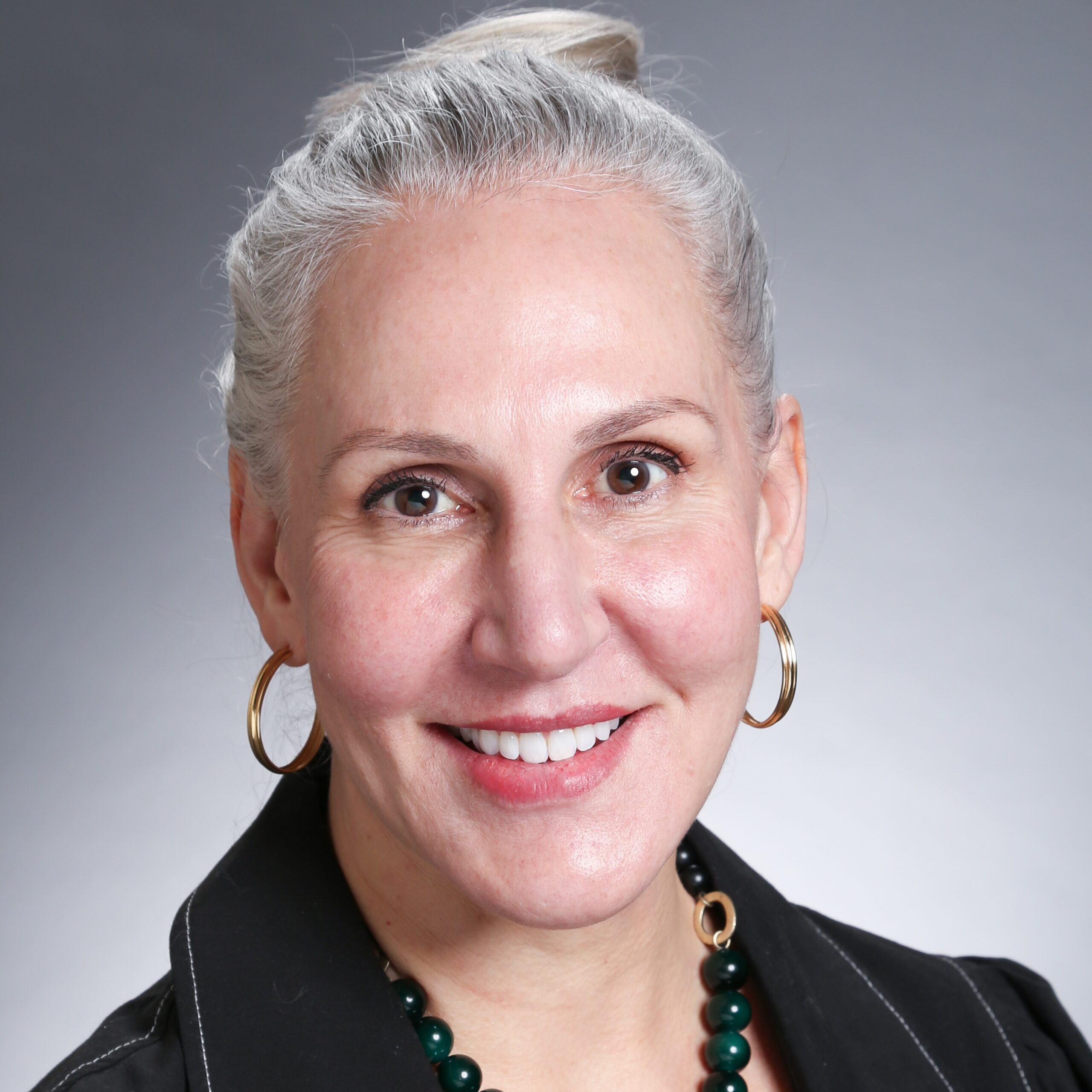
Erin Kelly, PhD, Sloan Distinguished Professor of Work and Organization Studies, MIT Sloan School of Management, presents “Can a voice channel improve retention and worker well-being? Evidence from a cluster-randomized trial in U.S. fulfillment centers.”

The Social Demography Seminar (SDS) series at the Harvard Center for Population and Development Studies provides a lively forum for scholars from across the university to discuss in-progress social scientific and population research. Social demography includes work that uses demographic methods to describe and explain the distribution of social goods across populations. The hybrid series offers presentations on a wide variety of topics such as family, gender, race/ethnicity, population health—including mortality, morbidity, and functional health—inequality, immigration, fertility, and the institutional arrangements that shape and respond to population processes.

Speaker Information

February 11

The Samuel L. and Elizabeth Jodidi Lecture with Atul Gawande

Location
Tsai Auditorium (S010)
1730 Cambridge Street
Cambridge, Massachusetts 02138

Event Type

4:30 pm 6:00 pm

The Mechanics of Public Man-Made Death: USAID’s Destruction At One Year

The Trump Administration’s abrupt dismantling of the US Agency for International Development (USAID) has triggered a wave of already hundreds of thousands of deaths, mostly of children, around the world. Atul Gawande—former leader of global health at the agency—draws on data, historical parallels, and on-the-ground fact-finding to reveal how gains against malnutrition, infectious disease, and child mortality are being rapidly reversed. Gawande argues that this is a case of “public man-made death,” and calls for accountability and renewed commitment to lifesaving global health efforts.

This event is open to the public and will be recorded. Please plan on being seated by 4:15 p.m. as the event will start promptly at 4:30 p.m. Please register in advance to attend.

Speaker Biography

Atul Gawande, MD, MPH, is a renowned surgeon, author, and public health innovator. He holds the John and Cyndy Fish Chair in Surgery at Brigham and Women’s Hospital and is the Samuel O. Thier Professor of the Practice of Surgery at Harvard Medical School. He was Assistant Administrator for Global Health at USAID from January 2022 to January 2025. Prior to that, he cofounded and chaired Ariadne Labs, a joint center for health systems innovation where he is now Distinguished Professor in Residence, and Lifebox, a nonprofit organization making surgery safer globally. From 2018–2020, he was CEO of Haven, the Amazon, Berkshire Hathaway, and JPMorgan Chase healthcare venture.

Dr. Gawande is also a longtime writer for The New Yorker magazine and has written four New York Times bestselling books: Complications, Better, The Checklist Manifesto, and Being Mortal. He is a member of the National Academy of Medicine and has won two National Magazine Awards, AcademyHealth’s Impact Award for highest research impact on healthcare, and a MacArthur Fellowship. And he is executive producer for three documentary films: the Emmy-nominated adaptation Being Mortal (2016), the Oscar-nominated film To Kill A Tiger (2024), and The New Yorker film Rovina’s Choice (2025).

For more event information contact Sarah Banse: sarahbanse@wcfia.harvard.edu

Speaker Information

Chair

February 12

Brown Bag Seminar: Economic inequality and violent mortality: Evidence from Ecuador

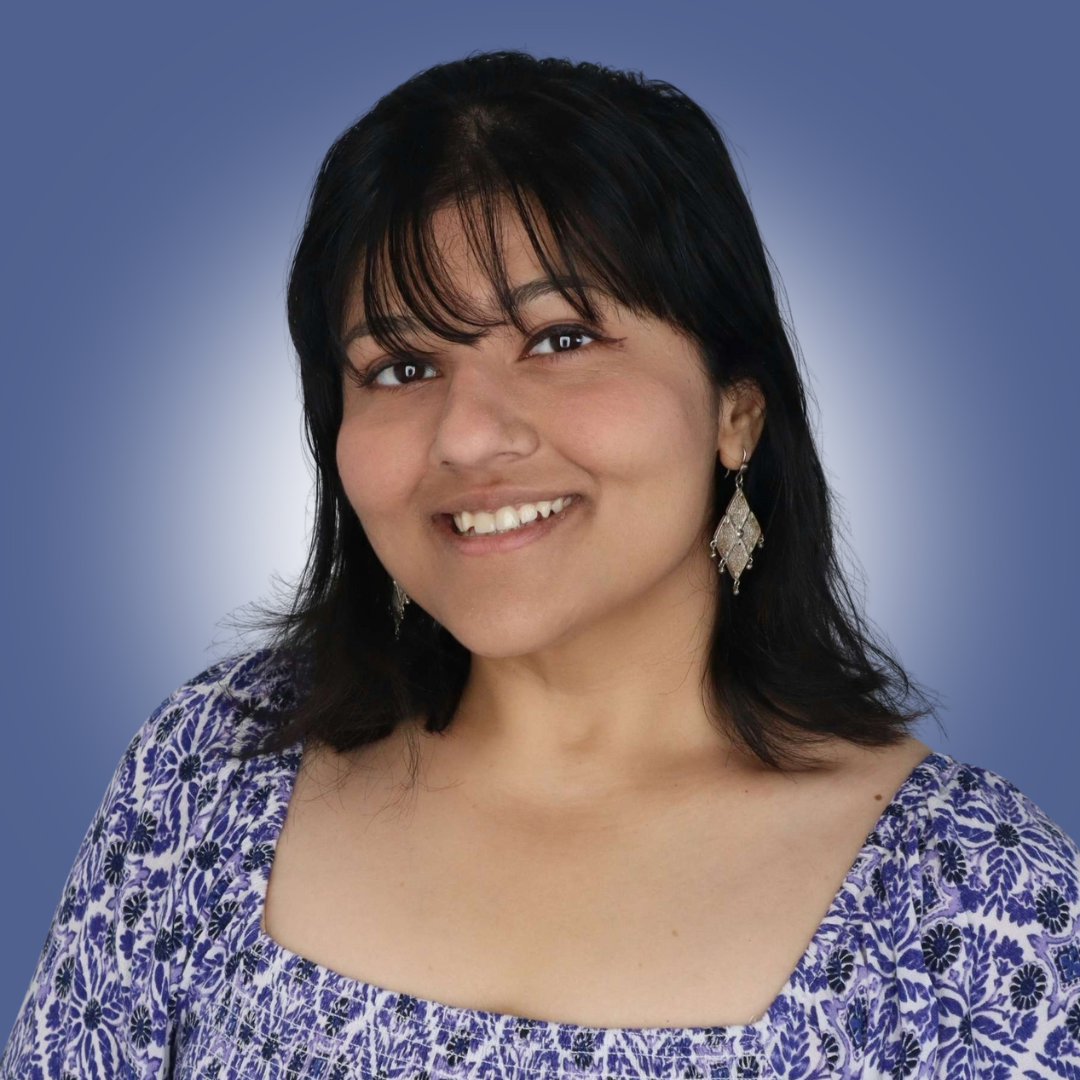
Omar Galarraga.
Location
Building 1, Room 1208
665 Huntington Ave.
Boston, Massachussetts 02115

Event Time

1:00 pm 2:00 pm

Omar Galárraga, PhD, is a health economist and tenured professor of health services, policy and practice at the Brown University School of Public Health. He currently serves as the director of the Center for Global Public Health (CGPH) at Brown. Galárraga’s research applies principles from health and behavioral economics to improve public health outcomes, with a specific focus on: (a) HIV prevention and treatment: designing and evaluating economic-based interventions, such as conditional economic incentives to improve adherence to antiretroviral therapy and reduce risk behaviors; (b) Health systems: analyzing health systems reform and insurance expansion in low- and middle-income countries; and (c) Applied econometrics: utilizing rigorous experimental and non-experimental methods to evaluate health interventions. He conducts research globally, collaborating with partners in Ecuador, Ghana, Kenya, Mexico, South Africa, and the United States. He is the former director of the doctoral program in health services research at Brown and was an appointed member of the Office of AIDS Research Advisory Council (OARAC) from 2021 to 2024. Currently, he is a standing member of the NIH Science of Implementation in Health and Healthcare (SIHH) study section, and an associate editor for the journal Health Economics. Galárraga has authored over 150 publications in leading health economics and public health journals.

Speaker Information

February 5

Brown Bag Seminar: Climate anxiety and disaster preparedness

Vincenzo Bollettino.
Location
Building 1, Room 1208
665 Huntington Ave.
Boston, Massachussetts 02115

Event Time

1:00 pm 2:00 pm

Vincenzo Bollettino is the director of the Program on Resilient Communities at the Harvard Humanitarian Initiative and senior research associate with the Harvard T.H. Chan School of Public Health. His research and professional experience include disaster resilience, humanitarian action, civil-military engagement in emergencies, and humanitarian leadership. He has spent the past 23 years of his career at Harvard University in administration, teaching, and research. His current research focuses on climate change and disaster preparedness, humanitarian leadership, and civil-military engagement during humanitarian emergencies.

Bollettino has taught courses on research design, peace-building, and international politics at the Harvard Extension School and is the author of publications related to disaster preparedness, climate change, humanitarian civil-military coordination, and humanitarian leadership.

He currently serves as an advisory committee member of the MSF Speaking Out Case Studies and is a member of the Technical Advisory Committee for Americares. He is a former board member of ELRHA (Enhancing Learning and Research for Humanitarian Assistance) and former president of the ACF (Action Against Hunger) International Scientific Council.

Speaker Information

February 25

What If … Public Health Had to Be Built From  Scratch? Revisiting 19th-Century Debates

Location
Virtual

Time

1:00 pm 1:50 pm

Event Type

From Around the School, Lectures/Seminars/Forums

Join us on Wednesday, February 25th for the Department of Epidemiology seminar series featuring Dr. Alfredo Morabia discussing What If … Public Health Had to Be Built From Scratch? Revisiting 19th-Century Debates. 

Abstract: What would public health look like if it had to be invented today, without assuming the institutions, divisions, and categories we inherited? This lecture revisits the formative debates of the 19th century, when scientific public health first took shape. By examining the tensions between competing visions, particularly between approaches centered on specific causes of disease and those focused on the broader conditions of life, I show that public health emerged not as a single, inevitable model but as the outcome of choices. Situating epidemiology and the early schools of public health within these debates, I argue that some options were abandoned rather than disproven. Revisiting these debates allows us to think more clearly about what public health could be today, not by returning to the past, but by recovering the range of possibilities that once existed.

Bio: Alfredo Morabia is a Professor of Epidemiology at the Barry Commoner Center for Health and the Environment, Queens College, CUNY and a Professor of Clinical Epidemiology at the Department of Epidemiology, Columbia Mailman School of Public Health. As Principal Investigator of the World Trade Center-Heart cohort study, funded by NIOSH, he examines the long-term cardiovascular effects of 9/11 on first responders. A historian of epidemiology, he explores the evolution of methods and concepts used to study and improve population health. His last book, The Public Health Approach: Population Thinking from the Black Death to COVID-19 (2023), traces the evolution of public health methods from past pandemics to modern crises. He has been Editor-in-Chief of the American Journal of Public Health from June 2015 to June 2025. 

Speaker Information

February 11

Quantitative Bias Analysis: The Good, the Bad, and the Ugly

Location
Virtual

Time

1:00 pm 1:50 pm

Event Type

From Around the School, Lectures/Seminars/Forums

Join us on Wednesday, February 11th for a Department of Epidemiology seminar featuring Dr. Timothy Lash discussing Quantitative Bias Analysis: The Good, the Bad, and the Ugly. 

Abstract: Quantitative bias analysis encompasses all methods used to estimate the direction, magnitude, and uncertainty from non-randomized research. Many of these methods have been well known for decades, but are still not routinely implemented. This talk will review the methods, their utility, where there are shortcomings, and how they are sometimes used (intentionally or unintentionally) against their best purposes. 

Bio: Timothy L. Lash is the O. Wayne Rollins Distinguished Professor of Epidemiology and Chair of the Department of Epidemiology at Emory University’s Rollins School of Public Health, and Associate Director of Population Science at Emory’s Winship Cancer Institute. His research focuses on predictive and prognostic markers of breast, prostate, and colorectal cancer recurrence. His longstanding collaborations in Denmark have involved multiple projects to study molecular markers of recurrence and to study whether concomitant use of prescription drugs affect recurrence risk. He is currently funded by the US NCI to begin adding recurrence data to the Georgia Cancer Registry. Dr. Lash’s methodological interest focuses on developing and implementing methods to quantify the influence of systematic errors on epidemiologic research. Funding from the National Library of Medicine supports his work to develop methods that quantify the influence of systematic errors on the reproducibility of epidemiologic study results. He teaches a course on quantitative bias analysis and leads the doctoral students’ journal club. He is Editor-in-Chief of EPIDEMIOLOGY, a leading general interest epidemiology journal, and coauthor of multiple editions of two epidemiology textbooks: Applying Quantitative Bias Analysis to Epidemiologic Research, 2nd edition and Modern Epidemiology, 4th edition. 

Speaker Information

January 21

Art@Countway Exhibition Closing Ceremony: Call & Response

Five photos of artwork from the "Call and Response" exhibit, including three paintings, one multimedia embroidered panel, and one clothing display.
Location
Countway Library, Room 102

Time

6:00 pm 7:30 pm

Event Type

From Around the School, Lectures/Seminars/Forums

As the art exhibition “Call and Response: A Narrative of Reverence to our Foremothers in Gynecology” comes to a close at Countway Library, we invite you to celebrate the show’s impact with artists, organizers, and fellow community members.

This multimedia art exhibition, developed by the Resilient Sisterhood Project, sheds light on the exploitation of enslaved Black women in the origins of modern gynecology and its enduring implications for public health. Centering the lives of Anarcha, Betsey, and Lucy, three women subjected to repeated experimental surgeries by Dr. J. Marion Sims in the 1840s, the exhibition’s powerful narrative inspires us to unearth history, confront the present, and imagine a more just future for reproductive health.

We are committed to making this event accessible to all participants. The space is wheelchair accessible, microphones will be used for speakers, and assistive listening devices are available for use. Please reach out to countwayoutreach@hms.harvard.edu if you have any accessibility needs or questions.

Please register in advance here.

Speaker Information