COP30 Gives Cause for Cautious Climate Optimism

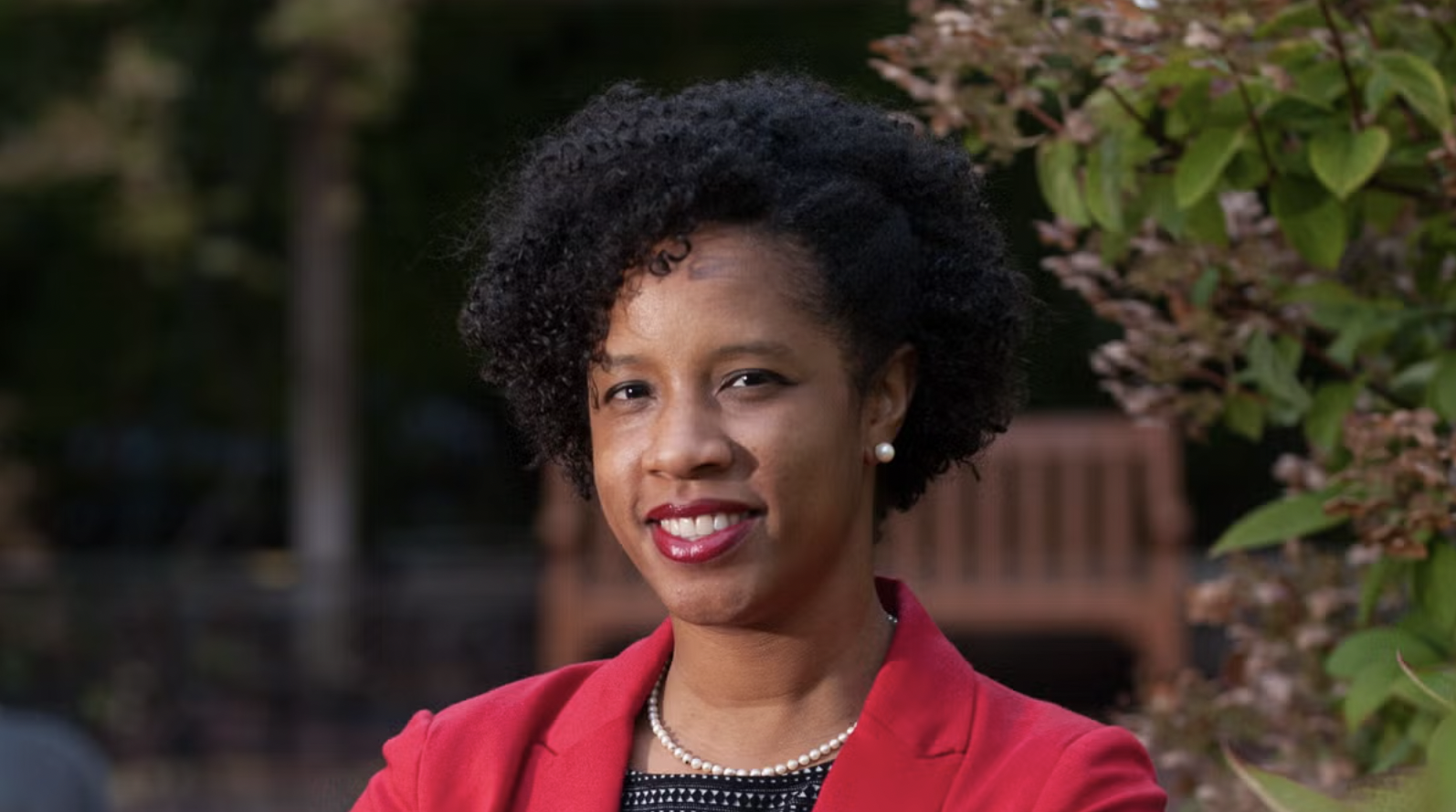
Mary B. Rice, Director of the Center for Climate, Health, and the Global Environment at Harvard Chan School (Harvard Chan C-CHANGE) recently returned from a trip to the UN Climate Change Conference, COP30, in Belém, Brazil, where she spoke on two panels.
Dr. Rice shared her perspectives on the conference on LinkedIn writing, “While the U.S. is sitting out of this year’s negotiations and global climate pledges are falling short, progress is taking hold from the bottom up.” Dr. Rice shared, “That’s why scientists and health professionals must keep showing up at COP and everywhere decisions are made about climate mitigation and adaptation, even at the most local level, to relay the message that climate solutions are health solutions.”
Dr. Rice was among a small delegation of 10 Harvard students and several faculty who attended COP30, this year, as covered in the Harvard Crimson.
Fossil fuel pollution is just like secondhand smoke, as it causes immediate and long-term injury to the respiratory, cardiovascular, and neurologic systems. Vested interests may try to convince us otherwise, but reducing our reliance on fossil fuels cleans up the air and ushers in immediate health benefits for people of all ages.
While the United States government did not officially participate in COP30, many local and state legislators were part of the conversations held at this year’s event, including California Governor Gavin Newsom, and Nylah Oliver, Director of Sustainability for the City of Savannah, Georgia. One panel, America is All In, featured experts from across the US to discuss creative and action-oriented approaches to climate mitigation in the US. Dr. Rice was among those experts, and emphasized that there is reason for hope when it comes fighting climate change.
Dr. Rice compared the local efforts to mitigate climate impacts to the grassroots efforts that were once used to eliminate tobacco smoke in public places. “Cities are redesigning streets to cut traffic pollution, communities are transitioning away from fossil fuels, and public–private partnerships are improving access to healthy, sustainable food. What these interventions share is that they’re all driven by local leadership,” said Dr. Rice.
“We experienced something similar with tobacco smoke,” explained Dr. Rice. “For decades, powerful interests clouded the science, and people doubted the harm of smoking. But as evidence became impossible to ignore, it was local action—city by city, state by state—that led to nationwide indoor smoking bans. Fossil fuel pollution is just like secondhand smoke, as it causes immediate and long-term injury to the respiratory, cardiovascular, and neurologic systems. Vested interests may try to convince us otherwise, but reducing our reliance on fossil fuels cleans up the air and ushers in immediate health benefits for people of all ages”
“We did it with tobacco smoke. We can do it again with fossil fuel pollution—city by city, community by community,” said Dr. Rice.
Read more about Dr. Rice and Harvard’s participation at COP30 in the Austin Chronicle and the Harvard Crimson.