Harvard Chan community and connection to Olympic Games

From summer sports to winter sports, and athletes to fitness researchers, the Harvard Chan community has strong ties to the Olympics. Brooke Forde, a project coordinator and Olympic swimmer; Roz Groenewoud, MPH ’27, public health student, cardiac surgery resident, and Olympic freestyle skier; and the late Ralph Paffenbarger Jr., who was honored with the first International Olympic Committee prize for sport science in the mid-90s, reflect the diverse ways the Harvard Chan community advances health and human potential.
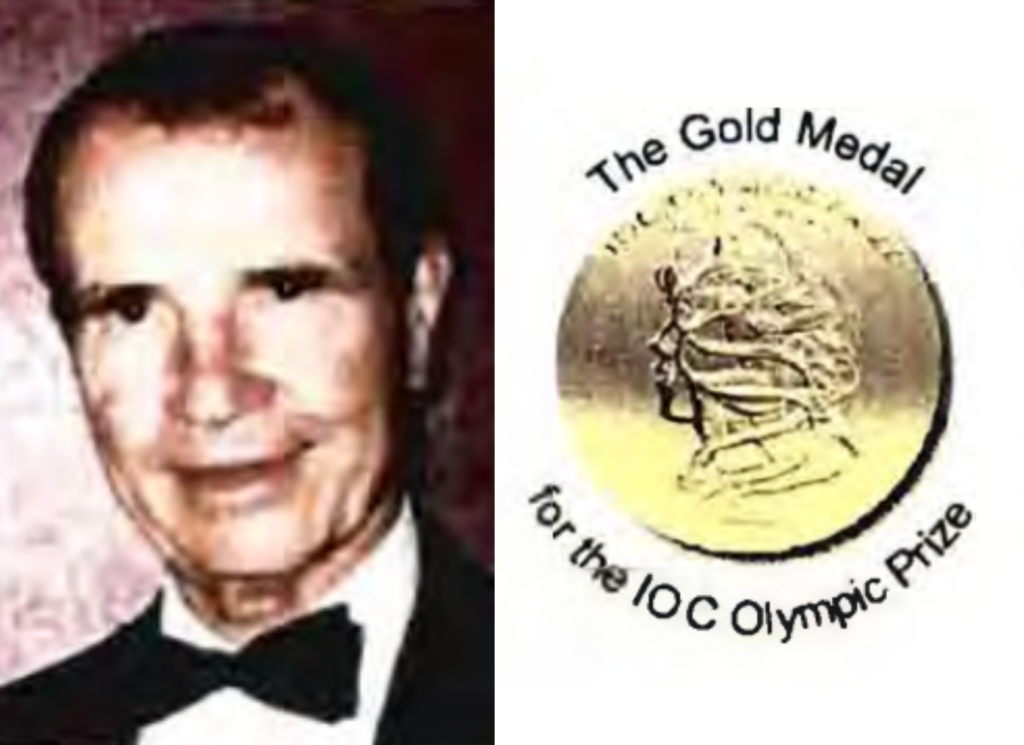
Ralph Paffenbarger
The first Olympic medal of the 1996 Atlanta Olympic Games did go not to competitors of the athletic events, but to former adjunct professor of epidemiology at the School, the late Ralph Paffenbarger Jr., who was awarded the first-ever International Olympic Committee prize for sport science. Paffenbarger received the deeply coveted and highest honor granted in the field of movement, exercise, and fitness, for leading the College Alumni Health Study. The ongoing study involves nearly 17,000 males who attended Harvard and completed extensive questionnaires about their health status, exercise habits, and other personal and life-style characteristics in the 1960’s. Through his life’s work, Paffenbarger was able to conclude that “exercise has an enormous impact on the quality of life.”

Rosalind Groenewoud, MPH ’27
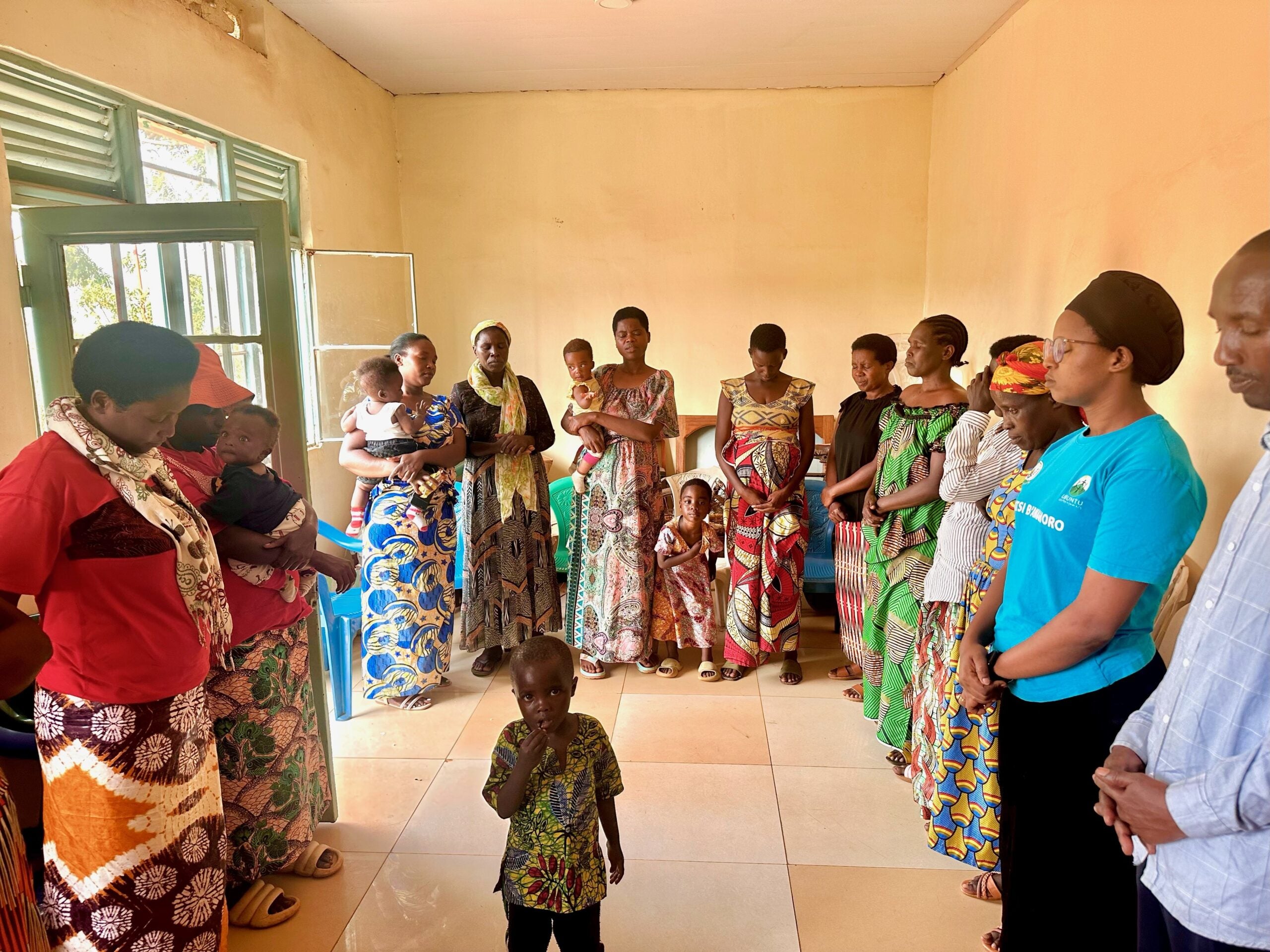
From a young age, physical activity and public health have played significant roles in Rosalind “Roz” Groenewoud’s (MPH ’27) life. In 2011, the current Harvard Chan student, cardiac surgery resident, and two-time Olympian—who went to the Games in Sochi in 2014 and PyeongChang in 2018—went to Rwanda as a Right To Play ambassador, where she played a version of tag that reinforced the importance of mosquito nets with elementary school children and participated in capture-the-flag-style games that taught safe sexual health practices to teenagers. “I think that play and sport have the capacity to contribute to public health in more ways than most people realize,” she says about the experience. Today, as Groenewoud progresses through her cardiac surgery training, she says “I am increasingly focused on encouraging people around me to be more active as I see the very negative effects of sedentary lives every day. Plus, active people recover quicker from surgery!”
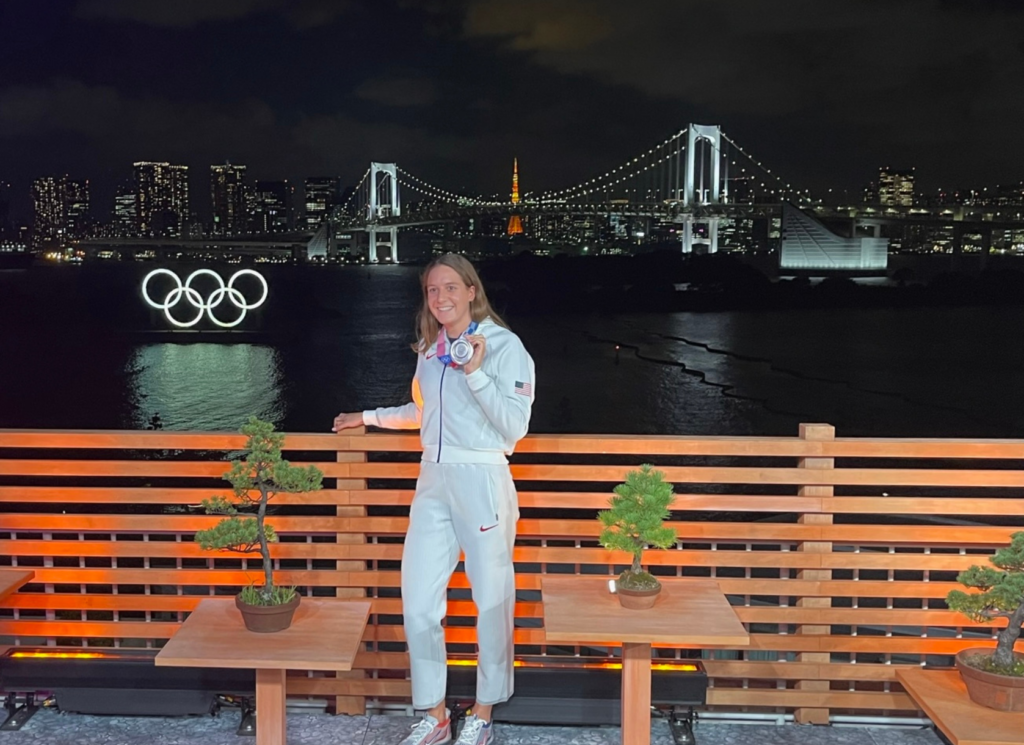
Brooke Forde
Brooke Forde, Olympic silver medalist in the 2021 Games in Tokyo and project coordinator at Harvard Chan School, grew up in a home that emphasized staying active—her mother taught her how to swim at just three months old, and eventually the sport, her mother’s favorite form of exercise, brought Forde to the world’s biggest stage. “It followed very naturally that staying active and healthy as kids later turned into a love of sports and competition for me,” she said. “Things like daily exercise and healthy nutrition were innate to me, and it was eye-opening to realize these aren’t common knowledge in many places where sports aren’t a part of everyday culture,” she said reflecting on her time in Peru for PeaceCorps fieldwork. This experience nurtured her interested in epidemiology, “to better understand trends in health habits and diseases around the world, and how these might be connected to cultural practices, local environment or other factors.”