Nutrition, Harvard T.H. Chan School of Public Health
Departments
Department of Epidemiology
Department of Nutrition
Other Positions
Faculty Affiliate in the Department of Epidemiology
Epidemiology, Harvard T.H. Chan School of Public Health
Biography
Dr. Kjetil Bjornevik is an Assistant Professor of Epidemiology and Nutrition at the Harvard T.H. Chan School of Public Health, where he directs the Neuroepidemiology Program and teaches EPI284 (Neuroepidemiology). As an epidemiologist, his research is driven by a fundamental goal: to transform how we approach neurodegenerative diseases by shifting from managing illness to preventing disease onset.
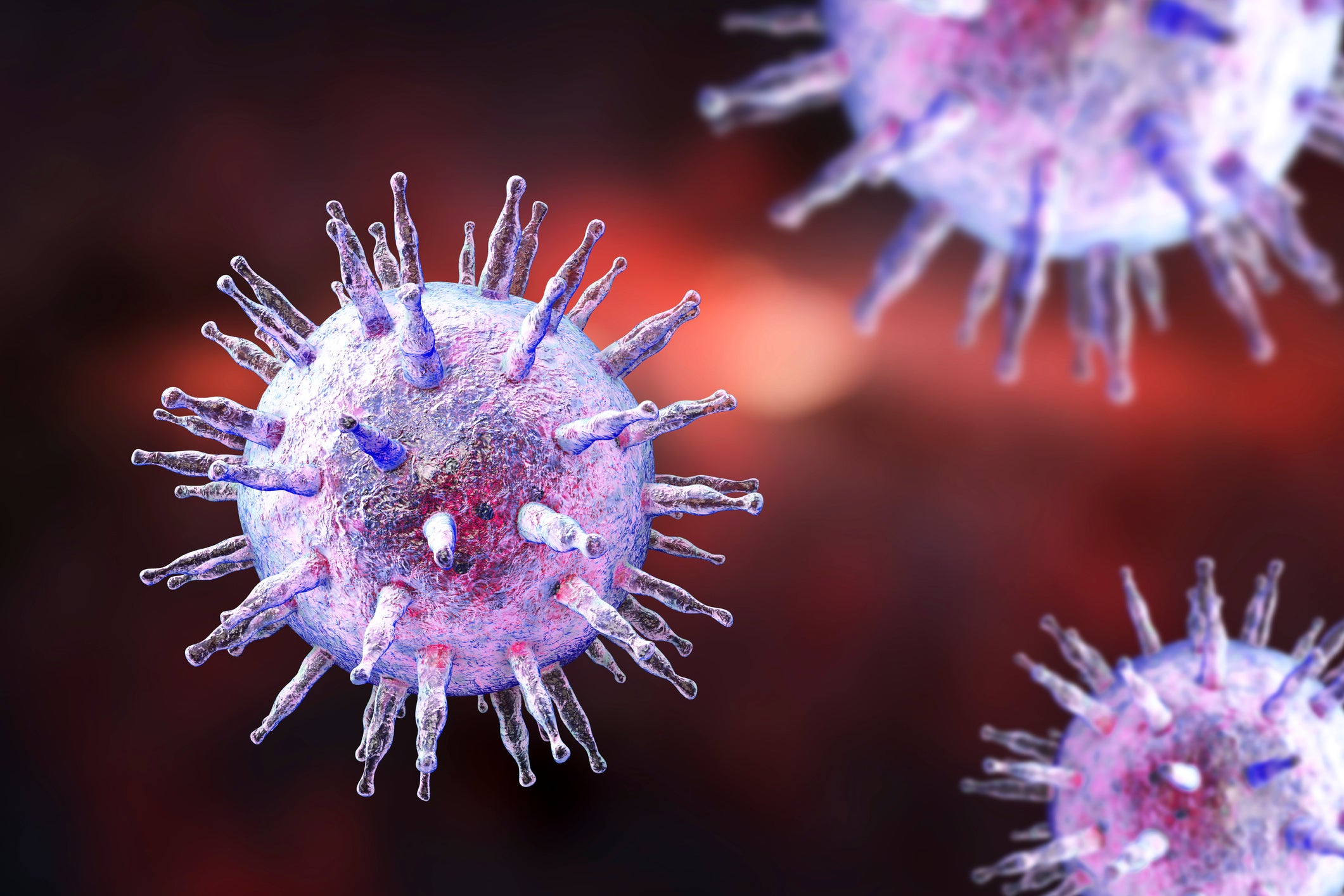
Dr. Bjornevik's research integrates three key elements: access to unique, large-scale, longitudinal cohorts with prospectively collected biological samples; application of advanced biomarker and multi-omics technologies to detect preclinical pathology; and novel epidemiological methods to identify causal relationships. His earlier work contributed to establishing the Epstein-Barr virus as the leading cause of multiple sclerosis, redirecting the field toward prevention and treatment strategies targeting the virus.
Since joining the Harvard Chan faculty in 2023, Dr. Bjornevik has been translating these discoveries into clinical solutions, playing a leading role in developing clinical trials testing antiviral drugs as potential multiple sclerosis treatments. His work spans multiple neurodegenerative diseases: for Parkinson's disease, he has contributed to developing a scalable screening strategy to identify high-risk individuals using simple non-motor symptom assessments and identifying promising candidates for disease-modifying therapies through drug-wide screening studies. For amyotrophic lateral sclerosis, his research has shown that the fatty acid alpha-linolenic acid is associated with both reduced disease risk and slower progression, providing a rationale for upcoming clinical trials.
A major current focus is expanding this research program to Alzheimer's disease, investigating how infectious agents and herpesviruses contribute to Alzheimer's disease pathology. His work has been supported by the National Institutes of Health, Department of Defense, European Commission, Michael J. Fox Foundation, and National MS Society, and has appeared in leading journals including Science, JAMA Neurology, Neurology, and Annals of Neurology.
Bjornevik K, Mahler JV, Bilodeau PA, Rød BE, Romanow G, Mikami T, Anderson M, Bobrowski-Khoury N, Zhu H, Nguyen J, Sun Y, Matiello M, Housman D, Nourbakhsh B, Myhr KM, Torkildsen Ø, Sollid LM, Levy M, Drosu N.Sci Transl Med2026 Jul 15