Opinion: How faith-based communities can support public health
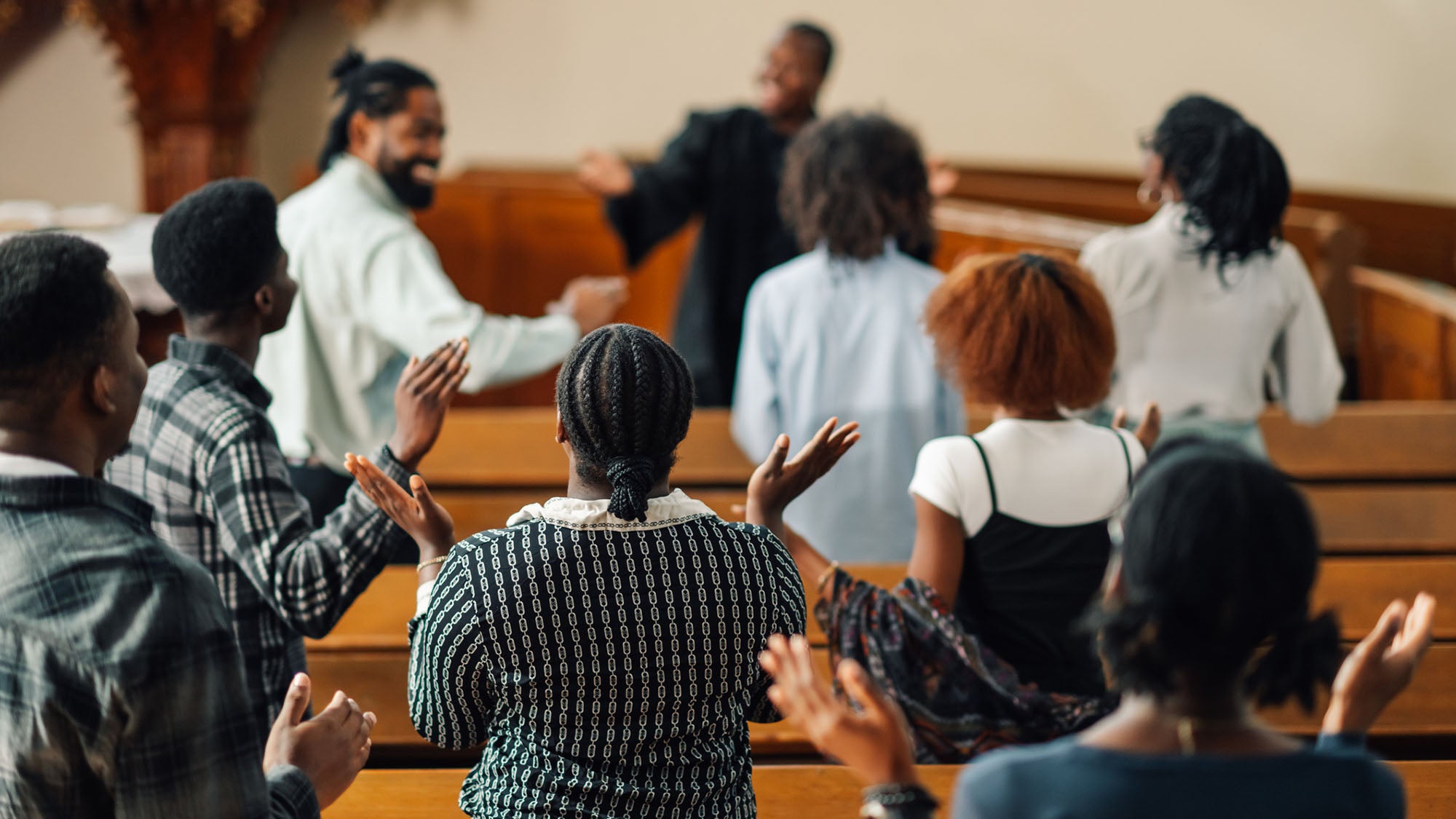
Hope—and the supportive relationships that help people hold onto it—can be a powerful driver of health, according to an opinion piece co-authored by Harvard T.H. Chan School of Public Health’s Howard Koh, published Sept. 24 in Fast Company. That’s how faith-based communities can help people struggling with addiction, according to the authors.
Research led by Koh, Harvey V. Fineberg Professor of the Practice of Public Health Leadership, has shown that individuals with spiritual practices are significantly less likely to exhibit hazardous use of alcohol, tobacco, marijuana, and illicit drugs.
Koh and co-author Kathy Crosby wrote that faith-based communities can play a meaningful role in helping people recover from addiction because they tend to see people as more than the challenges they face and offer a space for healing and belonging.
While it’s crucial to continue to invest in evidence-based treatment and innovation to address the nation’s mental health and addiction challenges, it’s also important to recognize the resource that faith-based communities can provide, they wrote.
“People change most successfully when they believe they matter to someone else, find purpose beyond themselves, and know they do not have to walk through hardship alone,” they wrote.
Read the opinion piece: What faith-based communities understand about public health
Learn more
Spiritual practices strongly associated with reduced risk for hazardous alcohol and drug use (Harvard Chan School news)