Predicting data centers’ energy and health impacts
A new project co-led by Harvard T.H. Chan School of Public Health’s Francesca Dominici aims to predict the energy and health impacts of proposed data centers.
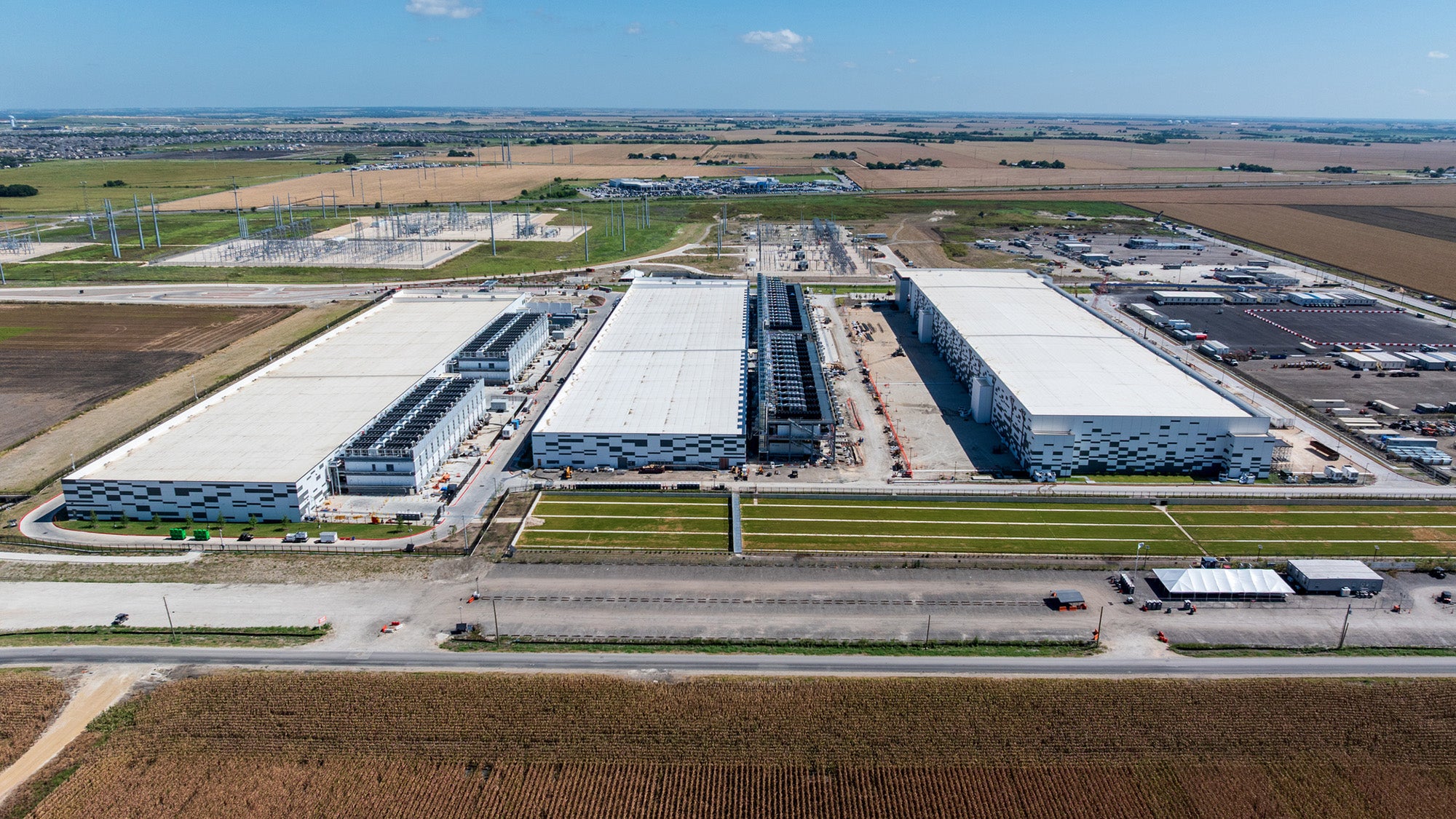
Dominici, Clarence James Gamble Professor of Biostatistics, Population, and Data Science, and Le Xie, an electrical engineering professor at Harvard’s Paulson School of Engineering and Applied Sciences, have teamed up to create a framework to help guide decisions on where data centers should be located. The project comes amid growing resistance to such centers, including concerns about strains on local power grids and health harms from increased pollution.
“[Data center expansion] is very political,” said Dominici in an August 12 Harvard Magazine article. “It’s becoming very contentious. So, the project … has the aspiration of tackling this issue from a scientific, rigorous, and unbiased perspective.”
According to the article, Dominici and Xie will build a three-part framework, including a data pipeline to track resource consumption and emissions of existing data centers; models that estimate how pollution from data centers might harm health in surrounding communities; and an interactive toolkit that developers, utilities, and local leaders can use to plan potential sites for data centers.
The goal, Dominici told Harvard Magazine, is to provide useable information about a given data center’s impacts “to empower … the community, the regulators, the utilities, and the developers on a way forward.”
Dominici was also quoted on the potential health impacts of data centers in an August 23 CBC News article.
Dominici and Xie’s project was one of 20 that were awarded grants in June through Harvard’s Frontiers of Innovation for Societal Impact Fund, which provides support for efforts aimed at tackling a societal challenge and catalyzing collaboration with industry. Other Harvard Chan experts who received grants included Flaminia Catteruccia and Daniel Neafsey, for a project to develop effective insecticidal bed nets for malaria control; Peng Gao, for a project to map pollutants and chemicals in human lung tissue; and Jessalyn Ubellacker, for a project to uncover early biomarkers of breast cancer.
Read the Harvard Magazine article:
Read the CBC News article:
Why are there suddenly so many data centres planned in Canada? Your questions answered
Learn more:
Analyzing air pollution health, economic risks from AI data centers (Harvard Chan School news)