How hantavirus actually spreads is a key question
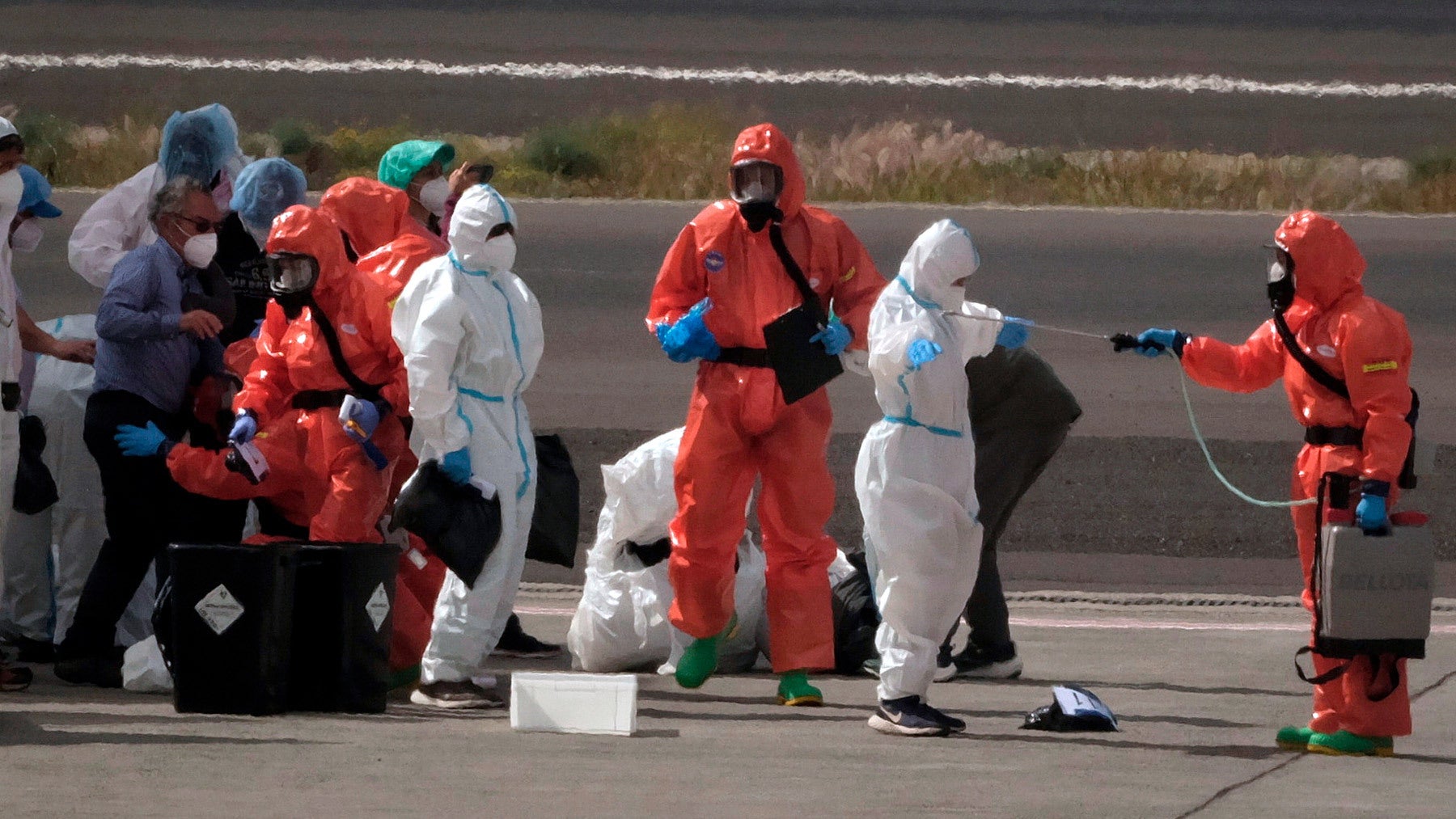
The hantavirus, which broke out on the cruise ship MV Hondius in April and has since killed three people and sickened roughly a dozen, is not likely to spur another pandemic, according to most experts quoted in the media. But it’s still dangerous—it’s fatal in roughly 40% of cases—so knowing how it spreads is key to containing it in the weeks to come, according to Harvard T.H. Chan School of Public Health’s Joseph Allen.
“In any outbreak, the single most important question is: How does it spread?” wrote Allen, professor of exposure assessment science, in a May 12 article in The Atlantic. “The answer informs the guidance for everything else, including how to stay safe, which protective measures to put in place, and who should be notified during contact tracing. Get it wrong and everything else breaks down.”
Allen expressed concern over U.S. officials’ suggestions that the hantavirus only spreads via prolonged close contact as opposed to airborne transmission. He cited a December 2020 NEJM study that found that an outbreak in Argentina of the Andes strain of the hantavirus—the type that spread on the cruise ship—could have spread through aerosolized particles. Allen also recounted speaking with a physician who was on the MV Hondius, who said that some who got sick on the ship did not necessarily have close contact with others.
Allen acknowledged that this hantavirus outbreak is not likely to spark a pandemic because it’s less contagious than influenza, measles, and SARS-CoV-2. But, he added, “Public-health officials have to be more honest and more humble about how this virus actually spreads. An essential lesson from COVID is that officials should be candid about communicating that we are often learning in real time, and we should shy away from making bold pronouncements that may prove dangerously misleading weeks or months later.”
Allen was also quoted in a number of other media outlets about the hantavirus. He appeared on CNN’s Erin Burnett OutFront on May 11 and May 12 and on MS Now on May 11.
Read the Atlantic article
The close, prolonged contact myth
Learn more
Hantavirus likely to be fully contained but may take time, Hanage says (Harvard Gazette)