Babesiosis study paves way for better treatment
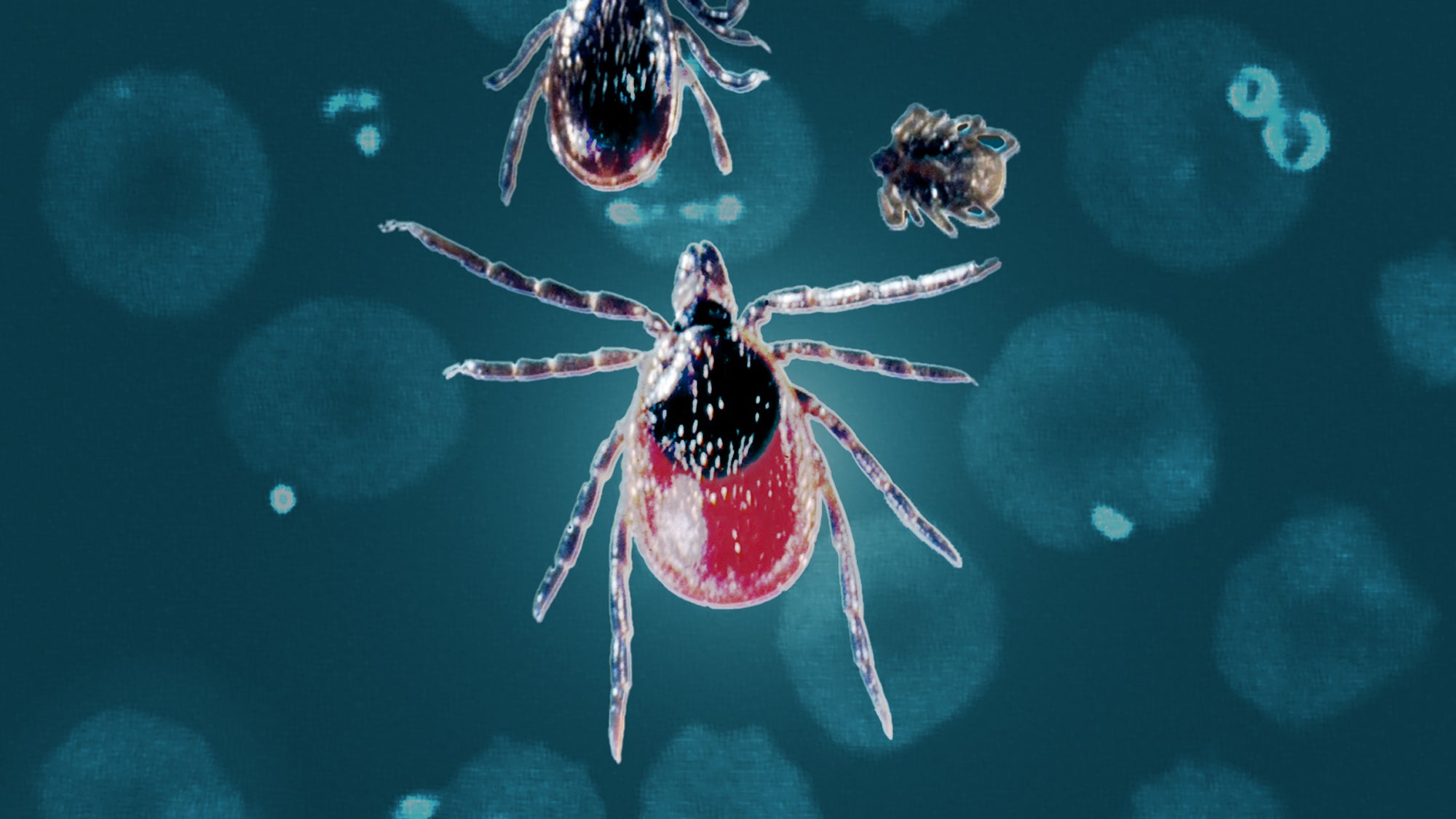
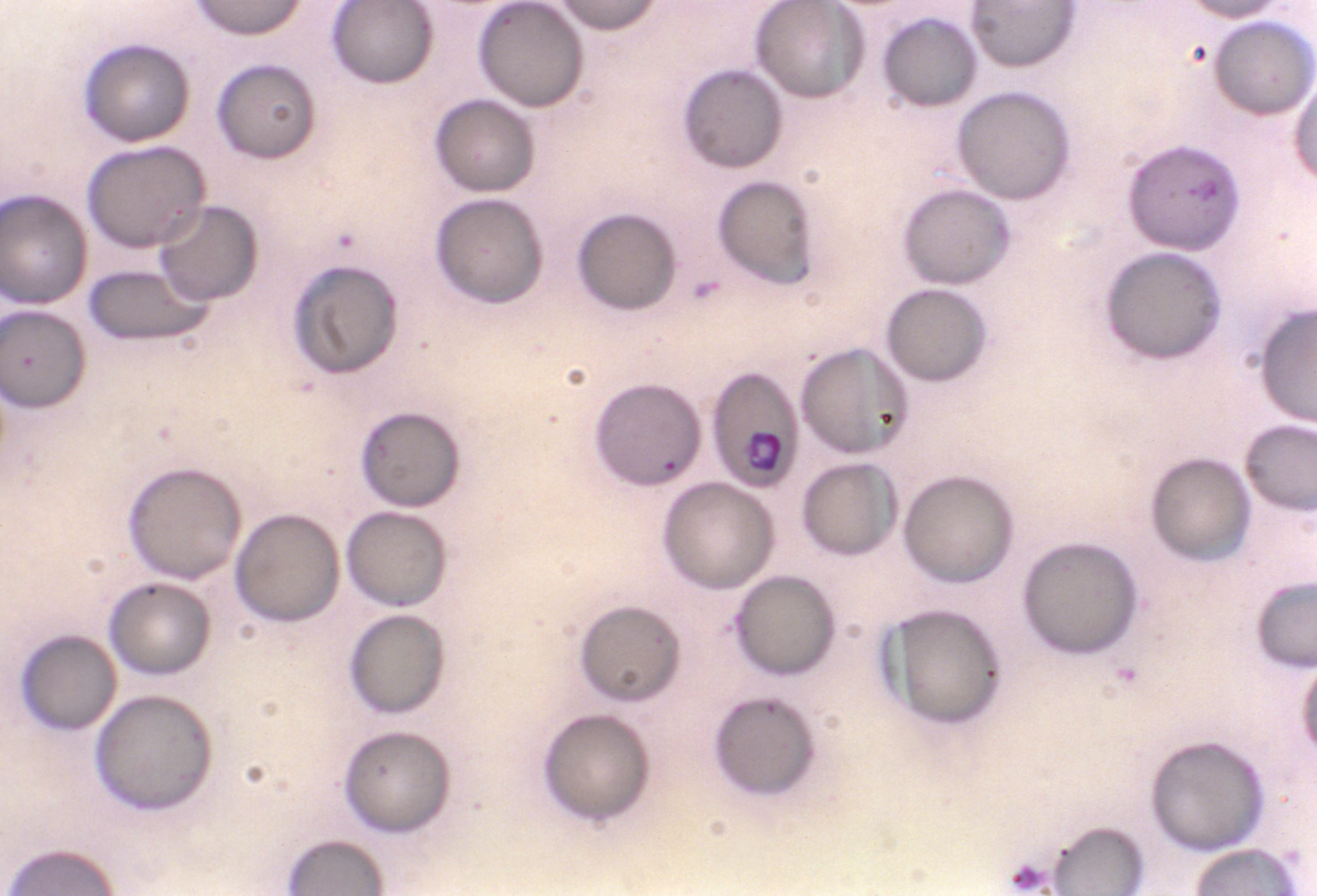
Babesiosis, a disease transmitted to humans by the same ticks that carry Lyme disease, is an emerging threat, particularly for individuals who are immunocompromised. In a new study, researchers from Harvard T.H. Chan School of Public Health identified how Babesia divergens—one of the parasites that causes babesiosis—spreads in the human body to cause infection. The findings suggest a path for the development of more effective drugs to treat the disease.
The study was published Jan. 27 in Nature Microbiology. Manoj Duraisingh, John LaPorte Given Professor of Immunology and Infectious Diseases, was corresponding author.
According to Duraisingh, babesiosis is “exploding” in the northeast U.S., and there are limited treatments to combat it. Some people who are infected are asymptomatic; others have flu-like symptoms. In healthy individuals, babesiosis typically resolves on its own. But elderly patients and those with weakened immune systems can experience severe disease with potentially fatal complications.
To learn more, the researchers examined Babesia divergens in the lab. They developed and optimized genetic tools, such as CRISPR, to study on a molecular level how Babesia divergens spreads from one infected cell to the next, to ultimately cause disease in humans.
The researchers discovered that Babesia divergens relies on four essential proteins to spread. They then validated drug compounds that block these proteins and stop parasite growth.
“This is the first detailed, genetically validated map of egress in Babesia divergens,” Duraisingh said. “We have now druggable targets in babesia parasites. This creates a clear path toward better therapies.”
Read the study:
Babesia divergens host cell egress is mediated by essential and druggable kinases and proteases
Learn more:
Ticks on the rise: Strategies for preventing disease (Harvard Chan School news)