Student-led Africa Health Conference explores innovative development strategies
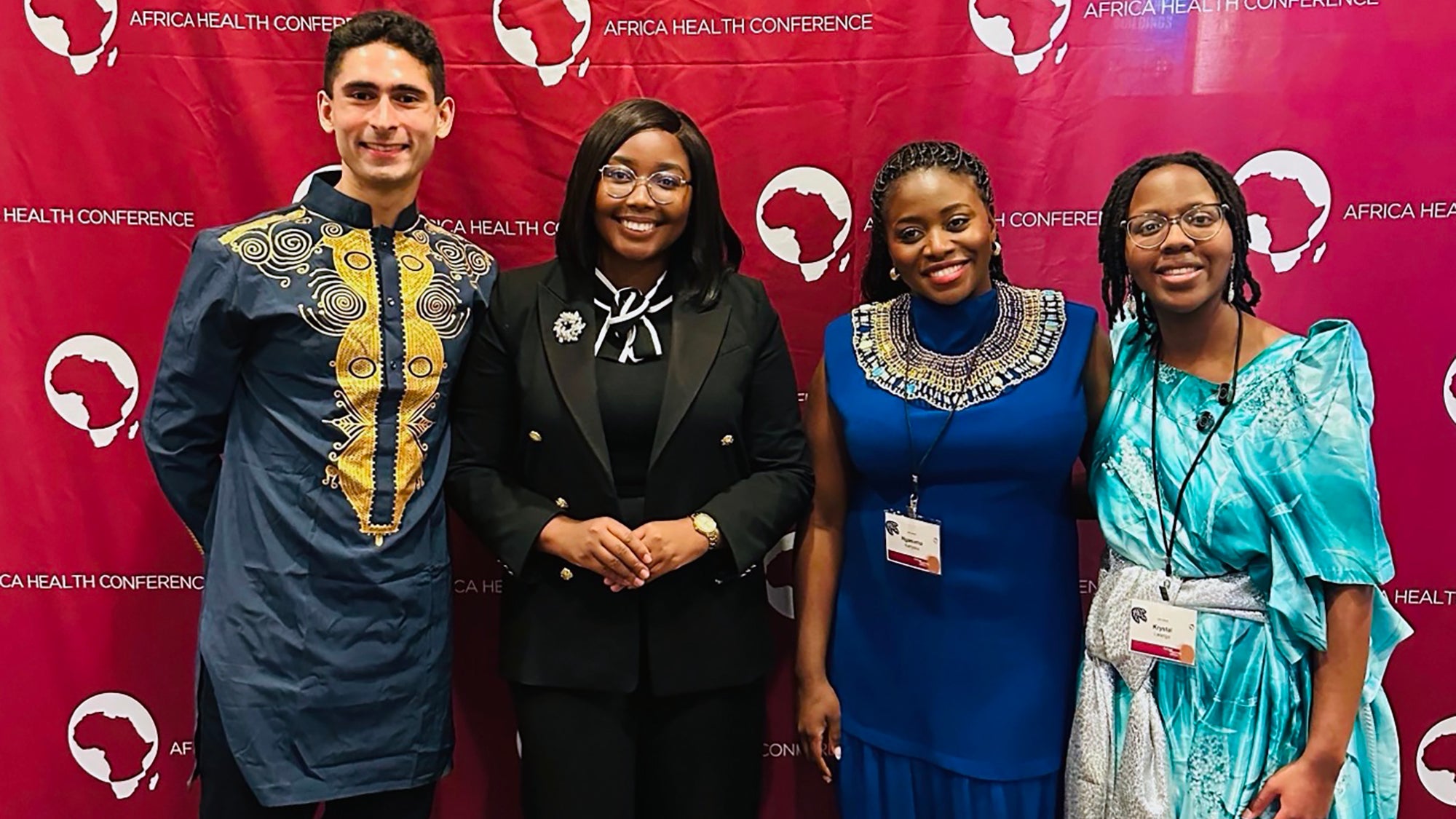
The fourth annual Africa Health Conference at Harvard T.H. Chan School of Public Health focused on “future-proofing” African health systems, and featured discussions of innovative financing and policy strategies for strengthening systems and driving public health change.
The two-day event, held in late February and attended by some 160 people, was sponsored by the Harvard Chan Africa Health Students Forum. Student organizers of the event included Princess Agbozo, SM ’26, Ngasuma Kanyeka, DrPH ’27, Harvard School of Dental Medicine student Krystal Lwanga, and Harvard Medical School student Faraan Rahim.

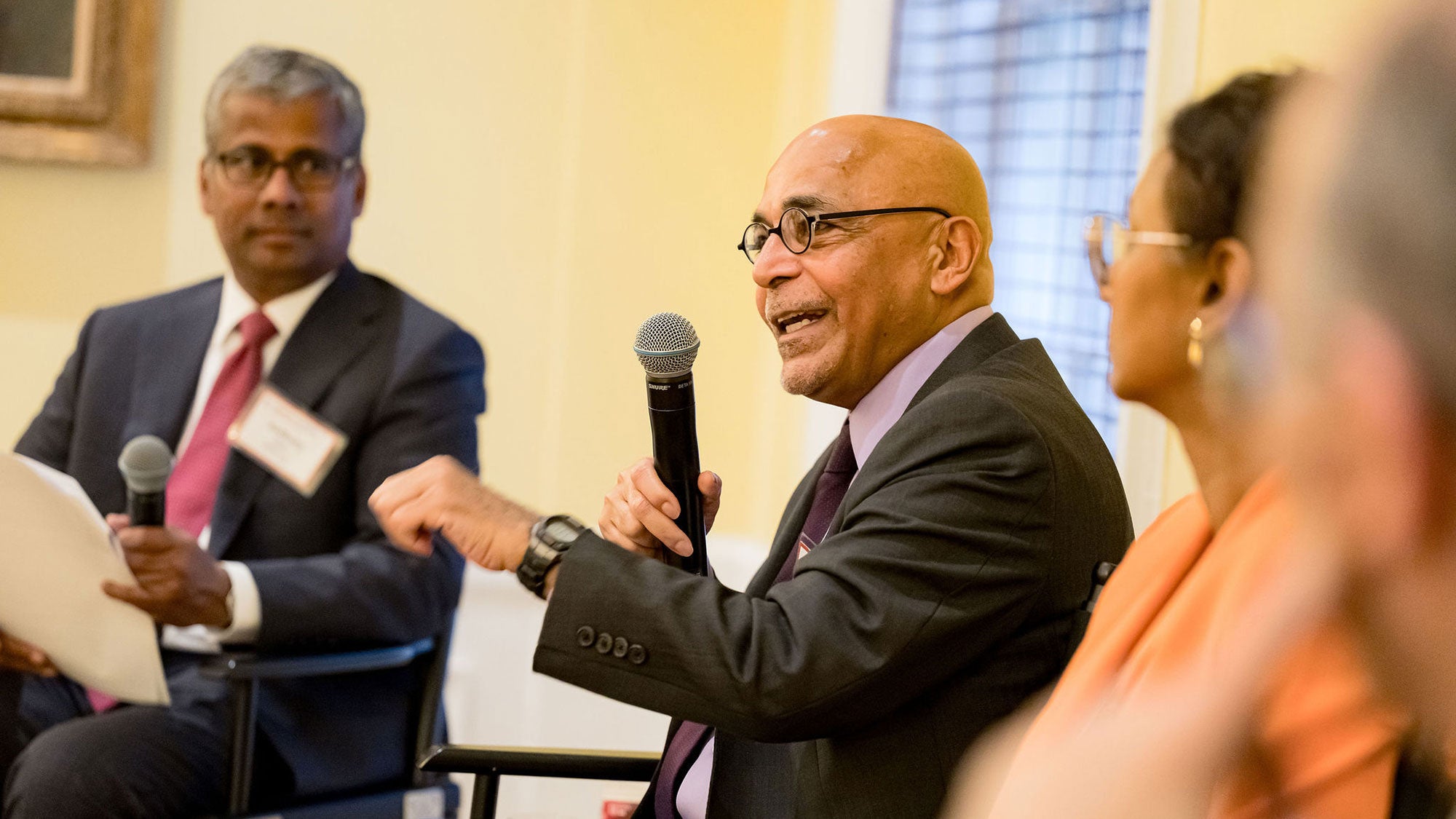
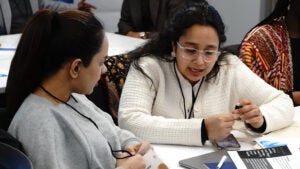
Sessions included an interactive discussion on how to turn innovative ideas into action, in addition to panel discussions and fireside chats with African health leaders, entrepreneurs, policymakers, and funders. A luncheon focused on women’s leadership and included a buffet of African cuisine. Students gave research poster presentations over the course of the day, and awards were presented for their work later in the conference. The day ended with a networking reception.
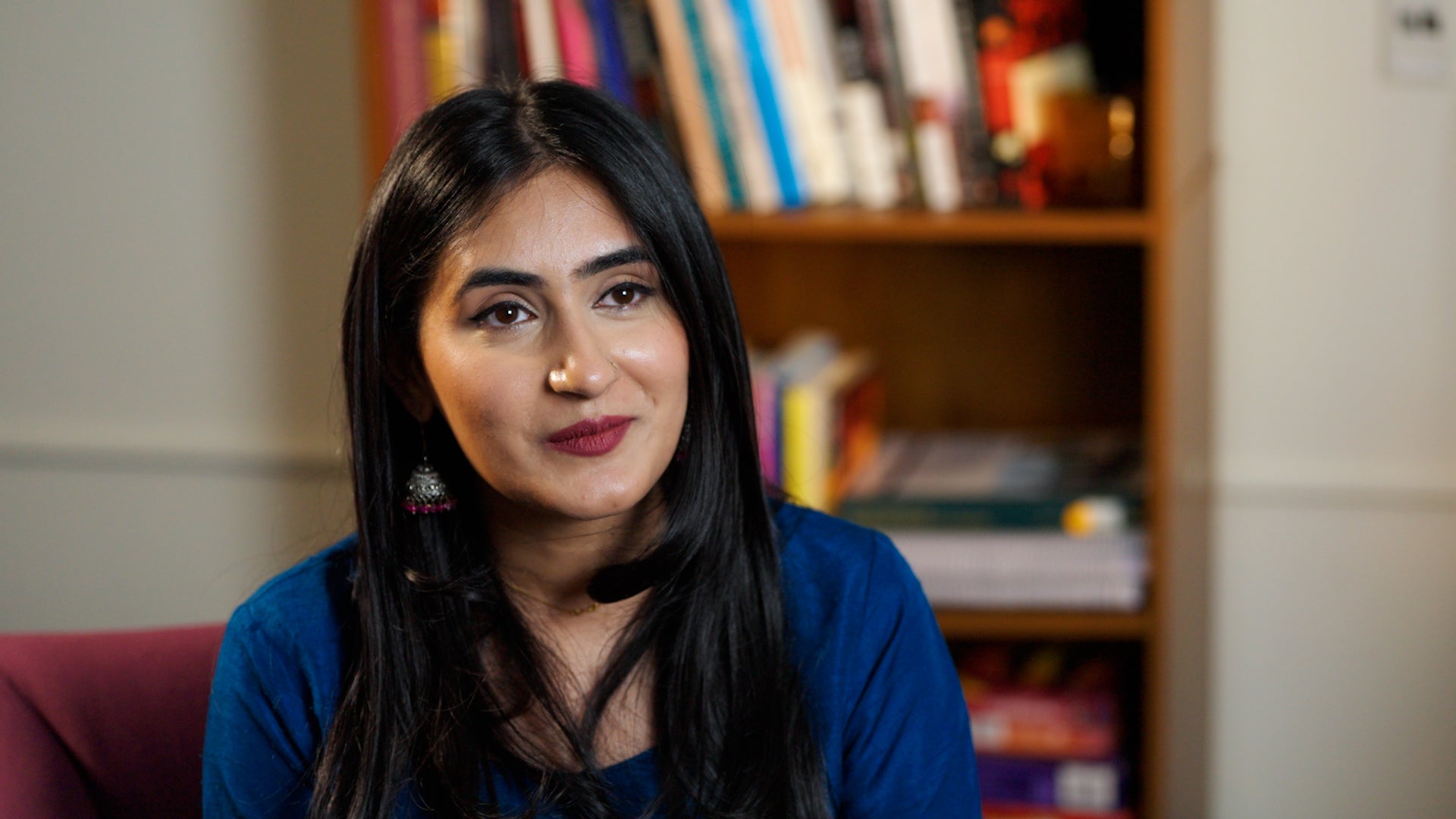
Kanyeka, conference co-president, led a fireside chat with Emma Theofelus, the Republic of Namibia’s minister of information and communications technology. She shared reflections following the conference.
Q: What did you hope to achieve with this conference?
A: The goal was to convene stakeholders working across Africa’s health ecosystem to explore how the continent can future-proof its health systems by investing in impact and innovation.
As the global financing landscape for public health shifts, Africa faces both immediate constraints and a rare opportunity to rethink how health systems are designed and financed. Although that creates immediate challenges, it is also an unprecedented opportunity for creating solutions that are grounded in tackling persistent challenges previously deprioritized by donors.
The conference aimed to encourage bold, context-driven thinking: interventions designed for African realities, grounded in local knowledge, and capable of delivering durable improvements in health and well-being. We hope attendees left with the conviction that this moment allows African leaders, researchers, investors, and practitioners to set the agenda for the continent’s health future.
Q: What do you see as key takeaways from the presentations?
A: Innovation must be grounded in lived realities. Solutions that succeed on the continent are those designed with a clear understanding of local contexts, systems, and communities.
Health is an economic asset. Financing health requires looking beyond the traditional health care sector and engaging actors across finance, technology, infrastructure, and policy.
Health is inherently cross-sectoral. Its solutions lie across multiple domains from engineering and digital systems to economic policy and governance.
With donors such as USAID exiting, Africa has a rare opportunity to reimagine both its health systems and financing architecture in ways that are more resilient, self-directed, and sustainable. Africa has an opportunity to re-imagine its health care systems and financing infrastructure.
Q: As one of this year’s organizers, what was meaningful to you about the conference?
A: This year’s theme created space to rethink Africa’s health future not only through its needs, but also through its ambitions and aspirations. It was an opportunity to step back from the noise and step into the power that Africa can be. This was a conference designed to usher in Africa’s becoming. We can do more than meet this moment of donor transitioning out of the continent with anxiety; we can meet this moment with hope and courage, confidence, and conviction. Reimagining health means trusting and investing in its ideas, leadership, and capacity to deliver solutions that outlive and outpace mercurial donor demands.
See clips from conference sessions and additional coverage on The Harvard Chan Africa Health Students Forum’s Instagram account: @ahf_hsph