Alumni Perspective: The Many Ways I Carry a Voice
From losing a parent at a young age, Jeff Blander, SM ’00, SM ’04, ScD ’08, found his way to entrepreneurship, philanthropy, public service, and writing—showing how storytelling can carry connection, compassion, and the belief that love never fades.
“I learned early that caring is not just a feeling. It is a practice. It is what you do on an ordinary day, when nobody is watching, and somebody still needs your help or needs your voice.
I was five years old when my mother, Ann, died suddenly. After she passed, my grandparents adopted me and raised me with rules that were simple and steady. Eat well. Wear your jacket. Be kind to someone today. Try to be happy.
In hindsight, this was a prelude to my public health journey, because it taught me that people do not experience life as programs or policies. They feel it as support—from the people or communities in their lives—or the absence of it.
I believe the strongest communities are built by people who choose to show up for one another. I often think of a moment from childhood when a hometown vendor on the boardwalk offered me a toy on my birthday when my mother could not afford one. I still treasure that toy. It remains a reminder that kindness is never small to the person who receives it.
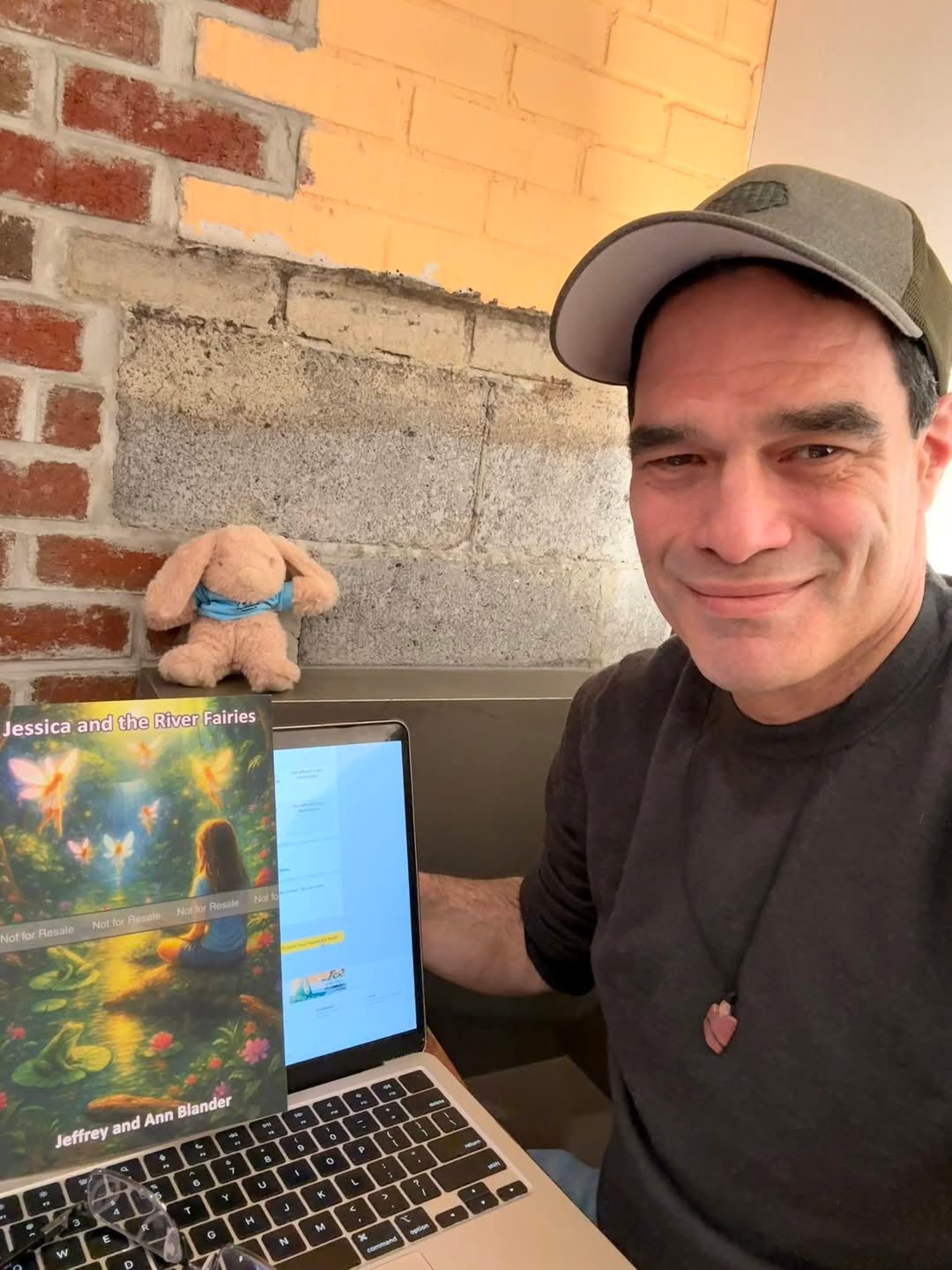
Recently, I rediscovered the type-written pages of a bedtime story my mother began for me when I was four. Finding them felt like hearing her voice again. I completed the story and published it as Jessica and the River Fairies, a children’s book that holds grief gently, makes space for wonder, and reminds readers of a truth I return to often: love never fades, it changes form. I donate the proceeds from this book and my other children’s book to organizations supporting families navigating grief. I call it “circular philanthropy” because the story creates comfort and then helps fund comfort for others.
This idea of giving back through my work has played a role in many pivotal moments throughout my life, including one while I was doing my ward rounds at Muhimbili Hospital in Tanzania. I met a child with advanced rheumatic heart disease requiring a transplant that would never come. Her condition was not a lack of medical knowledge; the failure was structural, and the right care did not arrive in time. After seeing this situation transpire, I felt a moral responsibility to be a voice for this girl and the unfortunate ending to her story.
During this period, I met two cherished mentors. The late public health pioneer Paul Farmer taught me a lesson that was both practical and symbolic: don’t underestimate what can fit in a carry-on. The idea stayed with me—that tools, literal and figurative, don’t need to be elaborate or oversized to change what’s possible. His legacy, grounded in realism yet driven by a refusal to take no for an answer to drive impact for others, became part of mine.
Ferdinand Mugusi—former Chair of Medicine at MUHAS and esteemed Co-Investigator with Harvard faculty—challenged me to look beyond a patient’s illness and confront the underlying causes behind it. He believed many advanced cases we witnessed were preventable if the right medicines and technologies reached local communities. He pushed me to never settle for easy explanations; to interrogate the missing data; and to question conventional approaches in global health. I truly believe he was a voice for the voiceless. He passed away this year, but his ability to empower others through his work remains deeply woven into my work.
These experiences helped catalyze the Bienmoyo Foundation, which I developed and launched to deploy breakthrough medical technologies and interventions that could be sustained by local communities. At Harvard Chan School, I learned that health is shaped by delivery, incentives, trust, and access, not only biomedical intervention; and nurtured the skills that helped bring my Foundation vision to life.
I, of course, believe data matters, but human voices and human stories are essential to informing successful real-time interventions.
Across my entrepreneurial endeavors, philanthropic pursuits, years in public service, and love for writing heartfelt stories, this is the common thread—the success of systems depends on whether they are human-centered and built alongside the people they are intended to serve. This is what creates the ripples that travel across continents and through time, carried forward by the people and communities we cherish most.”
—Jeff Blander, currently serving as Senior Advisor and Functional Bureau Strategy Coordinator, U.S. Department of State, Bureau of Global Health Security and Diplomacy, and is a Non-Resident Fellow at the Center for Global Development