From air pollution to disease outbreaks: Assessing health impacts of Trump administration policies
Trump administration actions over the past year—including deciding not to consider health costs when setting air pollution regulations, dismantling the U.S. Agency for International Development (USAID), cutting ties with the World Health Organization (WHO), and overhauling vaccine recommendations—are expected to take a huge toll on health, according to Harvard T.H. Chan School of Public Health’s Vanessa Kerry.
Kerry, associate professor in the Department of Environmental Health, a critical care physician, and co-founder and CEO of Seed Global Health, a nonprofit focused on investing in the health workforce to help strengthen countries’ health systems, spoke about the health impacts of Trump administration decisions as a guest on two successive episodes of the PRX show “Living on Earth.”
On the show’s Jan. 23 episode, focused on the health and economic costs of using fossil fuels, Kerry noted that their use drives climate change. The results, such as extreme heat and wildfires, can have profound impacts on health and can cost billions.
“If you are too sick to go to work, or you can’t breathe, or your child has an asthma attack, and you can’t go to work because you’re taking them to hospital, that’s lost income,” she said. Fine particulate matter (PM2.5) spewed by factories and vehicles can enter the bloodstream and lead to higher blood pressure, increased risk of heart attacks and strokes, and other problems, she noted.
Discussing the impacts of extreme heat, she said that even now, it’s causing the U.S. to lose $100 billion per year in productivity—and that figure is expected to jump to $500 billion over the next twenty years.
The EPA’s decision to stop calculating savings in health costs when it sets air pollution rules means that “you’re not taking full stock of how humans are affected,” she said. She noted that the EPA, during the Biden administration, calculated that for every dollar spent reducing PM2.5, there could be as much as $77 in health benefits. Promoting health, she said, is not just a social good, but “a powerful investment for economic growth.”
On the Jan. 30 episode, Kerry discussed how global health is faring under the Trump administration. She called the past year “extraordinarily tumultuous and profoundly damaging—but not without hope or opportunity.”
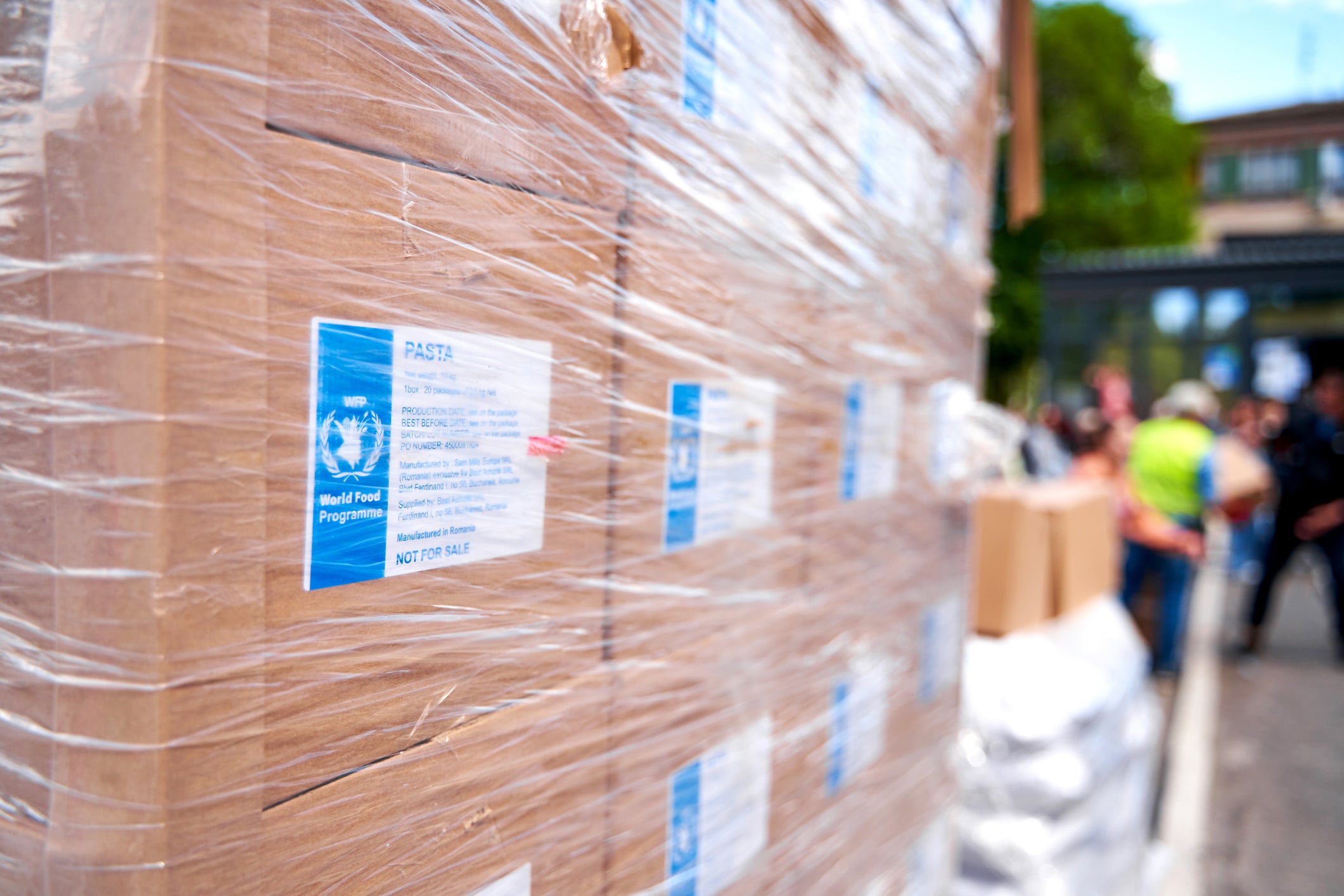
The administration’s decision to dismantle USAID ended lifesaving efforts, such as fighting famine and HIV. By essentially cutting off U.S. funding for global health, it meant that almost half of the external aid to countries relying on that aid—such as those in the Global South—disappeared. Subsequently, other countries cut their aid as well, in a domino effect. The result? “It is killing people,” said Kerry. Models suggest that an estimated 14 million people will die because of these decisions.
Kerry noted that, over many years, the U.S. has poured billions into ending the HIV pandemic, and that that effort is now “threatened and dismantled, which means the billions we’ve spent will have been wasted.” She called the new reality “very disheartening.” On the other hand, she is cheered at how ministries of health in a number of countries in Sub-Saharan Africa remain committed to using limited resources to build strong, resilient health systems.
Pulling out of WHO, which plays a key role in monitoring disease outbreaks and sharing information, could weaken pandemic surveillance efforts, Kerry said.
And she called the CDC’s new vaccine recommendations—which reduce the recommended number of childhood vaccines from 17 to 11—“terrifying, because what they’re going to do is … cause a huge amount of pain and suffering for families.” She added, “The vaccine policy, to me, is dereliction of duty.”
Listen to the Jan. 23 episode of Living on Earth: Health and Economic Costs of Fossil Fuels
Listen to the Jan. 30 episode of Living on Earth: Global Health Under Trump