Harvard Chan researchers win $100 million MacArthur grant for infectious disease surveillance system
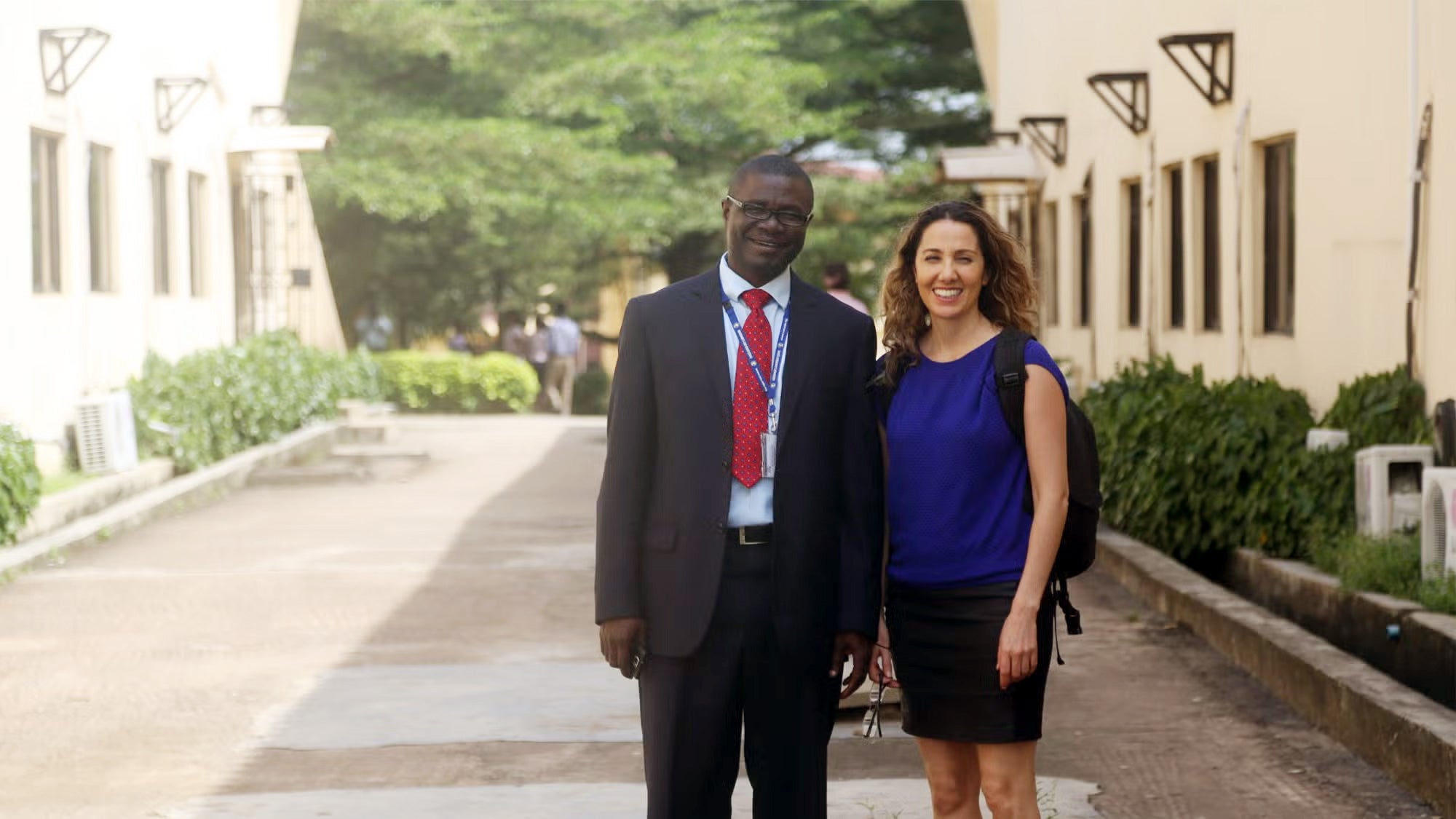
In November, the John D. and Catherine T. MacArthur Foundation awarded its $100 million “100&Change” grant to the Sentinel project, an infectious disease surveillance system designed to help communities identify outbreaks and prevent potential pandemics. Based in West Africa, Sentinel is a collaboration between the Broad Institute and the Institute of Genomics and Global Health in Nigeria, and works in close partnership with national public health agencies there and in Sierra Leone. Its co-founders and directors are also faculty at Harvard T.H. Chan School of Public Health: Pardis Sabeti, professor of immunology and infectious diseases, and Christian Happi, adjunct professor of immunology and infectious diseases.
Below, Sabeti and Happi share more about Sentinel, their plans for expanding the project, and why they’re determined to use their grant to uplift the global public health community.
Q: Tell us about Sentinel.
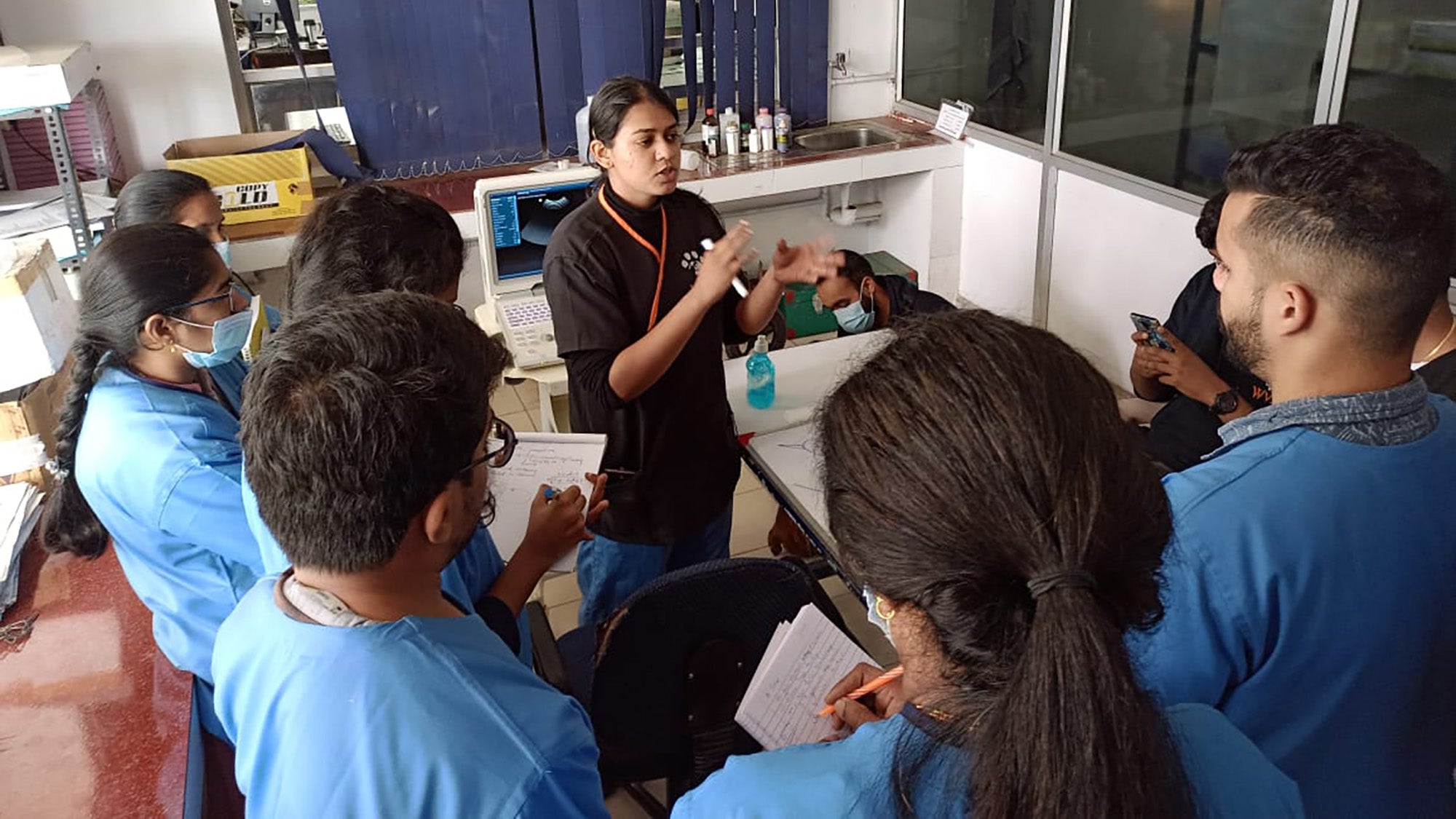
Sabeti: We’re a multidisciplinary team spanning genomics, data science, and public health in the U.S. and West Africa, working to help frontline health workers and public health leaders detect and contain epidemics. We build and offer tools and trainings around epidemiology, diagnostics, bioinformatics, genomic data, and more, with the goals of helping local communities sustain and advance their own health systems while contributing to a global early-warning network for infectious disease outbreaks. The idea is that when communities understand which diseases are circulating locally, they can then recognize unusual patterns early, respond quickly, and share that information, strengthening pandemic preparedness and prevention worldwide.
Happi: Our work is based in Nigeria and Sierra Leone, but our efforts have reached the entire continent. Since we founded Sentinel in 2020, we’ve reached 53 out of 54 African countries with training, technical support, and genomic sequencing. We partnered with Africa Centers for Disease Control and Prevention on continental efforts to respond to COVID-19 and mpox. And we worked with health care workers and officials in Rwanda to contain the 2024 Marburg virus disease outbreak within 66 days, with a case fatality rate of 20%—an unprecedented rate in the history of that disease. (All other recorded Marburg outbreaks have seen a case fatality rate between 40% and 90%.)
Q: How will the grant help you to expand Sentinel’s work? What are some of your plans?
Happi: In Nigeria, we’re expanding to additional hospitals and public health laboratories, working closely with the Nigeria Center for Disease Control and Prevention to integrate Sentinel’s tools, data systems, and training into the national public health system. In Sierra Leone, we will work to support a nationally integrated model for outbreak detection and response. And we’re planning to start working formally in new countries including Rwanda, the Democratic Republic of the Congo, and Senegal.
We’re also planning to broaden our approach to epidemic and pandemic response to incorporate a One Health framework, which recognizes that human, animal, plant, and environmental health are all linked and supports an integrated surveillance approach to zoonotic threats such as avian influenza.
Q: You were selected for the 100&Change grant out of nearly 900 applicants. How did you feel when you got the good news?
Happi: I was in shock. I couldn’t speak, could barely breathe. Sentinel has been given a unique opportunity to save more lives, save more costs for countries, further transform the public health field, and prove its impact in Africa and the rest of the world.
Sabeti: I was completely stunned and overwhelmed with gratitude—as well as an awesome sense of responsibility. The MacArthur Foundation made a bold move in supporting science and global health at a time when they are facing profound headwinds. So many people in our community, those working in global health and in infectious disease and outbreak response, are struggling and facing existential threats. I’m determined to make this money well spent not only for the work of Sentinel, but also for this community, to use this as an opportunity to lift all boats. I feel we have a big karmic debt to repay.