Pressure not off for SNAP recipients
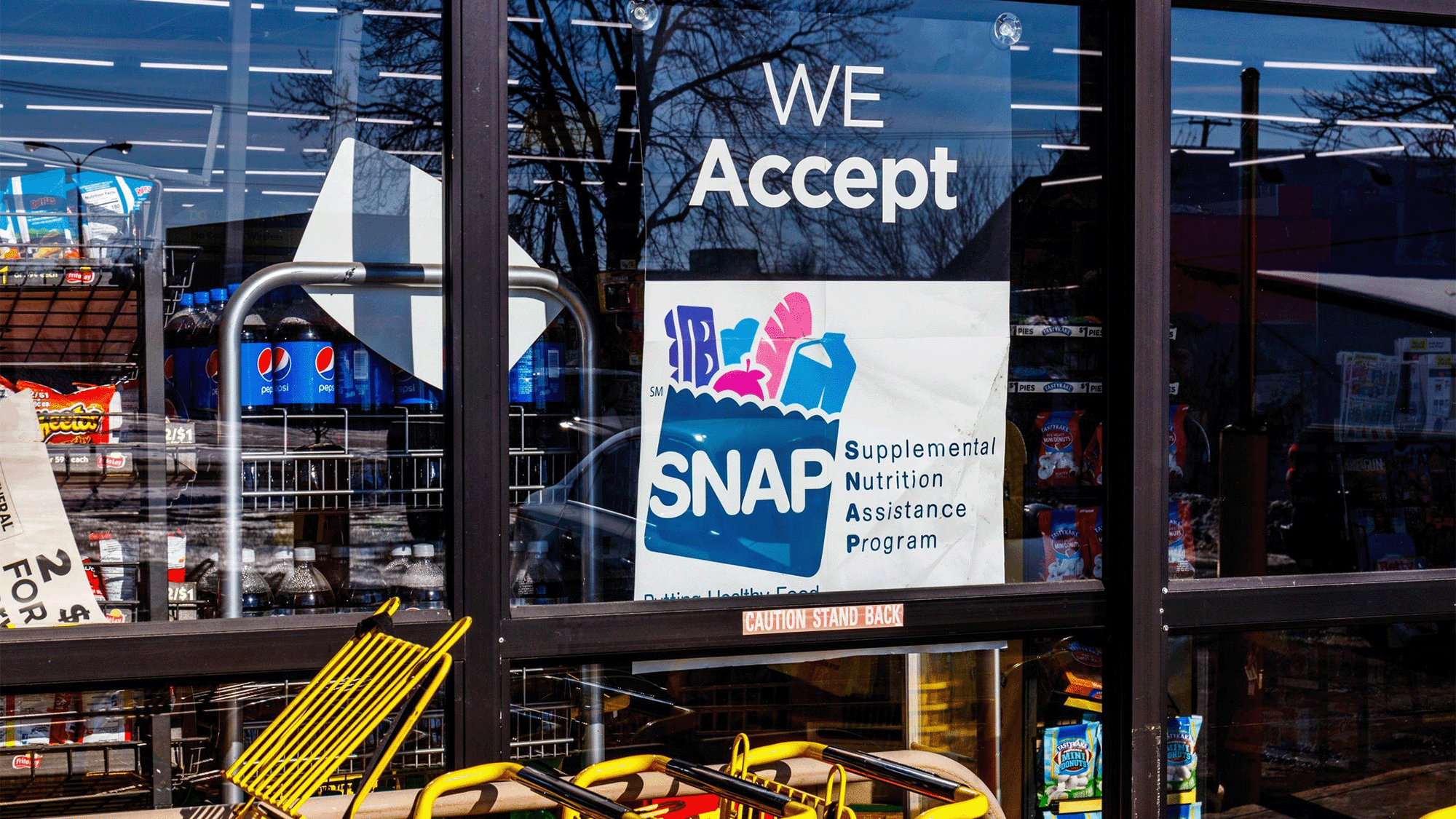
During the recent government shutdown, millions of Americans lost access to the Supplemental Nutrition Assistance Program (SNAP, formerly called Food Stamps) or had their benefits delayed. While funding has now been restored, the pressure is not off for people facing food insecurity, according to Sara Bleich, professor of health policy at Harvard T.H. Chan School of Public Health. She spoke on the Dec. 2 Civics 101 podcast about the history of SNAP and the effects of major new legislative changes to the program.
As Bleich explained, SNAP’s budget has been cut by $186 billion through 2034, the largest decrease in its history. This will result in millions of people losing a substantial amount of their benefits, she said. In addition, work requirements have become stricter, with parents of school-aged children over 14 and adults ages 55 through 64 now required to work 20 hours per week to maintain full benefits.
These changes are causing confusion, Bleich said. “What that can do for families is it can really have a dampening effect on their willingness to apply, because they may assume that they’re not qualified, even if they might actually be eligible for the program,” she said.
Bleich also noted that these changes will add significant paperwork and budgetary burdens to states—which each administer SNAP for their residents—at a time when many state agency staffs have been reduced.
Even people who keep their benefits are not adequately protected from food insecurity, Bleich said. Most families use up their benefits within two weeks and need to supplement them with donations from food pantries, she said.
Comparing the U.S. approach addressing food insecurity to that of other high-income countries, she said, “In the U.S., there is higher investment in the [health] consequences of food insecurity, as opposed to the upfront investment in children and families. And so, a shift toward a more preventative approach would require a real shift in terms of how we think about where investments can make a big difference.”
Listen to the Civics 101 podcast: What is SNAP?