A four-decade fight for healthier air
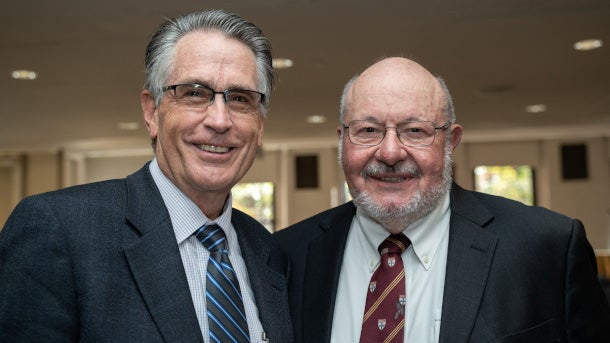
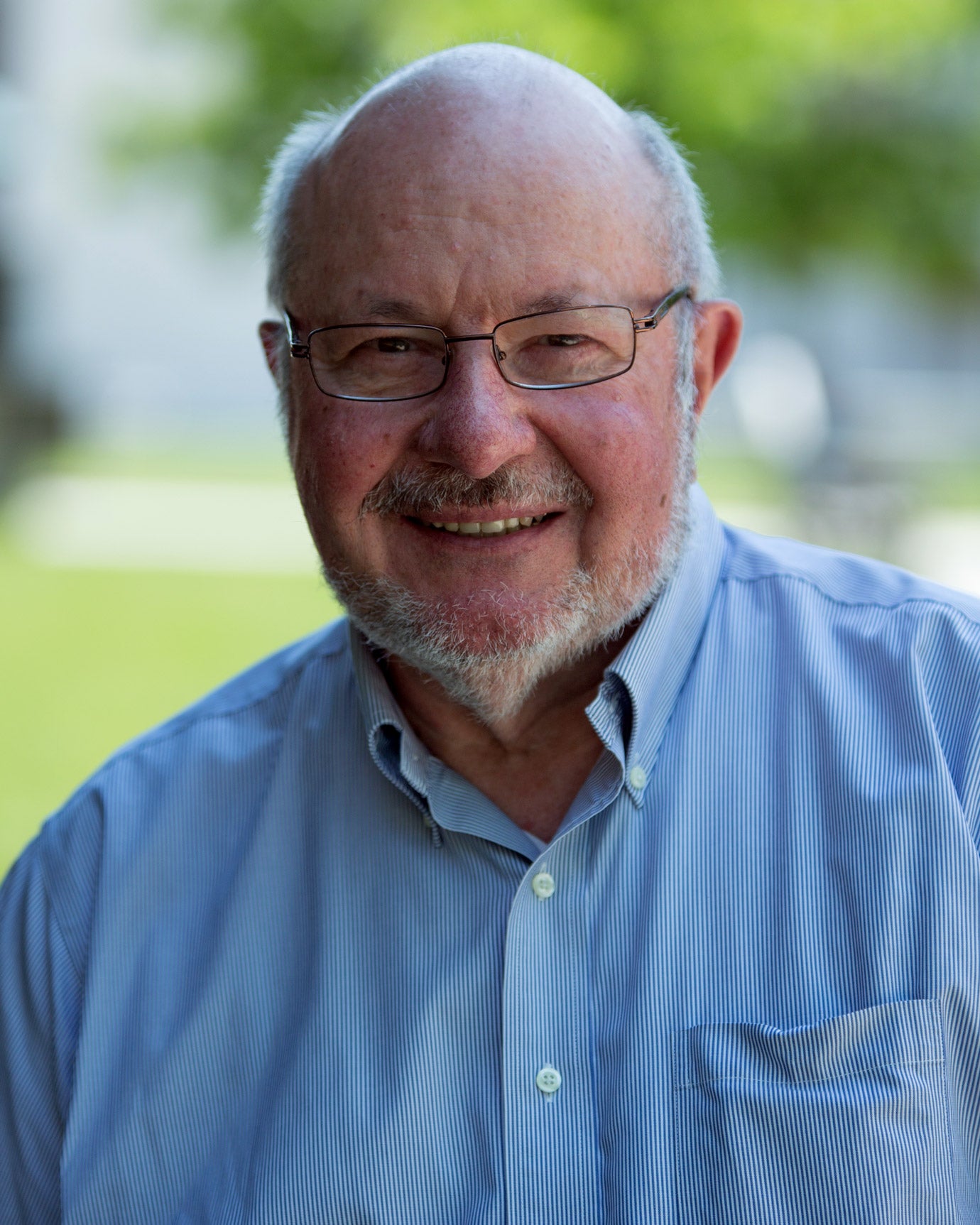
The air pollution research of Douglas Dockery and C. Arden Pope—leaders of the groundbreaking Harvard Six Cities Study and co-authors of a 2025 book on their 40-year fight for healthier air—was the focus of a Nov. 21 interview on the PRX radio show “Living on Earth.”
Dockery, John L. Loeb and Frances Lehman Loeb Professor of Environmental Epidemiology, Emeritus, and Pope, a professor of economics at Brigham Young University, described how they began working together in the late 1980s. Pope had conducted a study showing that children’s respiratory hospital admissions in Utah Valley markedly decreased after a nearby steel mill shut down. At the same time, Dockery and colleagues had been working on a study in six cities across the U.S. for more than a decade, looking at the impact of dirty air on respiratory health. After learning of each other’s work, Dockery and Pope joined forces to analyze the Six Cities Study’s large data set—health information on more than 8,000 adults from cities with varying levels of fine particle air pollution.
The Six Cities Study, published in December 1993, found that life expectancy in the communities with higher air pollution was about two years shorter than communities with less pollution. Subsequent studies confirmed the findings.
Based on research from Dockery, Pope, and others, it’s been estimated “that fine particle air pollution contributes more to burden of disease [worldwide] than any other environmental risk factor, and is in the top 10, sometimes even in the top 5 of all risk factors contributing to disease and death,” Pope said in the interview.
Dockery spoke about the backlash to the Six Cities Study, particularly from industries relying on fossil fuel combustion, which produces fine particle pollution. Despite the pushback, data from the study led to stricter air pollution guidelines in the U.S. in the late 1990s.
“When you compare air pollution now to where we were 40 years ago when we started this research, we’ve seen very, very substantial improvements in air quality across the United States,” and there has been pressure to bring down high pollution levels in other parts of the world such as in Africa and Southeast Asia, Dockery said. He cautioned, however, that uncontrolled wildfires represent another dangerous source of air pollution.
Listen to the “Living on Earth” interview: Air Pollution Pioneers
Learn more
Studio event highlights the ongoing fight for clean air (Harvard Chan School Department of Environmental Health news)
Groundbreaking air pollution study marks 30 years (Harvard Chan School news)