Zhu Family Center for Global Cancer Prevention
At the interdisciplinary Zhu Family Center for Global Cancer Prevention, our mission is to support groundbreaking research that develops and implements novel methods, technologies, and tools to further the translation of cancer prevention work into clinical and public health practice. We are dedicated to prevention education and research across the cancer continuum.
FXB Building
651 Huntington Ave
Boston, MA 02115
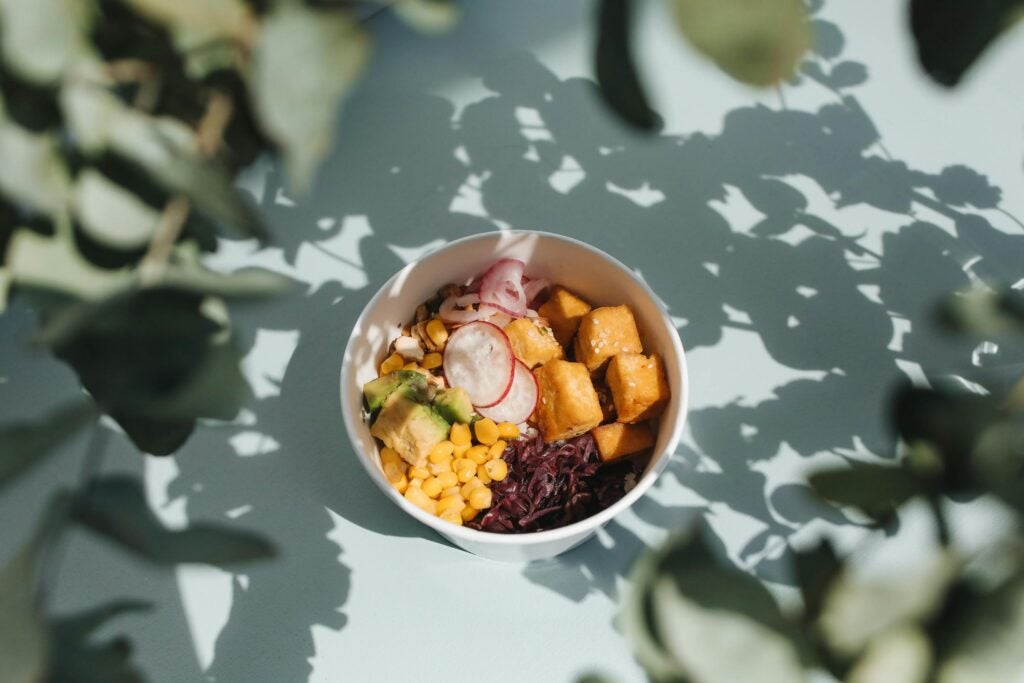
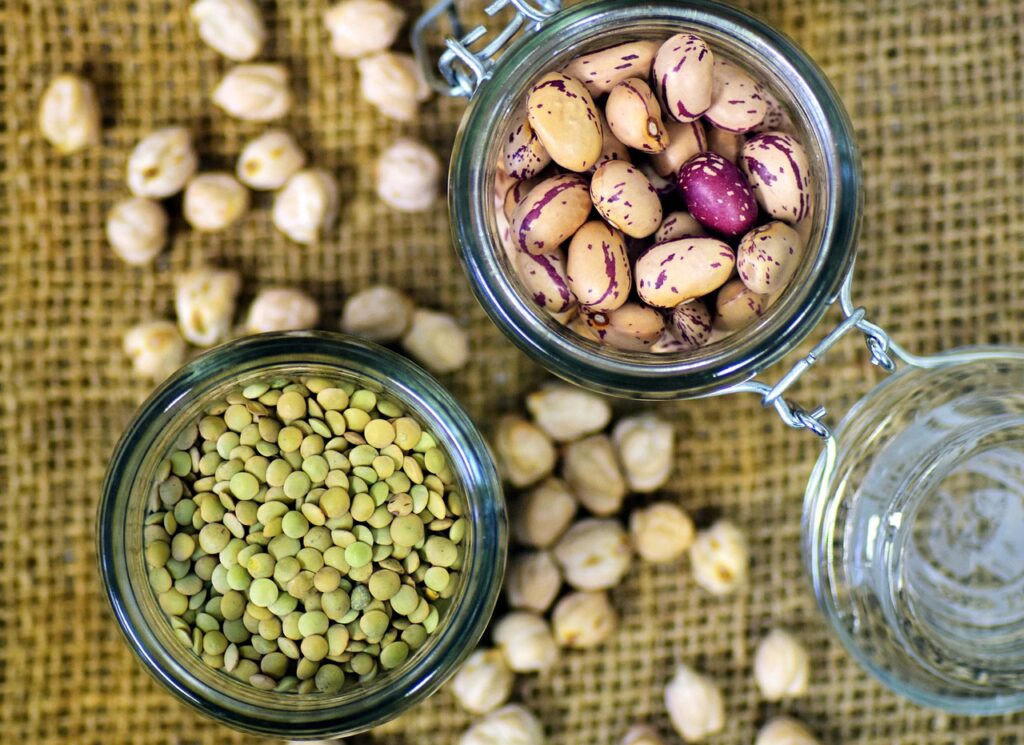
Eat plenty of plants
Look below for nutrition resources and tips that can help you make fruits, vegetables, whole grains, beans, and other pulses an important part of what you eat.
The following sources provide science-based nutrition advice:
- The Nutrition Source by the Harvard T.H. Chan School of Public Health, particularly the Healthy Eating Plate and the Plate and the Planet sections
- World Cancer Research Fund Fruits, Vegetables, and Cancer
- American Cancer Society Fuel Your Body Healthy Food Essentials
More ideas for making plants the main part of your meals.
Join a plant-based eating club to get ideas and make new friends. Look for groups like the Boston Vegetarian Society, check meetup.com, or visit the Building Healthy Communities website to find a plant-based group near you. A worship community such as a church, temple, or mosque might have a group that anyone can join. You can also look for a group in your city or town that makes sure everyone gets fair access to good food.
Learn how long your food can stay fresh and how to store it the right way. You can use an app like the USDA’s Food Keeper. This app was made by the USDA, Cornell University, and the Food Marketing Institute.
Go to a farmers market or buy a CSA (“Community Supported Agriculture”) share from a local farm. With a CSA, you pay the farm ahead of time and then get fresh fruits and vegetables when it’s harvest time. This helps the farm by giving them money when they need it. Try the USDA’s Farmers Market Directory to find a farmers market near you.
Find out about the edible plants growing in your neighborhood. You can try plant ID apps (see a review from The New York Times) or a foraging app to help you find and identify local plants. (Be careful when foraging!)
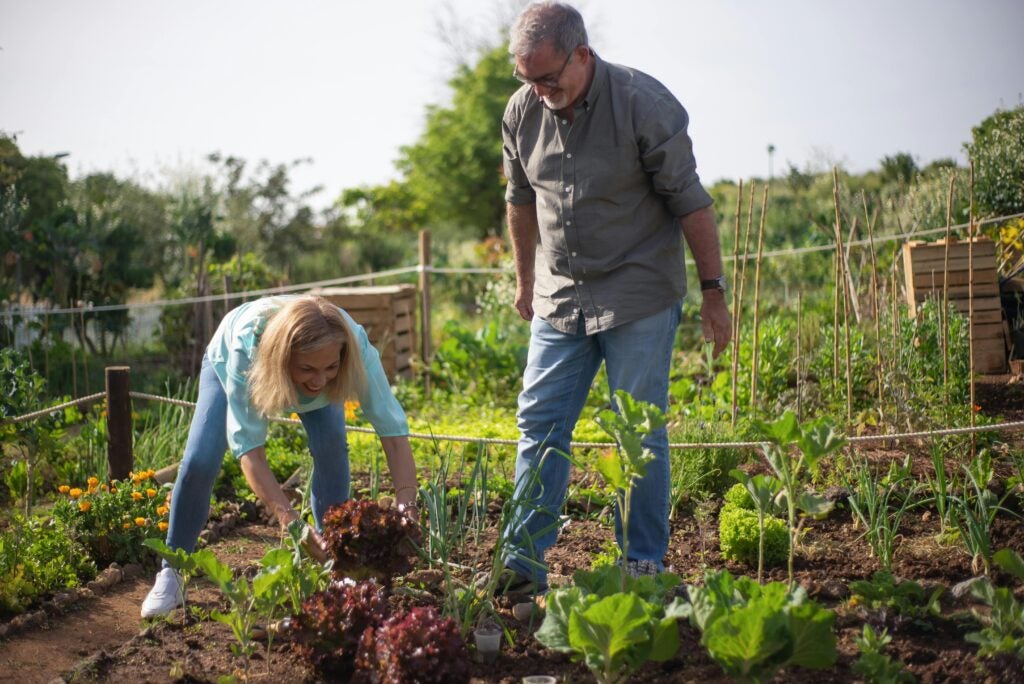
Think about growing your own food! If you want to plant your garden right in the ground, have your soil tested first to make sure it is safe and clean. You can ask your local university extension program or community college to help you test your soil. In Massachusetts, you can contact the University of Massachusetts Soil & Plant Nutrient Testing Laboratory for help.
If you don’t have space for a garden at home or if you want to garden with other people, you can rent a spot in a community garden. Visit the Trustee’s website to find community gardens in Boston and visit the American Community Gardening Association’s website for more general information. Many cities and towns also have garden clubs led by volunteers.
When you eat more fruits and vegetables, you might have a lot of food scraps like cores, seeds, peels, stems, and rinds. You can use these food scraps to make tasty recipes. This helps you save money and adds more flavor and nutrition to your meals. Check out this article from the Spruce Eats or this free cookbook from Stop Food Waste Day for more “scrappy recipes.”
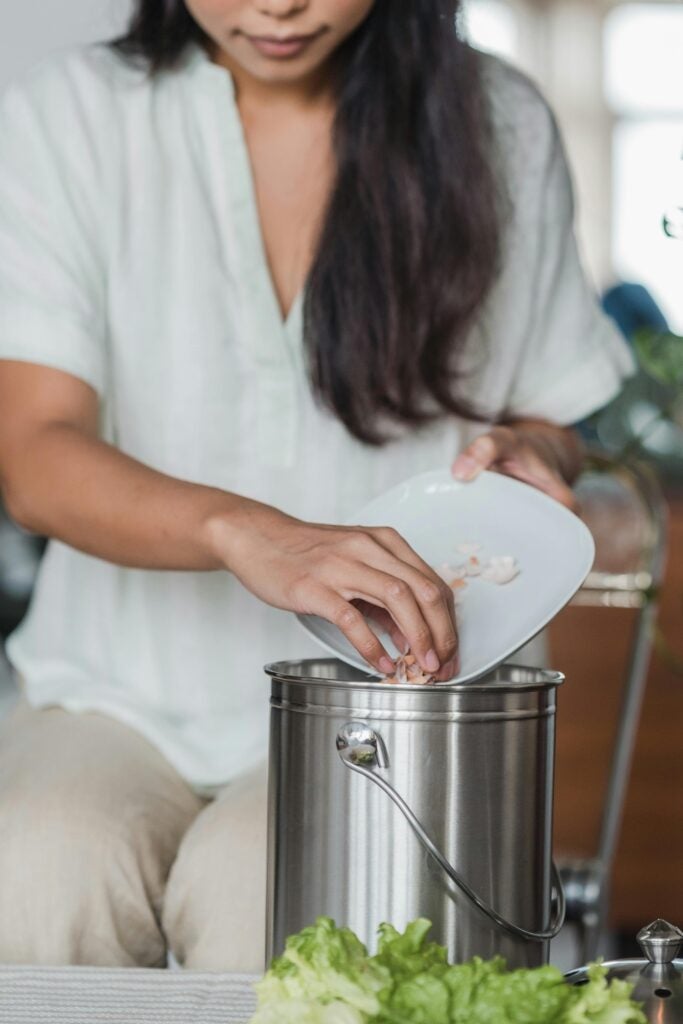
Compost any food scraps you can’t use in new recipes. Check if your town collects food and other organic waste, or learn how to compost at home. Composting makes soil for your garden healthier. The EPA has tips for composting at home.