Launch of Advanced Learning Academy expands lifelong educational opportunities in public health
People interested in exploring public health at all stages of their careers—from high schoolers trying out the field before college to senior leaders updating their skillsets—can now do so through Harvard T.H. Chan School of Public Health’s Advanced Learning Academy (ALA). The new program, which launched April 29, brings together and expands the School’s non-degree learning opportunities—existing Executive and Continuing Education (ECE) offerings and hundreds of additional non-degree programs—under one umbrella.
At the ALA’s core is a five-stage lifelong learning framework: Aspire (pre-professional), Professional Development (early career), Executive Education (mid- to senior-level), Advanced Leadership (global and senior executives), and Frontiers, which focuses on cutting-edge research and innovation.
“The ALA offers a clear portfolio of courses for learners at each stage, with offerings designed to build over one’s career,” said Rifat Atun, vice dean for non-degree education and Innovation and Julio Frenk Professor of Public Health Leadership. “We want to train the next generation of leaders across the learning continuum to not just understand problems but actually develop solutions.”
Flexible learning pathways
Learners can earn certificates in subject areas such as leadership or artificial intelligence in health care on their own timelines. Atun calls the ALA’s credentials “stackable,” meaning that people can start with individual courses and build toward the Certificates of Specialization and Advanced Certificates of Specialization. These credentials can help learners advance in their organizations or pivot from different sectors such as technology into health care, Atun said.
But it’s not necessary to follow a certificate pathway. Learners can choose from individual courses in formats tailored to different time commitments and learning goals. For example, Frontiers courses highlight emerging research in sessions lasting just a few hours.
In addition, longstanding non-ECE programs such as the National Preparedness Leadership Initiative (NPLI) will benefit from the ALA umbrella. That will allow for administrative efficiencies, and marketing synergies, Atun said. And it opens up more opportunities for participants in these programs. For example, Atun said, a mid-career professional competing an NPLI course might go on to earn a certificate of specialization that helps advance their career.
New courses in global health, longevity science, health care innovation
Atun said that the ALA’s courses have been designed with an eye towards emerging needs in public health and market potential, with an emphasis on innovative content. Many are offered online in synchronous (live, instructor-led) or asynchronous (self-paced) formats for broader accessibility.
One of the first new courses to launch is Global Environmental Health I: Air Pollution & Radiation. Led by Petros Koutrakis, Akira Yamaguchi Professor of Environmental Health and Human Habitation, this asynchronous online course provides an introduction to major air pollutants, exposures, and health impacts, and is the first step towards the Environmental Health Certificate of Specialization.
“Our goal with Global Environmental Health is to reach professionals and students beyond Harvard—across the U.S. and around the world—to share essential environmental health concepts that can inform research, policy, and practice,” Koutrakis said.
Two additional courses are launching on April 29: Fundamentals of Longevity Science, led by Gloria Dalla Costa, research scientist in the Department of Nutrition, and Fundamentals of Designing for Scale in Health Care, led by Katherine Semrau, associate professor in the Department of Health Policy and Management and deputy director of Ariadne Labs.
“Fundamentals of Longevity Science is for anyone making decisions—whether clinical, strategic, or personal—who wants to cut through the noise and ground their thinking in rigorous science,” Dalla Costa said. “The asynchronous, self-paced format pushed us to think carefully about how to make complex, interdisciplinary content both rigorous and engaging without a live classroom. We’ve been able to bring in real-world case studies from Japan, Costa Rica, Italy, and beyond—the kind of applied, global lens that I think sets the ALA apart.”
Semrau and her Ariadne Labs colleagues Meghan Long, Francine Maloney, and Robbie Singal bring Ariadne’s approach to health care innovation to their course. A key concept is the “know-do gap”—the distance between what evidence says should happen in health care (such as preventive health screenings for every eligible patient) and what actually happens in practice. In this course, participants learn to identify these gaps in their own settings and develop practical solutions such as redesigned workflows or checklists.
“This course builds core skills for roles that focus on designing, improving, and scaling health services and programs—such as quality improvement leads, implementation specialists, program directors, and clinical or operational leaders,” Semrau said. “It’s also highly relevant for people working in health policy, population health, global health, and innovation who need to ensure promising ideas can move beyond a pilot and achieve impact at scale.”
More than 30 other new courses are in the pipeline and will be taught by faculty and contributors from across Harvard Chan School, in addition to alumni and practitioners. Topics include health care quality improvement, nutrition, artificial intelligence, health innovation, and crisis leadership.
Looking ahead, Atun said he expects the ALA to become a fully embedded and integral part of the School’s offerings. He said that it’s already exciting to see so many faculty engaged in developing courses. “The ALA showcases how the School’s excellence in research, teaching, and translation can be harnessed to provide public health education to a wider group of individuals throughout their careers,” he said.
Last Updated
Featured in this article
HPRC Quarterly Highlights: Q1 2026
We hope you will visit the links and learn more about these updates and resources!
Collaborate with Partners to Identify Evidence-Based Interventions
CalFresh Healthy Living-CHOICES Project
This quarter, we completed our work modeling strategies to promote healthy eating and active living, using the CHOICES methods and a microsimulation model with local health departments in California. We were pleased to have the opportunity to collaborate with these local health agencies and their partners. You will find the results of several new cost-effectiveness analyses completed with these teams of public health leaders. These include briefs focused on sugary drink taxes and fruit and vegetable incentives in Santa Clara County, briefs evaluating the impacts of sugary drink taxes in the city of Los Angeles and in unincorporated areas of Los Angeles County, and strategies that encourage safe and active trips to school in parts of San Mateo County and in Ravenswood and South San Francisco.
More New Publications from PRC Researchers and Our Research Partners
In a recent research paper, ‘Cost-Effectiveness and Health Equity Improvements From Excluding Sugar-Sweetened Beverages From the Supplemental Nutrition Assistance Program,’ researchers highlight data suggesting that excluding sugar-sweetened beverages from the Supplemental Nutrition Assistance Program could be a cost-saving strategy to improve health and health equity across income, racial, and ethnic groups. Learn More
Collaborative research partners focused on school water promotion recently published a study examining the cost of the Water First School Water Promotion and Access Intervention, offering valuable insights for schools and stakeholders to plan and implement effective school-based initiatives that increase access to drinking water. Learn more
Researchers estimated the contribution of meals and snacks provided through the Child and Adult Care Food Program (CACFP), a federal food assistance program that supports children’s nutrition. Their research suggests CACFP meals and snacks promote nutritious diets for young children by increasing energy-adjusted intakes of dairy and whole grains, while decreasing energy-adjusted intakes of sodium, saturated fat, and added sugars compared to what children consume elsewhere. Learn more.
Offer Resources & Training Opportunities
New Resources on Drinking Water in Schools Toolkit
We consistently work to share new resources, tools, and peer-reviewed publications that align with our Center’s priority areas (healthy eating, active living, sugary drinks, drinking water access and intake, and unhealthy food and beverage marketing). This quarter, along with our Nutrition and Obesity Research and Evaluation Network partners, we launched our newest toolkit focused on drinking water in schools: https://bit.ly/school-water-toolkit
Safe, appealing drinking water is essential for student health, focus, and overall well-being—yet access varies across schools. A newly updated toolkit equips school leaders, nutrition professionals, operations & facilities, and partners with practical steps to improve water safety, appeal, and promotion. From model wellness policy language to youth-led campaigns and infrastructure checklists, these resources support a culture of healthy hydration in every school. 💧
Reminder: The public is invited to join the Monday Nutrition Seminars at HSPH. Learn more and see upcoming events
Build Capacity for Conducting Community-Engaged Research
This fall, we celebrated the achievements of our newest group of 10 Leaders in Health. The Leaders in Health (LIH) program enhances community health efforts through introductory training in public health research and science. The program aims to build the capacity of our community partners by providing participants with a foundation in community-based participatory research, program planning, and evaluation. Learn more.
Visit our archive of HPRC quarterly highlights & annual news stories.
Last Updated
Microplastics and women’s health: what we’re learning from new research
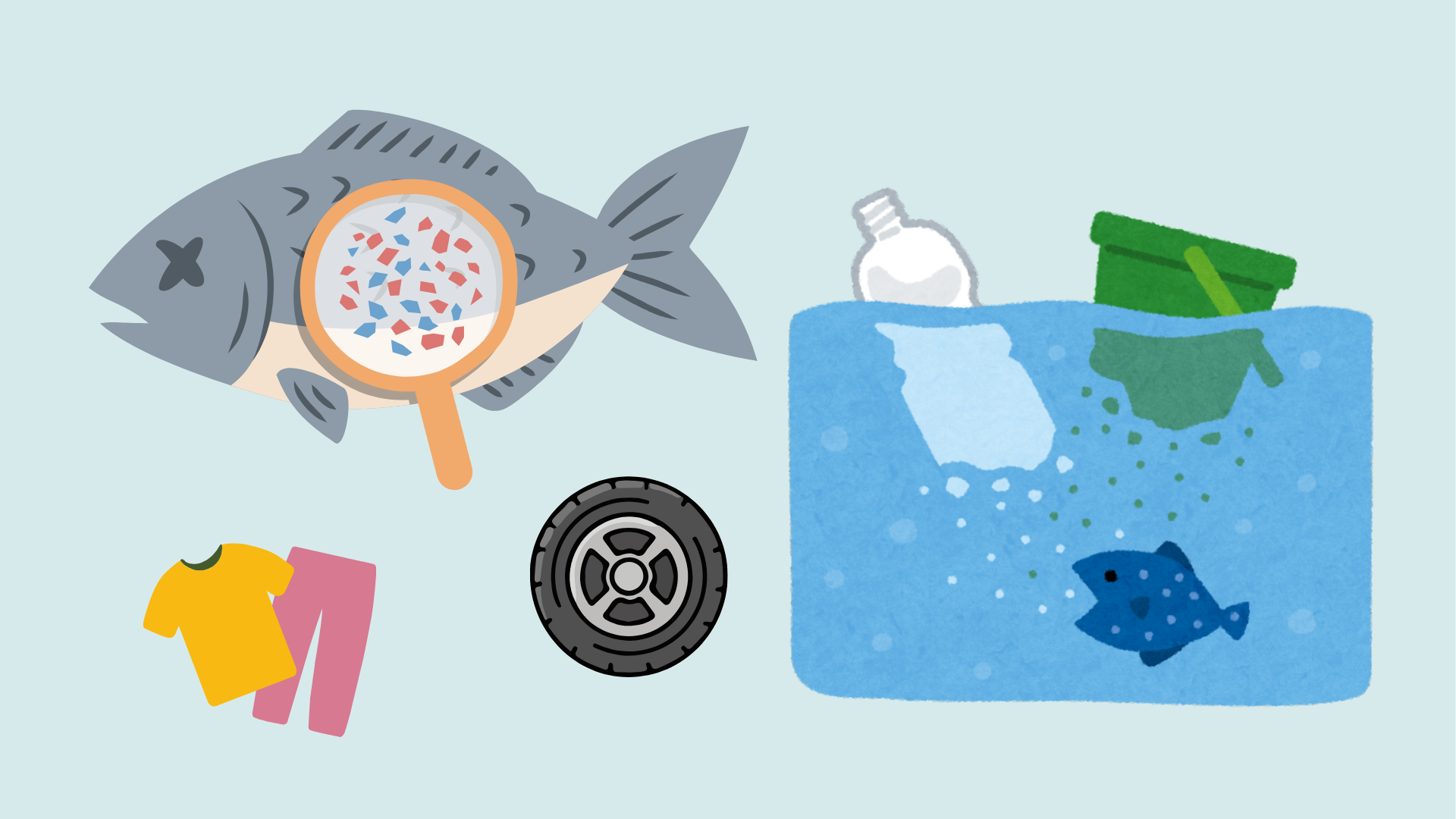
Microplastics are turning up all over our bodies, from our lungs and brains to even the placenta during pregnancy. In a recent research summary for JAMA, scientists in the Mahalingaiah Lab and other colleagues within the Department of Environmental Health at the Harvard T.H. Chan School of Public Health make a clear case that we need to take microplastics seriously, both as individuals and as a global community1.
What are microplastics?
Microplastics are tiny pieces of plastic less than 5 millimeters in size (smaller than a grain of rice in diameter). They can be:
- Primary microplastics: manufactured at a small size (for example, certain cosmetic beads or industrial pellets), or2;
- Secondary microplastics: created when larger plastic items (bags, bottles, clothing fibers) break down into smaller fragments over time.
Plastic production has nearly doubled in just the last 20 years, and it’s expected to increase by another 70% by 20403, authors Dr. Shruthi Mahalingaiah, Kari C. Nadeau, and David C. Christiani explain. With the increase in plastic use comes an increase in the tiny fragments that shed, break off, and disperse into the air, water, and food we rely on for daily life.
A number of chemicals linked with plastic production or just plastic materials themselves can cause concern for our health. Some of these chemicals are known or suspected endocrine disruptors, affecting hormones that are central to reproduction, metabolism, and development.
How do microplastics get into our bodies?
You don’t have to intentionally eat plastic for it to end up inside your body. Microplastics mostly enter the body in two ways:
1. Inhalation (breathing them in)
Tiny airborne particles can be released from:
- Synthetic clothing and textiles (for example, fleece, polyester, or many common materials found in activewear);
- Household dust;
- Car tires and road dust;
- Industrial emissions and waste;
- And other sources.
Very small particles can travel deep into the lungs and may then move into the bloodstream, where they can circulate and then build up over time in different parts of the body.
2. Ingestion (swallowing them)
Microplastics have been found in:
- Food and drinks, such as bottled water, tap water, soft drinks, beer, and other beverages;
- Seafood and other animal products that can ingest plastics from the environment4;
- And everyday food packaging or contamination from food-processing equipment.
Cosmetic and personal care products (like some face scrubs and other items that once contained microbeads) can also be sources of ingestion or inhalation when they rinse off into water or become airborne.
Once inside the body, these particles don’t just disappear quickly. They can persist in tissues and may also “carry” other chemicals and pollutants on their surfaces, potentially acting as tiny delivery vehicles for substances we don’t want to be exposed to.
Where are microplastics being found in the body?
Researchers have detected microplastics in:
- The lungs;
- The brain;
- The liver and other organs;
- Ovaries;
- Placentas;
- And even meconium (a baby’s first poop) – confirming that some people are exposed to microplastics before they are even born.
As highlighted by the team of scientists in the JAMA article, there is evidence that levels of microplastics in tissues like the brain and liver have increased when comparing people who died in 2016 to those who died in 2024.
Similarly, studies of placentas over time have found more microplastic particles in more recent years. Microplastic particles were detected in 60% of placenta samples in 2006, 90% in 2013, and most recently, fully 100% of participants studied in 2021 in a study of pregnancies in Hawai‘i5. Not only were microplastics more commonly found, but the number of particles per 50 grams of placental tissue roughly tripled over that time. This suggests that as plastic production and pollution have increased, so has the amount of plastic making its way into our reproductive organs.
Why microplastic exposure matters for women’s and reproductive health
For people who are pregnant, or may want to become pregnant, this research raises important questions.
The placenta is like a lifeline for a baby. Microplastics and associated chemicals that are accumulating in the placenta could potentially affect:
- Nutrient and oxygen exchange between the pregnant person and fetus;
- Hormone signaling that helps regulate pregnancy;
- And immune function within the placenta and fetal environment.
We don’t yet have all the answers, as further research is needed, but the trend is clear: more microplastics are being found in placentas, and scientists are concerned that this could have implications for pregnancy outcomes and long-term health in children.
The JAMA authors also point out that observational studies have linked microplastics with cardiovascular issues, inflammation, and other health problems. These studies don’t prove cause and effect, but they strengthen the case that microplastics are more than just a cosmetic or environmental issue; they are a human health issue.
What the new research is calling for
The scientists behind the JAMA article are calling for specific action:
- Better ways to detect and measure microplastics in air, water, food, and our bodies; right now, methods are inconsistent, which makes it hard to compare studies or set safety standards.
- International cooperation to reduce plastic production and pollution, especially in ways that protect vulnerable communities and future generations.
- Development of safer alternatives to conventional plastics, including materials that don’t shed harmful fragments or chemicals throughout their lifecycle.
- More research focused on reproductive health, fertility, pregnancy, and early life exposures, where the stakes are particularly high.
What you can do right now
While systemic changes require policy and industry shifts, there are small, practical steps you can take to reduce your personal exposure and to support broader change:
1. Be mindful of plastics in food and drink
- Use reusable glass or stainless-steel bottles and containers when possible.
- Avoid microwaving food in plastic containers; transfer leftovers to glass or ceramic instead.
2. Pay attention to what you put on your skin
- Check labels on cosmetics and personal care products, and choose brands that avoid added microplastics where possible.
3. Think about fabrics and laundry
- Wash synthetic clothing less frequently (when practical), and at cooler temperatures.
- When possible, choose natural fibers (like cotton, linen, or wool) over fully synthetic materials.
4. Support policies and companies that reduce plastic use
- Use your voice and your vote to support policies that limit single-use plastics, improve waste management, and encourage safer alternatives.
- Support brands that are transparent about their materials and are actively reducing plastic in their products and packaging.
None of these steps are perfect or all-encompassing, but they can help lower your exposure and signal that there is demand for safer, healthier options.
The Bottom Line
Microplastics matter, especially for women and future generations. New research summarized in JAMA shows that microplastics are:
- Widespread in the environment;
- Increasingly found in human tissues, including the placenta;
- And linked to a range of potential health concerns.
At the same time, scientists are still working to understand the full extent of the risks and to develop better tools to measure and regulate these exposures. This is a rapidly evolving field, and staying informed is one of the most powerful things you can do.
References
1: S. Mahalingaiah, K. C. Nadeau and D. C.Christiani, “Microplastics and Human Health,” JAMA Insights, vol. 334, no. 21, 2025.
2: Marine Debris Program Office of Response and Restoration National Oceanic and Atmospheric Administration, “Microplastics,” 07 February 2023. [Online]. Available: https://marinedebris.noaa.gov/what-marine-debris/microplastics.
3: Organisation for Economic Co-operation and Development, “Policy Scenarios for Eliminating Plastic Pollution by 2040,” 2 October 2024. [Online]. Available: https://www.oecd.org/en/publications/policy-scenarios-for-eliminating-plastic-pollution-by-2040_76400890-en/full-report.html.
4: J. O. Unuofin and A. Igwaran, “Microplastics in seafood: Implications for food security, safety, and human health,” Journal of Sea Research, vol. 194, 2023.
5: R. B. Weingrill, M.-J. Lee, P. Benny, J. Riel, K. Saiki, J. Garcia, L. F. A. d. M. Oliveira, E. J. d. S. Fonseca, S. T. d. Souza and F. d. O. Sil, “Temporal trends in microplastic accumulation in placentas from pregnancies in Hawaiʻi,” Environment International, vol. 180, 2023.
Last Updated
Paulo Manrique Defends Thesis on Genomic epidemiology
Please join us in celebrating Paulo’s dissertation defense seminar! BPH students, faculty, and guests are invited to attend.
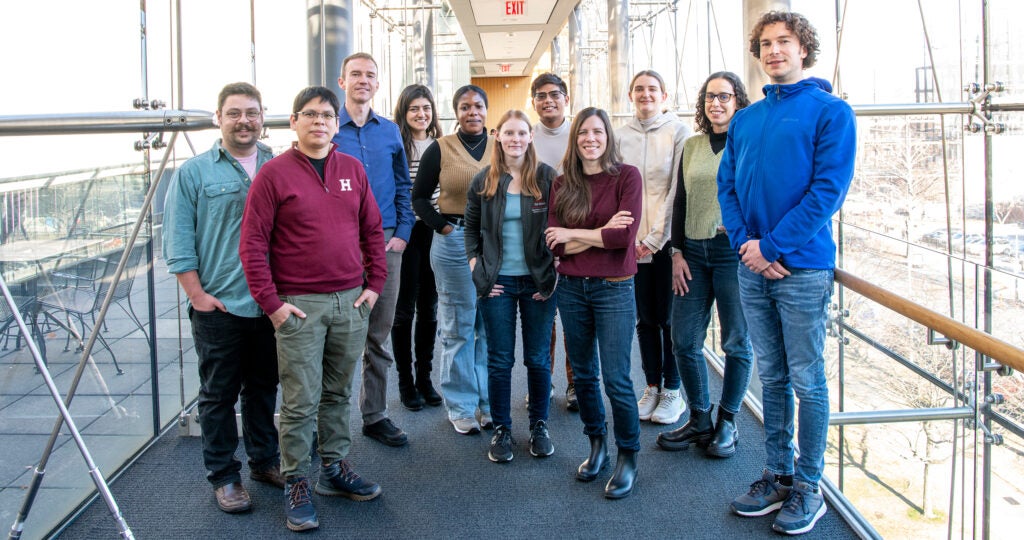
A graduate student in the Neafsey Lab, Paulo is presenting their research titled “Genomic epidemiology of Plasmodium vivax malaria in Latin America and the Caribbean” on Monday, May 4, 2026.
Paulo’s thesis has focused on developing and applying genotypic assays to Plasmodium vivax malaria parasites from the Americas. By profilig how parasites differ in their DNA sequence across space and time, his work illuminates in unprecedented detail the evolution and epidemiology of P. vivax parasites in the Americas, including the impact of human migration on malaria in the region.
We are proud of your hard work and impactful research Paulo, and we wish you the best on May 4!
Last Updated
World Malaria Day 2026: Turning Momentum into Action
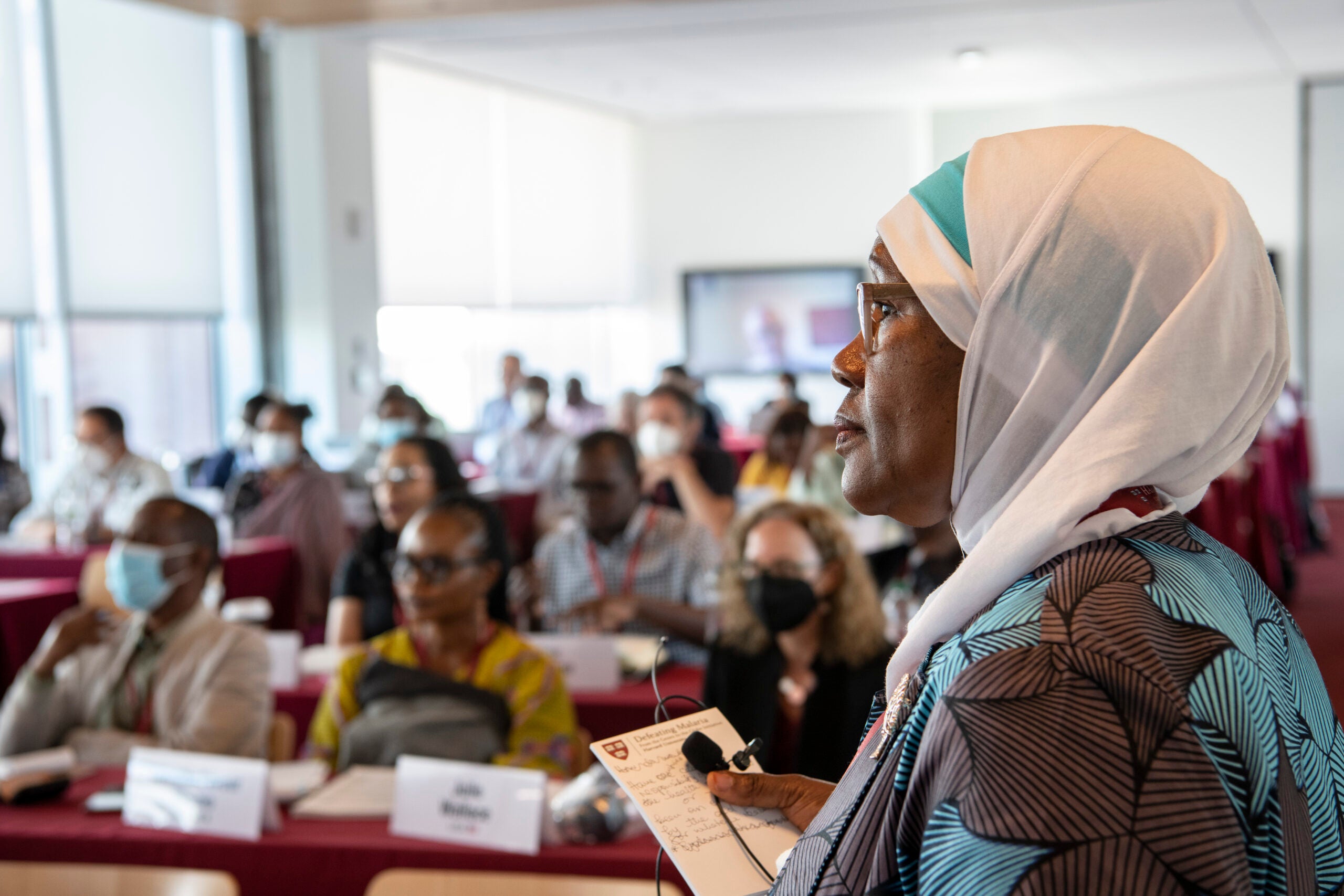
In honor of World Malaria Day 2026, Dr. Regina Rabinovich—Director of the Malaria Elimination Initiative at ISGLOBAL at the University of Barcelona and Scholar in Residence, Department of Immunology and Infectious Diseases, Harvard T.H. Chan School of Public Health—shares her perspective on how research, partnerships, and real-world engagement are accelerating progress.
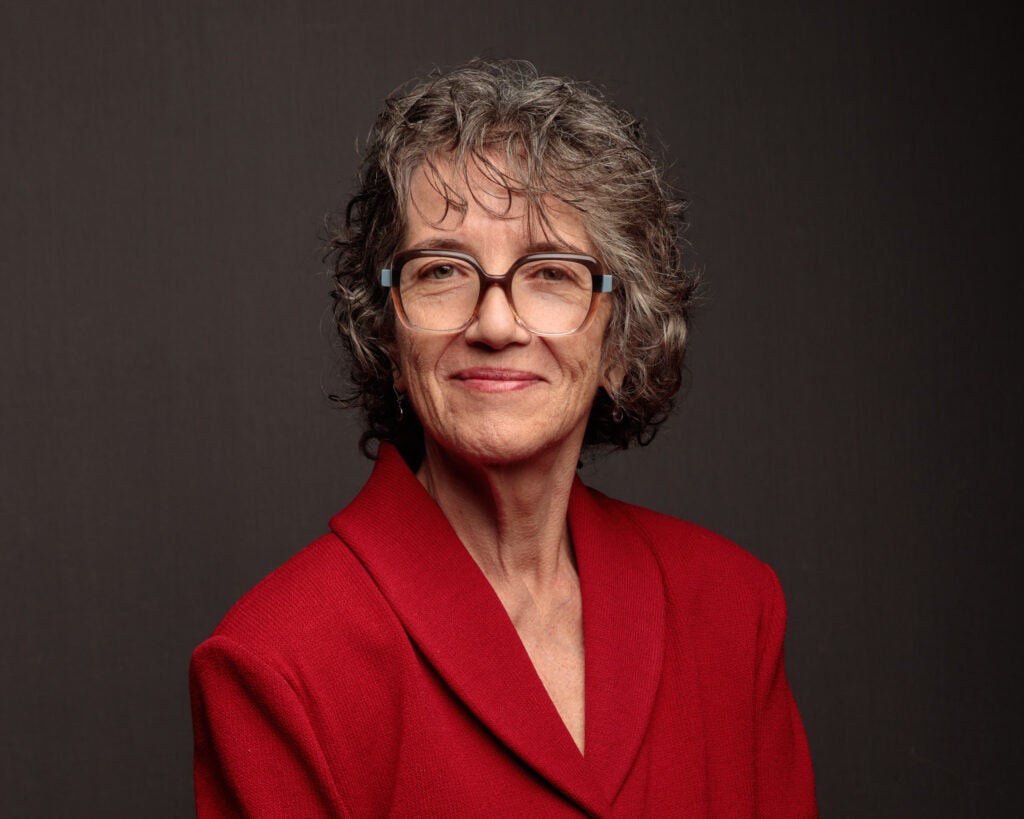
Through the lens of World Malaria Day 2026’s theme, “Driven to End Malaria: Now we can. Now we Must,” what is one emerging opportunity or approach that gives you the most optimism for the future of malaria elimination?
An emerging near-term approach is the potential for synergies in delivery across existing and emerging tools. Vaccine programs increasingly need to coordinate with malaria, NTD, and water programs. The global health community has learned hard lessons about purely vertical approaches: these are neither efficient in terms of human resources nor are they sustainable in terms of financial resources.
The University’s malaria research efforts date back to the Harvard Expedition of the 1920s, where malaria was documented and studied in Liberia and the Belgian Congo. What’s one lesson from the past that continues to shape our work today?
An evergreen lesson in malaria is that innovation is critical. Historically, in the 1950s, the global health community launched a global eradication program with a single drug and a single insecticide. This limited approach, coupled with lessons learned from the successful eradication campaign (e.g., Smallpox and the current Polio effort), has taught us key lessons: the risk of resistance, the need to improve tools, and the challenges unique to the last mile. Both biological resistance and financial gaps are constant challenges to these programs. Innovation remains a key step in confronting both of these problems.
What’s one thing everyone should know about Harvard’s Defeating Malaria: From the Genes to the Globe Initiative?
Harvard’s Defeating Malaria Initiative is far from an ivory tower project—it is deeply grounded in practice, engaging with country leaders, innovators, and implementers to create linkages and support leaders to push the frontiers of scientific and public health innovation.
Last Updated
New York State considers bills targeting added sugar, sodium, junk food marketing

New York City enacted the nation’s first law requiring chain restaurants to display added sugar warning labels last October and has mandated sodium warning labels since 2015. Now lawmakers at the state level are considering similar bills, along with a bill restricting junk food marketing to children.
Harvard T.H. Chan School of Public Health’s Mary Bassett, who oversaw the rollout of the city’s sodium warning labels as health commissioner, spoke on the April 14 episode of WNYC’s Brian Lehrer Show about why she thinks these bills are important for the health of New Yorkers.
Bassett, professor of the practice of health and human rights, noted that added sugar and sodium contribute to preventable health conditions including excess weight, diabetes, high blood pressure, and dental decay. There is some evidence that the sodium warning labels have helped reduce rates of high blood pressure, she said.
Ideally, having to display the labels will inspire companies to reformulate their recipes, Bassett said, but in the meantime, it’s important that consumers have information that can help guide their dietary decisions.
She added that the junk food marketing bill, which addresses tactics such as the use of cartoon characters or influencers to sell unhealthy products to kids, is ambitious and important. “It talks about how children are targeted not just on television and in stores, but on social media and encouraged to badger their parents for food,” she said. “It would empower the attorney general to take actions to protect children from marketing foods directly to them that aren’t good for them.”
Listen to the Brian Lehrer show segment: The Push for Junk Food Warning Labels in New York State
Last Updated
Featured in this article

Postdoctoral Association’s Poster Day showcases wide-ranging research
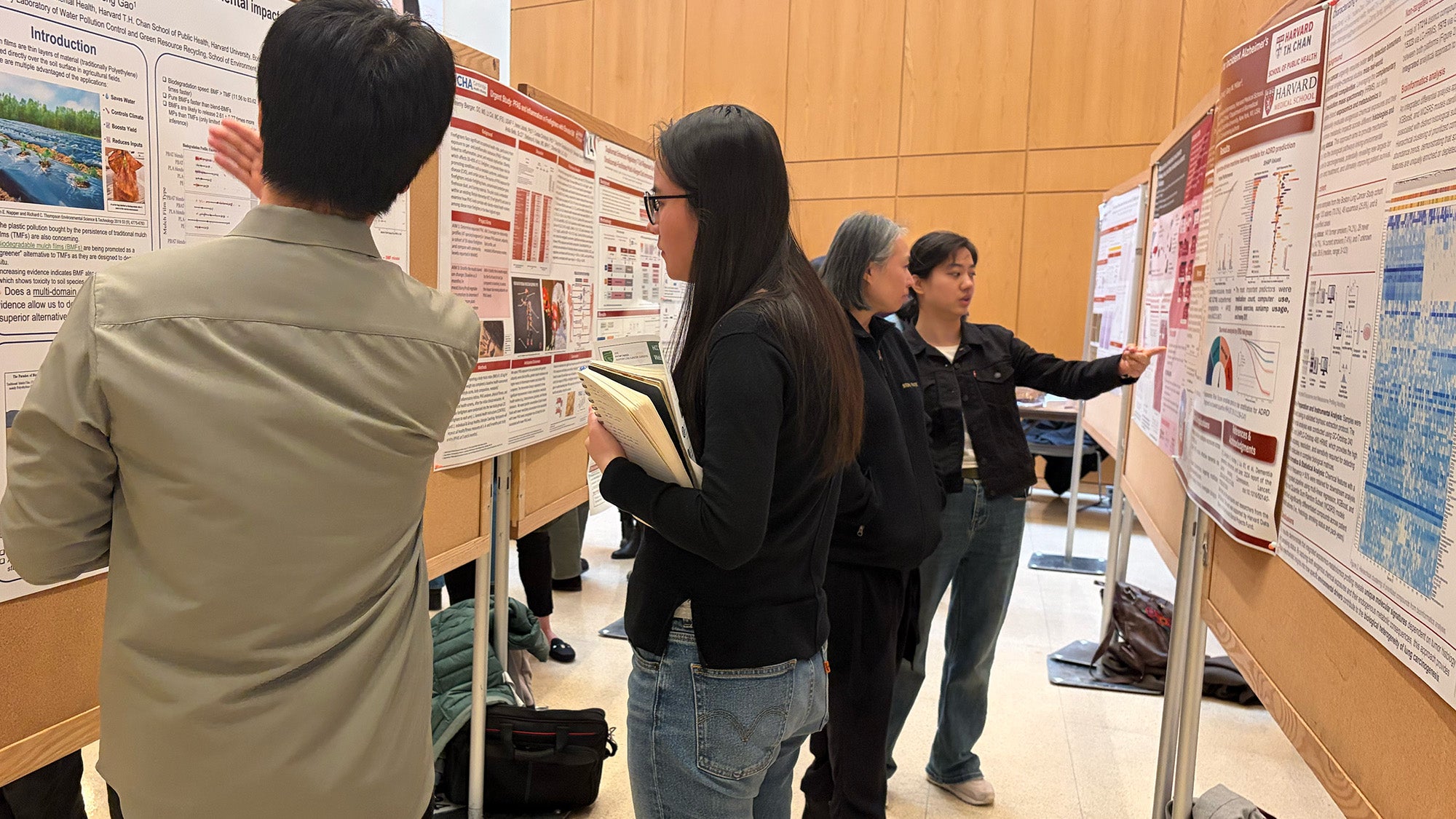
Research on topics including menstrual period symptoms, psychological well-being and dementia incidence, and the environmental impact of mulch films used in farming was on display at the Postdoctoral Association (PDA)’s Poster Day on April 21. The event marked a return to what had been an annual tradition prior to the COVID-19 pandemic.
Twenty-seven postdoctoral fellows, research associates, and students registered to share their posters in Harvard T.H. Chan School of Public Health’s Kresge Cafeteria. Seven of the participants also presented their research during a series of Lightning Talks held in Kresge G-3 during the event.
At the closing award ceremony, PDA council president Jake Figi said, “It’s been wonderful to see such a wide range of exciting research and conversations across the School.” He noted that the PDA serves nearly 300 postdocs and research associates across the School through programming, networking and teaching opportunities, and advocacy.
Events like Poster Day that bring researchers together across disciplines are important because they can help spark innovation, Dean Andrea Baccarelli said in remarks during the ceremony. At the School, he said, “You have an opportunity to meet people whose work is different than what you do, to learn a different [scientific] language, to learn different methods, and to bring it back to your research.”
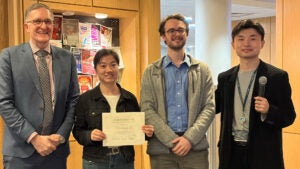
Four awardees were chosen by a panel of faculty and research scientist judges and presented by Xiang Meng, PDA Poster Day planning committee chair:
Best Lightning Talk: Tong Yang, postdoctoral research fellow in the Department of Environmental Health, “Comparative analysis of the environmental impacts of biodegradable plastic mulch films and traditional mulch films”
Lightning Talk Runner-Up: Säde Stenlund, research associate in the Department of Social and Behavioral Sciences, “Dimensions of psychological well-being and risk of developing dementia”
Best Poster: Carmela Pablo-Torres Jimenez, postdoctoral research fellow in the Department of Environmental Health, “Dupilumab Enhances Regulatory T-Cell Responses During Omalizumab-Facilitated Multi-Allergen Oral Immunotherapy”
Poster Runner-Up: Chenshuang Li, postdoctoral research fellow in the Department of Environmental Health, Exposome-Wide Association Study and Predictive Risk Score for incident Alzheimer’s disease and related dementias
In addition, a mentorship award was presented to Barbra Dickerman, assistant professor of global cancer prevention.
Last Updated
Featured in this article
Innovators apply AI solutions to health systems problems at global hackathon

More than 12,000 people across the globe recently answered the call from Harvard T.H. Chan School of Public Health’s Health Systems Innovation Lab (HSIL) to reengineer the future of health systems by leveraging artificial intelligence (AI) solutions. Over the course of an intensive two-day hackathon, they worked in multidisciplinary teams to develop and pitch their ideas for health ventures. At stake were financial prizes and the chance to advance to HSIL’s Venture Building Program.

The 7th annual HSIL Hackathon was held April 10-11 in 58 hubs across 41 countries (in-person in 36 countries and virtual in five). HSIL Director Rifat Atun, vice dean for non-degree education and innovation, kicked off the event over a global live stream with HSIL’s Alem Aminu Osman, who led the team of more than 200 hub coordinators.
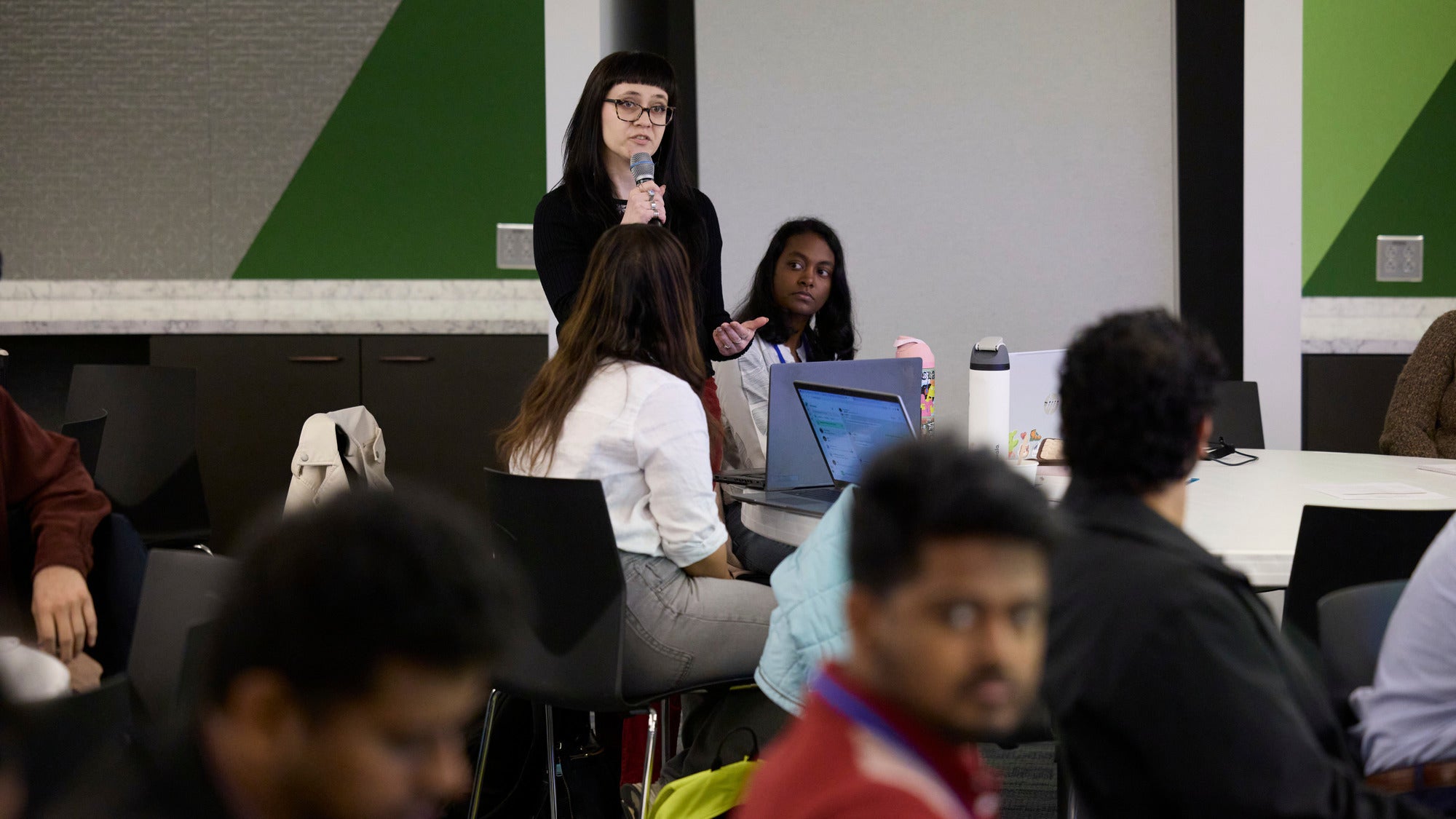
The Boston Hub drew more than 200 participants across its two venues: Microsoft NERD Center in Cambridge and Pillar VC in Boston. Participants at the Boston hub ranged from high school students to professionals, including a software engineer who formerly worked on missile systems and said that he wanted to find a new direction for his skills.
The Hackathon was open to all age groups, irrespective of affiliation, venture maturity stage, or prior experience. Participants could attend with an already formed team or join one onsite.
Throughout the event, teams received mentorship from HSIL representatives and local experts and coaching on health system components such as regulation, diagnostics, and drug development, before they presented their ventures to a panel of judges. Just 100 ventures were chosen from 1,553 worldwide to move on to the Venture Building Program. Prizes were awarded at each hackathon hub, with the Boston Hub alone awarding a total of $200,000 in cash and merchandise such as software, donated by sponsors.
‘A roadmap for impact’
At the Boston Hub, winners were Vandy Hack Health (Microsoft NERD Center) and Kidney Connective (Pillar VC).
Vandy Hack Health team members Teguono Okotete, Maya Poghosyan, Soham Saraf, and Aidan Tseng are undergraduates at Vanderbilt University. They hope to develop an AI-powered case manager connecting 63 million unpaid caregivers in the U.S. to financial and social support programs.
“The mentorship and energy at the Hackathon drove us to finish our first complete prototype and dive into the complex world of federal and state assistance programs,” said Saraf. “We’re excited to develop this into a more serious venture in the next phase, learning about tech/AI standards in the health industry and how healthtech products gain traction.”
Kidney Connective is a platform that aims to help more kidney patients get listed for transplants and reduce the loss of donor kidneys, which only have a short window to be matched with suitable recipients. The team includes Grace Lightfoot, a Harvard biology graduate student; Vanessa Evans, who works with Fresenius Medical Care, a dialysis organization, and Kidney Health Initiative, and is a kidney patient herself; and Marisol Horton, a former nephrology social worker. The team is supported by advisors in nephrology and transplant medicine, and a technology lead specializing in large-scale health care systems delivery.
“The Hackathon was a turning point—it confirmed that what we’re building is both urgently needed and within reach,” Lightfoot said.
Team Tunza, which also competed at the Boston Hub, received special recognition and was selected as one of the ventures in the next cohort of the Harvard HealthLab Accelerators program. Nebyu Lakew Tefera, MPH ’26, and teammate Jonas Sog, a mechanical engineering PhD student at MIT, are focusing on improving care coordination at health care facilities in low- and middle-income countries.
“We arrived at the Hackathon with ambition and left with validation, clarity, and a roadmap for impact,” Tefera said.
On to Demo Day
Over the next few months, the teams chosen as winners at their individual hackathon hubs will participate in a virtual venture building program where they’ll learn the ins and outs of launching a business and continue refining their ventures with guidance from global experts. Teams progress through three increasingly intensive phases—each with higher training rigor and expectations—and are evaluated by judges from HSIL and other experts. The top 20 teams advance to Demo Day on June 16, where they’ll present to potential investors and make important connections in hopes of launching their ventures.
Last Updated
Featured in this article
Why are other kids starving?
Last Updated
Featured in this article
In spite of political headwinds, climate leaders are remaining motivated by focusing on progress being made on a variety of fronts, according to an April 21 Grist article.
Harvard T.H. Chan School of Public Health’s Gaurab Basu was among several climate leaders quoted in the article. Basu, assistant professor in the Department of Environmental Health and a core faculty member in the Center for Climate, Health, and the Global Environment (C-CHANGE), has worked to incorporate climate education into medical curricula, and he studies the health impacts of climate change and the health benefits of climate solutions.
Basu said that there had been an unprecedented movement for climate action in recent years. “I’ve never seen so many people passionate about protecting our planet—and anchoring in our responsibility to protect people’s health and the vitality of future generations. We’ve made a lot of progress in explaining to people that climate change is a health issue.”
But he acknowledged that there has also been “an unprecedented rejection and destruction of science and an extraordinary regression on the progress we were making.”
Still, Basu is cheered by efforts such as increased use of solar power and electric vehicles around the globe. He added, “I believe deeply that we can catalyze a new era in which we once again fund science, create durable policy, and take pride in protecting the planet and people. So many people are putting their heads down and pushing forward, in spite of the challenges.”
Read the Grist article: We asked climate leaders what’s keeping them inspired. Here’s what they said.